Non-Owner SR-22 for Florida License Reinstatement
Get My Non-Owner SR-22 QuoteYou Lost Your License but Not Your Car
Your Florida driver license was suspended after a DUI arrest or conviction, or after the state caught you driving uninsured. You no longer own a vehicle — either because your car was impounded after the arrest, you sold it to reduce costs during the suspension period, or you never owned one to begin with. The Florida Department of Highway Safety and Motor Vehicles (DHSMV) sent reinstatement paperwork demanding proof of financial responsibility before they will restore your license. The form references FR-44 filing, not SR-22, and you cannot figure out how to satisfy the requirement without a car to insure.
Non-owner FR-44 insurance is the product built for this exact situation. It provides liability coverage when you drive someone else's vehicle with permission, and the carrier files Form FR-44 with DHSMV on your behalf to satisfy the financial responsibility mandate. You do not need to own a vehicle to get reinstated. What you do need to understand is that Florida's FR-44 requirement carries liability minimums double those of a standard SR-22 state, and that difference shows up in your monthly premium from day one.
“Florida DHSMV cross-references vehicle registrations against active policies in near real-time — driving an owned car on non-owner FR-44 triggers re-suspension within days.”

Cover Your Filing Before You Own a Car Again
Get My Non-Owner SR-22 Quote$100,000/$300,000/$50,000
Florida FR-44 Liability Minimums
Florida is one of only two states (with Virginia) requiring FR-44 filing for DUI-related offenses. FR-44 mandates $100,000 bodily injury per person, $300,000 per accident, and $50,000 property damage — substantially higher than the $10,000/$20,000/$10,000 standard SR-22 minimums used in most states. Non-owner FR-44 policies carry these doubled limits, which increases premium by roughly 40-60% compared to non-owner SR-22 in neighboring states.
Florida Statutes § 324.0221 and § 322.27
FR-44 Is Not SR-22 in Florida
Most drivers suspended in other states file SR-22 certificates. Florida uses a different form — FR-44 — for DUI convictions, refusals, and certain aggravated driving offenses. The two forms serve the same legal function (they prove continuous liability coverage to the state), but FR-44 requires substantially higher liability limits. If you were suspended for DUI, DUI manslaughter, or refusal to submit to a breath test, DHSMV will not accept SR-22 filing. You must file FR-44.
If your suspension was triggered by driving uninsured, lapsed registration, or a non-DUI cause, Florida may accept standard SR-22. The paperwork you received from DHSMV specifies which form applies to your case. Read the notice carefully — filing the wrong form delays reinstatement by weeks, because DHSMV will reject the filing and you will need to start over with a corrected certificate.
Non-owner FR-44 policies are underwritten by non-standard carriers who specialize in high-risk filings. These carriers include Acceptance Insurance, Bristol West, Dairyland, GAINSCO (SR-22 confirmed but FR-44 not verified via carrier site), Geico, Infinity, Kemper, National General, Progressive, and The General. Not every carrier writes non-owner FR-44 in every Florida county, so expect to call multiple carriers or work with an independent agent who has access to the non-standard market.

Florida DHSMV requires 3 years of continuous FR-44 filing after DUI reinstatement. A single lapse triggers immediate re-suspension, and you start the 3-year clock over from the new filing date.
Related Articles

Non-Owner FR-44 for Borrowed Cars in FL
5/29/2026

Florida Non-Owner FR-44 After DUI: Limits & Filing Path
5/19/2026

FL Non-Owner FR-44 vs SR-22: Which Filing You Need
5/19/2026
Non-Owner FR-44 Florida Multiple Violations Guide
5/19/2026
Non-Owner FR-44 Costs in Florida: Premium Breakdown
5/19/2026

Florida Non-Owner FR-44 & Hardship Cost
5/29/2026
How Much Non-Owner FR-44 Costs in Florida
Non-owner FR-44 premiums in Florida typically range from $95 to $165 per month, depending on your county, the carrier, your age, and the specific cause of suspension. DUI-related suspensions sit at the top of that range. Uninsured-driver suspensions or administrative license suspensions unrelated to alcohol sit at the lower end. These estimates reflect the doubled liability minimums FR-44 requires — a non-owner SR-22 policy in Georgia or Alabama for the same driver profile would cost $45 to $85 per month.
The $12 DHSMV hardship license application fee and the $45 base reinstatement fee are separate charges paid directly to the state, not included in your insurance premium. If your suspension stacks multiple causes (DUI plus driving while license suspended, for instance), reinstatement fees stack as well. Carriers charge a one-time FR-44 filing fee of $15 to $35 when they submit the certificate to DHSMV on your behalf. This fee appears on your first invoice.
Some drivers assume they can drop FR-44 coverage after reinstatement and save money. Florida law prohibits this. You must maintain continuous FR-44 coverage for the full 3-year period specified in your reinstatement order. If you cancel the policy, switch to a carrier that does not file FR-44, or allow the policy to lapse for nonpayment, the carrier notifies DHSMV electronically within 24 hours. DHSMV re-suspends your license immediately, and you forfeit all progress toward the 3-year requirement — the clock resets to zero when you refile.
3 years
Florida FR-44 Filing Period
Florida Statutes § 322.27 requires 3 years of continuous FR-44 filing after DUI conviction or related suspension. The period begins the day DHSMV receives the FR-44 certificate from your carrier, not the day you buy the policy. A lapse of even one day triggers re-suspension and restarts the full 3-year clock.
Florida Statutes § 322.27
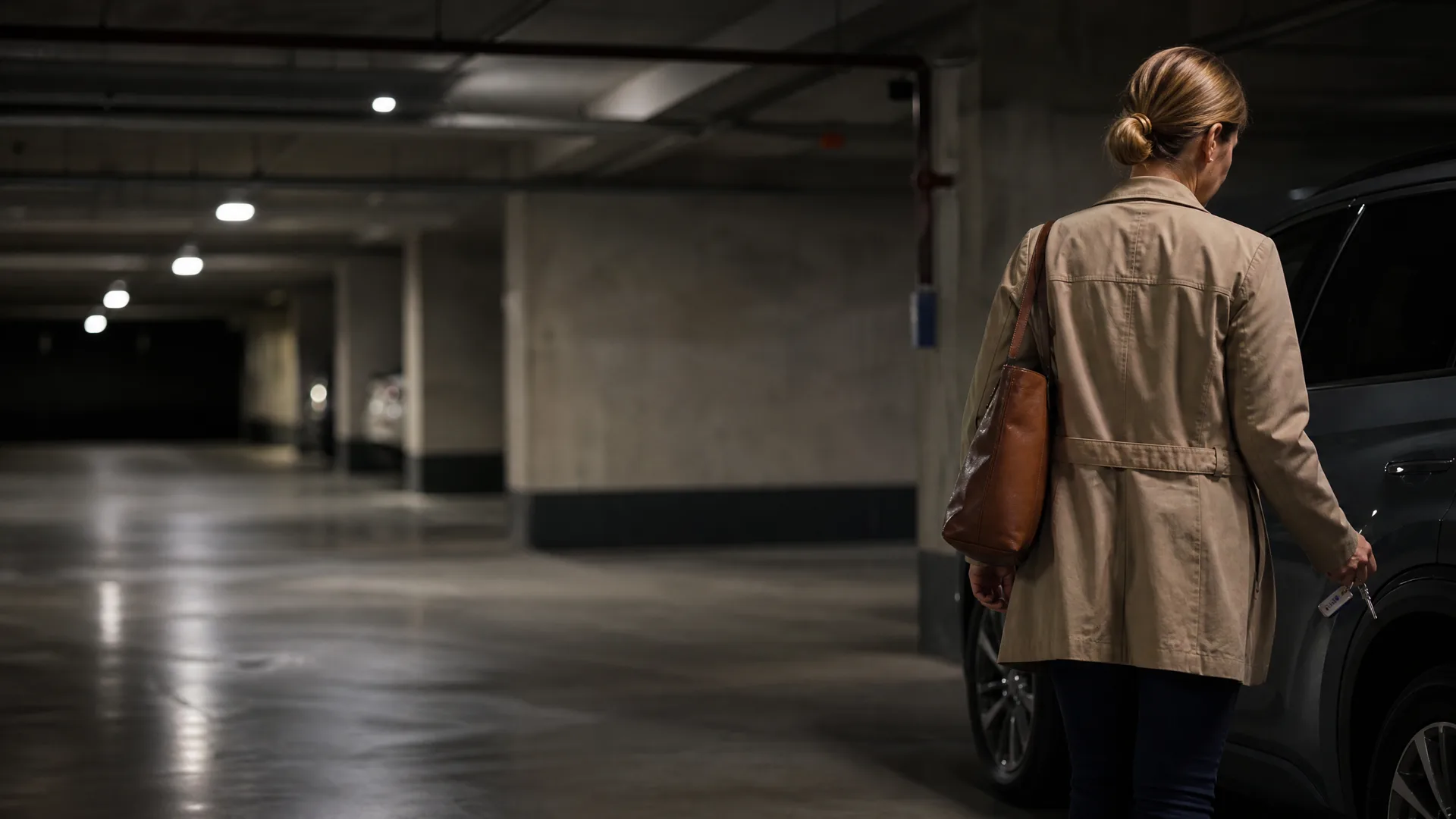
Filing FR-44 Before Your Hardship License Hearing
If you are applying for a Business Purpose Only (BPO) hardship license while your suspension is still active, you must file FR-44 before DHSMV will schedule your hearing or issue the restricted license. DHSMV does not accept promises to obtain coverage later. You need an active FR-44 policy in force, with the certificate already on file at DHSMV, before your hardship application moves forward. Most carriers can issue a non-owner FR-44 policy and file the certificate electronically within 1 to 3 business days.
The FR-44 certificate must show continuous coverage from the effective date forward. If there is a gap between your policy effective date and the date DHSMV processes the filing, your hardship application may be delayed. Work with your carrier to ensure the effective date aligns with your application timeline, and request electronic filing rather than mail — electronic filings post to DHSMV's system within 24 to 48 hours, while mailed certificates can take 7 to 14 days.
What Happens When You Buy a Car During the Filing Period
Non-owner FR-44 stops covering you the moment you acquire a vehicle. If you buy a car, inherit one, or are added to a title during the 3-year filing period, you must notify your carrier immediately and convert to an owner FR-44 policy. The carrier will cancel your non-owner policy and rewrite you on an owner policy that lists the vehicle. This is not optional — it is a condition of maintaining the FR-44 filing DHSMV requires.
If you fail to notify your carrier and continue driving the newly acquired vehicle on a non-owner policy, you are driving uninsured under Florida law. DHSMV's Florida Insurance Tracking System (FITS) cross-references vehicle registrations against active insurance policies in near real-time. When the system detects a vehicle registered in your name with no corresponding owner policy, DHSMV sends a suspension notice within days. The safest approach: call your carrier the same day you register the vehicle, before you drive it off the lot. Most carriers can bind an owner FR-44 policy and update the filing electronically within hours.
What Non-Owner FR-44 Covers and What It Does Not
When you drive a friend's car, a family member's vehicle, or a rental with their permission, non-owner FR-44 provides secondary liability coverage. If the vehicle owner's policy is primary and pays first, your non-owner policy covers the gap if damages exceed their limits. If the vehicle is uninsured or underinsured, your non-owner policy becomes primary. The coverage follows you as the driver, not the vehicle. Most non-owner FR-44 policies include uninsured motorist coverage as well, which protects you if you are hit by a driver with no insurance.
Non-owner FR-44 does NOT cover comprehensive or collision damage to the vehicle you are driving. It will not pay to repair a car you borrow and wreck. It does not cover any vehicle titled in your name or regularly available for your use. If you buy or are gifted a vehicle during the 3-year filing period, you must convert to an owner FR-44 policy or stack coverage immediately — DHSMV tracks vehicle registrations and will flag the mismatch within days. Driving an owned vehicle on a non-owner policy is considered uninsured driving and triggers a new suspension.
Get Your Free Quote
Get My Non-Owner SR-22 QuoteFrequently Asked Questions
Can I get non-owner FR-44 in Florida if I never owned a car?
Yes. Non-owner FR-44 is designed for drivers who do not own vehicles. You do not need to have owned a car previously to qualify. The policy provides liability coverage when you drive someone else's vehicle with permission and satisfies DHSMV's financial responsibility filing requirement for license reinstatement.
How long does it take for DHSMV to process an FR-44 filing?
DHSMV receives electronically filed FR-44 certificates within 24 to 48 hours. Processing and posting to your driver record typically takes an additional 5 to 7 business days. Mailed certificates take 10 to 14 days total. Request electronic filing from your carrier to avoid reinstatement delays.
What happens if I let my non-owner FR-44 policy lapse?
Your carrier notifies DHSMV electronically within 24 hours of the lapse. DHSMV re-suspends your license immediately. You must purchase a new FR-44 policy, pay reinstatement fees again, and restart the full 3-year filing period from the new filing date — all progress toward the original 3-year requirement is forfeited.
Does non-owner FR-44 cover me when I rent a car in Florida?
Yes, as secondary coverage. Most rental agreements include primary liability coverage, and your non-owner FR-44 provides excess liability if damages exceed the rental company's limits. Non-owner FR-44 does not cover collision or comprehensive damage to the rental vehicle itself — rental companies offer separate collision damage waiver products for that.
Can I switch carriers during the 3-year FR-44 filing period?
Yes, but timing matters. You must ensure there is no coverage gap between policies. The new carrier must file FR-44 with DHSMV before you cancel the old policy. Even a single day without active FR-44 on file triggers re-suspension and resets the 3-year clock. Coordinate effective dates carefully with both carriers before making the switch.
Is non-owner FR-44 cheaper than owner FR-44 in Florida?
Yes, typically by 30 to 50 percent. Non-owner FR-44 premiums in Florida range from $95 to $165 per month, while owner FR-44 premiums for the same driver profile range from $180 to $320 per month. The difference reflects the absence of comprehensive and collision coverage and the lack of a specific vehicle on the policy.
Do I need FR-44 if my Florida license was suspended for unpaid tickets?
Probably not. FR-44 is required for DUI convictions, refusals, and certain aggravated offenses. Suspensions for unpaid tickets, failure to appear, or points accumulation typically require standard SR-22 filing or no filing at all. The reinstatement notice DHSMV sent you specifies which form applies to your case — verify before purchasing coverage.