
Non-Owner SR-22 Without the Vehicle
Compare carriers, state minimums, and filing timelines across all 50 states.
Get My Non-Owner SR-22 QuoteLicensed Agents Only
Quotes from state-licensed insurance professionals
No Obligation
Free to request, no commitment required
Free to Use
No cost to you
TCPA-Compliant
Your contact information is protected
How It Works
Enter your ZIP code and tell us about your suspension type
Get matched with carriers who write policies for suspended license drivers in your state
Choose your coverage and your insurer files any required SR-22 directly with your state DMV
Coverage Options
Understanding your coverage options helps you build a policy that protects what matters — without paying for what you don't need.
 Non-Owner SR-22 InsuranceNon-owner SR-22 provides state minimum liability coverage when you drive someone else's vehicle with permission and satisfies your DMV filing requirement without naming a specific car. It does not cover any vehicle you later purchase.
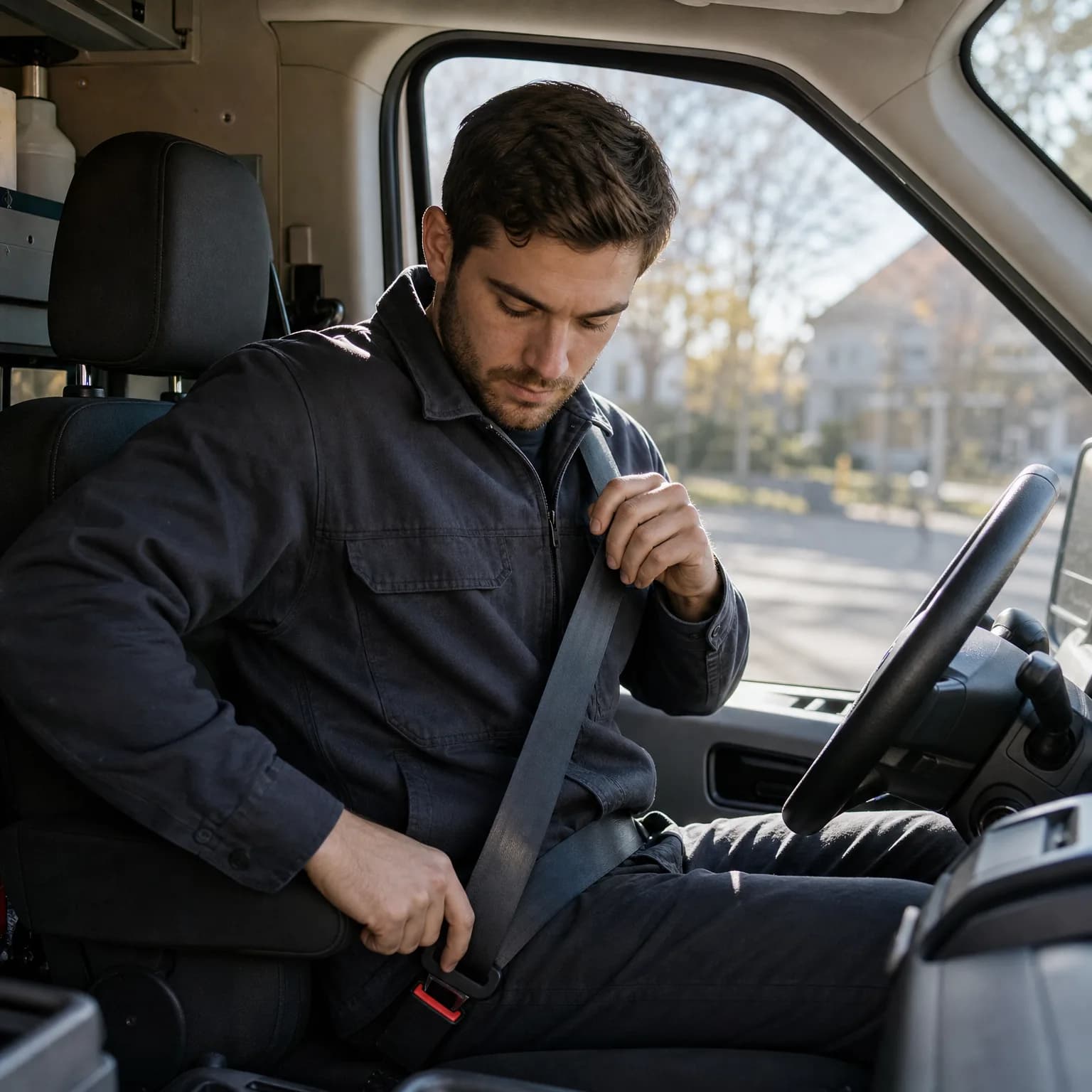 Non-Owner FR-44 (FL and VA)Florida and Virginia require FR-44 filing for DUI offenses, which mandates doubled liability limits: $100,000/$300,000 in Florida and $50,000/$100,000 in Virginia. Non-owner FR-44 premiums run roughly twice the cost of standard SR-22.
 Liability-Only Non-Owner CoverageNon-owner policies include only bodily injury and property damage liability—no collision, comprehensive, or medical payments. You're covered when driving a borrowed car, but the vehicle owner's policy pays first in most states.
 Occasional Driver InsuranceIf you drive infrequently or rent cars a few times per year, non-owner policies provide continuous liability coverage across all borrowed or rented vehicles. Coverage follows you, not the vehicle.
 Compliance-Only Non-Owner PolicySome drivers purchase non-owner SR-22 solely to satisfy state filing requirements with no intention of driving during the suspension period. The policy remains active, but the driver does not operate a vehicle until reinstatement is complete.
 Cheap SR-22 Filing CoverageThe lowest-cost SR-22 option is a non-owner policy at your state's minimum liability limits. Premiums average $300–$600 per year versus $900–$1,800 for owner SR-22, saving $600–$1,200 over a typical 3-year filing period.
Recent Articles
 5/29/2026Non-Owner SR-22 After NC FTA SuspensionNC FTA suspensions rarely require SR-22 alone, but insurance lapses trigger $50 reinstatement fees plus mandatory filing.
 5/29/2026Non-Owner SR-22 Occupational License OklahomaOklahoma's Modified Driver License requires 30-day hard suspension first. Non-owner SR-22 must be active before application.
 5/29/2026Non-Owner SR-22 After Suspension in PAPennsylvania suspended license? Non-owner SR-22 satisfies PennDOT filing at $55–$95/mo for DUI cases. Compare carriers today.
Cover Your Filing Before You Own a Car Again
Get My Non-Owner SR-22 QuoteFrequently Asked Questions
Can I get SR-22 without owning a car?
Yes. Non-owner SR-22 is specifically designed for drivers who do not own a vehicle but need to maintain state-mandated proof of insurance. Your carrier files the SR-22 certificate with your DMV, and you're covered for liability when driving borrowed or rented vehicles.
What happens if I buy a car while I have non-owner SR-22?
You must immediately convert to a standard owner SR-22 policy and add the vehicle. Non-owner policies do not cover cars you own, and driving a vehicle you own without proper coverage will trigger a filing lapse and extend your SR-22 period.
Does non-owner SR-22 cover rental cars?
Yes. Non-owner SR-22 provides liability coverage when you rent a vehicle, but it does not cover damage to the rental car itself. You'll still need to purchase or waive the rental company's collision damage waiver separately.
Which carriers offer non-owner SR-22 policies?
Progressive, The General, Direct Auto, Acceptance Insurance, and National General write non-owner SR-22 policies in most states. Not all standard carriers offer non-owner products, so you'll typically work with non-standard or high-risk insurers.
How long does the SR-22 filing stay on record?
Most states require SR-22 filing for 3 years from the date of conviction or license reinstatement, not from the date you purchase the policy. Any lapse in coverage during that period resets the clock and extends your filing requirement.