
Non-Owner SR-22 to Reinstate a Suspended License — Texas
Get My Non-Owner SR-22 QuoteThe Court Petition Filing Window Most Carless Texas Drivers Miss
You received a Texas license suspension notice and do not own a vehicle. You need an Occupational Driver License to drive to work or school, but the DPS website says you need SR-22 filing before you can petition the court. You assumed SR-22 only applies to vehicle owners — so you are stuck at the application step, unsure whether you can even proceed without buying a car first.
Non-owner SR-22 exists specifically for this situation. Texas law requires SR-22 filing from every ODL holder under Transportation Code §521.244, regardless of vehicle ownership. The non-owner product satisfies DPS requirements without requiring you to own, insure, or register a vehicle. You file the SR-22, DPS receives electronic confirmation within 1–3 business days, then you petition the court with proof of filing in hand. The procedural sequence is filing first, petition second — most carless drivers reverse this order and lose weeks to the correction loop.
“Texas ODL petitions require SR-22 before the court hearing — most carless drivers reverse this order and lose weeks to the correction loop.”

Cover Your Filing Before You Own a Car Again
Get My Non-Owner SR-22 Quote$45–$85/mo
TX Non-Owner SR-22 Premium
Non-owner SR-22 premiums in Texas run 30–60% lower than owner policies because there is no vehicle to insure for comprehensive or collision. The policy provides liability coverage when you drive someone else's vehicle with permission and files Form SR-22 with DPS electronically. Estimates based on available carrier data; individual rates vary by violation type and county.
Texas carrier filings and DPS SR-22 requirements
What Non-Owner SR-22 Actually Covers in Texas
Non-owner SR-22 is a liability-only auto insurance policy that names you as the insured driver but does not list a specific vehicle. It provides bodily injury and property damage liability coverage when you drive a borrowed vehicle, rental car, or someone else's car with their permission. The carrier files Form SR-22 with the Texas Department of Public Safety on your behalf, satisfying the financial responsibility requirement under Texas Transportation Code Chapter 601.
The policy does NOT cover any vehicle you own, lease, or register in your name. If you acquire a vehicle during the SR-22 filing period — whether by purchase, gift, or title transfer — you must immediately convert to a standard owner policy or stack coverage. Driving your own vehicle under a non-owner policy leaves you uninsured and triggers a new suspension for operating without valid coverage. DPS does not send a warning; the lapse appears in TexasSure the moment your carrier reports the vehicle acquisition.
Non-owner SR-22 also does NOT cover comprehensive or collision damage to the vehicle you are driving. If you wreck a borrowed car, your non-owner policy pays for injuries and property damage you cause to others, but the vehicle owner's policy must cover damage to their own car. This creates a coverage gap scenario many carless drivers do not anticipate — borrow the wrong car without verifying the owner's coverage, and you face joint liability for vehicle repairs your non-owner policy will not touch.
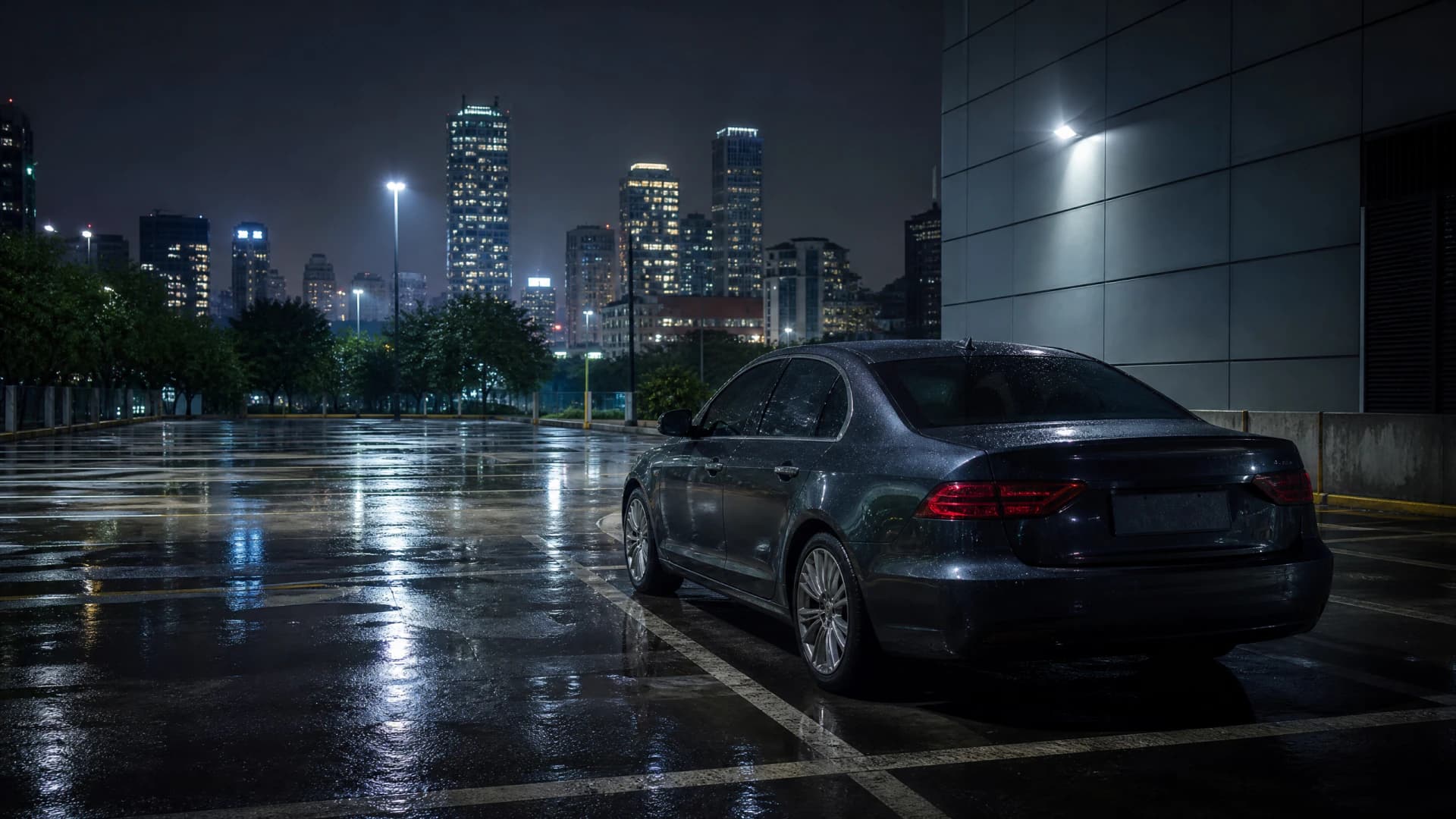
Texas ODL petitions require proof of SR-22 filing before the court will schedule your hearing. Most carless drivers delay 2–4 weeks not realizing non-owner SR-22 satisfies this requirement.
Related Articles
Texas Non-Owner SR-22 Occupational License
5/29/2026
Texas Non-Owner SR-22: Filing Without a Vehicle
5/19/2026
Texas Non-Owner SR-22 for License Reinstatement
5/19/2026

Texas Non-Owner SR-22: Filing Without Owning a Car
5/19/2026

Non-Owner SR-22 Texas: Uninsured-Driving Reinstatement
5/19/2026

Texas Non-Owner SR-22 Cost: $30-$60/Mo Typical Range
5/19/2026
Texas SR-22 Filing Duration and the Two-Year Minimum Trap
Texas requires SR-22 filing for 2 years from reinstatement date for most DWI and liability-related suspensions under Transportation Code §601.153. The 2-year period begins the day DPS processes your reinstatement or ODL issuance, not the day you purchase the policy. If you bought non-owner SR-22 30 days before your ODL hearing to satisfy the court's filing requirement, you still owe 2 full years from the date DPS issues the ODL — the pre-hearing month does not count toward the 2-year clock.
The filing period is continuous. If your non-owner SR-22 policy lapses for any reason — missed payment, voluntary cancellation, carrier non-renewal — the carrier files Form SR-26 (notice of cancellation) with DPS electronically. DPS suspends your license again within 10 days of receiving the SR-26, and the 2-year clock resets from zero when you refile and reinstate. There is no grace period, no warning letter, no second chance. One lapse wipes your progress and adds another $125 reinstatement fee on top of restarting the filing period.
Some carless drivers assume they can drop the non-owner policy once they complete their ODL period and upgrade to full license reinstatement. This is incorrect. The SR-22 filing requirement runs for 2 years regardless of whether you hold an ODL or a fully reinstated license. If your ODL period was 6 months, you still owe 18 more months of SR-22 filing after full reinstatement. DPS tracks SR-22 status independently of license type — the filing obligation follows the violation, not the license.
$125
Texas Reinstatement Fee
Texas DPS charges a $125 base reinstatement fee for most suspension types. This fee is separate from SR-22 filing fees (typically $15–$35 per filing, paid to the carrier) and court filing fees for the ODL petition. If your SR-22 lapses and DPS suspends again, you pay the $125 reinstatement fee a second time.
Texas Transportation Code §521.316
What Happens When You Acquire a Vehicle Mid-Filing
You purchased non-owner SR-22 to satisfy your ODL filing requirement because you did not own a vehicle at suspension. Six months into the 2-year filing period, a family member gifts you a car or you buy a used vehicle to reduce rideshare costs. The moment you register that vehicle with the Texas DMV, your non-owner SR-22 stops covering you for that vehicle. You are now driving uninsured under Texas law, even though your non-owner policy is active and paid.
You must convert to a standard owner SR-22 policy within the same business day you take title or register the vehicle. Call your carrier immediately and add the vehicle to your policy, converting from non-owner to owner coverage. The carrier will refile SR-22 with DPS electronically under the new policy number. If you delay this conversion — even by 24 hours — and drive the newly acquired vehicle, you are operating without valid insurance. If stopped, DPS treats this as a new violation: suspension for driving without insurance, plus mandatory SR-22 filing for another 2 years stacked on top of your existing filing period.
Compare Non-Owner SR-22 Carriers Writing in Texas
Texas has strong non-owner SR-22 carrier availability. Dairyland, GAINSCO, Progressive, and The General all write non-owner policies statewide and file electronically with DPS. Premiums vary by violation type: DWI-related suspensions run $85–$140/month for non-owner SR-22, while uninsured driving or points-accumulation suspensions run $45–$75/month from the same carriers. The 2× premium gap exists because DWI filers are actuarially higher risk even when driving borrowed vehicles.
Request quotes from at least three carriers before binding. Non-owner SR-22 premiums in Texas vary by county due to litigation environment and uninsured motorist density — Harris County (Houston) and Dallas County premiums run 15–25% higher than rural counties for identical coverage. Carriers also vary in their willingness to write certain violation types: some decline multi-violation filers (DWI plus reckless driving, for instance), while others specialize in stacked-cause cases but charge surcharges. The SR-22 filing fee itself ($15–$35) is a one-time charge at policy inception, not an annual fee, though some carriers rebundle it at renewal.
The Court-Petition SR-22 Sequence Texas DPS Does Not Explain
Step one: purchase non-owner SR-22 from a carrier licensed in Texas. The carrier files electronically with DPS within 1–3 business days. You receive a copy of the SR-22 certificate by email or mail. Step two: prepare your ODL petition documents. Texas counties vary in filing fees — Harris County charges approximately $280, Dallas County $250, rural counties often $150–$200 — but all require the same core documentation: proof of essential need (employer letter, school enrollment, medical appointment schedule), proof of financial responsibility (your SR-22 certificate), and ignition interlock installation documentation if alcohol-related.
Step three: file the petition with the district or county court in your county of residence. The court schedules a hearing, typically 2–4 weeks out. At the hearing, you present your essential need case and the judge either grants or denies the ODL, defining specific routes, permitted hours (maximum 12 hours per day under Texas law), and any additional restrictions. If granted, the court order is transmitted to DPS. Step four: DPS processes the ODL and mails the physical license within 7–10 business days. You cannot legally drive until the physical ODL is in hand, even if the court order is signed.
Get Your Free Quote
Get My Non-Owner SR-22 QuoteFrequently Asked Questions
Can I get an Occupational Driver License in Texas without owning a vehicle?
Yes. Texas requires SR-22 filing from every ODL holder under Transportation Code §521.244, but non-owner SR-22 satisfies this requirement without requiring vehicle ownership. You purchase a non-owner policy, the carrier files SR-22 with DPS electronically, then you petition the court with proof of filing. The court and DPS do not require you to own, insure, or register a specific vehicle.
How much does non-owner SR-22 cost in Texas?
Non-owner SR-22 premiums in Texas typically run $45–$85/month, depending on violation type and county. DWI-related suspensions cost $85–$140/month, while uninsured driving or points-accumulation suspensions cost $45–$75/month. These rates are 30–60% lower than owner SR-22 policies because there is no vehicle to insure for comprehensive or collision. The SR-22 filing fee itself is $15–$35 one-time.
How long do I need SR-22 filing in Texas after license reinstatement?
Texas requires SR-22 filing for 2 years from reinstatement date for most DWI and liability-related suspensions under Transportation Code §601.153. The 2-year period begins when DPS processes your reinstatement or ODL issuance, not when you buy the policy. If your SR-22 lapses at any point during the 2 years, DPS suspends your license again and the 2-year clock resets from zero.
What happens if I buy a car while holding non-owner SR-22 in Texas?
You must convert to a standard owner SR-22 policy immediately — the same business day you register the vehicle. Non-owner SR-22 does not cover vehicles you own. If you drive your newly acquired vehicle under the non-owner policy, you are operating without valid insurance under Texas law. Call your carrier to add the vehicle and convert to owner coverage; the carrier will refile SR-22 with DPS under the new policy number.
Does non-owner SR-22 cover rental cars in Texas?
Yes, with limitations. Non-owner SR-22 provides liability coverage when you drive a rental car, but it does not cover physical damage to the rental vehicle itself (no comprehensive or collision). If you wreck a rental car, your non-owner policy pays for injuries and property damage you cause to others, but you remain liable for damage to the rental car unless you purchased the rental agency's collision damage waiver.
Can I get an ODL in Texas for a DWI suspension?
Yes, but only after the mandatory hard suspension period. Texas Transportation Code Chapter 724 imposes a 90-day hard suspension for first-offense DWI ALR cases before you can petition for an ODL. During those 90 days, no driving is permitted under any circumstance. After 90 days, you can petition the court for an ODL if you have SR-22 filing and ignition interlock installed.
Do all Texas carriers file SR-22 electronically with DPS?
Most do, but not all. Dairyland, GAINSCO, Progressive, Geico, State Farm, and The General file electronically within 1–3 business days. A few smaller regional carriers still use manual paper filing, which delays DPS confirmation by 7–14 days. Ask your carrier whether they file electronically before binding — the difference determines whether you can petition the court this week or next month.