
Non-Owner SR-22 After Suspension — Colorado
Get My Non-Owner SR-22 QuoteYou Need SR-22 But Don't Own a Vehicle
Your Colorado license was suspended for DUI, uninsured driving, or another violation requiring SR-22 filing. The DMV reinstatement letter says you need proof of insurance and SR-22 on file before they'll restore driving privileges. The problem: you don't own a vehicle. Your car was impounded after the arrest, sold during the suspension to cut costs, or you never owned one to begin with.
Most Colorado drivers in this position assume SR-22 filing requires owning and insuring a specific vehicle. That's not true. Non-owner SR-22 exists specifically for this scenario — it provides liability coverage when you drive someone else's vehicle with permission, satisfies Colorado DMV filing requirements, and costs significantly less than owner policies because there's no comprehensive or collision and no specific vehicle attached.
“Colorado DMV accepts non-owner SR-22 for reinstatement — the filing appears in your record exactly the same as owner-policy SR-22.”

Cover Your Filing Before You Own a Car Again
Get My Non-Owner SR-22 Quote$95
Colorado Reinstatement Fee
Colorado DMV charges a $95 base reinstatement fee for uninsured motorist suspensions under C.R.S. § 42-2-132. DUI-related suspensions and habitual traffic offender revocations carry different fee schedules set administratively by the Division of Motor Vehicles.
Colorado Revised Statutes § 42-2-132
Non-Owner SR-22 Satisfies Colorado DMV Requirements
Colorado DMV does not distinguish between owner and non-owner SR-22 filings for reinstatement purposes. Both satisfy the proof-of-financial-responsibility requirement. When a carrier issues a non-owner SR-22 policy and files Form SR-22 with the Colorado Division of Motor Vehicles electronically, the filing appears in your driver record exactly the same way an owner-policy SR-22 does.
The confusion comes from application logistics, not legal eligibility. Non-owner SR-22 is a liability-only product designed for drivers who don't own vehicles. It provides bodily injury and property damage coverage when you drive a borrowed vehicle, rental car, or vehicle owned by a household member (with some carrier-specific restrictions). It does not cover any vehicle you own or lease. If you acquire a vehicle during the filing period, you must convert to a standard owner policy or stack coverage.
Colorado requires SR-22 filing for typically 3 years for DUI-related suspensions and insurance-related violations. Letting the policy lapse during the required period triggers automatic re-suspension and restarts the filing clock from zero. The carrier is required to notify Colorado DMV electronically within 10 days of cancellation.
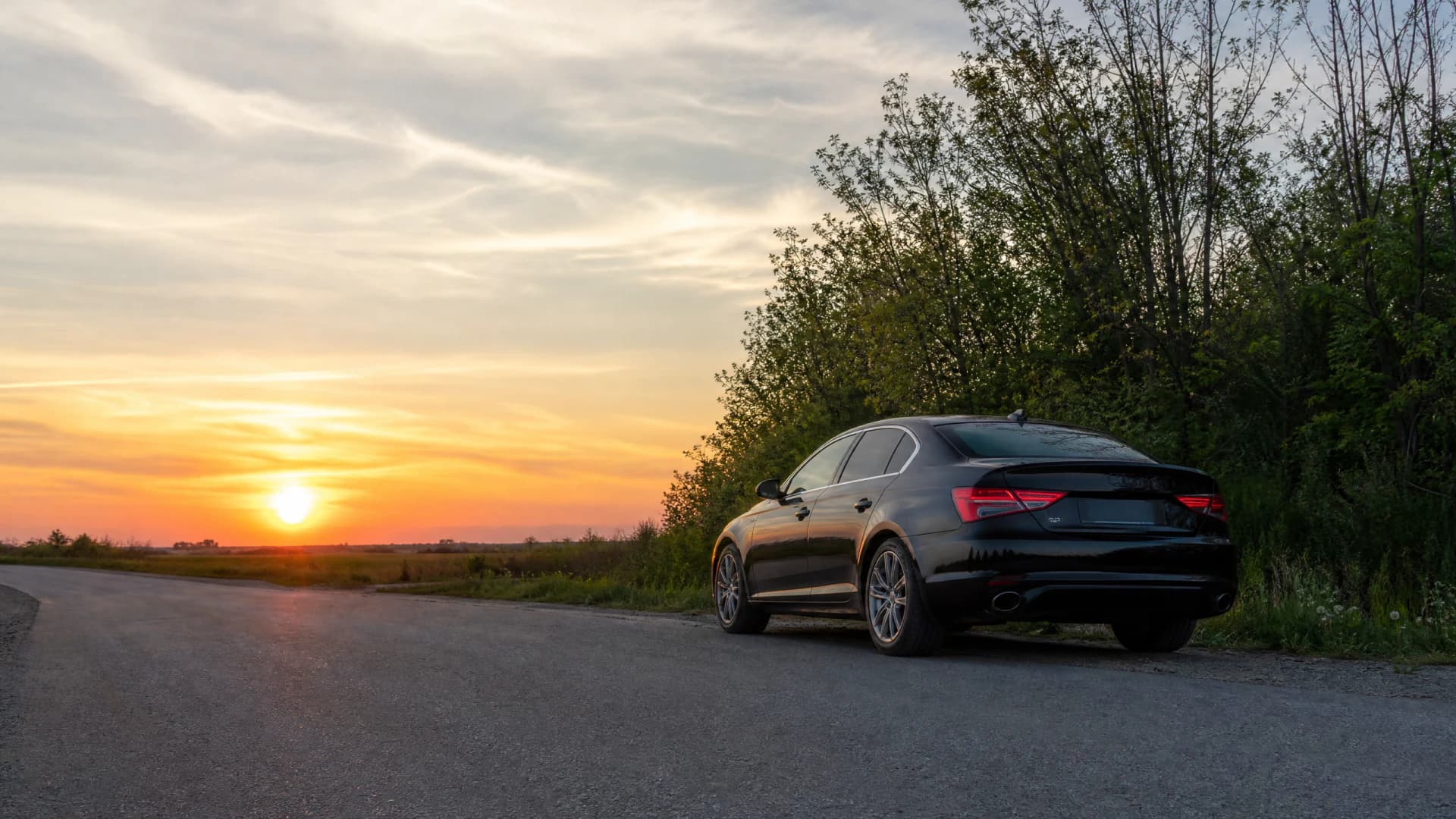
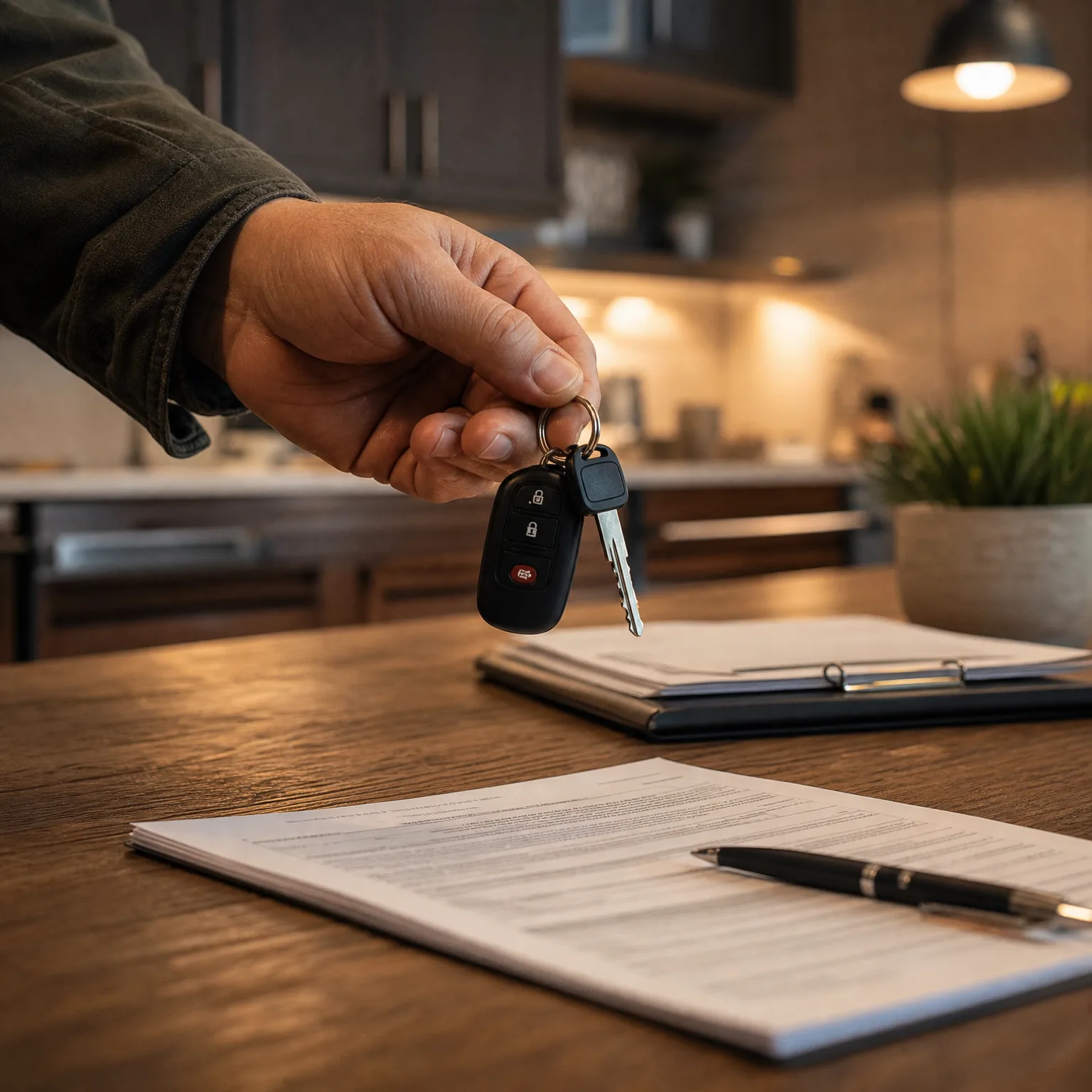
Most non-standard carriers writing non-owner SR-22 in Colorado require proof you own zero vehicles before they'll quote — title search, signed affidavit, or DMV registration query.
Related Articles

Non-Owner SR-22 in Colorado After Suspension
5/19/2026
Colorado Non-Owner SR-22: Cost, Carriers, Filing Path
5/19/2026

Colorado Non-Owner SR-22 vs Owner SR-22 Cost Comparison
5/19/2026

Non-Owner SR-22 Eligibility in Colorado: Who Qualifies
5/19/2026

Colorado Non-Owner SR-22 Cost: Carless Filer Rates
5/19/2026

Non-Owner to Owner SR-22 Conversion in Colorado
5/19/2026
How to Get Non-Owner SR-22 in Colorado
Start with non-standard carriers that specialize in SR-22 filings. Progressive, Geico, Dairyland, The General, Bristol West, and National General all write non-owner SR-22 in Colorado. Standard-tier carriers (State Farm, Allstate, USAA) write non-owner policies but many require clean records or refuse SR-22 filings on non-owner products entirely. Non-standard carriers expect the filing requirement and quote accordingly.
The application process differs from standard auto insurance. The carrier will ask why you need SR-22, what triggered the suspension (DUI, uninsured driving, points accumulation, other), your driver license number, and proof that you do not currently own a vehicle. Proof requirements vary: some carriers accept a signed affidavit, some require a Colorado DMV registration record showing zero vehicles, some run a national title database query. If the carrier finds a vehicle titled to you anywhere in the country, they'll decline the non-owner application and require you to insure that vehicle under a standard owner policy.
Once approved, the carrier files Form SR-22 electronically with Colorado DMV, typically within 24-72 hours of policy activation. Colorado's electronic insurance verification system receives the filing and updates your driver record. You receive a paper SR-22 certificate by mail for your records. Reinstatement processing begins only after DMV confirms SR-22 on file, all reinstatement fees are paid, and any required course completions or ignition interlock installations (for DUI cases) are verified.
For DUI-related suspensions in Colorado, early reinstatement via ignition interlock is available under C.R.S. § 42-2-132.5. If you opt into the Early Reinstatement / Probationary License program, you must install an approved ignition interlock device in any vehicle you drive — including borrowed vehicles. This complicates non-owner SR-22 significantly: you cannot drive someone else's car unless they allow IID installation, which most private vehicle owners refuse. The practical result is that DUI filers seeking early reinstatement typically need to acquire a vehicle and convert to owner SR-22 to make IID-restricted driving viable.
$55–$95/month
Colorado Non-Owner SR-22 Premium
Non-owner SR-22 premiums in Colorado typically range $55–$95/month for uninsured-motorist suspension triggers and $75–$140/month for DUI-related filings, compared to $140–$190/month for owner SR-22 policies with the same filing requirement. Estimates based on available industry data; individual rates vary by driving history, age, county, and carrier.

What Happens If You Get a Vehicle During Filing
Non-owner SR-22 policies explicitly exclude coverage for vehicles you own. If you buy, lease, or are gifted a vehicle while your Colorado SR-22 filing requirement is still active, you must convert to a standard owner policy immediately. The non-owner policy will not cover the newly acquired vehicle from the moment title transfers to your name.
Notify your carrier the day you take ownership. Most carriers will convert the non-owner policy to an owner policy on the same SR-22 filing, preserving continuity and avoiding a lapse. If you switch carriers instead, the new carrier must file a replacement SR-22 and the old carrier must file an SR-26 cancellation notice. Any gap between cancellation and replacement filing — even one day — triggers Colorado DMV re-suspension and restarts the filing period from zero. Conversion within the same carrier avoids this risk.
Compare Non-Owner SR-22 Carriers in Colorado
Non-owner SR-22 premiums vary sharply by carrier, suspension cause, age, and county. A 32-year-old Denver driver suspended for uninsured driving may pay $65/month with one carrier and $110/month with another for identical coverage. DUI filings add 30-50% to base non-owner premiums at most carriers. Colorado Springs and Aurora drivers often see slightly lower rates than Denver metro due to density and claims frequency differences.
Request quotes from at least three non-standard carriers. Progressive and Geico offer online non-owner SR-22 quotes in Colorado; Dairyland, Bristol West, The General, and National General typically require phone or agent contact. Verify the carrier files SR-22 electronically with Colorado DMV — a few smaller regional carriers still use paper filing, which delays reinstatement by 7-14 days. Ask about payment plans: most non-standard carriers allow monthly payment but charge installment fees of $5-$10 per month on top of the base premium. Paying six months upfront eliminates the fee but requires more cash at activation.
What Non-Owner SR-22 Covers in Colorado
The policy provides liability coverage at or above Colorado's minimum requirements: $25,000 bodily injury per person, $50,000 bodily injury per accident, and $15,000 property damage. You are covered when driving a vehicle you do not own with the owner's permission — borrowed friend's car, rental vehicle, employer's vehicle for personal errands (some carriers exclude business use). The policy responds if you cause an accident and the vehicle owner's insurance denies or provides insufficient coverage.
What non-owner SR-22 does NOT cover: any vehicle titled or registered to you, vehicles you use regularly without ownership (excluded as 'regular use' under most non-owner policies), vehicles owned by household members if you live with them (most carriers treat household vehicles as owned), comprehensive or collision damage to the vehicle you're driving, uninsured motorist coverage in most cases (optional add-on with some carriers), and rideshare or delivery driving (requires commercial coverage). If you acquire a vehicle mid-filing, the non-owner policy will not cover it — you must convert to owner SR-22 immediately or face an uncovered lapse.
Get Your Free Quote
Get My Non-Owner SR-22 QuoteFrequently Asked Questions
Does Colorado accept non-owner SR-22 for license reinstatement after suspension?
Yes. Colorado Division of Motor Vehicles does not distinguish between owner and non-owner SR-22 filings for reinstatement purposes. Both satisfy the proof-of-financial-responsibility requirement under C.R.S. § 42-2-132. When a carrier files Form SR-22 electronically, it appears in your driver record the same way regardless of policy type.
How much does non-owner SR-22 cost in Colorado?
Non-owner SR-22 premiums in Colorado typically range $55–$95/month for uninsured-motorist suspensions and $75–$140/month for DUI-related filings. Owner SR-22 policies with the same filing requirement cost $140–$190/month on average. Rates vary by age, county, driving history, and carrier.
What happens if I buy a car while my non-owner SR-22 is active in Colorado?
Non-owner SR-22 policies exclude coverage for vehicles you own. You must convert to a standard owner policy immediately when you acquire a vehicle. Most carriers will convert the policy and preserve SR-22 filing continuity. Any lapse between cancellation and replacement filing triggers Colorado DMV re-suspension and restarts the filing period from zero.
Can I get non-owner SR-22 in Colorado after a DUI suspension?
Yes, but DUI-related early reinstatement in Colorado requires ignition interlock device installation under C.R.S. § 42-2-132.5. You cannot drive a borrowed vehicle unless the owner allows IID installation, which most private owners refuse. DUI filers seeking early reinstatement typically need to acquire a vehicle and convert to owner SR-22 to make IID-restricted driving viable.
Which carriers write non-owner SR-22 in Colorado?
Progressive, Geico, Dairyland, The General, Bristol West, and National General all write non-owner SR-22 policies in Colorado. Most quote by phone or through agents. Progressive and Geico offer online non-owner SR-22 quotes. Verify the carrier files electronically with Colorado DMV to avoid 7-14 day paper-filing delays.
How long does Colorado require SR-22 filing after suspension?
Colorado typically requires SR-22 filing for 3 years for DUI-related suspensions and insurance-related violations. The filing period is measured from the conviction or suspension date. Letting the policy lapse during the required period triggers automatic re-suspension and restarts the filing clock from zero.