
Non-Owner SR-22 With Wisconsin's Occupational License
Get My Non-Owner SR-22 QuoteWisconsin's Court-Petition Occupational License Demands SR-22 Before the Hearing
You lost your license after an OWI or uninsured driving suspension. You need to get to work, and Wisconsin offers an occupational license to let you drive during the revocation period. You call the courthouse to schedule your petition hearing — and the clerk tells you that you cannot file the petition until you provide proof of SR-22 insurance. You do not own a car. Most drivers freeze here, assuming SR-22 requires vehicle ownership. It does not.
Wisconsin administers occupational licenses through circuit court petition under Wis. Stat. § 343.10. The statute requires proof of financial responsibility — SR-22 filing — before the court will consider your petition. Non-owner SR-22 satisfies this requirement. It provides liability coverage when you drive someone else's vehicle with permission, and the carrier files Form SR-22 with WisDOT on your behalf. The court receives proof of filing, you attend the hearing, and if approved you take the order to the DMV to receive the physical occupational license document.
“Wisconsin courts will not accept your occupational license petition until SR-22 proof is filed — non-owner SR-22 satisfies that requirement without vehicle ownership.”

Cover Your Filing Before You Own a Car Again
Get My Non-Owner SR-22 QuoteBefore petition filed
Wisconsin SR-22 Timing Requirement
Wis. Stat. § 343.10 requires proof of financial responsibility before the court accepts an occupational license petition. You must obtain SR-22 coverage, receive the filing confirmation from your carrier, and submit it with your petition paperwork. Attempting to petition without SR-22 in place results in immediate rejection.
Wis. Stat. § 343.10
Non-Owner SR-22 Satisfies Wisconsin's Financial Responsibility Requirement
Non-owner SR-22 is a liability-only insurance policy issued to drivers who do not own a vehicle. It provides bodily injury and property damage coverage when you drive a borrowed or rented vehicle. In Wisconsin, it meets the state's minimum liability requirements: $25,000 per person for bodily injury, $50,000 per accident for bodily injury, and $10,000 for property damage. The carrier files Form SR-22 electronically with WisDOT, and that filing satisfies the financial responsibility proof requirement for your occupational license petition.
The policy does not cover any vehicle you own. If you acquire a vehicle during the occupational license period — through purchase, gift, or inheritance — you must convert to a standard owner SR-22 policy immediately. Driving an owned vehicle on a non-owner policy voids coverage. Most carriers will not process the conversion until you call and provide the vehicle's VIN and title information. Failing to convert triggers a lapse notification to WisDOT, which revokes your occupational license and extends your suspension period.
Non-owner SR-22 premiums in Wisconsin typically range from $65 to $110 per month depending on the underlying violation. OWI-related suspensions fall at the higher end of that range; uninsured driving suspensions fall at the lower end. The $60 WisDOT reinstatement fee is separate and paid to the DMV after your full suspension period ends, not at occupational license issuance.
Wisconsin's two-step OL process — court order first, then DMV issuance — means you must maintain continuous SR-22 coverage from petition filing through the entire occupational license period or WisDOT revokes driving privileges immediately.
Related Articles
Wisconsin Non-Owner SR-22: Court Path & Premium Range
5/19/2026

WI Non-Owner SR-22 vs Owner: When Non-Owner Fits
5/19/2026

WI Non-Owner SR-22 vs Owner SR-22: Cost Comparison
5/19/2026
Wisconsin Non-Owner to Owner SR-22 Conversion Guide
5/19/2026
WI Non-Owner SR-22 Cost by Cause: OWI vs Uninsured
5/19/2026
Wisconsin Non-Owner SR-22 by Cause: DUI, Uninsured, More
5/19/2026

Wisconsin's Court-Defined Driving Restrictions and Ignition Interlock Requirement
Wisconsin circuit courts have full discretion to define the occupational license terms. The judge sets your permitted driving hours, purposes, and routes in the court order. Wis. Stat. § 343.10 limits occupational driving to essential activities: work, school, medical appointments, church, and alcohol or drug treatment programs. The statute caps driving time at 12 hours per day and 60 hours per week maximum. Most judges set narrower windows tailored to your documented need — for example, 6:00 AM to 6:00 PM Monday through Friday for work commute only.
OWI-related suspensions trigger mandatory ignition interlock device installation under Wis. Stat. § 343.301. You must install an IID in any vehicle you operate under the occupational license, including borrowed vehicles. If you rely on a family member's car, that vehicle requires IID installation for the duration of your occupational license period. IID vendors charge $75–$100 for installation and $70–$90 per month for monitoring and calibration. The family member or vehicle owner must consent to installation, and you are responsible for all IID costs.
Violating any restriction in your court order — driving outside permitted hours, driving for unauthorized purposes, or operating a vehicle without IID when required — results in immediate occupational license revocation. Wisconsin courts treat violations as contempt, which can add jail time and extend your underlying suspension period. WisDOT receives violation reports from IID vendors and law enforcement electronically. Most violations trigger revocation within 48 hours of the incident.
30–90 days
Wisconsin OWI Hard Suspension Period
Wis. Stat. § 343.10(5)(b) imposes a mandatory 30-day hard suspension before occupational license eligibility for first OWI offenses, and 90 days for second or subsequent OWI within 10 years. You cannot petition for an occupational license until this hard period expires. Non-OWI suspensions typically have no hard period.
Wis. Stat. § 343.10(5)(b)
What Non-Owner SR-22 Does Not Cover in Wisconsin
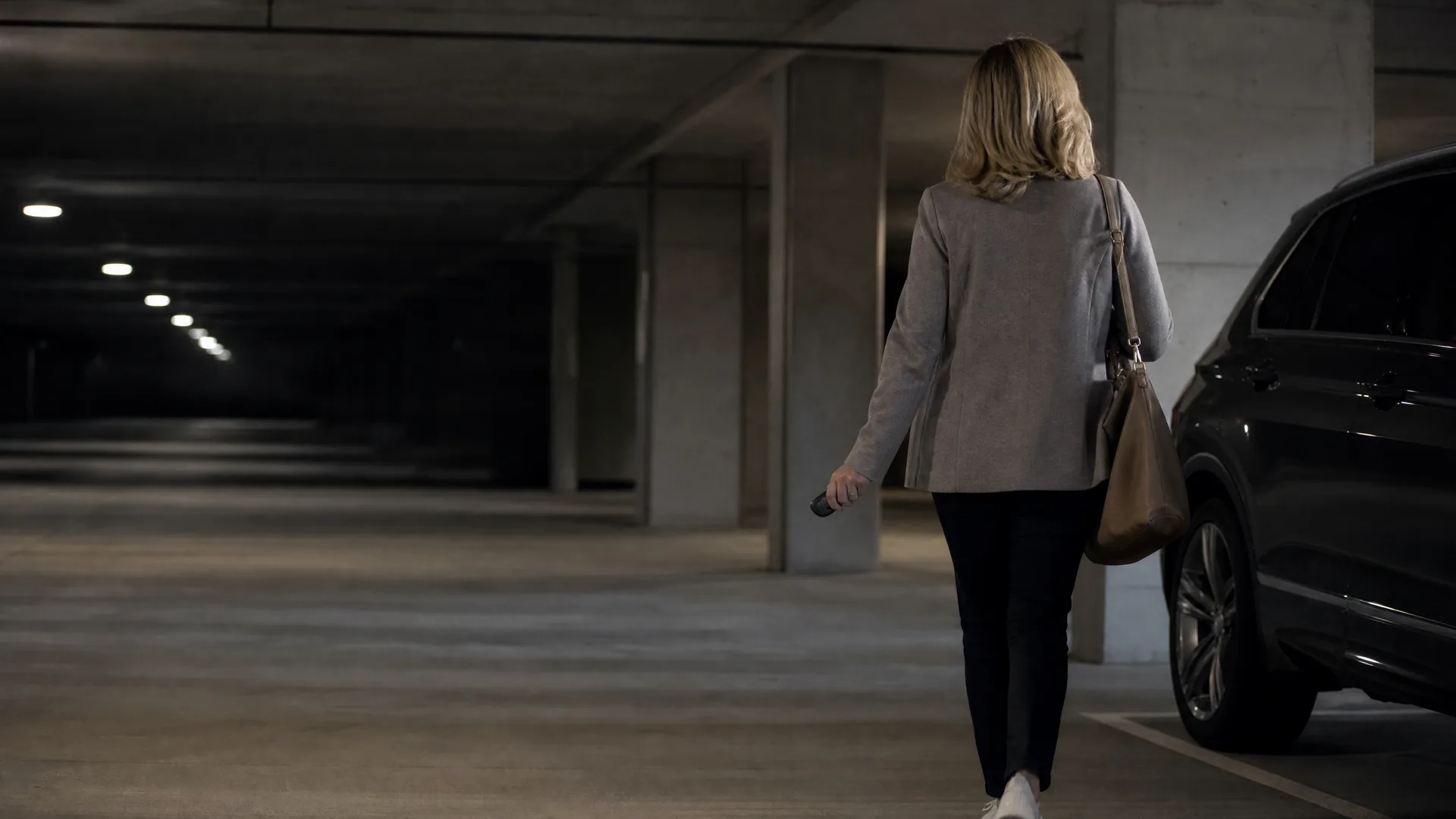
Non-owner SR-22 provides liability coverage only. It pays for injuries and property damage you cause to others while driving a borrowed or rented vehicle. It does not provide collision or comprehensive coverage. If you wreck the vehicle you are driving, non-owner SR-22 pays for the other party's damages but not for repairs to the vehicle you were operating. The vehicle owner's insurance is primary for physical damage to their own vehicle — your non-owner policy is excess liability only.
Non-owner SR-22 does not cover household members who drive your vehicles. It is individual coverage tied to you as the named insured. If you live with family members who own vehicles, your non-owner policy does not extend to them. They need their own coverage. Non-owner SR-22 also excludes vehicles furnished for your regular use. If your employer provides a company vehicle you drive daily, non-owner SR-22 does not cover that vehicle — your employer must add you to their commercial policy.
Filing and Maintaining Non-Owner SR-22 Through Your Occupational License Period
Wisconsin requires continuous SR-22 filing for the entire occupational license period and typically for 3 years following OWI-related reinstatements. The filing period clock starts from your conviction date, not your petition approval date. If your policy lapses for any reason — missed payment, carrier cancellation, voluntary cancellation — the carrier files Form SR-26 with WisDOT notifying the state of the lapse. WisDOT revokes your occupational license immediately and adds suspension time to your underlying revocation period.
Set up automatic payments with your carrier to avoid missed premium payments. Most non-owner SR-22 carriers offer monthly automatic bank draft or credit card billing. If you must cancel your policy for any reason, obtain replacement coverage before canceling the old policy. The new carrier must file SR-22 with WisDOT before the old carrier's cancellation takes effect, or you trigger a lapse notification. Wisconsin does not offer a grace period between carrier filings — the gap must be zero days.
When your occupational license period ends and you are eligible for full reinstatement, confirm with WisDOT that your SR-22 filing period has also ended before canceling coverage. Some drivers complete their occupational license term but still owe additional SR-22 filing months. Canceling prematurely restarts the filing clock. After full reinstatement with SR-22 obligation satisfied, you can cancel non-owner SR-22 and either remain uninsured (if you still do not own a vehicle) or purchase standard owner coverage if you acquire a vehicle.
Get Non-Owner SR-22 Coverage and Start Your Wisconsin Occupational License Petition
Wisconsin's court-petition occupational license path opens once you secure SR-22 filing. Non-owner SR-22 removes the vehicle-ownership barrier and costs 30–60% less than owner SR-22 policies. Compare non-owner SR-22 carriers writing in Wisconsin, request expedited filing, and obtain your confirmation letter within 1–3 business days. Submit your petition packet to your county circuit court with SR-22 proof included, attend your hearing, and take the approved court order to WisDOT to receive your physical occupational license document.
Wisconsin Occupational License Petition Process With Non-Owner SR-22
First, obtain non-owner SR-22 coverage from a carrier licensed in Wisconsin. Carriers writing non-owner SR-22 in the state include Progressive, Geico, The General, Dairyland, Bristol West, and GAINSCO. Request expedited SR-22 filing when you purchase the policy. Most carriers file electronically with WisDOT within 1–3 business days. You will receive a confirmation letter or email showing the filing date and your policy number. Print this confirmation — the court requires it as part of your petition packet.
Second, prepare your petition documentation. Wisconsin courts require a completed occupational license petition form (available from the county clerk or circuit court website), proof of SR-22 filing, proof of employment or essential need (pay stub, employer letter on company letterhead, school enrollment verification, or medical appointment documentation), and the court filing fee. Filing fees vary by county but typically range from $150 to $200. Some counties require a separate background check fee. Contact your county circuit court clerk to confirm exact fee amounts and accepted payment methods before your hearing date.
Get Your Free Quote
Get My Non-Owner SR-22 QuoteFrequently Asked Questions
Can I get an occupational license in Wisconsin without owning a car?
Yes. Wisconsin occupational licenses require SR-22 filing but do not require vehicle ownership. Non-owner SR-22 provides liability coverage when you drive borrowed vehicles and satisfies the court's financial responsibility proof requirement for your petition.
How long does it take to get SR-22 filed in Wisconsin?
Most carriers file SR-22 electronically with WisDOT within 1–3 business days of policy purchase. You receive a confirmation letter showing the filing date and policy number, which you submit with your occupational license petition to the circuit court.
Does Wisconsin require ignition interlock for all occupational licenses?
No. Wis. Stat. § 343.301 requires ignition interlock only for OWI-related suspensions. Non-OWI suspensions — points accumulation, unpaid fines, uninsured driving — typically do not require IID installation unless the court orders it for other reasons.
What happens if my non-owner SR-22 lapses during my occupational license period in Wisconsin?
WisDOT revokes your occupational license immediately and adds suspension time to your underlying revocation period. The carrier files Form SR-26 notifying the state of the lapse, and revocation typically processes within 48 hours. You must obtain new SR-22 coverage and re-petition the court to restore driving privileges.
How much does non-owner SR-22 cost in Wisconsin?
Non-owner SR-22 premiums in Wisconsin typically range from $65 to $110 per month depending on the underlying violation. OWI-related suspensions fall at the higher end; uninsured driving suspensions fall at the lower end. The $60 WisDOT reinstatement fee is separate and paid after full suspension ends.
Can I drive any vehicle with a Wisconsin occupational license?
Only vehicles and purposes explicitly authorized in your court order. Wisconsin judges define permitted driving hours, routes, and purposes — typically work, school, medical appointments, church, and treatment programs. Driving outside these restrictions revokes your occupational license immediately.
Do I need a lawyer to petition for an occupational license in Wisconsin?
No, but court procedures vary by county and petition errors delay hearings by 2–4 weeks. Many drivers hire attorneys to prepare petition documentation and represent them at the hearing. Costs typically range from $500 to $1,200 depending on case complexity.