Non-Owner SR-22 With a Restricted License — California
Get My Non-Owner SR-22 QuoteThe DMV Approval Window Most Carless Drivers Miss
You completed your DUI program enrollment. You installed the ignition interlock device. You submitted your restricted license application to the California DMV. Then you received the denial letter stating your SR-22 filing requirement was not satisfied. You don't own a vehicle — the car was impounded after the arrest or sold during the suspension period. You assumed SR-22 applied only to vehicle owners. The DMV does not care whether you own a vehicle. California Vehicle Code Section 16070 requires proof of financial responsibility via SR-22 filing for three years following most DUI-related suspensions, and that filing must be active before the DMV approves your restricted license application.
Non-owner SR-22 is the product that closes this gap. It provides liability coverage when you drive someone else's vehicle with permission, and it triggers the SR-22 certificate filing with the DMV on your behalf. California carriers write non-owner SR-22 policies specifically for drivers without registered vehicles. Monthly premiums typically run $65–$110 depending on your county, violation details, and the carrier's underwriting tier. The policy satisfies California's SR-22 mandate without requiring you to own, register, or insure a specific vehicle. Most carless drivers reach this article after stalling reinstatement for weeks because no one explained this pathway exists.
“California DMV will not approve your restricted license until the SR-22 filing clears their system — file before you apply to avoid denial.”
Cover Your Filing Before You Own a Car Again
Get My Non-Owner SR-22 Quote3 years
California SR-22 Filing Period
California requires continuous SR-22 filing for three years from the date of reinstatement for most DUI-related suspensions under Vehicle Code Section 16070. Any lapse in coverage during that window triggers immediate re-suspension by the DMV.
California Vehicle Code Section 16070
What Non-Owner SR-22 Actually Covers in California
Non-owner SR-22 provides liability coverage when you drive a vehicle you do not own. The policy covers bodily injury and property damage you cause to others while driving a borrowed or rented vehicle with the owner's permission. California's minimum liability limits are $15,000 per person for bodily injury, $30,000 per accident for bodily injury, and $5,000 for property damage. Non-owner policies meet these minimums and trigger the SR-22 filing requirement simultaneously.
The policy does NOT cover damage to the vehicle you are driving — that responsibility falls to the vehicle owner's comprehensive and collision coverage. It does NOT cover you when driving a vehicle you own, lease, or have regular access to. If you acquire a vehicle during the three-year SR-22 filing period, you must convert to a standard owner policy with SR-22 endorsement or your coverage will not respond. Most carriers allow mid-term conversion, but you must initiate the change within 30 days of acquiring the vehicle to avoid a coverage gap.
Non-owner SR-22 costs 30–60% less than owner SR-22 because there is no vehicle-specific comprehensive or collision risk. California carless drivers with clean records beyond the triggering violation typically pay $65–$85 per month. Drivers with multiple violations or prior lapses pay $85–$110 per month. Those premiums hold for the full three-year filing period assuming continuous coverage with no additional violations.
California DMV will not approve your restricted license application until the SR-22 filing appears in their Electronic Financial Responsibility system — typically 1–3 business days after carrier submission.
Related Articles
Lowest Non-Owner SR-22 Rates California
5/29/2026
CA Non-Owner SR-22 Cost: $40–$85/Mo for Carless Filers
5/19/2026

CA Non-Owner SR-22 Reinstatement Fees
5/29/2026
CA Non-Owner SR-22 for Suspended License | No Car Required
5/19/2026
File Non-Owner SR-22 in California Without a Vehicle
5/19/2026
CA Non-Owner SR-22 Application Without a Vehicle
5/19/2026
What Happens When You Acquire a Vehicle Mid-Filing
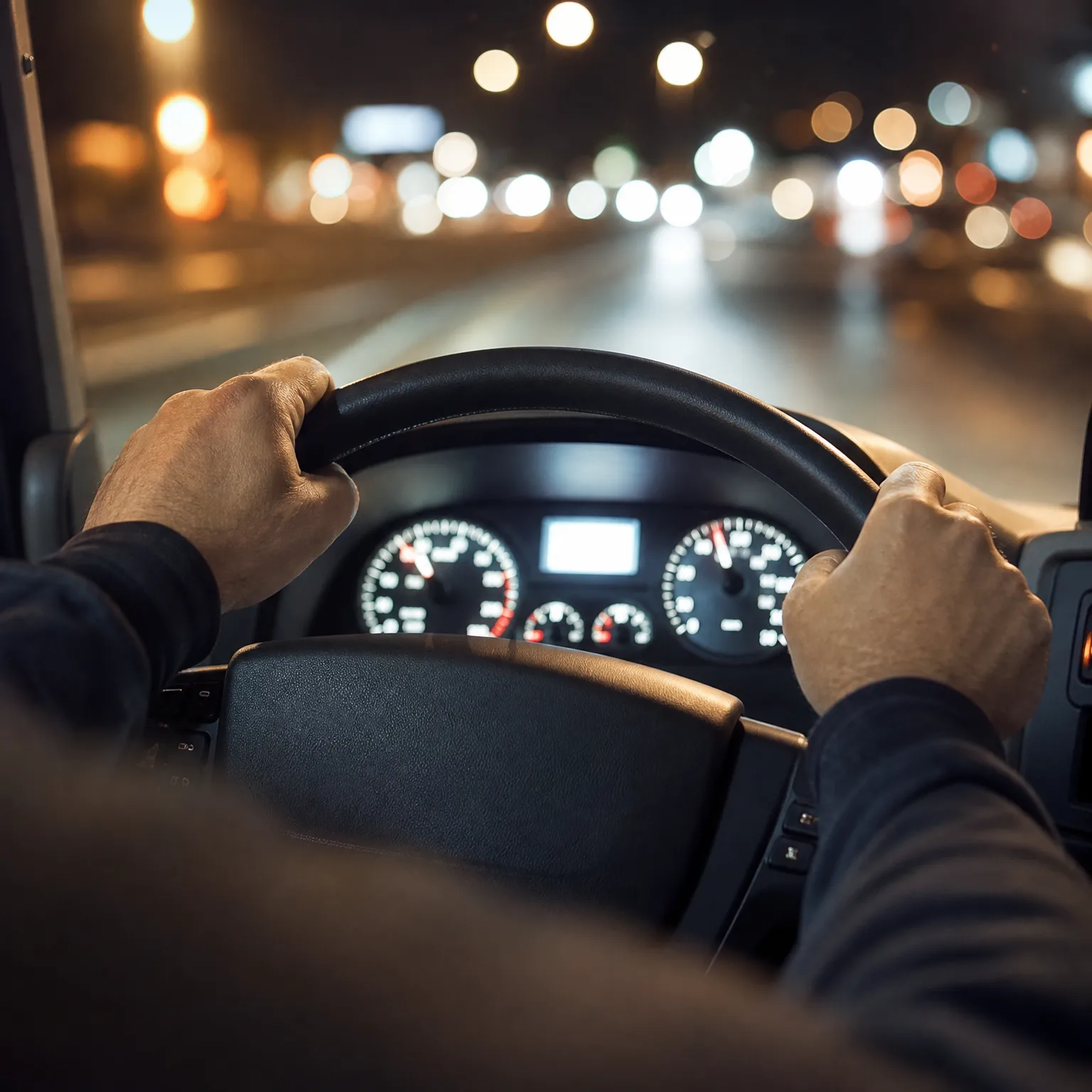
California treats non-owner SR-22 as valid only while you remain carless. The moment you purchase, lease, or register a vehicle in your name, the non-owner policy no longer covers that vehicle. You must convert to a standard owner policy with SR-22 endorsement within 30 days of acquisition. Most carriers allow mid-term conversion without penalty if you notify them immediately.
Failure to convert creates two problems. First, your liability coverage will not respond if you cause an accident while driving your newly acquired vehicle — the non-owner exclusion applies. Second, if the DMV discovers you registered a vehicle while holding only non-owner SR-22, they may treat the coverage as insufficient and re-suspend your license for failure to maintain proper financial responsibility. The three-year SR-22 filing clock does not reset when you convert from non-owner to owner coverage, but the lapse in proper coverage can trigger a new suspension cycle.
If a family member gifts you a vehicle or you inherit one during the filing period, the same conversion rule applies. The vehicle does not need to be titled in your name at the time of acquisition for the conversion requirement to trigger — regular access to a household vehicle moves you out of non-owner eligibility under most carrier underwriting rules. Call your carrier the day you gain access to the vehicle and request the conversion. Most non-standard carriers writing non-owner SR-22 also write owner SR-22 and can process the endorsement change within 24 hours.
$65–$110/mo
California Non-Owner SR-22 Premium Range
California carless drivers with first-offense DUI suspensions typically pay $65–$85 per month for non-owner SR-22 coverage. Drivers with multiple violations, prior lapses, or negligent operator points pay $85–$110 per month. Estimates vary by county, age, and carrier underwriting tier.
Which Carriers Write Non-Owner SR-22 in California
California's non-standard market includes multiple carriers writing non-owner SR-22 policies for carless drivers with DUI suspensions. Progressive, Geico, The General, Dairyland, and Bristol West all underwrite non-owner SR-22 in California and file electronically with the DMV. State Farm writes non-owner SR-22 but typically reserves capacity for drivers with prior State Farm history. National General and Infinity write selectively depending on county and violation details.
Most carriers require payment in full for the first policy term — typically six months — before filing the SR-22 certificate with the DMV. A few carriers offer monthly payment plans with higher administrative fees. All carriers charge a one-time SR-22 filing fee separate from the premium, typically $15–$25 in California. That fee covers the carrier's cost of submitting the certificate to the DMV and maintaining the filing for the duration of the policy term. If you cancel the policy or allow it to lapse, the carrier files an SR-26 cancellation notice with the DMV, triggering immediate re-suspension.
File Before You Apply for the Restricted License
California DMV processing runs faster when the SR-22 filing reaches their system before you submit the restricted license application. Carriers file electronically through California's Electronic Financial Responsibility program. The DMV typically receives and processes the filing within 1–3 business days. If you apply for the restricted license before the SR-22 filing appears in the DMV system, your application will be denied and you will need to resubmit after the filing clears. The $125 reissue fee is non-refundable.
Most carless drivers save time by purchasing non-owner SR-22 coverage during the 30-day hard suspension period (traditional path) or immediately upon arrest (AB 91 IID path). Confirm with your carrier that they have filed the SR-22 electronically with the DMV before you submit your restricted license paperwork. Some carriers provide a filing confirmation number you can reference in your DMV application. Others send a copy of the filed SR-22 certificate directly to you. Keep that certificate — you will need it if the DMV requests proof of filing during processing. Compare non-owner SR-22 carriers writing in your California county and file early to avoid approval delays.
How California's Restricted License Timeline Works
Under the traditional path, first-offense DUI triggers a 30-day hard suspension period during which no driving is permitted. After 30 days, you become eligible for a restricted license if you enroll in a state-approved DUI program, install an ignition interlock device, pay the $125 reissue fee, and maintain active SR-22 filing. Most carless drivers file for non-owner SR-22 during the hard suspension period so the DMV receives the certificate by day 30. Processing typically takes 1–3 business days from carrier submission to DMV confirmation.
Under California's AB 91 IID program (enacted January 1, 2019), first-offense DUI drivers may bypass the 30-day hard suspension entirely by installing an ignition interlock device immediately and obtaining a restricted license on day one. This pathway still requires SR-22 filing before DMV approval. Carless drivers often stall here because they assume IID installation alone satisfies the reinstatement requirements. It does not. You must have active non-owner SR-22 coverage filed with the DMV before they will approve the restricted license application, regardless of IID installation timing.
Get Your Free Quote
Get My Non-Owner SR-22 QuoteFrequently Asked Questions
Can I get a California restricted license without owning a car?
Yes. California allows carless drivers to satisfy the SR-22 filing requirement with a non-owner SR-22 policy. The policy provides liability coverage when you drive someone else's vehicle with permission and triggers the required SR-22 certificate filing with the DMV. You do not need to own, lease, or register a vehicle to obtain a restricted license.
How much does non-owner SR-22 cost in California per month?
California non-owner SR-22 premiums typically run $65–$110 per month depending on your county, violation details, and the carrier's underwriting tier. Drivers with first-offense DUI suspensions and otherwise clean records pay $65–$85 per month. Drivers with multiple violations or prior lapses pay $85–$110 per month. Most carriers also charge a one-time $15–$25 SR-22 filing fee.
How long does California require SR-22 filing after a DUI?
California requires continuous SR-22 filing for three years from the date of reinstatement for most DUI-related suspensions under Vehicle Code Section 16070. Any lapse in coverage during that three-year period triggers immediate re-suspension by the DMV. The filing period does not reset if you convert from non-owner to owner SR-22 coverage mid-term.
What happens if I buy a car while holding non-owner SR-22 in California?
You must convert to a standard owner policy with SR-22 endorsement within 30 days of acquiring the vehicle. Non-owner SR-22 does not cover vehicles you own, lease, or have regular access to. Failure to convert can result in denied claims and potential re-suspension if the DMV discovers you registered a vehicle while holding only non-owner coverage. Most carriers allow mid-term conversion without penalty if you notify them immediately.
Does California's ignition interlock device requirement apply to non-owner policies?
California requires ignition interlock device installation for DUI-related restricted licenses under Vehicle Code Section 13353.7, but the IID mandate applies to the vehicle you drive, not the insurance policy. Non-owner SR-22 provides liability coverage when you drive someone else's vehicle with permission. If that vehicle is required to have an IID installed under your restricted license terms, you must ensure the IID is installed before driving it.