
Non-Owner SR-22 for Borrowed Vehicles — Texas
Get My Non-Owner SR-22 QuoteNon-Owner SR-22 Covers Borrowed Driving, Not Vehicle Ownership
You're suspended in Texas after a DUI, uninsured driving citation, or habitual points accumulation. Your car was impounded, sold during the suspension period, or you never owned one to begin with. You drive a borrowed vehicle occasionally — a roommate's truck, a family member's sedan, a partner's car — and you need SR-22 filing to reinstate your Texas driver license. You're not sure whether non-owner SR-22 actually covers you while driving those borrowed vehicles, or if it's just a compliance filing that satisfies the Texas Department of Public Safety without providing real insurance.
The structural reality: non-owner SR-22 provides liability coverage when you drive a vehicle you don't own, with the owner's permission, during the act of driving. It does NOT cover vehicles you own, title, or register — even briefly. It satisfies the Texas DPS SR-22 filing requirement for reinstatement. The policy covers borrowed-vehicle liability exposure; the SR-22 filing attached to it satisfies your reinstatement mandate. Both functions operate simultaneously, but they serve different purposes and have different triggers.
“The moment you acquire title to any vehicle during the SR-22 filing period, your non-owner policy stops covering you — conversion to owner SR-22 is mandatory, not optional.”

Cover Your Filing Before You Own a Car Again
Get My Non-Owner SR-22 Quote$45–$95/mo
Texas Non-Owner SR-22 Premium
Non-owner SR-22 policies in Texas typically cost 40–60% less than owner SR-22 because there's no comprehensive or collision coverage and no specific vehicle to insure. DUI-triggered filings pay $75–$95/month; uninsured-driving suspensions pay $45–$75/month with the same carriers.
Carrier rate estimates for Texas non-standard market, 2025
What Non-Owner SR-22 Actually Covers in Borrowed-Vehicle Scenarios
Non-owner SR-22 provides liability coverage when you drive someone else's vehicle with permission. The policy pays for bodily injury and property damage you cause to third parties during an at-fault accident. Texas minimum liability limits are $30,000 per person injured, $60,000 per accident for bodily injury, and $25,000 for property damage. Your non-owner policy covers you at these minimums or higher if you purchase excess limits.
The coverage applies only while you're actually driving. It does NOT cover the vehicle itself when parked, when titled or registered to you, or when driven by someone else. The vehicle owner's insurance is primary; your non-owner policy is secondary excess coverage if the owner's limits are exhausted. This secondary-coverage structure is critical: if you borrow a car whose owner has no insurance or a lapsed policy, your non-owner SR-22 becomes primary and covers the liability exposure up to your policy limits.
Non-owner SR-22 does NOT cover physical damage to the borrowed vehicle — no collision, no comprehensive. If you total the borrowed car, your non-owner policy pays nothing for repairs or replacement. The owner's collision coverage pays for vehicle damage, or the owner absorbs the loss if they carry liability-only coverage. You remain financially responsible to the vehicle owner for damage under common-law negligence principles, but your non-owner SR-22 policy will not pay that claim.
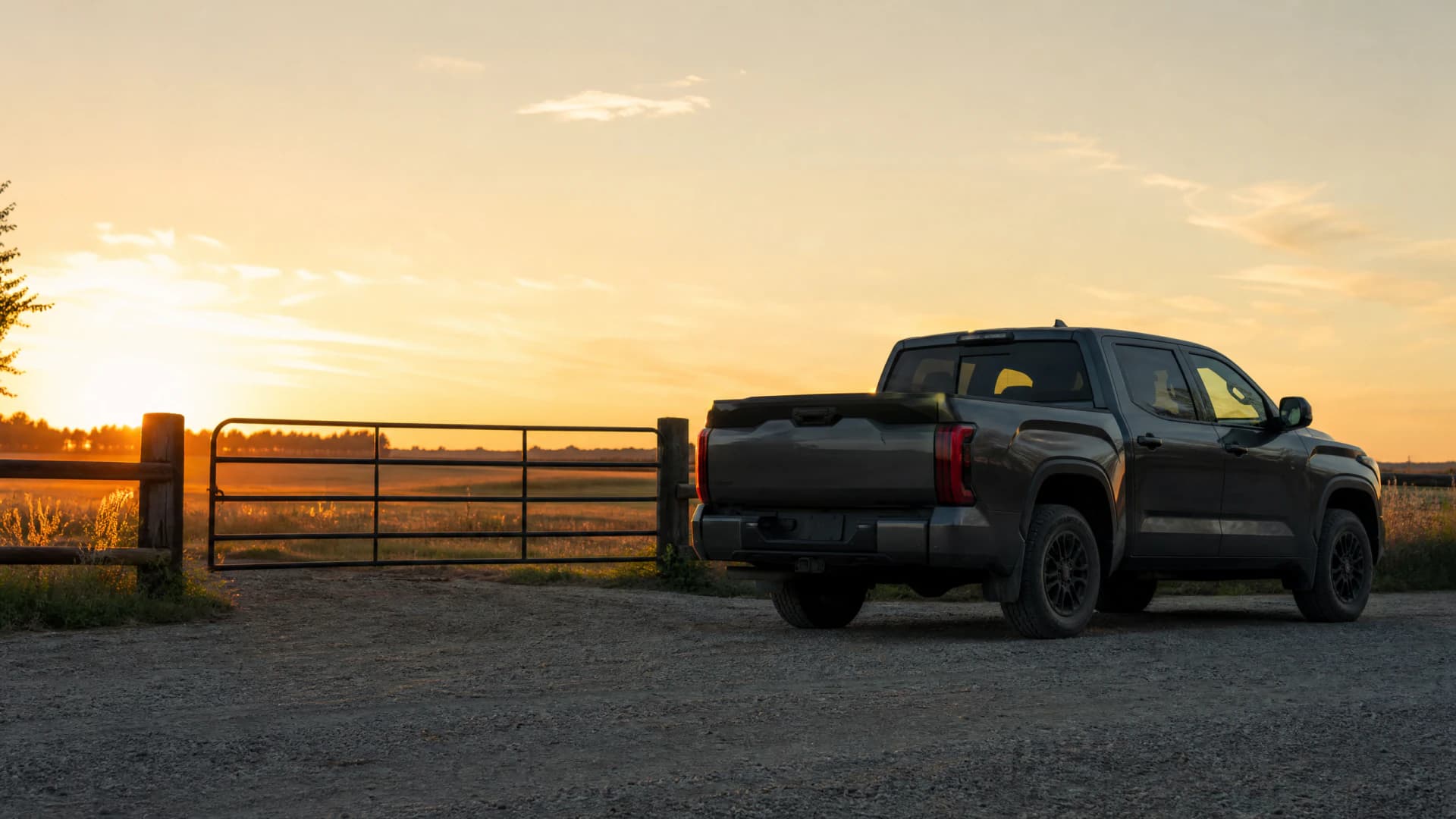
The moment you acquire title to any vehicle during the SR-22 filing period, your non-owner policy stops covering you — most carriers require immediate conversion to owner SR-22 or cancel the policy outright.
Related Articles
Texas Non-Owner SR-22: Filing Without a Vehicle
5/19/2026

Texas Non-Owner vs Owner SR-22: Cost & Coverage
5/19/2026

Texas Non-Owner SR-22 for License Reinstatement
5/19/2026

Texas Non-Owner SR-22 Cost: $30-$60/Mo Typical Range
5/19/2026

Texas Non-Owner SR-22 After DUI: Cost and Filing Period
5/19/2026
Non-Owner vs Owner SR-22 Cost Texas
5/29/2026

What Happens When You Acquire a Vehicle During the Filing Period
Texas law requires you to insure any vehicle you own, title, or register with an owner SR-22 policy — not a non-owner policy. The moment you purchase, inherit, or are gifted a vehicle and complete title transfer, your non-owner SR-22 becomes invalid for that vehicle. Most carriers will not provide coverage under the non-owner policy for a vehicle you own, even briefly.
You have three options when acquiring a vehicle mid-filing: convert your non-owner SR-22 policy to an owner SR-22 policy with the same carrier, purchase a separate owner SR-22 policy and cancel the non-owner policy, or stack both policies if you plan to continue driving borrowed vehicles in addition to your own. The first option is typically cleanest — call your carrier immediately when you acquire the vehicle, provide the VIN and title documentation, and the carrier converts the policy and files an amended SR-22 with Texas DPS reflecting the vehicle. Premium increases 60–120% because owner policies include comprehensive and collision exposure.
If you delay notifying your carrier and drive the newly acquired vehicle under your non-owner policy, you drive uninsured. Most non-owner policy exclusions explicitly bar coverage for vehicles the named insured owns or has regular access to. A claim during this window would be denied, Texas DPS would receive an SR-26 lapse filing, and your license would be re-suspended.
2 years
Texas SR-22 Filing Duration
Texas requires SR-22 filing for 2 years from reinstatement date for DWI and uninsured-driving suspensions under Texas Transportation Code §601.153. Habitual offender suspensions may carry longer filing periods depending on violation count and court orders. The filing period runs continuously — any lapse restarts the clock.
Texas Transportation Code §601.153
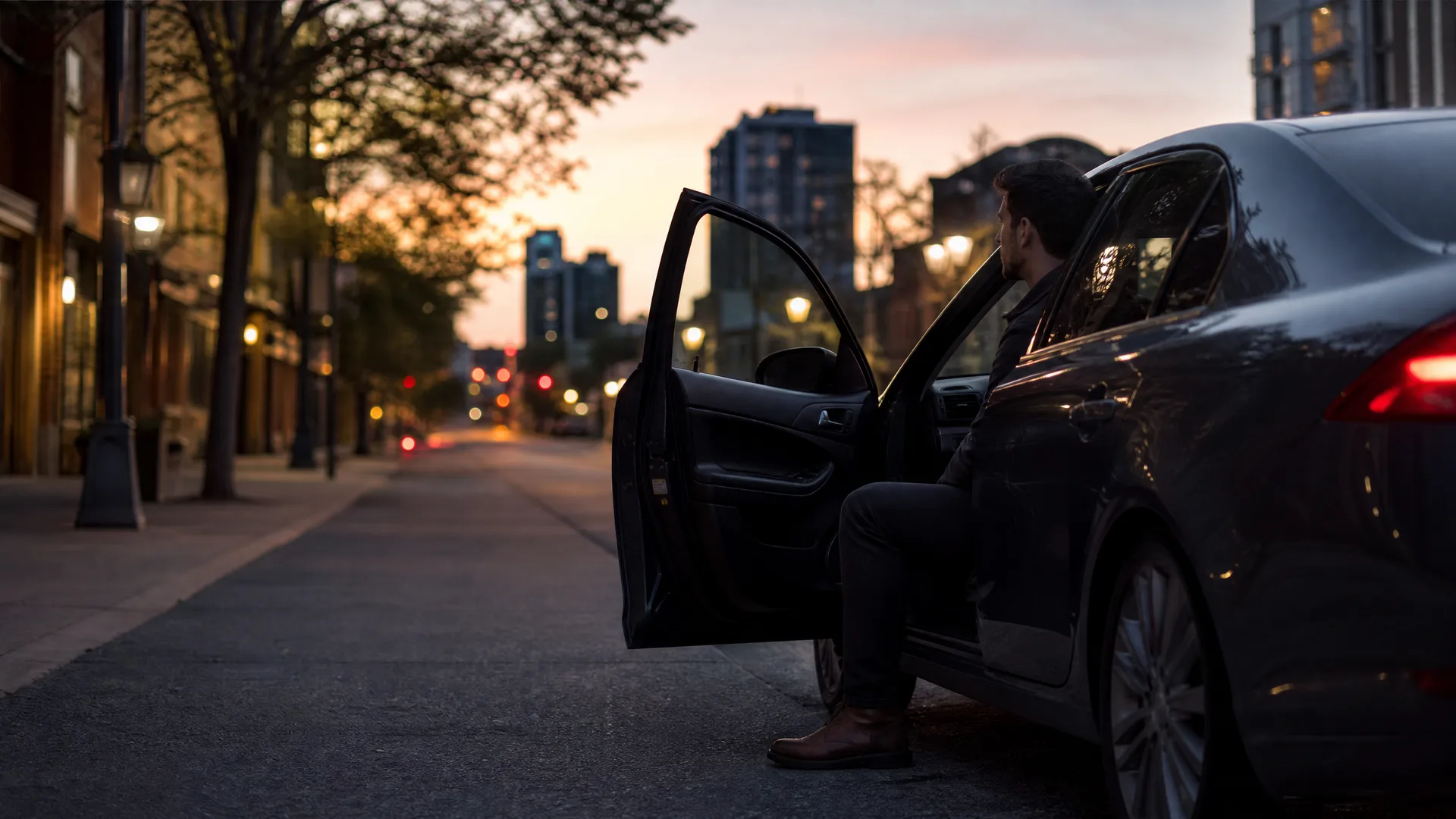
Non-Owner SR-22 Does Not Cover Household Vehicles or Regular-Use Cars
Texas non-owner SR-22 policies exclude coverage for vehicles you have regular access to, vehicles garaged at your address, and vehicles owned by household members when you are listed or should be listed on the household policy. If you live with a roommate, partner, or family member who owns a car you drive regularly, most carriers require you to be added as a named driver on that vehicle's owner policy — the non-owner SR-22 becomes secondary excess coverage at best, and many carriers exclude household vehicles entirely.
This household-vehicle exclusion creates a compliance trap: if you're suspended and living in a household with vehicles, you need to coordinate with the vehicle owner's insurance carrier to be added as a rated driver on their policy, then purchase a non-owner SR-22 separately to satisfy the DPS filing requirement. The two policies serve different purposes — the owner policy covers the household vehicle, the non-owner SR-22 satisfies your reinstatement filing and covers occasional borrowed driving outside the household.
Where to Buy Non-Owner SR-22 in Texas and What It Costs
GAINSCO, Dairyland, Progressive, The General, Bristol West, Direct Auto, USAA, and Geico all write non-owner SR-22 policies in Texas. GAINSCO and Dairyland specialize in high-risk non-standard coverage and typically offer the lowest premiums for DUI-triggered filings. Progressive and Geico write non-owner SR-22 for broader audiences including uninsured-driving and points-accumulation suspensions. Monthly premiums range from $45–$75 for uninsured-driving suspensions to $75–$95 for DUI-triggered filings, depending on age, county, and violation history.
Most carriers allow online quoting and binding for non-owner SR-22. You provide your Texas driver license number, suspension cause, required filing period, and the carrier files SR-22 electronically with DPS within 1–3 business days. Some carriers charge a one-time SR-22 filing fee of $15–$25 in addition to the premium. Compare quotes from at least three carriers — premium variance for identical coverage reaches 40% in the Texas non-standard market. Once you select a carrier and bind coverage, maintain continuous payment — a single missed premium triggers SR-26 lapse filing and immediate re-suspension by Texas DPS.
How the Texas DPS SR-22 Filing Requirement Works with Non-Owner Policies
You purchase a non-owner SR-22 policy from a licensed carrier writing non-standard auto insurance in Texas. GAINSCO, Dairyland, Progressive, The General, Geico, Bristol West, Direct Auto, and USAA all write non-owner SR-22 in Texas. The carrier files Form SR-22 electronically with Texas DPS on your behalf within 1–3 business days of policy binding. The filing confirms you carry continuous liability coverage meeting Texas minimums.
Texas DPS receives the electronic SR-22 filing and updates your driver license record to reflect active financial responsibility. This filing satisfies one of the reinstatement requirements — you still owe the $125 reinstatement fee, any court-ordered DWI education or ignition interlock compliance if applicable, and resolution of underlying violations. The SR-22 filing period in Texas is typically 2 years from reinstatement date for DWI and uninsured-driving suspensions. If your policy lapses or cancels during the filing period, the carrier files Form SR-26 notifying DPS of the lapse, and DPS re-suspends your license immediately.
Get Your Free Quote
Get My Non-Owner SR-22 QuoteFrequently Asked Questions
Does Texas non-owner SR-22 cover me when I borrow my roommate's car?
Yes, if your roommate's car is not garaged at your address and you don't have regular access to it. Non-owner SR-22 provides secondary liability coverage when you drive a borrowed vehicle with permission. If you live with the roommate and drive their car regularly, most carriers exclude household vehicles and require you to be added as a named driver on the roommate's owner policy instead.
How long does Texas DPS require SR-22 filing after a DUI suspension?
Texas requires SR-22 filing for 2 years from reinstatement date for DWI suspensions under Texas Transportation Code §601.153. The filing period runs continuously — if your policy lapses or cancels during the 2-year period, the carrier files SR-26 with DPS and your license is re-suspended immediately. The 2-year clock restarts from the new reinstatement date.
What happens if I buy a car while carrying non-owner SR-22 in Texas?
You must convert to an owner SR-22 policy immediately when you acquire title to any vehicle. Non-owner policies exclude coverage for vehicles you own, title, or register. Call your carrier the day you complete title transfer, provide the VIN, and the carrier converts the policy and files an amended SR-22 with Texas DPS. Premium increases 60–120% because owner policies include comprehensive and collision exposure.
Does non-owner SR-22 cover damage to the borrowed vehicle if I crash it?
No. Non-owner SR-22 provides liability coverage only — it pays for bodily injury and property damage you cause to third parties, not damage to the borrowed vehicle itself. The vehicle owner's collision coverage pays for vehicle damage, or the owner absorbs the loss if they carry liability-only coverage. You remain financially responsible to the owner under common-law negligence.
Can I get non-owner SR-22 in Texas if I have a DUI and no car?
Yes. GAINSCO, Dairyland, Progressive, The General, Bristol West, and Direct Auto all write non-owner SR-22 for DUI-triggered suspensions in Texas. Premiums range from $75–$95/month depending on age, county, and violation history. The carrier files Form SR-22 electronically with Texas DPS within 1–3 business days, satisfying the reinstatement filing requirement.
How much does non-owner SR-22 cost compared to owner SR-22 in Texas?
Non-owner SR-22 costs 40–60% less than owner SR-22 in Texas because there's no comprehensive or collision coverage and no specific vehicle to insure. Non-owner premiums range from $45–$95/month; owner SR-22 premiums for the same driver range from $140–$190/month. The savings reflect the narrower coverage scope — liability-only, borrowed vehicles, no physical damage.