
Non-Owner SR-22 Cost — Ohio
Get My Non-Owner SR-22 QuoteNon-Owner SR-22 Solves Filing Without a Vehicle
Your Ohio license was suspended after an OVI conviction, insurance lapse, or uninsured driving charge. The BMV requires SR-22 filing before reinstatement. Your car was impounded after the arrest, or you sold it during the suspension to cut costs, or you never owned one. You assume SR-22 requires a vehicle to insure — but non-owner SR-22 exists specifically for carless drivers and costs substantially less than owner policies.
Non-owner SR-22 is a liability-only policy that provides coverage when you drive someone else's vehicle with permission. The carrier files Form SR-22 with the Ohio BMV on your behalf, satisfying the filing requirement without a specific vehicle attached. Ohio drivers without vehicles pay $45–$95 per month for non-owner SR-22, compared to $140–$220 per month for standard owner policies covering collision and comprehensive. The product saves 40–60% because there is no physical vehicle to insure.
“Driving a vehicle you own on a non-owner policy is uninsured driving under Ohio law, triggering immediate re-suspension.”

Cover Your Filing Before You Own a Car Again
Get My Non-Owner SR-22 Quote$45–$95/month
Ohio Non-Owner SR-22 Premium
Cost reflects liability-only coverage with SR-22 filing for carless drivers. Owner SR-22 policies with vehicle coverage run $140–$220/month for the same filing period. Premiums vary by violation type — OVI filers typically pay higher rates than uninsured driving filers.
Carrier rate data for Ohio non-standard policies, 2025
How Non-Owner SR-22 Differs From Owner Policies
Non-owner SR-22 provides liability coverage only: bodily injury and property damage when you drive a borrowed vehicle. Ohio's minimum liability requirement is $25,000 per person, $50,000 per accident for bodily injury, and $25,000 for property damage. Non-owner policies meet these minimums and file SR-22 with the BMV electronically, typically within 1–3 business days of policy purchase.
Non-owner SR-22 does NOT cover any vehicle you own. If you acquire a car during the filing period — through purchase, gift, or title transfer — the non-owner policy stops covering you the moment title is registered in your name. You must convert to a standard owner SR-22 policy or stack coverage. Most carriers will not notify you of this requirement automatically. Driving a vehicle you own on a non-owner policy is uninsured driving under Ohio law, triggering a new suspension.
Non-owner SR-22 also does not cover rental vehicles in most cases. Rental companies require their own liability coverage or a credit card rider. If you plan to rent during your filing period, verify rental coverage separately. Non-owner policies cover borrowed vehicles only — family member's car, employer's vehicle with permission, or occasional-use situations where you are not the registered owner.
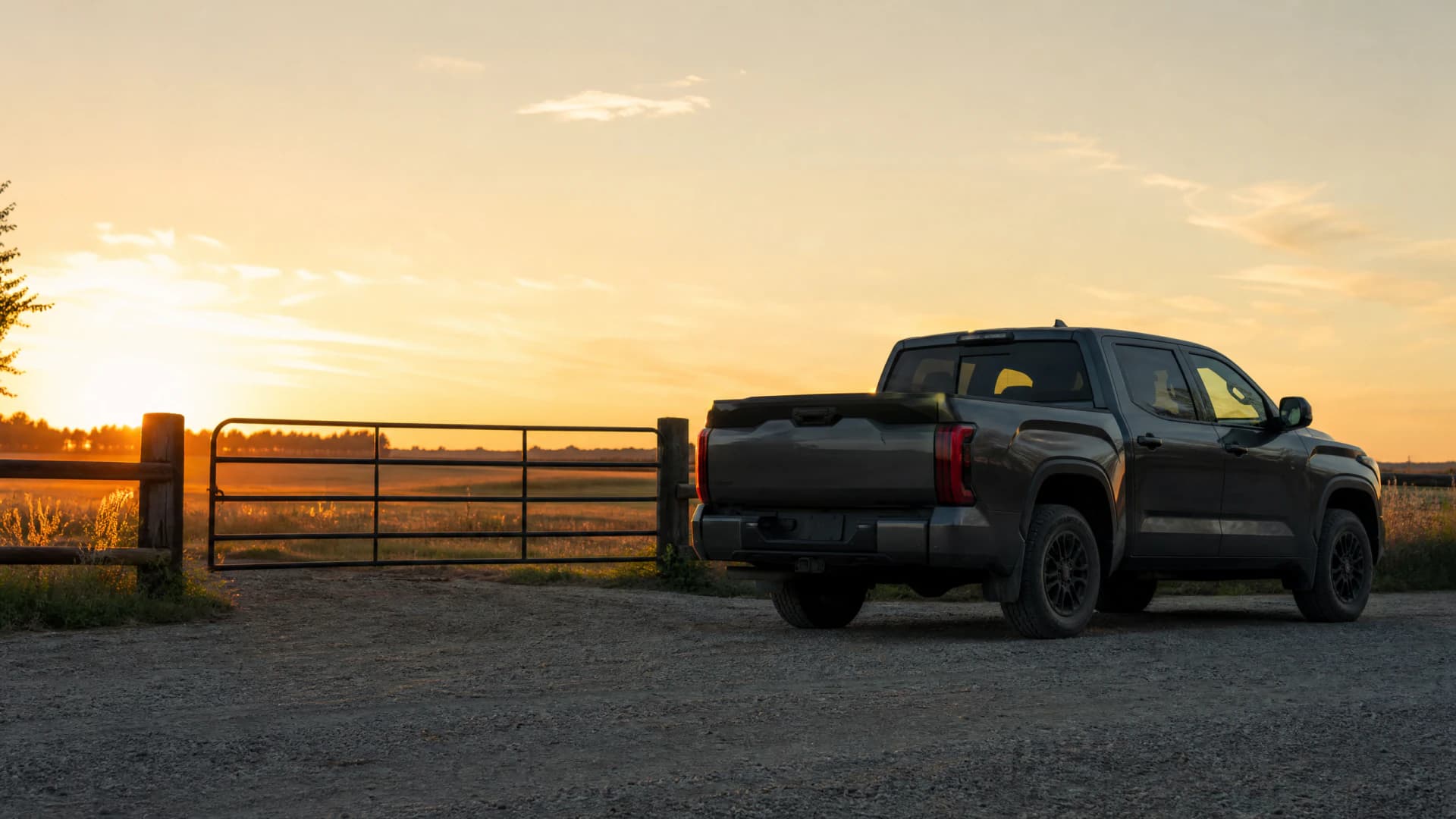
The moment you register a vehicle in your name, non-owner SR-22 becomes invalid. Conversion to owner SR-22 is required the same day or you're driving uninsured.
Related Articles

Cheapest Non-Owner SR-22 in Ohio
5/29/2026

Ohio Non-Owner SR-22 vs Owner: Cost & Coverage Differences
5/19/2026
Ohio Non-Owner SR-22: Filing Without a Vehicle
5/19/2026

Non-Owner SR-22 License Reinstatement Ohio
5/29/2026

Ohio Non-Owner SR-22 Cost: $35-$75/Mo Carless Filing
5/19/2026

Non-Owner SR-22 Same-Day Filing in Ohio
5/29/2026

Which Carriers Write Non-Owner SR-22 in Ohio
Most standard carriers — State Farm, Nationwide, Allstate — will not write non-owner SR-22 for drivers with OVI or uninsured driving suspensions. Non-standard carriers specialize in high-risk filing. Progressive, Geico, The General, Dairyland, Bristol West, GAINSCO, Direct Auto, and Acceptance Insurance all write non-owner SR-22 policies in Ohio. Availability varies by county, and not all carriers offer online quoting for non-owner products.
Progressive and Geico allow online non-owner SR-22 quotes in most Ohio counties. The General, Dairyland, and Bristol West require phone applications but typically approve and file SR-22 within 24 hours. GAINSCO and Acceptance focus on cost-sensitive carless drivers and often deliver the lowest premiums for OVI filers, but coverage limits are minimums only — no optional liability increases.
Compare at least three carriers. Monthly premiums for identical coverage vary by $30–$50 depending on how each carrier underwrites your specific violation. OVI filers pay higher premiums than uninsured driving filers with the same carrier. Some carriers charge a one-time SR-22 filing fee of $15–$35 in addition to the monthly premium. This fee is separate from the BMV's $40 reinstatement fee.
$40
Ohio BMV Reinstatement Fee
This is the base reinstatement fee under Ohio Revised Code 4507.1612. OVI offenders face additional fees: Driver Intervention Program cost ($475–$650), ignition interlock installation and monthly monitoring ($75–$150/month), and possible court fines. SR-22 filing does not waive these requirements.
Ohio BMV reinstatement fee schedule, ORC 4507.1612

Converting to Owner SR-22 When You Acquire a Vehicle
If you buy or receive a vehicle during your SR-22 filing period, contact your carrier the same day you register the title in your name. Most carriers will convert your non-owner policy to an owner policy without requiring a new SR-22 filing — the existing SR-22 on file with the BMV remains active. You add comprehensive and collision coverage, and your monthly premium increases to owner SR-22 rates.
Some carriers do not offer owner policies and will cancel your non-owner SR-22 when you notify them of the vehicle purchase. You must purchase a new owner SR-22 policy from a different carrier before driving the newly acquired vehicle. If the gap between cancellation and new filing exceeds 24 hours, the BMV may process a suspension notice before the new SR-22 is received. Call your carrier before registering the vehicle to confirm their conversion process.
File SR-22 Before Reinstatement Hearing or Petition
Ohio drivers pursuing Limited Driving Privileges (the state's restricted license program) must file SR-22 before the court hearing. The court requires proof of SR-22 filing as a condition of granting LDP, particularly for OVI-related suspensions. Non-owner SR-22 satisfies this requirement. Purchase the policy, receive the SR-22 confirmation from the carrier, and bring proof to the hearing.
For standard reinstatement without LDP, file SR-22 after completing all other BMV requirements: paying fines, finishing the Driver Intervention Program for OVI cases, and serving the full suspension period. The BMV will not process reinstatement until SR-22 appears in their system. Most carriers file electronically within 1–3 business days, but some manual-process carriers delay by 7–10 days. Budget an extra week if your reinstatement date is time-sensitive. Compare non-standard carriers writing non-owner SR-22 in Ohio to find the fastest electronic filers and lowest monthly premiums for your filing period.
Ohio SR-22 Filing Period and Reinstatement Timeline
OVI convictions require 3 years of continuous SR-22 filing under Ohio Revised Code 4509.45. Insurance lapse suspensions typically require 2 years. Uninsured driving charges require 1–3 years depending on whether it is a first or repeat offense. The BMV does not reduce the filing period for early compliance — you must maintain SR-22 for the full statutory period or face re-suspension.
If your SR-22 policy lapses or cancels during the required filing period, the carrier notifies the BMV electronically within 24 hours. The BMV suspends your license immediately. You must purchase a new SR-22 policy, file again, pay the $40 reinstatement fee, and restart the filing clock from zero. Allowing a lapse adds months to your total filing obligation and requires a second reinstatement process. Continuous coverage is non-negotiable.
Get Your Free Quote
Get My Non-Owner SR-22 QuoteFrequently Asked Questions
Does non-owner SR-22 cover me if I borrow a family member's car in Ohio?
Yes. Non-owner SR-22 provides liability coverage when you drive someone else's vehicle with permission, including family members' cars. The coverage is secondary — the vehicle owner's policy pays first, and your non-owner policy covers amounts exceeding their limits. You are not covered if you drive a vehicle registered in your own name.
Can I cancel non-owner SR-22 if I decide not to drive during the filing period?
No. Ohio requires continuous SR-22 filing for the full statutory period regardless of whether you drive. If you cancel the policy, the carrier notifies the BMV within 24 hours and your license is re-suspended. You must maintain active coverage and pay premiums for the entire 1–5 year filing period even if you never get behind the wheel.
What happens if my non-owner SR-22 policy lapses in Ohio?
The carrier notifies the Ohio BMV electronically within 24 hours of the lapse. The BMV suspends your license immediately. You must purchase a new SR-22 policy, file again, and pay the $40 reinstatement fee. The filing period clock restarts from zero — a lapse adds months or years to your total obligation.
How much does non-owner SR-22 cost compared to owner SR-22 in Ohio?
Ohio non-owner SR-22 costs $45–$95 per month for liability-only coverage. Owner SR-22 policies with vehicle coverage cost $140–$220 per month. Non-owner premiums are 40–60% lower because there is no physical vehicle to insure. OVI filers pay higher rates than uninsured driving filers with the same carrier.
Do I need to convert my non-owner SR-22 if I buy a car in Ohio?
Yes. The moment you register a vehicle in your name, non-owner SR-22 becomes invalid. Contact your carrier the same day to convert to an owner policy or purchase a new owner SR-22 from a different carrier. Driving a vehicle you own on a non-owner policy is uninsured driving and triggers immediate re-suspension.
Which Ohio carriers write non-owner SR-22 for OVI suspensions?
Progressive, Geico, The General, Dairyland, Bristol West, GAINSCO, Direct Auto, and Acceptance Insurance write non-owner SR-22 in Ohio. Standard carriers like State Farm and Allstate typically do not. Progressive and Geico offer online quoting; others require phone applications but file SR-22 electronically within 1–3 business days.