
Non-Owner SR-22 and Ohio Limited Driving Privileges
Get My Non-Owner SR-22 QuoteOhio Courts Require SR-22 Before the LDP Hearing
You sold your vehicle after the OVI arrest to cut costs during suspension. Now you are petitioning the court for Limited Driving Privileges to get to work — but the court requires proof of SR-22 insurance before the hearing. Without a car, you assumed you could not file SR-22 until reinstatement. That assumption is wrong, and it is stalling your petition.
Ohio's Limited Driving Privileges pathway runs through the court system, not the BMV. For OVI-related suspensions, the sentencing court holds jurisdiction; for administrative suspensions, the common pleas court in your county of residence controls the process. Both require SR-22 filing before granting privileges — and non-owner SR-22 satisfies that requirement without owning a vehicle.
“Ohio courts grant Limited Driving Privileges; the BMV records the order. Without SR-22 filed before your petition, the court cannot issue privileges.”

Cover Your Filing Before You Own a Car Again
Get My Non-Owner SR-22 Quote$45–$85/mo
Ohio Non-Owner SR-22 Premium
Non-owner SR-22 costs 30-60% less than owner policies because there is no comprehensive or collision coverage and no specific vehicle attached. The carrier files Form SR-22 electronically with the Ohio BMV on your behalf within 1-3 business days of policy activation.
Estimates based on available industry data; individual rates vary by driving history and county.
What Non-Owner SR-22 Actually Does
Non-owner SR-22 is a liability-only policy that provides coverage when you drive someone else's vehicle with permission. The policy satisfies Ohio's SR-22 filing requirement without attaching to a specific vehicle you own. When you activate the policy, the carrier files Form SR-22 electronically with the Ohio BMV, confirming continuous proof of financial responsibility.
Ohio Revised Code § 4509.45 requires SR-22 filing for OVI offenses, administrative license suspensions for repeat violations, and certain insurance-related suspensions. The filing demonstrates you carry minimum liability coverage of $25,000 per person, $50,000 per accident for bodily injury, and $25,000 for property damage. Non-owner policies meet those minimums and trigger the BMV's electronic verification that you have complied.
The policy does NOT cover you when driving a vehicle you own. If you acquire a car during the filing period — through purchase, inheritance, or title transfer — you must convert to a standard owner SR-22 policy or stack coverage. Failing to convert leaves you uninsured when driving your own vehicle, even though the non-owner policy remains active.

Ohio courts grant LDP; the BMV records it. Without SR-22 filed before your petition hearing, the court cannot issue privileges.
Related Articles
Non-Owner SR-22 Same-Day Filing in Ohio
5/29/2026

Non-Owner SR-22 License Reinstatement Ohio
5/29/2026
Non-Owner SR-22 Ohio: LDP Filing Without a Vehicle
5/19/2026
Ohio Non-Owner SR-22 Cost: $35-$75/Mo Carless Filing
5/19/2026

Cheapest Non-Owner SR-22 in Ohio
5/29/2026
Ohio Non-Owner SR-22 for License Suspension Filing
5/19/2026
Ignition Interlock Requirement for OVI Cases
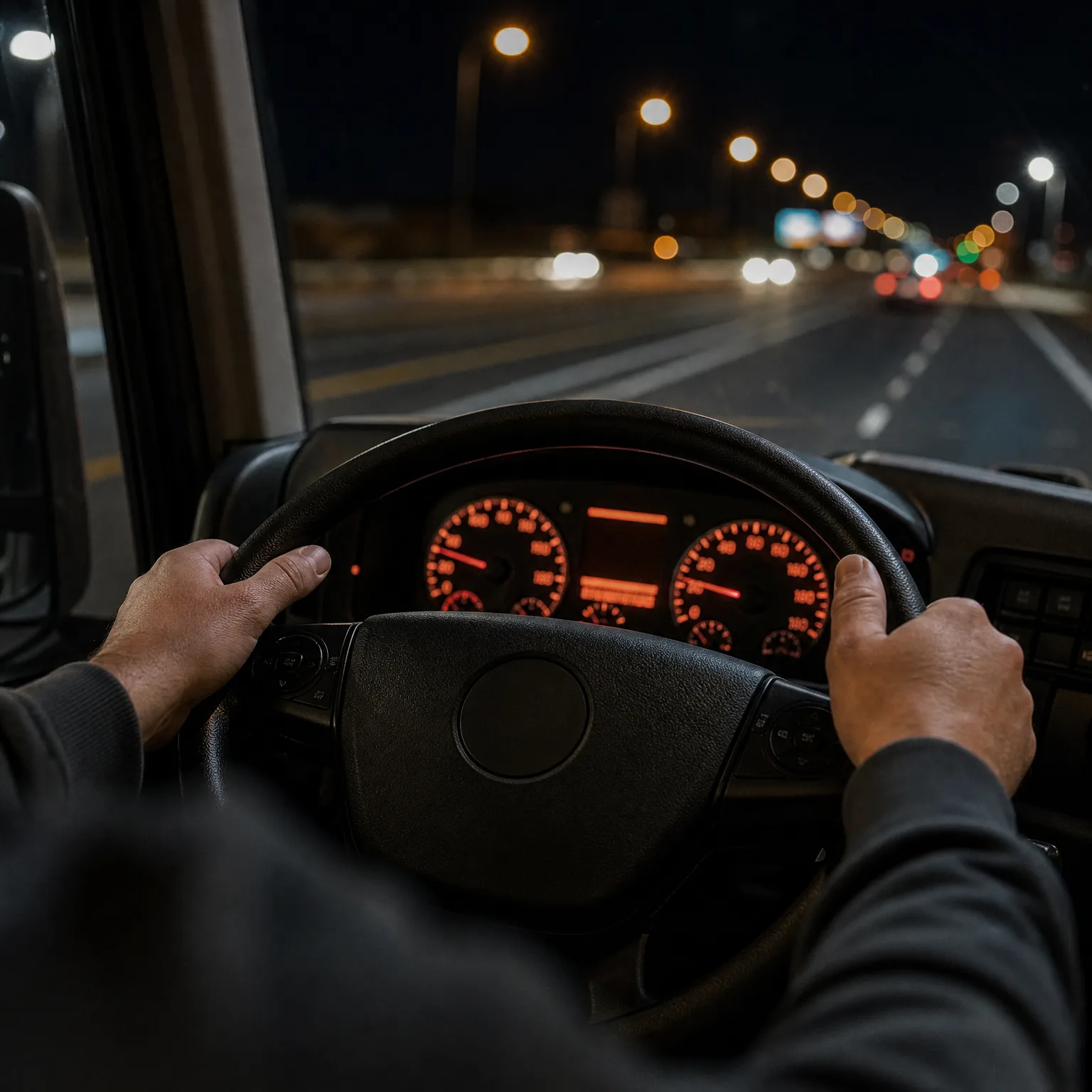
Ohio Revised Code § 4510.022 requires ignition interlock installation for all OVI-related Limited Driving Privileges. The device must be installed by a vendor approved by the Ohio Department of Public Safety before the court grants privileges. Interlock costs typically run $70-$120 per month for the device lease, installation, and monthly calibration.
Non-owner SR-22 does not exempt you from the interlock requirement. You must arrange interlock installation on the vehicle you will drive — typically an employer's vehicle, a family member's vehicle, or a borrowed vehicle. The vehicle owner must consent to installation. Without interlock installed and verified, the court will not grant LDP, even if SR-22 is filed.
Drivers with four or more OVI offenses within 10 years face a 3-year hard suspension before LDP eligibility. Some aggravated or felony OVI convictions carry mandatory suspensions with no LDP eligibility at all. If your petition is denied on these grounds, non-owner SR-22 filing alone will not restore privileges — you must wait out the hard suspension period.
3 years
Ohio OVI SR-22 Filing Period
Ohio requires SR-22 filing for 3 years after an OVI conviction, measured from the conviction date, not the filing date. The filing period runs concurrently with your LDP period and continues after full reinstatement. If the SR-22 lapses for non-payment during those 3 years, the BMV suspends your license again and you start over.
Ohio Revised Code § 4509.45

Carrier Filing and BMV Confirmation Timeline
Most non-standard carriers operating in Ohio file SR-22 electronically within 1-3 business days of policy activation. The BMV's electronic verification system receives the filing and updates your record automatically. You can verify filing status through the Ohio BMV e-Services portal or by calling the BMV reinstatement unit directly.
A small number of carriers still use manual paper filing, which delays BMV confirmation by 7-14 days. If your LDP petition hearing is scheduled within two weeks, confirm with the carrier that they file electronically. Missing the court deadline because your carrier filed on paper will push your hearing date back and extend the time you remain without privileges.
What Happens When You Acquire a Vehicle
Non-owner SR-22 covers borrowed vehicles only. The moment you acquire title to a vehicle — through purchase, gift, or inheritance — you must convert to a standard owner SR-22 policy or stack coverage. Ohio law does not provide a grace period for this conversion. If you drive your newly acquired vehicle on a non-owner policy, you are uninsured for that vehicle, even though the SR-22 filing remains active with the BMV.
Most carriers allow policy conversion by phone. You call, provide the VIN and title details, and the carrier converts the non-owner policy to an owner policy effective immediately. Premium increases because the policy now covers collision and comprehensive risk on your specific vehicle. Expect premiums to roughly double from the non-owner rate. If you delay the conversion and have an accident, the non-owner policy will deny the claim.
Some drivers choose to maintain the non-owner policy and purchase a separate owner policy for the new vehicle. This stacks coverage but costs more than converting. The SR-22 filing can attach to either policy, but only one SR-22 filing is required. Confirm with your carrier which policy will carry the SR-22 endorsement to avoid duplicate filings or coverage gaps.
File Non-Owner SR-22 Before Petitioning the Court
The LDP petition process stalls without SR-22 proof. Activate a non-owner SR-22 policy before filing your court petition. Carriers writing non-owner SR-22 in Ohio include GAINSCO, Dairyland, Progressive, The General, Geico, Bristol West, Direct Auto, and Acceptance Insurance. Premium ranges from $45-$85/mo depending on county, age, and OVI details. Most carriers quote online or by phone within 24 hours.
Once the policy activates and the carrier files SR-22 with the BMV, request a confirmation letter from the carrier showing your name, policy number, and SR-22 filing date. Attach that letter to your court petition. Without it, the court clerk may reject your petition as incomplete. If the court grants LDP, maintain continuous coverage for the full 3-year filing period — any lapse triggers automatic BMV suspension and revokes your privileges immediately.
Court-Specific LDP Petition Process
For OVI conviction suspensions, petition the sentencing court that handled your criminal case. For administrative suspensions (triggered at arrest by the officer under ORC 4511.191), petition the common pleas court in your county of residence. The court clerk's office provides the petition form. You must attach proof of SR-22 filing, proof of employment or necessity (school enrollment, medical appointments, court-ordered treatment), and payment of the court filing fee. Court fees vary by county — most charge $50-$150, but this is not a state-level standardized fee.
The court evaluates your petition and determines whether to grant Limited Driving Privileges, what purposes are approved (work, school, medical, treatment), and what hours and routes apply. Courts have broad discretion. Approval is not automatic. If the court grants LDP, it sends the order to the BMV, which records the privileges on your driver record. The BMV does not grant LDP directly — its role is purely administrative.
Get Your Free Quote
Get My Non-Owner SR-22 QuoteFrequently Asked Questions
Can I get Limited Driving Privileges in Ohio without owning a car?
Yes. Ohio courts grant Limited Driving Privileges to drivers without vehicles, provided you file non-owner SR-22 insurance before the petition hearing. Non-owner SR-22 satisfies the court's proof-of-insurance requirement and costs $45-$85/mo.
How long does Ohio require SR-22 filing after an OVI?
Ohio requires SR-22 filing for 3 years after an OVI conviction, measured from the conviction date. The filing period runs concurrently with your LDP period and continues after full license reinstatement. Any lapse during those 3 years triggers automatic suspension.
Do I need ignition interlock on a non-owner SR-22 policy in Ohio?
Yes. Ohio Revised Code § 4510.022 requires ignition interlock for all OVI-related Limited Driving Privileges. You must install the device on the vehicle you will drive (employer's car, family member's car, or borrowed vehicle) before the court grants LDP. Non-owner SR-22 does not exempt you from interlock.
What happens if I buy a car while on non-owner SR-22 in Ohio?
You must convert to a standard owner SR-22 policy or stack coverage immediately. Non-owner policies only cover borrowed vehicles. If you drive your newly acquired vehicle on a non-owner policy, you are uninsured for that vehicle even though the SR-22 filing remains active with the BMV.
How fast do Ohio carriers file SR-22 electronically?
Most non-standard carriers in Ohio file SR-22 electronically within 1-3 business days of policy activation. The BMV's electronic verification system receives the filing and updates your record automatically. Manual paper filers delay confirmation by 7-14 days.
Can I petition for Ohio Limited Driving Privileges online?
No. Limited Driving Privileges petitions must be filed in person with the appropriate court — either the sentencing court for OVI convictions or the common pleas court in your county of residence for administrative suspensions. The BMV does not grant LDP; only courts do.
What is the reinstatement fee for OVI suspension in Ohio?
Ohio charges a $40 base reinstatement fee, but OVI cases typically incur additional court costs and program fees. You must also complete a state-approved Driver Intervention Program (DIP) and maintain SR-22 filing for 3 years before full reinstatement.