
Non-Owner SR-22 and Indiana's Specialized Driving Privileges — Indiana
Get My Non-Owner SR-22 QuoteThe Carless Filer's Catch-22
Your Indiana driver's license was suspended after an OWI conviction. You sold your vehicle during the suspension to cut costs. Now you're ready to petition for Specialized Driving Privileges so you can drive to work, but the Indiana Bureau of Motor Vehicles website says you need SR-22 proof of insurance before your hearing. You don't own a car. Every carrier you call asks for your vehicle identification number, and when you tell them you don't have one, they transfer you to another department or hang up.
Non-owner SR-22 is the product that solves this structural problem. It provides liability coverage when you drive someone else's vehicle with permission, and it triggers the same SR-22 filing with the Indiana BMV that an owner policy does—without requiring you to own or register a specific vehicle. Indiana recognizes non-owner SR-22 filings for Specialized Driving Privileges and Probationary License applications. The policy satisfies the state's financial responsibility requirement. Your reinstatement path is not blocked by being carless.
“Non-owner SR-22 satisfies Indiana's Specialized Driving Privileges requirement without owning a vehicle—$55–$95/month versus $140–$190 for owner policies.”

Cover Your Filing Before You Own a Car Again
Get My Non-Owner SR-22 Quote$250
Indiana Base Reinstatement Fee
This is the administrative fee the BMV charges to reinstate your driving privileges after most non-OWI suspensions. OWI-related reinstatement fees escalate with repeat offenses: $500 for a second suspension. The fee is separate from SR-22 filing costs and insurance premiums.
Indiana Bureau of Motor Vehicles, IC 9-29-8
Two Pathways, One Filing Requirement
Indiana operates two parallel restricted driving programs, and both require SR-22. The BMV issues a Probationary License administratively for certain suspension types—typically insurance lapse, points accumulation, or unpaid violations. Courts grant Specialized Driving Privileges (SDP) under IC 9-30-16 for OWI cases and habitual traffic violator suspensions. The procedural route differs, but SR-22 is mandatory for both.
The confusion arises because the BMV uses the term Probationary License in its own documentation, while court orders reference Specialized Driving Privileges. Drivers often assume these are two different products with different insurance requirements. They are not. Both pathways require continuous SR-22 coverage throughout the restricted driving period. Non-owner SR-22 satisfies both. If your suspension is court-ordered (OWI, HTV), you petition the court for SDP and present proof of non-owner SR-22 filing at your hearing. If your suspension is BMV-administrative, you apply directly to the BMV with non-owner SR-22 proof attached.
For OWI cases, Indiana law mandates a minimum hard suspension period before SDP eligibility—the duration varies by BAC level, refusal status, and prior offenses. First-offense OWI with BAC under 0.15 typically carries a 30-day hard period; BAC 0.15 or higher triggers 180 days under IC 9-30-6-9. You cannot drive at all during the hard period, and you cannot apply for SDP until that window closes. Non-owner SR-22 filing can happen before the hard period ends, which positions you to move immediately into SDP once the court grants it.

Non-owner SR-22 does not cover you when driving a vehicle you own. If you acquire a car during your filing period, you must convert to owner SR-22 or the BMV will suspend again.
Related Articles
Indiana Non-Owner SR-22: Cost, Carriers, Filing Rules
5/19/2026
Indiana Non-Owner SR-22 vs Owner: When It Saves Money
5/19/2026
Non-Owner vs Owner SR-22: Which Filing Path Costs Less
5/19/2026

Indiana Non-Owner SR-22: Carriers and Filing Speed
5/19/2026
Indiana Non-Owner SR-22 Cost by Cause: What You'll Pay
5/19/2026

Non-Owner SR-22 vs Owner SR-22: Which Filing Fits
5/19/2026

Cost Structure and Carrier Availability
Non-owner SR-22 premiums in Indiana typically range $55–$95/month for drivers with OWI suspensions, compared to $140–$190/month for owner SR-22 policies. The cost difference reflects the reduced risk exposure—no comprehensive or collision, no specific vehicle. Carriers writing non-owner SR-22 in Indiana include Dairyland, GAINSCO, The General, Progressive, and Geico. Not all carriers advertise non-owner policies prominently; you often need to request it explicitly when calling or quoting online.
The SR-22 filing itself costs $15–$25 as a one-time fee paid to the carrier (separate from the premium). Indiana BMV does not charge a separate SR-22 processing fee. If your carrier cancels your policy for non-payment or you let it lapse, the carrier files Form SR-26 (a cancellation notice) with the BMV, and your license suspends again immediately. Indiana requires continuous SR-22 coverage for the full duration ordered by the court or BMV—typically three years for OWI cases.
Some drivers attempt to file SR-22, satisfy the initial reinstatement requirement, then cancel the policy to save money. This triggers immediate re-suspension. The BMV's INSPECT system tracks SR-22 status in real time. Any lapse longer than one day generates a suspension notice. You must maintain the non-owner policy continuously, even if you are not actively driving, until the BMV or court releases the SR-22 requirement.
Premium variation by carrier is sharp. GAINSCO and Dairyland typically quote at the lower end ($55–$70/month) for non-owner SR-22 with minimum limits. Progressive and Geico fall mid-range ($75–$90/month). The General skews higher ($85–$95/month) but may approve drivers other carriers decline. Run quotes from at least three carriers. Your approval odds and premium depend on your specific violation history, age, and county.
3 years
Typical Indiana SR-22 Filing Period
Indiana courts and the BMV typically require SR-22 for three years from the date of conviction for OWI cases. The period is measured from conviction date, not reinstatement date. If you delay reinstatement by six months, you still owe three years of filing from conviction—the clock does not pause.
IC 9-25, Indiana BMV SR-22 requirements
The Vehicle Acquisition Problem
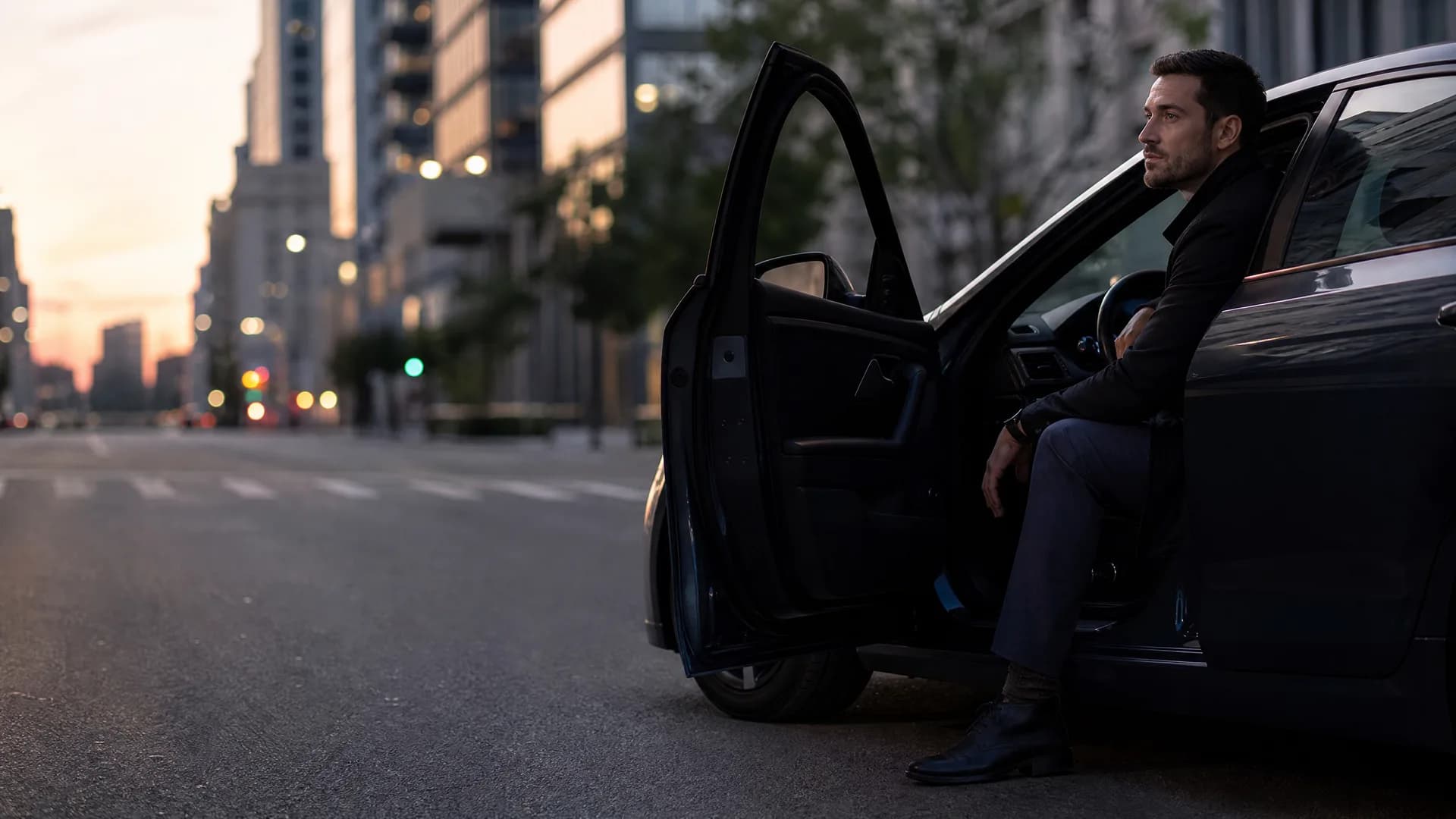
Most carless drivers intend to buy or receive a vehicle eventually. When that happens during your SR-22 filing period, the non-owner policy no longer covers you. Indiana law treats vehicle acquisition as a material change requiring immediate disclosure. You have two options: convert your non-owner SR-22 to an owner SR-22 policy on the new vehicle, or stack coverage by adding a separate owner policy while maintaining the non-owner policy.
Conversion is simpler and cheaper. You call your carrier, provide the VIN and title information, and they rewrite the policy as owner SR-22. The SR-22 filing continues uninterrupted—the BMV sees no gap. Premiums will increase because the policy now includes comprehensive and collision (if you elect them) and covers a specific vehicle. Expect the new premium to be $140–$190/month or higher depending on vehicle value and your coverage selections. Stacking (keeping the non-owner policy active while adding a separate owner policy) is rarely necessary unless you frequently drive both your own vehicle and borrowed vehicles. Most drivers convert and let the non-owner policy terminate.
Applying for Specialized Driving Privileges with Non-Owner SR-22
If your suspension is OWI-related, you petition the court that handled your case for Specialized Driving Privileges under IC 9-30-16. The petition requires proof of SR-22 filing, proof of employment or essential need (medical appointments, education, religious activities), and in most cases proof of ignition interlock device installation if the court ordered it. Indiana mandates IID for many OWI cases as a condition of SDP. Non-owner drivers face a procedural quirk here: IID installation typically requires a vehicle. Some courts allow deferral of IID installation until you acquire a vehicle, but that is discretionary. Verify the court's IID policy before petitioning.
Once the court grants SDP, the order specifies your permitted driving purposes and time windows—typically work, school, medical appointments, and court-ordered activities. The BMV does not issue a separate physical license. Your existing Indiana driver's license remains valid but restricted. Law enforcement can verify SDP status by checking your driver record during a traffic stop. Violating the SDP terms (driving outside permitted hours or purposes) triggers immediate revocation and possible criminal charges for driving while suspended.
For BMV-issued Probationary Licenses (non-OWI suspensions), you apply directly through the BMV's mybmv.com portal or at a branch. The application requires SR-22 proof, payment of the reinstatement fee, and documentation of your need (employer letter, school enrollment, medical appointment records). Processing typically takes 5–10 business days. The BMV mails a letter confirming Probationary License approval; you do not receive a new physical license card. Restrictions are recorded on your driver record and enforced the same way as court-ordered SDP.
Your Next Step
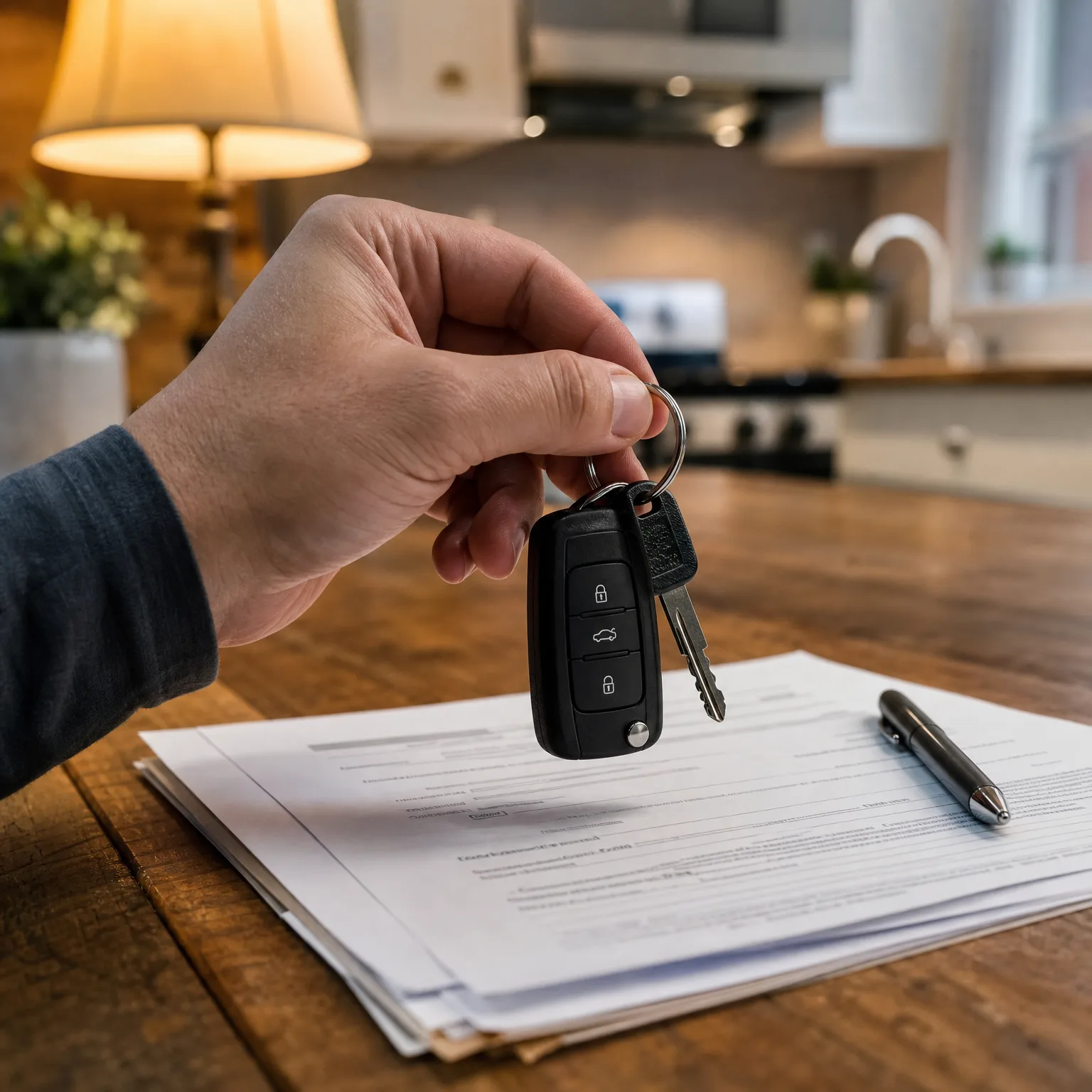
Start by getting non-owner SR-22 quotes from carriers operating in Indiana. Dairyland, GAINSCO, The General, Progressive, and Geico all write non-owner policies for suspended drivers. Request quotes for Indiana's minimum liability limits ($25,000/$50,000/$25,000) and note the SR-22 filing fee. Choose the carrier offering the lowest total cost over your required filing period—typically three years. Once the policy activates, the carrier files SR-22 electronically with the BMV within 24-48 hours. You can verify receipt by checking your driver record on mybmv.com or calling the BMV's reinstatement unit at 888-692-6841. With SR-22 proof in hand, you petition the court for Specialized Driving Privileges (if OWI) or apply to the BMV for a Probationary License (if administrative suspension). Maintain the non-owner policy continuously until the BMV or court releases the SR-22 requirement.
What Non-Owner SR-22 Actually Covers
The policy meets Indiana's minimum liability limits: $25,000 bodily injury per person, $50,000 bodily injury per accident, $25,000 property damage. These are the floor. Some carriers writing non-owner SR-22 in Indiana offer higher limits (50/100/50 or 100/300/100) at marginal premium increases—worth considering if you drive regularly. The carrier electronically files Form SR-22 with the Indiana BMV on your behalf within 24-48 hours of policy activation. The BMV's INSPECT system receives the filing and updates your driver record, clearing the SR-22 proof requirement.
Non-owner SR-22 does not include comprehensive or collision coverage because there is no vehicle to insure. It does not cover vehicles you own, lease, or have regular access to (such as a spouse's car titled in your household). It covers occasional use of someone else's vehicle with their permission. If you buy a car, inherit one, or add your name to a title during the SR-22 filing period, you must notify your carrier immediately and convert to an owner policy. Failing to do so voids coverage and triggers an SR-22 lapse filing, which resets your suspension.
Get Your Free Quote
Get My Non-Owner SR-22 QuoteFrequently Asked Questions
Can I get Specialized Driving Privileges in Indiana without owning a car?
Yes. Indiana courts grant Specialized Driving Privileges and the BMV issues Probationary Licenses to drivers without vehicles, as long as you maintain non-owner SR-22 insurance. The non-owner policy satisfies the state's financial responsibility requirement and triggers the same SR-22 filing an owner policy does.
How much does non-owner SR-22 cost in Indiana?
Non-owner SR-22 premiums in Indiana typically range $55–$95/month depending on your violation type and carrier. This is 30-60% lower than owner SR-22 policies, which cost $140–$190/month, because non-owner coverage excludes comprehensive and collision and does not insure a specific vehicle.
What happens if I buy a car while on non-owner SR-22 in Indiana?
You must notify your carrier immediately and convert to an owner SR-22 policy. Non-owner SR-22 does not cover vehicles you own. Driving a vehicle you own under a non-owner policy voids coverage, and if the carrier discovers the vehicle acquisition, they may cancel your policy, triggering an SR-22 lapse and immediate license re-suspension.
Does Indiana require ignition interlock for non-owner SR-22 filers?
Indiana mandates ignition interlock devices for many OWI-related Specialized Driving Privileges under IC 9-30-16. Non-owner drivers face a procedural problem: IID installation requires a vehicle. Some courts allow deferral until you acquire a car, but that is discretionary. Verify IID requirements with the court before petitioning for SDP.
How long do I need SR-22 in Indiana after an OWI?
Indiana typically requires SR-22 for three years from the date of OWI conviction. The period is measured from conviction, not reinstatement. If you delay reinstatement by six months, you still owe three years of continuous filing from the original conviction date—the clock does not pause.
Can I cancel non-owner SR-22 after Indiana reinstates my license?
No. You must maintain continuous SR-22 coverage for the full duration ordered by the court or BMV—typically three years for OWI cases. Canceling the policy triggers an SR-22 lapse filing (Form SR-26) with the BMV, and your license suspends again immediately. The BMV's INSPECT system tracks SR-22 status in real time.
Which carriers write non-owner SR-22 in Indiana?
Dairyland, GAINSCO, The General, Progressive, and Geico all write non-owner SR-22 policies in Indiana. Not all carriers advertise non-owner coverage prominently—request it explicitly when quoting. GAINSCO and Dairyland typically offer the lowest premiums ($55–$70/month), while The General may approve drivers other carriers decline.