
Non-Owner SR-22 and Occupational License — Texas
Get My Non-Owner SR-22 QuoteWhy Your ODL Petition Stalled Without a Vehicle
You submitted your Occupational Driver License petition to the county court, provided employment verification and route documentation, but the clerk told you the petition cannot proceed without proof of financial responsibility. You sold your car three months ago to cover legal fees, or it was impounded after the DWI arrest and you never recovered it. The court order explicitly requires SR-22 filing, and you assumed SR-22 only applies to vehicle owners. The petition sits incomplete because you think you need a car to get the filing the court demands.
Texas does not require vehicle ownership for SR-22 filing. Non-owner SR-22 policies satisfy the court's financial responsibility mandate and allow your ODL petition to move forward. The product exists specifically for drivers in your position — license suspended, no vehicle, needing to prove insurance to regain restricted driving privileges. Non-owner SR-22 provides liability coverage when you drive someone else's vehicle with permission, and carriers file Form SR-22 with Texas DPS on your behalf the same day the policy binds.
“Texas courts will not grant your ODL petition until DPS confirms active SR-22 filing — non-owner SR-22 satisfies that requirement without owning a vehicle.”

Cover Your Filing Before You Own a Car Again
Get My Non-Owner SR-22 Quote$55–$95/mo
Texas Non-Owner SR-22 Premium
Non-owner SR-22 premiums in Texas range $55–$95/month for DWI filers and $35–$65/month for uninsured driving violations — 40-60% lower than owner SR-22 because there is no vehicle to insure for comprehensive or collision. Estimates based on available industry data; individual rates vary.
Texas Department of Insurance carrier rate filings
What Non-Owner SR-22 Covers and What It Does Not
Non-owner SR-22 provides bodily injury and property damage liability coverage when you drive a vehicle you do not own. Texas requires $30,000 per person, $60,000 per accident bodily injury, and $25,000 property damage as minimum liability limits. The policy covers borrowed vehicles, rental cars driven occasionally, or any vehicle you operate with the owner's permission. The SR-22 filing attached to the policy proves to DPS that you carry continuous liability coverage, which is the financial responsibility requirement the court petition mandates.
Non-owner SR-22 does not cover any vehicle you own, lease, or have regular access to. If you acquire a vehicle during the ODL period — whether you buy it, receive it as a gift, or inherit it — the non-owner policy excludes that vehicle from coverage the moment you take title. You must convert to a standard owner SR-22 policy or stack coverage to avoid a lapse. Non-owner policies also exclude comprehensive and collision coverage because there is no specific vehicle insured. Physical damage to the vehicle you are driving falls to the owner's policy or remains uninsured.
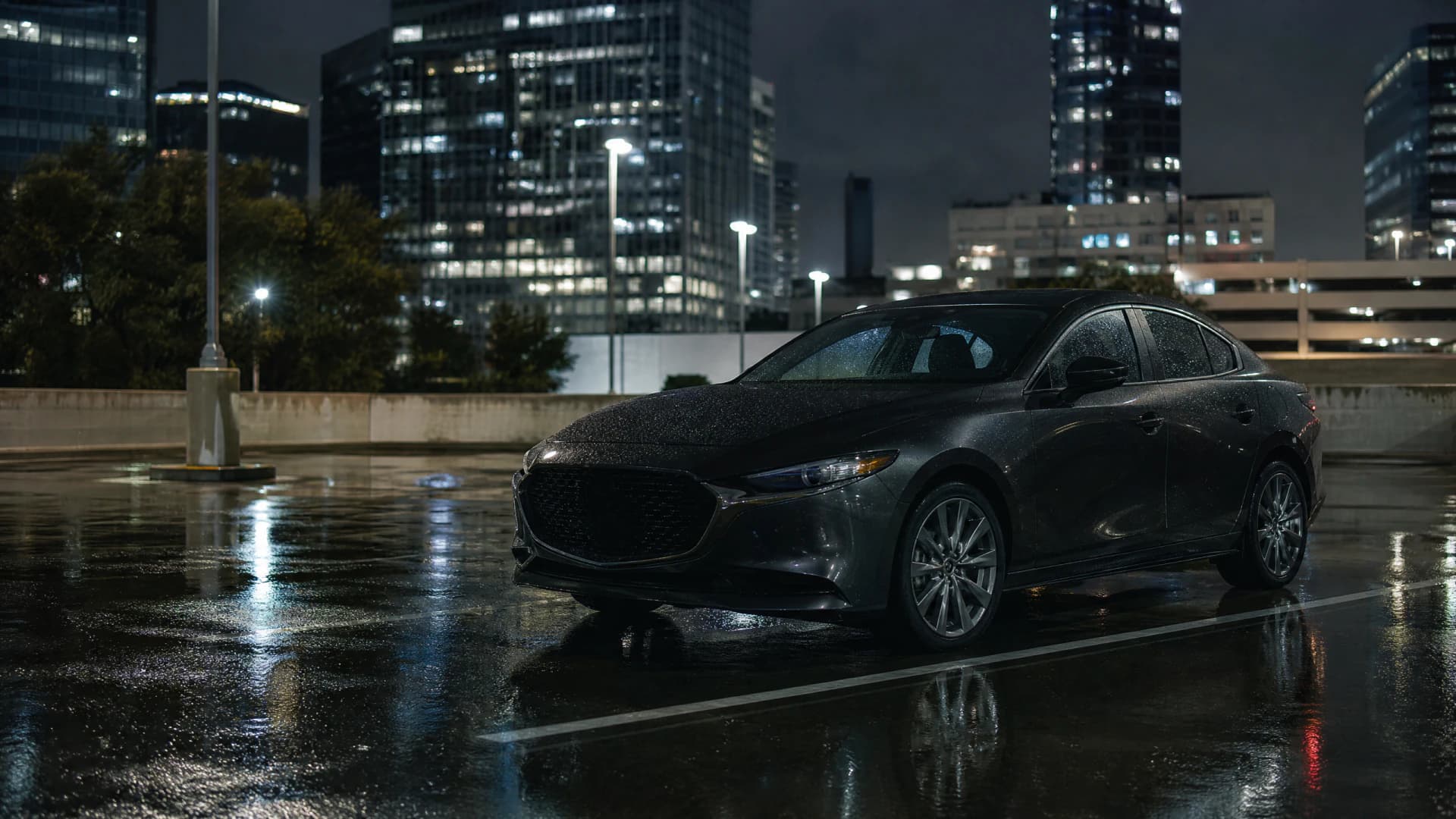
The court will not grant your ODL petition until DPS confirms active SR-22 filing. Non-owner SR-22 files the same day the policy binds, but DPS updates can lag 1-3 business days — petition timing depends on carrier electronic filing speed.
Related Articles
Texas Non-Owner SR-22: Filing Without Owning a Car
5/19/2026

Non-Owner SR-22 License Reinstatement TX
5/29/2026
Texas Non-Owner SR-22 for Uninsured Suspension Setup
5/19/2026

Texas Non-Owner SR-22: Filing Without a Vehicle
5/19/2026
Texas Non-Owner SR-22 for License Reinstatement
5/19/2026
Non-Owner SR-22 for PA Occupational License
5/29/2026

Ignition Interlock and SR-22 Interaction for DWI Cases
Texas courts require ignition interlock device installation for DWI-related Occupational Driver Licenses under Transportation Code Chapter 521. The IID requirement is independent of the SR-22 filing requirement — you must satisfy both. Install the IID with a state-approved vendor before filing your court petition; the vendor provides a certificate of installation you submit with the petition. The court order will explicitly authorize driving only vehicles equipped with a functioning IID.
Non-owner SR-22 policies do not exempt you from the IID requirement, but they also do not complicate it. The IID attaches to the specific vehicle you will drive regularly — typically a family member's car or an employer's vehicle if permitted. Your non-owner SR-22 covers you when driving that vehicle with permission; the IID satisfies the court's separate condition. If you drive multiple vehicles during the ODL period, each must have an IID installed to remain compliant with the court order. Driving any vehicle without a functioning IID violates the court order and triggers ODL revocation even if your SR-22 filing remains active.
SR-22 filing duration for DWI in Texas is typically 2 years from reinstatement date under Transportation Code Section 601.153. The ODL court order duration varies by case but commonly matches the original suspension period. You must maintain continuous SR-22 filing for the entire duration DPS requires — if the policy lapses for any reason, the carrier notifies DPS, DPS suspends your license again, and the court-issued ODL becomes void. Track both deadlines separately; they do not automatically align.
12 hours/day
Texas ODL Driving Cap
Texas law caps Occupational Driver License driving at no more than 12 hours in any 24-hour period, regardless of how many essential needs are listed in the court order. Exceed this cap and you violate the court order, triggering automatic ODL revocation.
Texas Transportation Code Chapter 521
What Happens If You Acquire a Vehicle During the ODL Period
If you buy, lease, inherit, or are gifted a vehicle while holding an Occupational Driver License with non-owner SR-22, you must convert to a standard owner SR-22 policy immediately. Non-owner policies exclude vehicles the named insured owns, so the moment you take title the non-owner policy no longer covers that vehicle. Driving your own vehicle under a non-owner policy creates an uninsured gap — if you cause an accident, the carrier will deny the claim and DPS will treat you as driving uninsured.
Contact your carrier the day you acquire the vehicle. Most non-standard carriers will convert your non-owner SR-22 to an owner SR-22 policy on the new vehicle without interrupting the SR-22 filing. The carrier files an updated SR-22 with DPS reflecting the vehicle change, and your filing remains continuous. Premiums will increase — owner SR-22 policies cost $95–$165/month in Texas for DWI filers versus $55–$95/month for non-owner SR-22, because the owner policy includes the vehicle's comprehensive and collision risk. If you cannot afford the owner policy premium, do not drive the vehicle until you secure coverage. Driving it uninsured violates both your SR-22 filing requirement and the court-ordered ODL conditions.
Compare Non-Owner SR-22 Carriers Writing Texas ODL Cases
Texas non-owner SR-22 is available from multiple non-standard carriers statewide. GAINSCO, Dairyland, The General, Progressive, Bristol West, and Direct Auto all write non-owner SR-22 and serve suspended drivers with ODL court orders. Premium variance by carrier runs 30-50% for the same driver profile — GAINSCO and Dairyland consistently quote lower for DWI non-owner cases, while Progressive and The General often price better for uninsured driving violations. All file SR-22 electronically with DPS, but processing speed varies: GAINSCO and Progressive typically confirm same-day filing, while smaller regional carriers may take 2-3 business days.
Request quotes from at least three carriers before binding. Non-owner SR-22 does not require vehicle inspection or VIN, so quoting is faster than owner policies — most carriers return quotes within 15 minutes online or by phone. Compare not only monthly premium but also filing fee (carriers charge $15–$35 to file the SR-22 form, separate from the premium) and down payment structure. Some carriers require first and last month up front; others allow monthly payment plans with a smaller initial deposit. Bind the policy that balances cost and filing speed — the court petition cannot proceed until DPS shows active SR-22, so same-day electronic filers shorten your overall reinstatement timeline.
Court Petition Requirements With Non-Owner SR-22
File the non-owner SR-22 policy first. Contact a non-standard carrier writing Texas SR-22 — GAINSCO, Dairyland, The General, Progressive, and Direct Auto all write non-owner SR-22 statewide. Most bind coverage and file SR-22 electronically with DPS the same business day. Request a copy of the SR-22 filing confirmation immediately; you will submit this with your court petition as proof of financial responsibility. DPS updates typically post within 1-3 business days, but the court clerk may accept the carrier's filing confirmation before DPS confirmation appears on your driving record.
Prepare the court petition documentation concurrently. You need a petition form (available from the county or district court clerk), employment verification on company letterhead stating your work schedule and address, proof of essential need (school enrollment if applicable, medical appointment schedules if relevant), and the SR-22 filing confirmation. If your suspension stems from DWI, the court will also require proof of ignition interlock device installation before granting the ODL. The court order must specify permitted driving routes, times (maximum 12 hours per day), and essential purposes. Once the court grants the order, you present it to DPS along with the $125 reinstatement fee to receive the physical Occupational Driver License.
Get Your Free Quote
Get My Non-Owner SR-22 QuoteFrequently Asked Questions
Can I get an Occupational Driver License in Texas without owning a car?
Yes. Texas Occupational Driver Licenses require SR-22 financial responsibility filing, but non-owner SR-22 policies satisfy this requirement without owning a vehicle. Non-owner SR-22 provides liability coverage when you drive someone else's vehicle with permission and files the same Form SR-22 with DPS that owner policies file.
How much does non-owner SR-22 cost in Texas for a DWI suspension?
Non-owner SR-22 premiums in Texas range $55–$95/month for DWI-related suspensions, compared to $95–$165/month for owner SR-22 policies. The lower cost reflects no vehicle to insure for comprehensive or collision. Estimates based on available industry data; individual rates vary by carrier, age, and county.
Does non-owner SR-22 cover me if I borrow a family member's car in Texas?
Yes. Non-owner SR-22 provides bodily injury and property damage liability coverage when you drive a vehicle you do not own, including family members' cars, with the owner's permission. It does not cover physical damage to the borrowed vehicle or any vehicle you own, lease, or have regular access to.
What happens to my non-owner SR-22 if I buy a car during my ODL period in Texas?
You must convert to a standard owner SR-22 policy immediately. Non-owner policies exclude vehicles the named insured owns, so driving your own car under a non-owner policy creates an uninsured gap. Contact your carrier the day you acquire the vehicle to convert coverage and maintain continuous SR-22 filing.
How long does Texas require SR-22 filing after a DWI conviction?
Texas requires SR-22 filing for 2 years from reinstatement date for most DWI suspensions under Transportation Code Section 601.153. The filing must remain continuous — any lapse triggers automatic license suspension and voids your Occupational Driver License court order.
Do I need ignition interlock if I have non-owner SR-22 for an ODL in Texas?
Yes, if your suspension is DWI-related. Texas courts require ignition interlock device installation for DWI-based Occupational Driver Licenses under Transportation Code Chapter 521. The IID requirement is independent of SR-22 filing — you must satisfy both. Non-owner SR-22 does not exempt you from the IID mandate.
Which carriers write non-owner SR-22 for Texas Occupational Driver Licenses?
GAINSCO, Dairyland, The General, Progressive, Bristol West, and Direct Auto all write non-owner SR-22 in Texas and serve suspended drivers with ODL court orders. Premium variance runs 30-50% for the same driver profile — compare at least three carriers for cost and electronic filing speed.