Wyoming Non-Owner SR-22 by Cause: DUI, Uninsured, and Suspension
Get My Non-Owner SR-22 QuoteWhy Wyoming's Dual-Tier DUI System Creates a Non-Owner SR-22 Filing Gap
Wyoming imposes two separate suspensions for a single DUI arrest: an administrative per se suspension from WYDOT (90 days for a first offense under W.S. 31-6-104) and a judicial suspension from the court (6 months minimum for first conviction). Each suspension runs independently. Most drivers assume the SR-22 filing requirement begins when they apply for reinstatement — it doesn't. The 3-year SR-22 clock starts from the conviction date, not the reinstatement date, meaning your filing obligation is already running while you're still suspended.
If your vehicle was impounded after the arrest or you sold it during the suspension period, you cannot file owner SR-22 because you don't own a car. Non-owner SR-22 is the solution. It satisfies both the administrative and judicial suspension SR-22 requirements simultaneously because it's tied to you as a driver, not to a specific vehicle. The filing goes to WYDOT Driver Services, which administers both suspension tracks.
Wyoming's ignition interlock requirement (W.S. 31-5-233) complicates this slightly. If you're required to install an IID as a condition of your Probationary License during the suspension period, the IID requirement is tied to any vehicle you drive — not to the insurance policy. Non-owner SR-22 provides the liability coverage and filing; the IID must be installed in any vehicle you use during the probationary period, even if you're borrowing it. The two requirements run in parallel, not in place of each other.
Non-Owner SR-22 Premium Costs in Wyoming by Violation Trigger
Wyoming non-owner SR-22 premiums vary by what caused the suspension, but all are substantially cheaper than owner SR-22 because there's no vehicle to insure for physical damage. First-offense DUI drivers without other violations typically pay $40–$65/month for non-owner SR-22 from non-standard carriers like Dairyland, The General, or Bristol West. That's $1,440–$2,340 over the 3-year filing period, plus WYDOT's $50 reinstatement fee per suspension action.
Uninsured-driving suspensions (failure to maintain proof of financial responsibility under W.S. 31-4-103) carry slightly lower premiums — $35–$55/month — because the violation doesn't involve impairment or reckless operation. Wyoming's electronic insurance verification system flags lapses to WYDOT, which can suspend registration and driving privileges. Non-owner SR-22 satisfies the proof-of-insurance requirement even though you don't own a vehicle, because it proves you carry liability coverage when you drive borrowed or rented vehicles.
Multiple-cause suspensions stack fees, not necessarily premiums. If you have both a DUI administrative suspension and an uninsured-driving suspension, WYDOT charges $50 per suspension action for reinstatement — $100 total — but your non-owner SR-22 premium is priced primarily on the highest-risk trigger (the DUI). The filing itself covers all suspension causes simultaneously because it's tied to your driver license, not to individual violations.
Carriers writing non-owner SR-22 in Wyoming include Geico, Progressive, State Farm (SR-22 only, not explicitly confirmed for non-owner but available in most states), Dairyland, The General, Bristol West, and USAA (military-affiliated only). National General and other non-standard carriers also operate statewide. Wyoming's small population means fewer local-carrier options than urban states, but the major non-standard carriers serve all 23 counties.
What Non-Owner SR-22 Covers When You Drive Someone Else's Vehicle in Wyoming
Non-owner SR-22 provides liability coverage when you drive a vehicle you don't own with the owner's permission. Wyoming's minimum liability limits are $25,000 per person / $50,000 per accident for bodily injury and $20,000 for property damage. Your non-owner policy must meet or exceed these minimums to satisfy the SR-22 filing requirement.
The coverage applies when you borrow a friend's car, rent a vehicle, or drive a family member's car occasionally. It does NOT cover vehicles you own, lease, or have regular access to. If you live with a family member who owns a car and you drive it regularly, most carriers will require you to convert to owner SR-22 or be added as a named driver on the owner's policy with an SR-22 endorsement.
Non-owner SR-22 also does not cover comprehensive or collision damage. If you crash a borrowed vehicle, your non-owner policy pays for the other driver's injuries and property damage up to your policy limits, but it won't pay to repair the vehicle you were driving. The vehicle owner's insurance typically covers physical damage to their own car under their collision coverage.
Wyoming's Probationary License restricts you to specific purposes — work, school, medical, and other essential needs as defined by the court or WYDOT. Non-owner SR-22 provides the liability coverage required to operate a vehicle during those restricted trips, but it doesn't remove the route or purpose restrictions themselves. If you're caught driving outside approved purposes, your Probationary License can be revoked even if your insurance is active and compliant.

Cover Your Filing Before You Own a Car Again
Get My Non-Owner SR-22 QuoteConverting from Non-Owner to Owner SR-22 When You Buy a Car Mid-Filing
If you acquire a vehicle during your 3-year SR-22 filing period — whether you buy, lease, or are gifted a car — you must notify your carrier immediately and convert to owner SR-22. Non-owner SR-22 does not cover vehicles you own. Driving your own car on a non-owner policy leaves you uninsured for that vehicle, which violates Wyoming's mandatory insurance law and can trigger a new suspension.
The conversion process is straightforward but time-sensitive. Contact your carrier the day you take possession of the vehicle. They'll add the vehicle to your policy, switch you from non-owner to owner SR-22, and file an updated SR-22 form with WYDOT. The 3-year SR-22 clock does not reset — it continues from your original conviction date. You're simply changing the type of policy, not restarting the filing period.
Owner SR-22 premiums are higher than non-owner because the carrier must now cover collision and comprehensive risk on the vehicle itself. Expect premiums to increase by 50–80% depending on the vehicle's value, your coverage selections, and your age. A driver paying $50/month for non-owner SR-22 might see premiums jump to $85–$120/month after adding a vehicle.
If you don't notify your carrier and continue driving on non-owner SR-22 after acquiring a vehicle, the carrier can cancel your policy for material misrepresentation. WYDOT will receive a cancellation notice, which triggers an immediate license suspension for failure to maintain SR-22. You'll owe another $50 reinstatement fee and need to refile SR-22 before WYDOT will restore your driving privileges.
How WYDOT Tracks Your Non-Owner SR-22 Filing and What Triggers Cancellation Notices
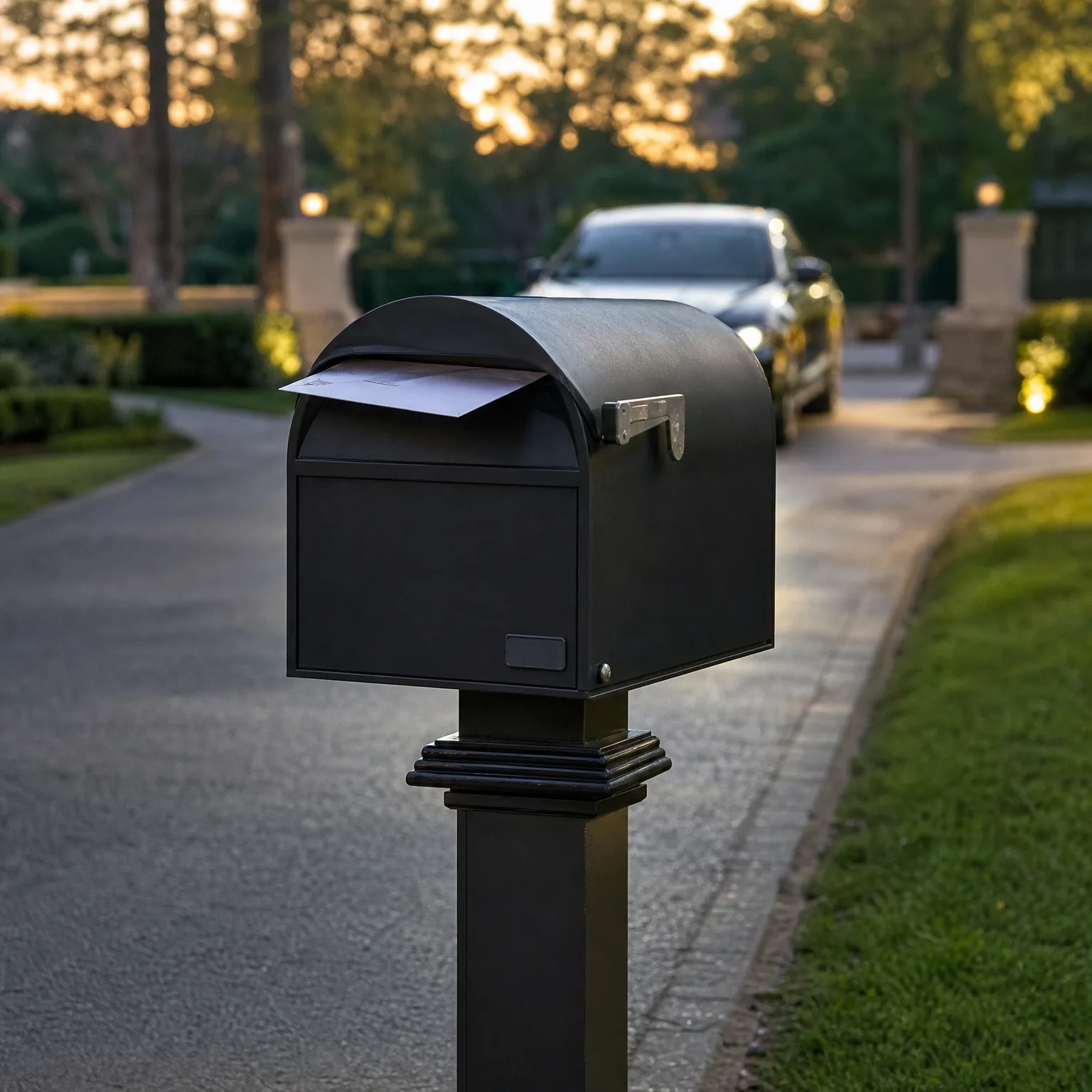
When a carrier files SR-22 on your behalf, they submit the form electronically to WYDOT Driver Services in Cheyenne. WYDOT links the filing to your driver license record. The filing must remain active and uninterrupted for the full 3-year period. Any lapse — even one day — resets the clock in most cases and requires a new filing.
Carriers notify WYDOT of cancellations for three reasons: non-payment, policy cancellation at your request, or material misrepresentation (such as acquiring a vehicle without notifying the carrier). WYDOT receives the cancellation notice within 10 days of the effective cancellation date. Once the notice is received, your license is automatically suspended for failure to maintain SR-22. There's no grace period.
To avoid lapses, set up automatic payments and maintain continuous coverage even if you're not actively driving. Some drivers mistakenly cancel their non-owner SR-22 after completing the Probationary License period, assuming the suspension is over. The Probationary License ends, but the SR-22 filing requirement continues for 3 years from conviction. Canceling early triggers a new suspension and requires you to refile and pay another reinstatement fee.
Wyoming does not have a robust online reinstatement portal. Most reinstatement transactions are handled by mail or phone with WYDOT headquarters in Cheyenne. If your SR-22 lapses, you'll need to contact a carrier, purchase a new non-owner SR-22 policy, confirm WYDOT received the new filing, and then pay the $50 reinstatement fee before your driving privileges are restored. The process typically takes 7–14 days, longer if you're waiting for paper documentation by mail.
Non-Owner SR-22 for Suspended License Drivers Who Never Owned a Vehicle
Urban drivers in Cheyenne, Casper, and Laramie sometimes never owned a vehicle before their suspension. They relied on public transit, borrowed cars, or rideshare services. After a DUI or uninsured-driving citation, they need SR-22 to reinstate their license but have no car to insure. Non-owner SR-22 is designed for this exact scenario.
The policy satisfies WYDOT's proof-of-insurance requirement without requiring you to own a vehicle. You can file non-owner SR-22, complete your Probationary License period (if applicable), and meet the 3-year SR-22 obligation — all while continuing to rely on borrowed or rented vehicles for transportation. Once the 3-year filing period ends, the carrier stops filing SR-22 and your license is fully reinstated with no restrictions.
Some drivers in this category worry that non-owner SR-22 is a waste of money because they're not driving. It's not. Wyoming requires continuous SR-22 filing as a condition of reinstatement, whether you're actively driving or not. Letting the policy lapse triggers a new suspension even if you haven't been behind the wheel. The filing is a compliance obligation, not just coverage for active driving.
If you're suspended for unpaid tickets or child support arrears (which typically do not require SR-22 in Wyoming), you don't need non-owner SR-22 at all. Those suspensions are resolved by paying the underlying debt and the $50 reinstatement fee. SR-22 is required only for DUI, uninsured-driving, and certain high-point violations flagged by WYDOT. Verify your specific suspension cause with WYDOT Driver Services before purchasing non-owner SR-22 — you may not need it.
Frequently Asked Questions
Can I get non-owner SR-22 in Wyoming if I have an ignition interlock requirement?
Yes. The ignition interlock device requirement (W.S. 31-5-233) is separate from your SR-22 filing obligation. Non-owner SR-22 provides the liability coverage and filing; the IID must be installed in any vehicle you drive during your Probationary License period, even if you're borrowing it. Most carriers writing non-owner SR-22 in Wyoming will confirm IID compliance when you apply.
How long does the SR-22 filing period last for a first DUI in Wyoming?
Wyoming requires SR-22 filing for 3 years from the date of conviction, not from the date you apply for reinstatement. This means the clock is already running while you're still suspended. Non-owner SR-22 satisfies both the administrative and judicial suspension filing requirements simultaneously because it's tied to your driver license, not to individual suspension actions.
What happens if I let my non-owner SR-22 lapse during the 3-year filing period?
Any lapse — even one day — triggers an automatic license suspension in Wyoming. WYDOT receives a cancellation notice from your carrier within 10 days, and your driving privileges are suspended immediately. You'll need to purchase a new non-owner SR-22 policy, confirm WYDOT received the new filing, and pay a $50 reinstatement fee before your license is restored. The 3-year filing clock typically resets.
Do I need non-owner SR-22 if I was suspended for unpaid tickets in Wyoming?
No. Unpaid-ticket suspensions and child-support-related suspensions in Wyoming typically do not require SR-22 filing. Those suspensions are resolved by paying the underlying debt and the $50 reinstatement fee. SR-22 is required for DUI, uninsured-driving, and certain high-point violations. Verify your specific suspension cause with WYDOT Driver Services before purchasing non-owner SR-22.
Can I use non-owner SR-22 to satisfy both my administrative and court-ordered DUI suspensions in Wyoming?
Yes. Wyoming's dual-tier DUI system imposes separate suspensions from WYDOT and the court, but non-owner SR-22 satisfies both because the filing is tied to your driver license, not to individual suspension actions. The carrier files SR-22 with WYDOT Driver Services, which administers both suspension tracks. One policy, one filing, both requirements met.
Which carriers write non-owner SR-22 in Wyoming?
Major non-standard carriers serving Wyoming include Geico, Progressive, Dairyland, The General, Bristol West, and National General. State Farm writes SR-22 but non-owner availability varies by state. USAA serves military-affiliated drivers. Wyoming's small population means fewer local-carrier options than urban states, but the major non-standard carriers operate in all 23 counties.
What happens if I buy a car during my 3-year non-owner SR-22 filing period?
You must notify your carrier immediately and convert to owner SR-22. Non-owner SR-22 does not cover vehicles you own. Driving your own car on a non-owner policy leaves you uninsured and can trigger a new suspension. The carrier will add the vehicle to your policy, switch you to owner SR-22, and file an updated SR-22 form with WYDOT. The 3-year filing clock continues from your original conviction date — it doesn't reset.
Related Articles
Wyoming Non-Owner SR-22 Filing Duration by Cause
5/19/2026
Wyoming Non-Owner SR-22 Cost by Cause | Monthly Premiums
5/19/2026
WY Non-Owner SR-22 to Owner When You Buy a Vehicle
5/19/2026
Wyoming Non-Owner SR-22 Insurance: Cost and Carriers
5/19/2026

Wyoming Non-Owner SR-22 vs Owner: Cost Comparison
5/19/2026
Idaho Non-Owner SR-22 by Cause: DUI, Uninsured, Suspension
5/19/2026