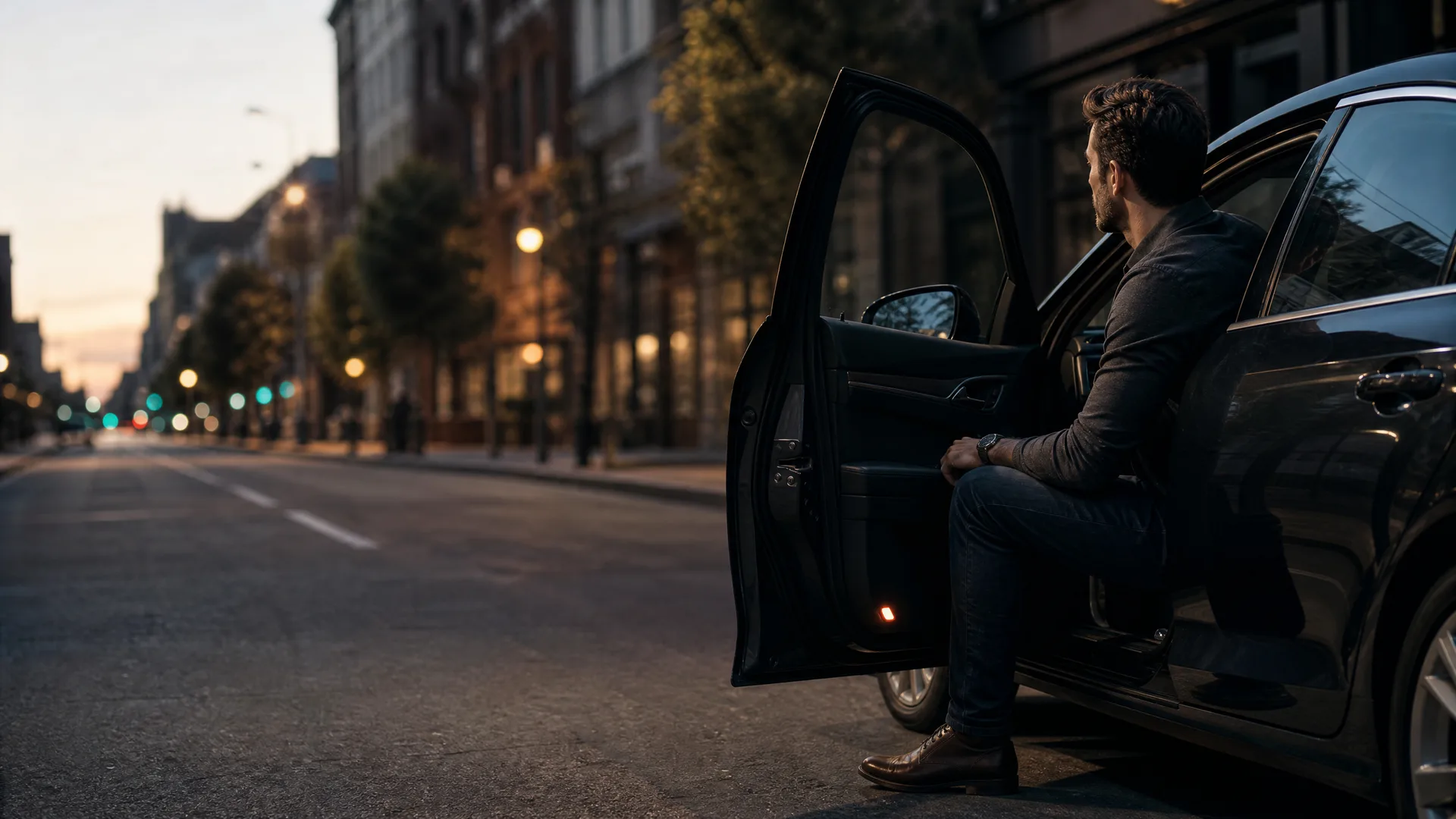
Wisconsin Non-Owner SR-22 vs Owner SR-22: Filing Cost Difference
Get My Non-Owner SR-22 QuoteWhy Non-Owner SR-22 Costs 40-60% Less in Wisconsin
Non-owner SR-22 policies in Wisconsin cost substantially less because they provide liability-only coverage with no vehicle attached to the policy. You're not insuring a specific car—you're insuring yourself when you borrow or rent a vehicle.
Owner SR-22 policies bundle liability, comprehensive, and collision coverage tied to a registered vehicle. That vehicle's make, model, year, theft rate, and repair cost all drive premium calculations. Non-owner policies skip those variables entirely. Monthly premiums for non-owner SR-22 in Wisconsin typically range $45–$85 depending on your violation history and county. Owner SR-22 for the same driver typically runs $140–$220 per month.
The catch: non-owner policies only work if you genuinely don't own a vehicle. If you buy, inherit, or are gifted a car during Wisconsin's three-year SR-22 filing period, you must convert to an owner policy within 30 days or risk a lapse notification sent to WisDOT. Carriers verify vehicle ownership through DMV registration data and will cancel non-owner policies if a vehicle registers in your name.
When Wisconsin Requires SR-22 and How Long Filing Lasts
Wisconsin requires SR-22 filing after OWI convictions, uninsured driving violations under Wis. Stat. § 344.62–344.65, and certain repeat traffic offenses. OWI-related SR-22 requirements last three years from the date of reinstatement, not the conviction date. If your license was revoked for 18 months before you applied for reinstatement, the three-year clock starts when WisDOT issues your new license—not when the court sentenced you.
Uninsured driving violations also trigger three-year SR-22 requirements in most cases. If your carrier cancels your policy and reports the lapse to WisDOT electronically through the state's insurance verification system, WisDOT suspends your registration and operating privilege under Wis. Stat. § 344.64. Reinstatement after a lapse-related suspension requires SR-22 proof and payment of Wisconsin's $60 reinstatement fee—sometimes doubled if multiple suspensions stacked.
The SR-22 filing itself costs $15–$25 as a one-time carrier filing fee, separate from your policy premium. That fee appears at policy purchase and again if you switch carriers mid-filing period. Wisconsin does not charge a state processing fee for SR-22 acceptance—the $60 fee is the license reinstatement fee, not an SR-22 fee.
What Non-Owner SR-22 Covers and What It Does Not
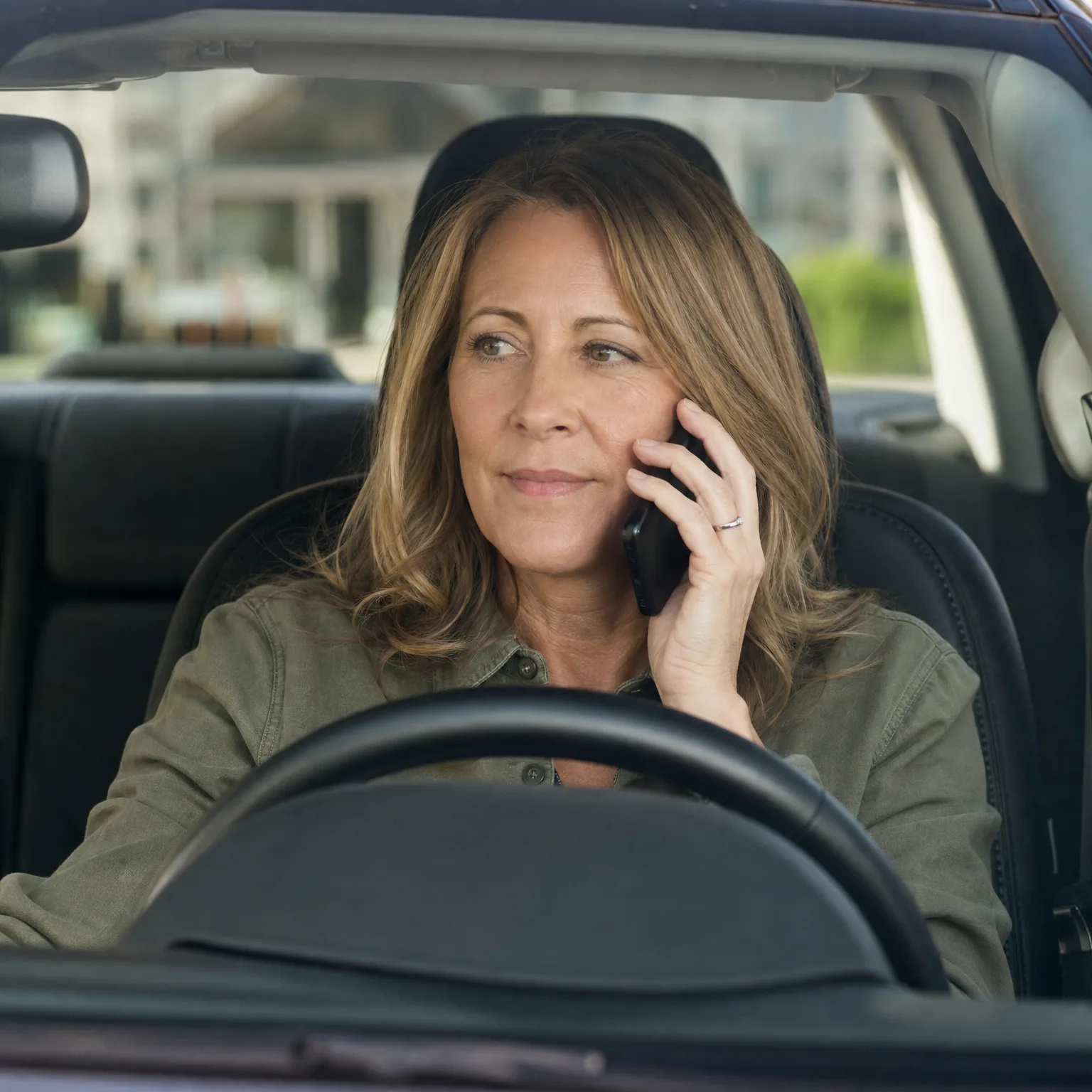
Non-owner SR-22 policies meet Wisconsin's minimum liability requirements: $25,000 bodily injury per person, $50,000 bodily injury per accident, and $10,000 property damage. The policy covers you when you drive a borrowed vehicle, a rental car, or a vehicle owned by a family member or employer—as long as you have permission and the vehicle is not regularly available for your use.
Non-owner policies do not cover vehicles you own, vehicles registered in your name, or vehicles you use regularly without owning (like a live-in partner's car you drive daily). If you own a vehicle, even if it's unregistered or stored, most carriers will deny non-owner coverage. If WisDOT records show a vehicle registered in your name, your carrier will cancel the non-owner policy and file an SR-26 cancellation notice with the state, triggering a new suspension.
Non-owner policies also do not cover comprehensive or collision damage to the borrowed vehicle. If you wreck the car you're driving, the vehicle owner's policy pays for repairs—not yours. Your non-owner policy only covers liability for injuries or property damage you cause to others. This is why non-owner premiums stay low: carriers face minimal vehicle-damage risk.

Cover Your Filing Before You Own a Car Again
Get My Non-Owner SR-22 QuoteWhich Wisconsin Carriers Write Non-Owner SR-22 Policies
Most standard carriers in Wisconsin do not advertise non-owner SR-22 policies online. Geico, Progressive, and Dairyland write non-owner SR-22 in Wisconsin, but quotes often require agent contact rather than self-service online applications. Bristol West and The General also write non-owner SR-22 for Wisconsin filers, though availability varies by county and violation history.
Carriers hesitate to surface non-owner products prominently because profit margins are lower than owner policies. An agent conversation gives the carrier a chance to upsell owner coverage if you mention plans to acquire a vehicle soon. If you request a non-owner quote online and the system redirects you to an agent, that's intentional friction—not a technical limitation.
When shopping for non-owner SR-22, specify three details upfront: you do not own a vehicle, you need SR-22 filing for Wisconsin DMV, and you need coverage effective within 24–48 hours if reinstatement is time-sensitive. Carriers can expedite SR-22 filing electronically to WisDOT, but processing at WisDOT takes an additional 3–5 business days before your license reinstatement clears. Budget that lag into your timeline if you're applying for an Occupational License or full reinstatement.
What Happens If You Buy a Car During Your Filing Period
If you acquire a vehicle at any point during Wisconsin's three-year SR-22 filing period, you must notify your carrier within 30 days and convert to an owner policy. The non-owner policy will not cover the newly acquired vehicle, and driving it uninsured violates Wisconsin's mandatory insurance law even if your SR-22 filing is active.
When you register the vehicle with WisDOT, the state's electronic insurance verification system cross-references your SR-22 filing. If the SR-22 filing shows a non-owner policy but DMV records show a vehicle registered in your name, WisDOT flags the discrepancy. Your carrier receives a query and will cancel the non-owner policy if you don't update coverage within 30 days. That cancellation triggers an SR-26 form sent to WisDOT, which suspends your license again.
To avoid suspension, contact your carrier immediately when you buy or inherit a vehicle. The carrier will cancel the non-owner policy, issue a new owner policy tied to the vehicle's VIN, and file a new SR-22 with the updated coverage. Premium will increase—typically to the $140–$220/month range depending on the vehicle—but the SR-22 filing period does not restart. The three-year clock continues from your original reinstatement date.
How to File SR-22 and Reinstate Your Wisconsin License
Wisconsin SR-22 filing is carrier-initiated, not driver-initiated. You purchase a non-owner liability policy from a licensed carrier, request SR-22 filing at the time of purchase, and the carrier submits the SR-22 form electronically to WisDOT Division of Motor Vehicles. WisDOT processes the filing within 3–5 business days and updates your driver record.
Before WisDOT accepts your SR-22 filing, you must resolve all underlying suspension issues. For OWI-related suspensions, that means completing your AODA assessment and any court-ordered treatment programs under Wis. Stat. § 343.30, paying all reinstatement fees (base $60 fee, plus additional fees if multiple suspensions stacked), and installing an Ignition Interlock Device if required by your conviction. For uninsured driving suspensions, you must pay the $60 reinstatement fee and settle any outstanding fines or fees tied to the lapse.
Once WisDOT processes your SR-22 and confirms all other requirements are met, your license reinstatement clears. If you're applying for an Occupational License instead of full reinstatement, the SR-22 filing must be active before the court will approve your petition. Wisconsin courts will not grant Occupational Licenses without proof of SR-22 on file with WisDOT.
Frequently Asked Questions
Can I switch from owner SR-22 to non-owner SR-22 if I sell my car in Wisconsin?
Yes. Contact your carrier immediately after selling the vehicle and request conversion to a non-owner policy. The carrier will cancel the owner policy, issue a new non-owner policy, and file an updated SR-22 with WisDOT showing the non-owner coverage. Your three-year filing period does not restart—it continues from your original reinstatement date.
Does non-owner SR-22 cover rental cars in Wisconsin?
Yes. Non-owner policies provide liability coverage when you rent a vehicle, but they do not cover collision or comprehensive damage to the rental car itself. If the rental agreement requires physical damage coverage, you must purchase the rental company's collision damage waiver separately—your non-owner policy will not satisfy that requirement.
What happens if my non-owner SR-22 policy lapses in Wisconsin?
Your carrier files an SR-26 cancellation notice with WisDOT within 10 days of the lapse. WisDOT suspends your license immediately upon receiving the SR-26. To reinstate, you must purchase a new non-owner policy, file a new SR-22, pay Wisconsin's $60 reinstatement fee again, and restart your three-year filing period from the new reinstatement date.
Can I get non-owner SR-22 if I have an OWI with Ignition Interlock Device required?
Yes, but the IID requirement complicates non-owner coverage. IID must be installed in any vehicle you drive regularly, which conflicts with the non-owner product's premise that you don't own a vehicle. Most Wisconsin carriers require IID installation in a specific vehicle and will not issue non-owner policies to drivers with active IID orders. Verify IID exemption eligibility with your attorney before shopping for non-owner coverage.
Do all Wisconsin carriers offer the same non-owner SR-22 rate?
No. Rates vary significantly by carrier, violation type, county, and driver age. Geico and Progressive typically quote $50–$75 per month for non-owner SR-22 after OWI. Bristol West and The General often quote $60–$90 for the same profile. Shopping three carriers can save $300–$600 over Wisconsin's three-year filing period.
Can I use non-owner SR-22 to reinstate a CDL in Wisconsin?
Non-owner SR-22 satisfies Wisconsin's financial responsibility filing requirement for personal license reinstatement, but it does not provide the higher liability limits or coverage types some CDL employers require. If your CDL was suspended due to a personal-vehicle OWI, non-owner SR-22 will reinstate your personal license but may not meet employer insurance minimums for commercial driving.
Related Articles
WI Non-Owner SR-22 vs Owner: When Non-Owner Fits
5/19/2026
Wisconsin Non-Owner SR-22: Court Path & Premium Range
5/19/2026
Wisconsin Non-Owner to Owner SR-22 Conversion Guide
5/19/2026
WI Non-Owner SR-22 Cost by Cause: OWI vs Uninsured
5/19/2026
Non-Owner SR-22 for Wisconsin OL Petitions
5/29/2026
Non-Owner SR-22 Premium Range in Minnesota
5/19/2026