
Wisconsin Non-Owner SR-22 Filing Speed: How Fast the Carrier Reports
Get My Non-Owner SR-22 QuoteWhy carrier filing speed doesn't match DMV clearance speed in Wisconsin
Your carrier files the SR-22 electronically with the Wisconsin Department of Transportation within 24 hours of policy activation. The filing itself is near-instant.
The delay happens on the state side. WisDOT's Division of Motor Vehicles must process the SR-22 filing, match it to your suspended license record, verify no outstanding suspensions or fees remain, and then authorize reinstatement. This matching and verification process takes 2-4 business days in most Wisconsin counties.
If you owe the $60 reinstatement fee or have multiple concurrent suspensions stacked, the SR-22 filing sits in queue until you resolve those holds. The carrier can't expedite state processing—they can only submit the form faster.
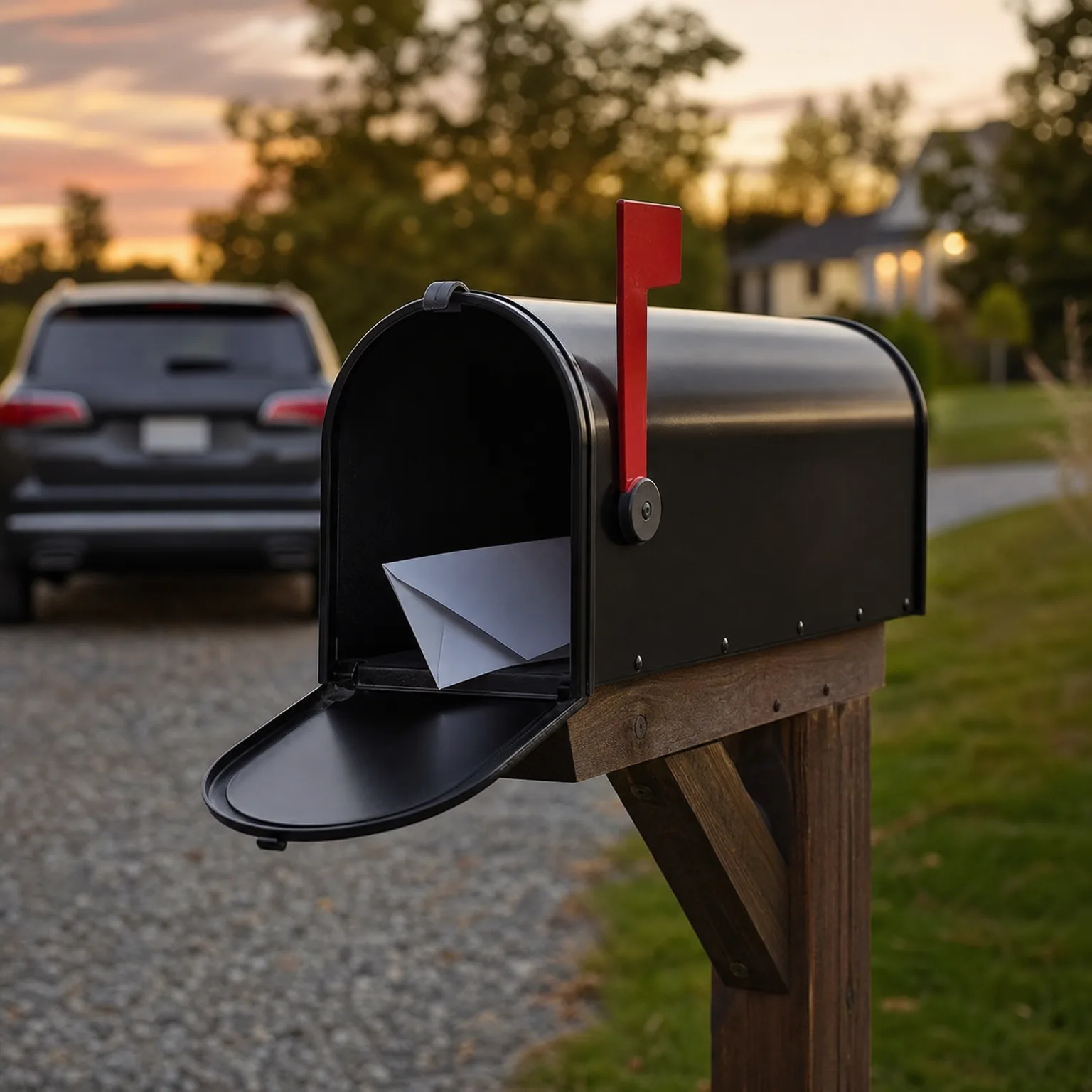
The two-step license issuance process Wisconsin uses for occupational licenses
Wisconsin splits occupational license issuance into two distinct steps, and SR-22 filing enters at step one.
First, you petition the circuit court for an occupational license order. The court reviews your case, sets driving hour restrictions, and issues a signed order granting the occupational license. This is the legal authorization to drive under restricted terms.
Second, you take that court order to the DMV along with proof of SR-22 filing and payment of the reinstatement fee. Only then does the DMV issue the physical occupational license document you can show to law enforcement. Even though your SR-22 filed days earlier, the physical license won't exist until this DMV visit.
Most drivers assume the court order alone is enough, or that the SR-22 filing triggers automatic license issuance. Neither is true. You need both the court's permission and the DMV's administrative clearance before you can legally drive under the occupational license terms.


What creates the 3-5 day clearance window after your carrier files
Wisconsin uses an electronic insurance verification system under Wis. Stat. § 344.62. Carriers submit SR-22 forms through this system, and WisDOT receives them in near real time.
The hold-up isn't transmission speed—it's administrative matching. WisDOT must confirm the SR-22 matches your driver's license number, full legal name, and date of birth exactly as recorded in their system. Typos, middle name discrepancies, or mismatched DOB fields trigger manual review, adding 2-3 days.
Once matched, the system checks for other active suspensions. If you have multiple suspensions stacked, WisDOT assesses separate $60 fees for each. The SR-22 clears one suspension cause, but the license stays flagged until all holds are resolved. Drivers with OWI-related suspensions often face an additional AODA assessment completion requirement and ignition interlock device installation verification before reinstatement is authorized, regardless of how fast the SR-22 filed.

Cover Your Filing Before You Own a Car Again
Get My Non-Owner SR-22 QuoteWhy non-owner SR-22 processing follows the same timeline as owner policies
Non-owner SR-22 insurance files through the same electronic system as standard owner policies. WisDOT doesn't distinguish between the two when processing SR-22 forms.
The carrier submits the SR-22 with your policy details, liability limits, and effective date. The form notes "non-owner" policy type, but that designation doesn't affect processing speed or reinstatement eligibility. Non-owner policies satisfy Wisconsin's SR-22 filing requirement as fully as owner policies do.
One timing advantage: non-owner policies activate faster because there's no vehicle inspection, VIN verification, or comprehensive/collision underwriting to delay binding. You can purchase coverage, pay the premium, and have the carrier file SR-22 the same day. Owner policies sometimes take 24-48 hours to bind if the carrier needs to verify vehicle details with the DMV's title records.
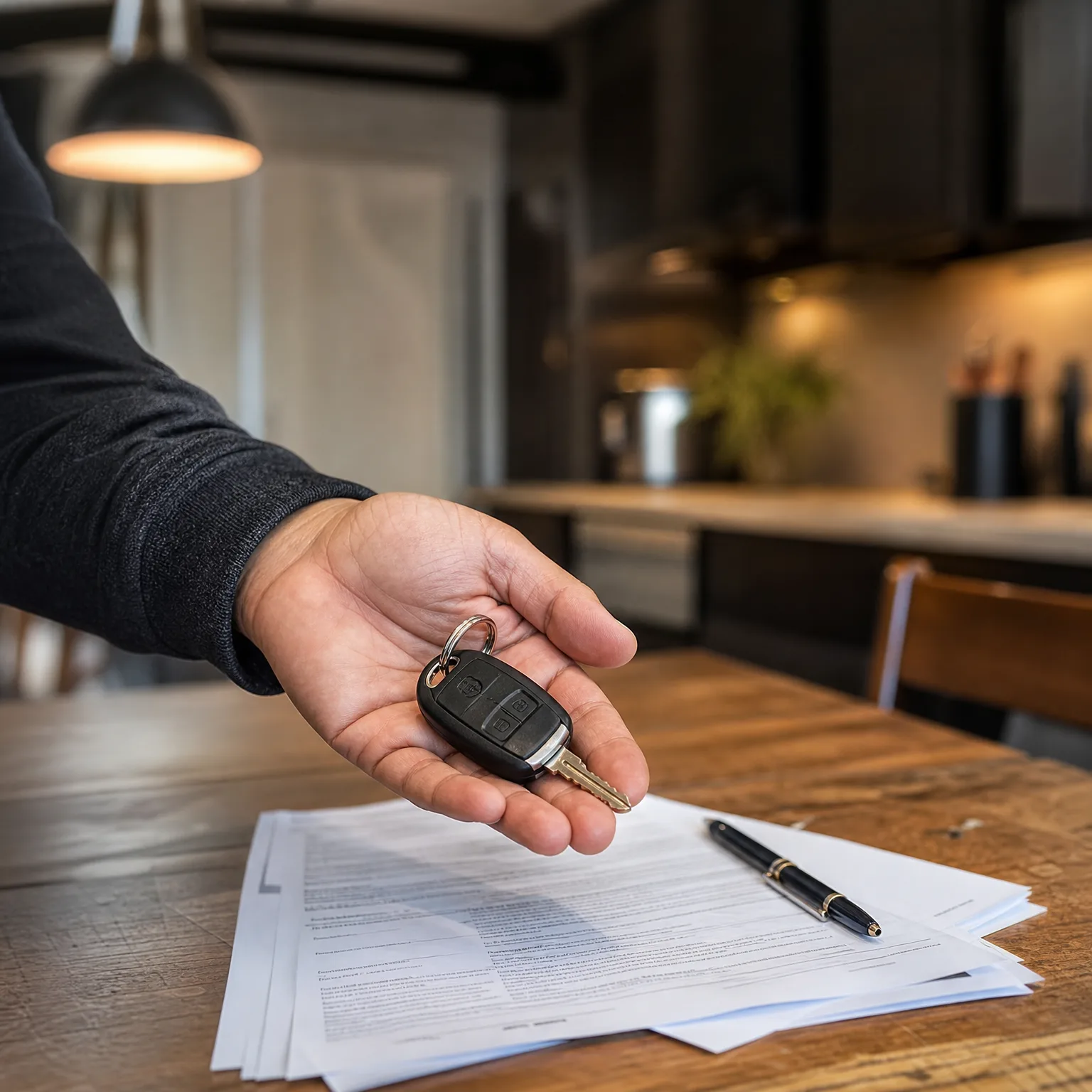
What to do if your DMV record still shows non-compliant after filing
Wait 3-5 business days after your carrier confirms filing before calling WisDOT. Most delays resolve themselves within this window as the system processes the backlog.
If the non-compliant flag persists beyond five days, contact WisDOT's Driver Records Unit at (608) 266-2353. Ask the representative to verify whether the SR-22 filing was received and matched to your license record. Have your policy number, carrier name, and driver's license number ready.
Common issues the DMV can identify immediately: name mismatch between the SR-22 form and your license record, outstanding reinstatement fees not yet paid, or a secondary suspension cause still active. If the SR-22 was rejected due to data mismatch, WisDOT will tell you what needs correction—your carrier can then refile with updated information, usually within 24 hours.
Do not assume the carrier made an error before checking with WisDOT. Most filing delays stem from state-side processing queues or unresolved administrative holds, not carrier mistakes. If WisDOT confirms they never received the filing, then contact your carrier to investigate and resubmit.

How to confirm your SR-22 filing cleared before paying court fees
Before you pay the circuit court to petition for an occupational license, verify your SR-22 filing shows active in WisDOT's system. Courts will not process your occupational license petition if the DMV record shows non-compliant SR-22 status.
Call WisDOT at (608) 266-2353 or check your online DMV account if Wisconsin offers web access for your county. Ask whether the SR-22 filing is listed as active and whether any other suspensions or holds remain on your record. If the representative confirms SR-22 compliance and no other holds, you can proceed with the court petition.
If holds remain—unpaid reinstatement fees, outstanding tickets, or an AODA assessment not yet completed—resolve those first. The court will deny or delay your occupational license petition if the DMV record isn't clear, even if the SR-22 itself filed correctly. Wisconsin's two-step process means you need both state administrative clearance and judicial authorization before the physical license can be issued.
Frequently Asked Questions
How long does it take for a carrier to file SR-22 in Wisconsin after I buy the policy?
Most carriers file SR-22 electronically within 24 hours of policy activation. The filing itself is near-instant once the policy binds. Delays happen on the state processing side, not the carrier submission side.
Can I drive immediately after my carrier files SR-22 in Wisconsin?
No. Wisconsin requires you to petition the circuit court for an occupational license order, then take that order plus proof of SR-22 filing to the DMV to receive the physical occupational license document. The SR-22 filing alone doesn't authorize driving.
Why does my Wisconsin DMV record still show non-compliant after my carrier filed SR-22?
WisDOT takes 2-4 business days to process SR-22 filings, match them to your license record, and clear the non-compliant flag. Name mismatches, outstanding reinstatement fees, or stacked suspensions extend this window. Wait five business days, then call (608) 266-2353 if the flag persists.
Does non-owner SR-22 file slower than regular SR-22 in Wisconsin?
No. Non-owner and owner SR-22 policies file through the same electronic system and process at the same speed. Non-owner policies may activate faster because there's no vehicle inspection or VIN verification required before binding.
What happens if my SR-22 filing is rejected by Wisconsin DMV?
WisDOT will notify your carrier if the filing is rejected due to name mismatch, incorrect driver's license number, or missing data. Your carrier can correct the form and refile within 24 hours. Contact WisDOT at (608) 266-2353 to confirm the reason for rejection.
Can I check if my SR-22 filing cleared before going to court for an occupational license?
Yes. Call WisDOT at (608) 266-2353 or check your online DMV account to verify SR-22 status shows active and no other holds remain. Courts will not process occupational license petitions if the DMV record shows non-compliant SR-22 status.
Related Articles

Wisconsin Non-Owner SR-22 by Cause: DUI, Uninsured, More
5/19/2026
Wisconsin Non-Owner to Owner SR-22 Conversion Guide
5/19/2026

Slow SR-22 Carriers Delay License Reinstatement
5/19/2026
Wisconsin Non-Owner SR-22: Court Path & Premium Range
5/19/2026

Non-Owner SR-22 for Wisconsin OL Petitions
5/29/2026

WI Non-Owner SR-22 vs Owner: When Non-Owner Fits
5/19/2026