
Why Non-Owner SR-22 Costs 30 to 60 Percent Less Than Owner SR-22
Get My Non-Owner SR-22 QuoteThe Price Gap Comes from the Vehicle, Not the Filing
Non-owner SR-22 premiums typically run $40-$80 per month while owner SR-22 premiums on the same driver profile run $140-$240 per month. The SR-22 filing itself costs $15-$50 as a one-time administrative fee charged by the carrier. The price gap exists because owner policies insure a specific vehicle with collision and comprehensive exposure while non-owner policies provide liability-only coverage with no vehicle attached.
The filing requirement is identical. Both policies trigger the same Form SR-22 submission to your state DMV. Both satisfy the proof-of-financial-responsibility mandate. Both maintain continuous coverage reporting for the duration your state requires. The state does not distinguish between owner and non-owner filings when evaluating compliance.
Most drivers assume SR-22 itself is expensive because they receive quotes for owner policies after a suspension trigger. The vehicle coverage is what drives the cost up. If you do not currently own a vehicle, you are paying for coverage you cannot use.
What Non-Owner SR-22 Actually Covers
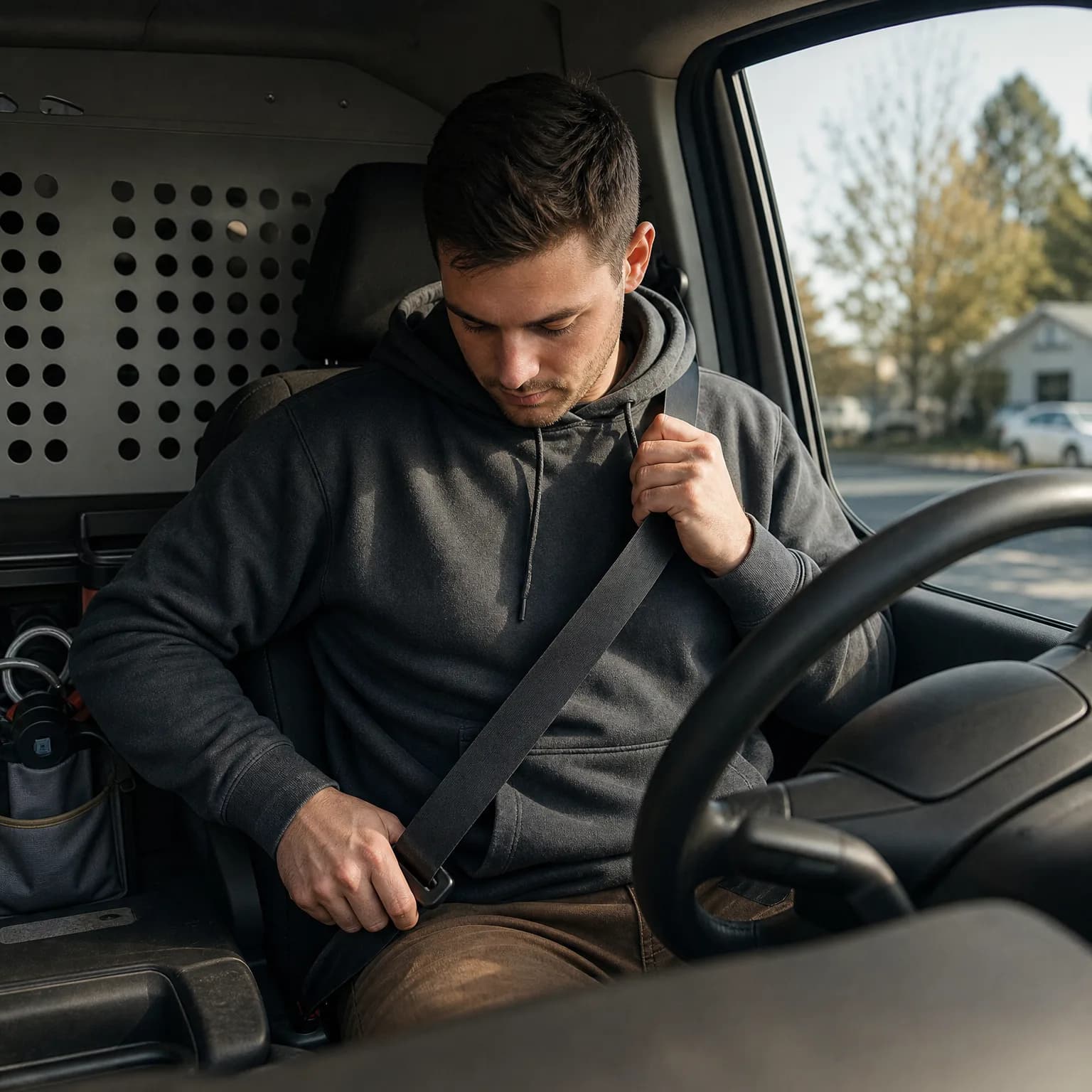
Non-owner SR-22 provides liability coverage when you drive a vehicle you do not own with the owner's permission. This includes borrowed cars, rental vehicles in some states, and occasional-use situations. The policy pays for damage you cause to other people and their property up to your selected liability limits.
It does not cover damage to the vehicle you are driving. It does not cover vehicles you own, lease, or have regular access to. It does not cover vehicles registered to anyone in your household. If you acquire a vehicle during the filing period, you must convert to an owner policy or your non-owner policy will deny claims involving that vehicle.
The state DMV filing requirement focuses on financial responsibility, not vehicle ownership. Non-owner SR-22 satisfies that requirement because it proves you carry continuous liability coverage. When your carrier files Form SR-22 electronically, the state receives confirmation that you meet minimum liability thresholds. The form does not reference a specific vehicle.

Why the Premium Difference Is Structural
Owner SR-22 policies insure a specific vehicle with a VIN, year, make, and model. Carriers evaluate collision risk, theft rates for that model, repair costs, and comprehensive exposure. A 2015 sedan in an urban ZIP code with a DUI-suspended driver triggers high-risk underwriting across multiple coverage types. Premiums reflect that stacked risk.
Non-owner policies eliminate vehicle-specific risk entirely. There is no collision coverage because there is no insured vehicle. There is no comprehensive coverage. No uninsured motorist property damage. The only coverage is liability when you drive someone else's car. Carriers evaluate driver risk and liability exposure only. Premiums drop 30-60 percent because two-thirds of the coverage components disappear.
The filing fee itself is the same. Whether your carrier files SR-22 on an owner or non-owner policy, the administrative cost to submit Form SR-22 electronically is identical. Some carriers charge $15, some charge $50. The fee does not vary by policy type.
When Non-Owner SR-22 Is the Correct Product
Non-owner SR-22 is the correct product when you do not own a vehicle and need to satisfy a state filing requirement to reinstate your license. Common scenarios include impound aftermath, selling your vehicle during suspension to reduce costs, or never having owned a car. Urban drivers who relied on public transit, rideshare, or family vehicles before suspension often fall into this category.
It is also correct when you expect to borrow vehicles occasionally but do not plan to purchase one during the filing period. The policy keeps you compliant and provides liability protection when you drive. If your state requires three years of SR-22 filing and you do not anticipate buying a car in that window, non-owner coverage is the most cost-effective path.
It is not correct if you own a vehicle, lease a vehicle, or have regular access to a household vehicle. Carriers will deny claims if you drive a vehicle you own under a non-owner policy. It is also not correct if you plan to buy a car within the next six months. Switching from non-owner to owner mid-filing triggers new underwriting and a lapse risk if the transition is not timed correctly.

Cover Your Filing Before You Own a Car Again
Get My Non-Owner SR-22 Quote
Florida and Virginia Drivers Face Higher Costs
Florida and Virginia require FR-44 filing for DUI-related suspensions instead of SR-22. FR-44 mandates doubled liability minimums: $100,000 bodily injury per person, $300,000 per accident, and $50,000 property damage in Florida. Virginia mirrors those thresholds. SR-22 states typically require $25,000/$50,000/$25,000 or $30,000/$60,000/$25,000.
Non-owner FR-44 premiums run approximately $80-$140 per month because the higher liability limits increase carrier exposure. The 30-60 percent discount relative to owner FR-44 still applies, but the baseline cost is higher than non-owner SR-22 in other states. A Florida driver without a vehicle will still pay less than an owner FR-44 driver, but more than a comparable SR-22 driver in Georgia or Texas.
The filing mechanics are identical. Carriers submit FR-44 electronically to the Florida DHSMV or Virginia DMV. The state monitors continuous coverage. If the policy lapses, the carrier files an FR-45 cancellation notice and the state suspends your license again.
What Happens If You Buy a Vehicle During the Filing Period
If you acquire a vehicle while holding a non-owner SR-22 policy, you must notify your carrier immediately and convert to an owner policy. The non-owner policy will not cover the newly acquired vehicle. If you drive it and cause an accident, the carrier will deny the claim because the policy excludes owned vehicles.
Most carriers allow conversion without a lapse. You provide the VIN, year, make, and model. The carrier underwrites the vehicle, adjusts your premium, and maintains the SR-22 filing continuously. The state sees no gap. Your filing period clock continues uninterrupted. Premiums will increase to reflect the added vehicle coverage, typically to the $140-$240/month range depending on the vehicle and your state.
If you fail to notify the carrier and a claim occurs, you lose both coverage and compliance. The carrier denies the claim, you face out-of-pocket liability, and your SR-22 filing status becomes uncertain. Some carriers will cancel the policy retroactively, triggering an SR-26 or equivalent cancellation notice to the state. Your license suspends again.
How to Compare Non-Owner SR-22 Quotes
Non-owner SR-22 is offered by non-standard carriers and a subset of standard carriers willing to write high-risk liability-only policies. Progressive, The General, Direct Auto, Bristol West, and Acceptance Insurance commonly write non-owner SR-22 in most states. State Farm and Geico write it selectively depending on state and violation type.
Request quotes from at least three carriers. Provide your license number, suspension trigger, required filing period, and confirmation that you do not own a vehicle. Ask whether the quoted premium includes the SR-22 filing fee or if it is added separately. Some carriers bundle the $15-$50 fee into the first month's premium; others itemize it.
Confirm the carrier files electronically and provides you with a copy of Form SR-22 for your records. Confirm the policy start date aligns with your reinstatement timeline. Some states require the SR-22 filing to be active before you can apply for reinstatement; others allow concurrent filing and application. Verify current requirements with your state DMV before binding coverage.
Frequently Asked Questions
Does non-owner SR-22 satisfy the same state filing requirement as owner SR-22?
Yes. Both policies trigger the same Form SR-22 submission to your state DMV. The state does not distinguish between owner and non-owner filings when evaluating proof of financial responsibility. The filing requirement is identical.
Can I switch from non-owner SR-22 to owner SR-22 without a lapse if I buy a car?
Yes, if you notify your carrier immediately when you acquire the vehicle. Most carriers allow conversion without breaking the SR-22 filing continuity. The state sees no gap and your filing period clock continues. Premiums increase to reflect the added vehicle coverage.
Why do non-owner SR-22 premiums vary so much by carrier?
Non-standard carriers use different underwriting models for high-risk liability-only policies. Some weight violation type heavily, others weight state filing duration or age. A DUI-triggered filing in one state may price 40 percent higher with Carrier A than Carrier B. Always compare at least three quotes.
Does non-owner SR-22 cover rental cars?
It depends on the state and the carrier's policy language. Most non-owner policies provide liability coverage when you rent a vehicle, but collision damage waiver is not included. Verify your specific policy language and consider purchasing the rental agency's CDW if you rent frequently.
What happens if my non-owner SR-22 policy lapses during the filing period?
The carrier files an SR-26 or equivalent cancellation notice with your state DMV within 10-30 days depending on state law. The state suspends your license again immediately. You must purchase a new policy, refile SR-22, and in most states restart the filing period clock from zero.
Can I get non-owner SR-22 if I have a car registered in my household?
No. Non-owner policies exclude vehicles owned by or registered to anyone in your household. If a household member owns a vehicle you have regular access to, you need to be listed on their owner policy or purchase your own owner SR-22 policy.
Related Articles
Non-Owner vs Owner SR-22: Which Filing Path Costs Less
5/19/2026

Non-Owner vs Owner SR-22: Cost and Coverage Differences
5/19/2026

Non-Owner SR-22 vs Owner SR-22: Which Filing Fits
5/19/2026

Non-Owner SR-22 Cost: What Moves Your Quote Most
5/19/2026

Non-Owner SR-22 vs Standard Non-Owner Liability Cost
5/19/2026

Non-Owner SR-22 After Uninsured Driving Suspension
5/19/2026