
When Non-Owner SR-22 Is the Right Choice and When Owner SR-22 Wins
Get My Non-Owner SR-22 QuoteWhy Non-Owner SR-22 Exists and Who It Actually Serves
Non-owner SR-22 policies provide liability coverage when you drive someone else's vehicle with permission—and satisfy state SR-22 filing requirements without attaching to a specific car you own. Most carriers charge $40-$80/month for non-owner SR-22 compared to $140-$220/month for owner policies covering an actual vehicle. The filing itself works identically: the carrier submits Form SR-22 to your state DMV on your behalf, certifying continuous liability coverage for the required filing period.
This product exists for three distinct situations. First, drivers whose vehicles were impounded or totaled after the violation triggering the SR-22 requirement. Second, drivers who sold their car during the suspension period to reduce costs and now need filing to reinstate. Third, urban or low-income drivers who never owned a vehicle but face SR-22 filing requirements after driving someone else's car without proper insurance.
The coverage itself provides bodily injury and property damage liability when you drive a borrowed vehicle. It does not provide collision or comprehensive coverage. It does not cover vehicles you own, rent regularly, or have regular access to. The moment you purchase or are gifted a vehicle, non-owner policies typically exclude that vehicle from coverage—meaning you're driving uninsured unless you convert to an owner policy.

The Cost Math That Makes Non-Owner SR-22 Attractive Initially
Non-owner SR-22 premiums range from $480-$960 annually in most states, compared to $1,680-$2,640 for owner SR-22 policies. Over a 3-year filing period—the most common duration for DUI-related SR-22 in many states—that's a potential savings of $3,600-$5,040. Florida and Virginia drivers face higher costs due to FR-44 filing requirements, which mandate doubled liability limits and typically add 40-60% to base premiums, but the non-owner discount still applies proportionally.
The savings come from risk profile differences. Non-owner policies assume occasional borrowed-vehicle use, not daily commuting exposure. Carriers price them accordingly. The SR-22 filing fee itself—typically $25-$50 depending on the state—applies equally to both policy types and is charged at policy inception and each renewal.
This math holds only if you genuinely remain vehicle-free for the entire filing period. The moment you acquire a vehicle, the comparison resets. You'll need to convert to an owner policy at owner rates, often mid-term, which can trigger prorated premium adjustments and new underwriting. Some carriers allow seamless conversions. Others require you to cancel the non-owner policy and purchase a new owner policy, which can create a coverage gap if not timed correctly.

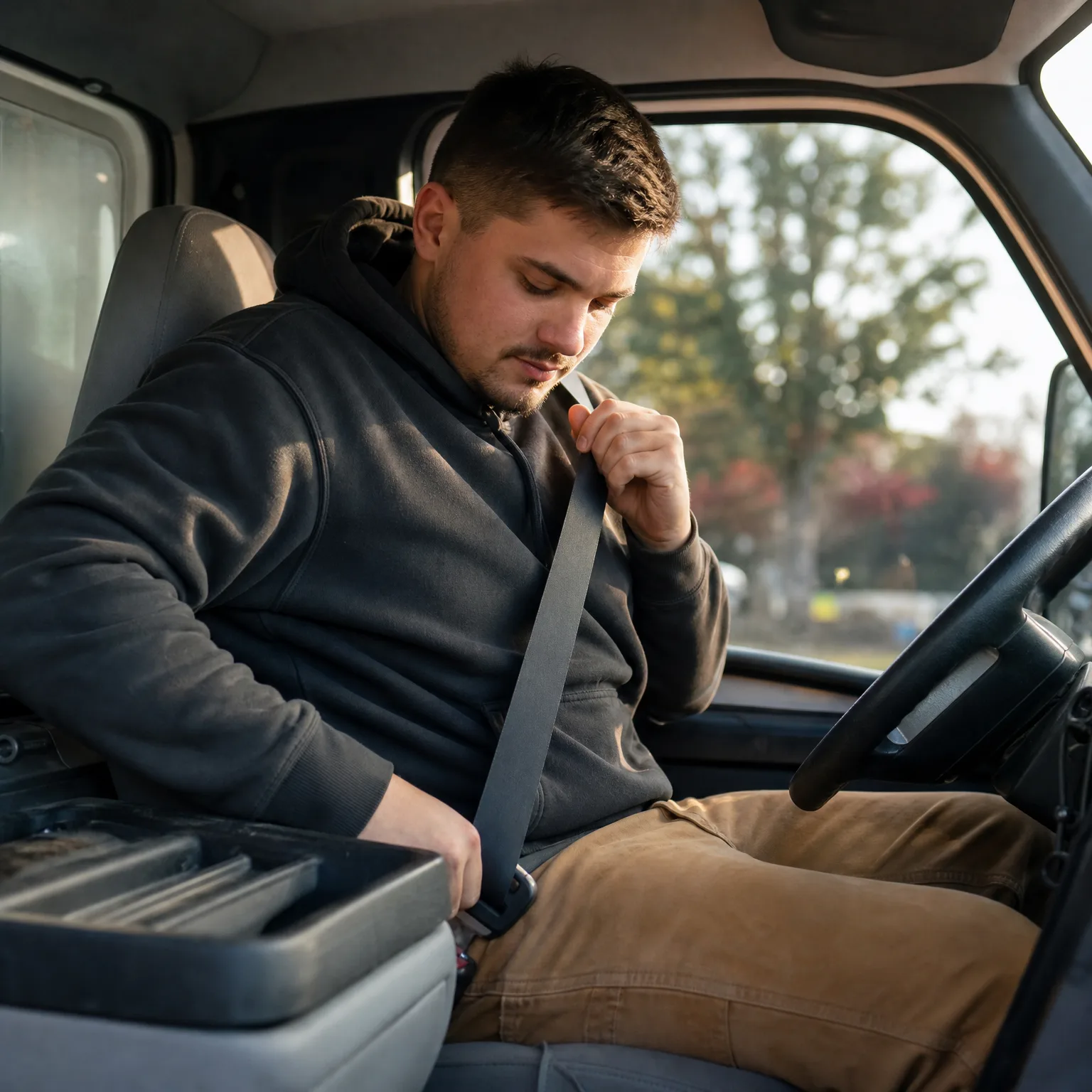
What Happens When You Buy or Inherit a Vehicle Mid-Filing
Most non-owner policies exclude vehicles the named insured owns, leases, or has regular access to. If you purchase a car two years into a three-year SR-22 filing period, you're immediately driving that vehicle uninsured under the non-owner policy. Some drivers discover this only after an accident or traffic stop—at which point the state can suspend your license again for driving uninsured, extending your SR-22 filing period or adding new violations.
You have two options when acquiring a vehicle. Option one: convert your non-owner policy to an owner policy with the same carrier. This requires adding the vehicle to your policy, updating coverage to include comprehensive and collision if you're financing, and accepting the premium increase to owner rates. Most carriers will prorate the adjustment, charging the difference for the remaining policy term. Option two: cancel the non-owner policy and purchase a new owner policy with a different carrier. This approach makes sense if another carrier offers better owner rates, but you must ensure the new carrier files SR-22 before the old carrier processes the cancellation and files SR-26 (the cancellation form). A lapse of even one day can restart your filing clock in some states.
Inherited or gifted vehicles create the same issue. If a family member adds you to the title or gives you a car outright, your non-owner policy no longer covers that vehicle. Even if you don't drive it daily, legal ownership typically triggers the exclusion. You must convert or replace the policy to maintain both SR-22 compliance and actual coverage.

Cover Your Filing Before You Own a Car Again
Get My Non-Owner SR-22 QuoteWhen Owner SR-22 Makes More Sense From Day One
If you already own a vehicle—even one that's not currently drivable—owner SR-22 is your only compliant option. Non-owner policies explicitly exclude vehicles titled in your name. Attempting to file non-owner SR-22 while owning a car can result in the carrier rescinding the policy once they discover the ownership conflict, which terminates your SR-22 filing and triggers a new suspension.
If you plan to purchase a vehicle within the first 6-12 months of your filing period, owner SR-22 from the start avoids mid-term conversion costs and complexity. The premium difference narrows when you factor in carrier conversion fees, potential lapses during the transition, and the administrative burden of managing two policies in one filing period. Some carriers charge $50-$75 for mid-term policy changes, and not all carriers offer non-owner products, meaning you may need to switch carriers entirely to convert.
Drivers financing or leasing a vehicle have no choice: lenders require comprehensive and collision coverage, which non-owner policies do not provide. You'll need an owner policy that includes full coverage plus SR-22 filing. Attempting to satisfy a lender's insurance requirement with a non-owner policy will result in the lender force-placing coverage at significantly higher cost—and that force-placed coverage won't include SR-22 filing, leaving you non-compliant with your state DMV.

The Coverage Gap Risk Most Drivers Miss
Non-owner SR-22 provides liability coverage when you drive someone else's vehicle with permission. It does not provide coverage when you drive a vehicle you own. It also does not provide coverage when you drive a rental car in most cases—rental agreements typically require you to purchase the rental agency's liability coverage or prove you have a personal auto policy that extends to rentals. Many non-owner policies exclude rental vehicles entirely.
If you borrow a family member's car regularly—meaning more than occasional use—some carriers consider that "regular access" and exclude coverage. The definition of regular varies by carrier. Weekly use is almost always considered regular. Monthly use falls into a gray zone. The family member's insurance is primary in these situations, but if their limits are exhausted in an accident, your non-owner policy should provide secondary coverage—unless the carrier determines your use was regular enough to trigger the exclusion.
This creates enforcement risk. If you're pulled over while driving a vehicle the officer believes you use regularly, and the carrier later determines the vehicle should have been excluded, you've been driving uninsured. That can restart your SR-22 filing period, add points, or trigger a new suspension for failure to maintain required coverage. The safest approach: if you drive the same borrowed vehicle more than twice a month, add yourself as a named driver on the owner's policy instead of relying on non-owner coverage.

How to Choose Between the Two at Filing Start
Start with vehicle ownership status today and projected status in 12 months. If you own a vehicle now, owner SR-22 is required. If you don't own a vehicle and have no plans to purchase one in the next year, non-owner SR-22 saves money and satisfies your filing requirement. If you're uncertain—maybe you'll buy a car, maybe you won't—the decision hinges on how much you'll actually drive during that uncertain period.
Drivers who don't drive at all can still file non-owner SR-22. The policy provides coverage when you do drive, and the SR-22 filing satisfies your state's proof-of-insurance requirement for reinstatement. You're paying for the privilege of legal driving and the filing itself, not for miles driven. This makes non-owner SR-22 ideal for drivers who need reinstatement to resolve license holds—employment verification, professional licensing, or travel—but have no immediate need to drive.
Drivers who commute by public transit, bike, or rideshare but occasionally need to drive benefit most from non-owner policies. The premium reflects occasional use. If you later start commuting by car or take a job requiring daily driving, that's the signal to convert to owner coverage—either because you'll purchase a vehicle or because your borrowed-vehicle use will cross into "regular access" territory. Waiting until the accident happens to discover the coverage gap is the failure mode this decision exists to avoid.
Frequently Asked Questions
Can I switch from non-owner SR-22 to owner SR-22 mid-filing without restarting the clock?
Yes, as long as the new owner policy's SR-22 filing is active before the old non-owner policy cancels. Most states require continuous SR-22 coverage with no lapses. Coordinate the effective dates with both carriers to avoid even a one-day gap, which can restart your filing period in some states.
Does non-owner SR-22 cover me when I rent a car?
Most non-owner policies exclude rental vehicles or require you to purchase the rental agency's liability coverage. Check your policy declarations page for rental coverage language. If rentals are excluded, you'll need to buy coverage from the rental agency each time you rent.
What happens if I'm caught driving a car I own while insured under non-owner SR-22?
The carrier can rescind your policy for material misrepresentation, which terminates your SR-22 filing and notifies your state DMV. You'll face a new suspension for driving uninsured and lose credit for the time already served under the SR-22 filing. Owner SR-22 is required the moment you own a vehicle.
Can I keep non-owner SR-22 if a family member gives me a car but keeps it titled in their name?
If you're listed on the title, registration, or insurance as an owner or regular driver, most non-owner policies exclude coverage. If the vehicle remains titled solely in the family member's name and you're only listed as a permitted driver on their policy, non-owner SR-22 may still apply—but you're in the gray zone where carriers can deny claims if they determine you had regular access.
Is non-owner SR-22 cheaper in every state or does it vary?
Non-owner SR-22 is typically 30-60% cheaper than owner SR-22 across all states, but absolute premium levels vary widely. Florida and Virginia require FR-44 filing for DUI triggers, which doubles liability minimums and costs more than SR-22 states. Urban states with higher liability claim costs see higher non-owner premiums than rural states.
Do I still need SR-22 if I stop driving entirely during the filing period?
Yes. SR-22 is a filing requirement tied to your license reinstatement, not your actual driving activity. If you stop driving, you still must maintain continuous SR-22 coverage for the full filing period specified by your state. Non-owner SR-22 is the cheapest way to satisfy this requirement when you're not driving.
Can I switch carriers mid-filing to get a lower rate on non-owner SR-22?
Yes, but the new carrier must file SR-22 with your state before the old carrier processes cancellation and files SR-26. Coordinate effective dates to avoid a lapse. Some states allow a brief grace period, but most require continuous coverage with no gaps, and even one day of lapse can restart your filing clock.
Related Articles

Why Non-Owner SR-22 Costs 30-60% Less Than Owner SR-22
5/19/2026

Non-Owner vs Owner SR-22: Cost and Coverage Differences
5/19/2026

Non-Owner SR-22 vs Owner SR-22: Which Filing Fits
5/19/2026

Non-Owner SR-22 After Uninsured Driving Suspension
5/19/2026

Non-Owner SR-22 vs Standard Non-Owner Liability Cost
5/19/2026

Non-Owner SR-22 After No-Insurance Crash | File Now
5/19/2026