Non-Owner SR-22 Triggers: When Filing Without a Vehicle Becomes Mandatory
Get My Non-Owner SR-22 QuoteWhen Non-Owner SR-22 Becomes the Only Filing Option
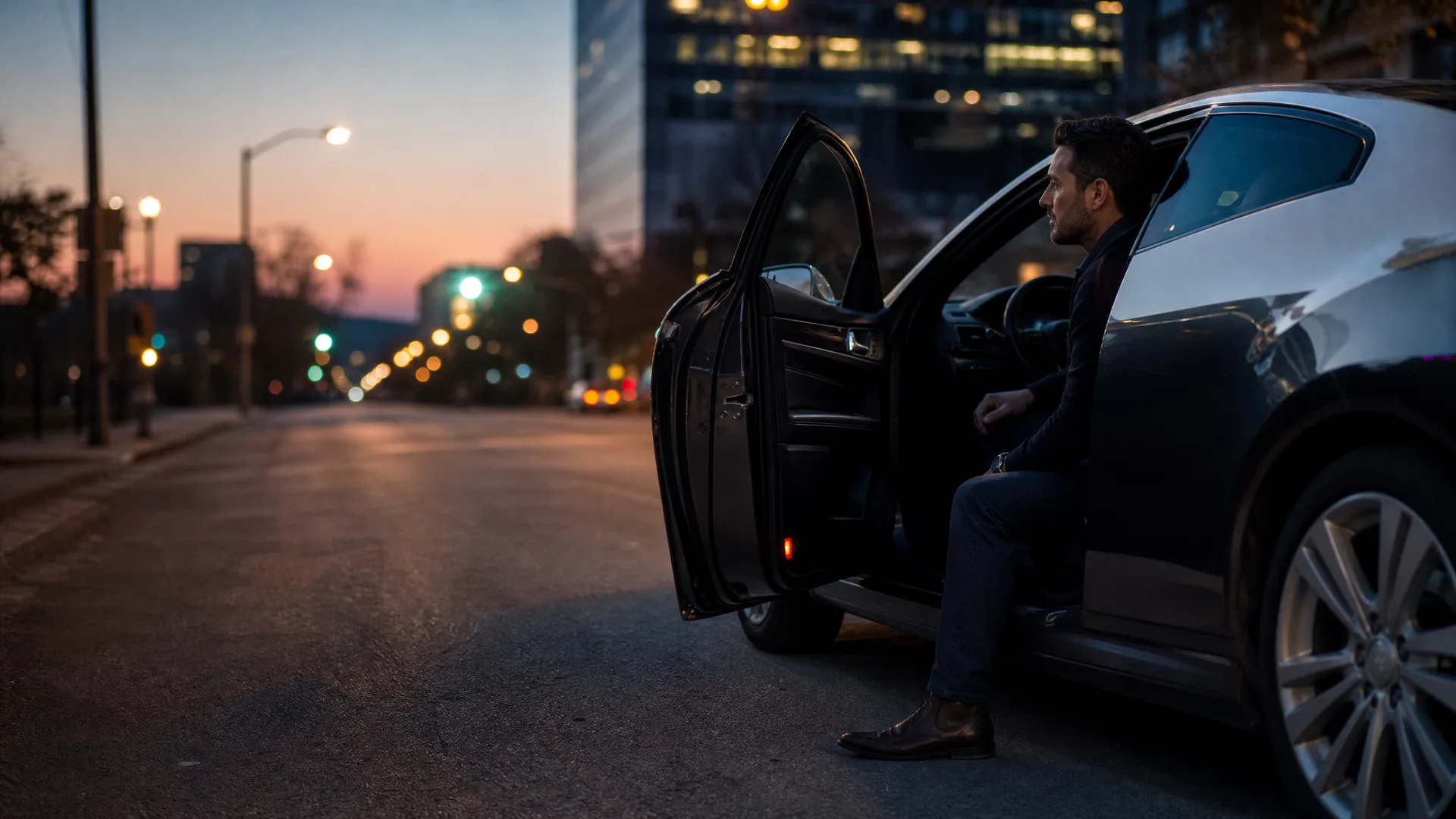
You face non-owner SR-22 filing when your state requires SR-22 proof of financial responsibility AND you do not own a vehicle at the time filing is due. The violation itself — DUI, uninsured accident, driving while suspended — triggers the SR-22 requirement. Your lack of vehicle ownership determines that non-owner coverage is the product that satisfies it.
Standard SR-22 policies attach to a specific vehicle you own and insure. They include liability, collision, and comprehensive coverage tied to that vehicle's VIN. Non-owner SR-22 policies provide only liability coverage when you drive someone else's vehicle with permission. They satisfy the state's SR-22 filing mandate without requiring you to own or insure a specific car.
Most drivers in this position sold their vehicle after suspension, had their car impounded following the underlying offense, or never owned a vehicle to begin with. The state DMV does not care why you lack a car. It cares that you file proof of continuous coverage meeting minimum liability limits for the entire required filing period. Non-owner SR-22 accomplishes that at 30-60% lower premiums than owner policies because there is no physical vehicle to insure for collision or comprehensive damage.

Which Violations Require SR-22 Filing in the First Place
Non-owner SR-22 is a product type, not a violation category. The underlying violation determines whether you need SR-22 filing at all. Once SR-22 is required, your vehicle ownership status determines whether you file through a standard owner policy or a non-owner policy.
DUI, DWI, OVI, and OWI convictions require SR-22 in most states. Filing periods range from one to five years depending on state law and whether this is a first or subsequent offense. Florida and Virginia require FR-44 filing for DUI and certain aggravated offenses — non-owner FR-44 is the equivalent product, with doubled liability minimums and roughly twice the cost of non-owner SR-22 elsewhere.
Driving without insurance triggers SR-22 in nearly every state. Many states also require SR-22 after uninsured motorist accidents, even if you were not cited for lack of coverage at the scene. Reckless driving, excessive points accumulation, and driving while suspended for insurance reasons often carry SR-22 requirements. Suspended license for non-insurance reasons — unpaid tickets, child support arrears, failure to appear — typically do not require SR-22 unless the suspension resulted from uninsured driving.
Your reinstatement paperwork will state explicitly whether SR-22 filing is required. If it is, and you do not own a vehicle, non-owner SR-22 is how you satisfy that requirement.

How Non-Owner SR-22 Satisfies State Filing Requirements
Non-owner SR-22 policies issue a certificate of financial responsibility — Form SR-22 — filed electronically by the carrier with your state DMV or equivalent agency. The form attests that you hold continuous liability coverage meeting or exceeding state minimum limits. The filing remains active as long as the policy remains active and premiums are paid on time.
The state monitors the filing. If your policy lapses or is canceled, the carrier notifies the DMV immediately, triggering suspension reinstatement failure or license re-suspension. Most states require 30 days' advance notice before cancellation to allow you time to replace coverage and maintain continuous filing.
Non-owner policies do not list a specific vehicle VIN on the SR-22 form. The coverage applies when you drive any vehicle you do not own — borrowed cars, rental vehicles, employer-owned vehicles used with permission. The state accepts this structure as valid proof of financial responsibility because the policy ensures you carry liability coverage whenever you drive, regardless of which vehicle you operate.
Filing fees vary by state and range from $15 to $50 per filing, separate from the insurance premium. Some carriers charge the state filing fee directly; others roll it into the policy setup cost. Verify current filing fee requirements with your state DMV as these change periodically.
Cover Your Filing Before You Own a Car Again
Get My Non-Owner SR-22 QuoteWhat Happens If You Acquire a Vehicle During the Filing Period
Non-owner SR-22 covers you only when driving vehicles you do not own. If you purchase, lease, or are gifted a vehicle while your SR-22 filing period is active, you must convert to a standard owner policy or add the vehicle to your existing coverage if your carrier permits mid-term changes.
Most non-owner carriers do not convert non-owner policies to owner policies mid-term. You will need to cancel the non-owner policy and purchase a new owner policy that includes the vehicle. The new carrier must file an updated SR-22 reflecting the vehicle ownership and higher coverage limits if required by your state. Gaps in SR-22 filing restart the filing clock in many states, so time the transition carefully.
Some drivers maintain the non-owner policy and purchase a separate standard policy for the acquired vehicle. This stacks coverage but typically costs more than consolidating both the filing requirement and vehicle coverage under a single owner policy. Carriers and states vary in how they handle stacked filings, so confirm with both your carrier and your state DMV before purchasing a vehicle mid-filing.
If you register a vehicle in your name but fail to update your SR-22 filing to reflect ownership, the state may flag the discrepancy and suspend your license for noncompliance. DMVs cross-reference vehicle registration databases with SR-22 filings during compliance audits.

Cost Comparison: Non-Owner SR-22 vs Owner SR-22
Non-owner SR-22 premiums typically range from $25 to $70 per month depending on state, violation type, age, and filing period length. Owner SR-22 premiums for the same driver and violation typically run $80 to $200 per month because the policy includes comprehensive and collision coverage tied to a specific vehicle.
The cost difference reflects risk exposure. Non-owner policies cover only liability when you drive borrowed vehicles occasionally. Owner policies cover liability plus physical damage to your own vehicle, which increases actuarial risk and premium cost. Non-owner policies do not cover damage to the vehicle you are driving unless it is your fault and the other party's property damage liability applies, so your actual driving frequency and vehicle access matter less to the carrier's underwriting model.
Florida and Virginia non-owner FR-44 policies cost more than standard non-owner SR-22 elsewhere because FR-44 requires doubled liability minimums. Florida FR-44 mandates $100,000 bodily injury per person, $300,000 per accident, and $50,000 property damage instead of standard SR-22 minimums. Expect non-owner FR-44 premiums to run $50 to $120 per month depending on the underlying violation and your county.
Estimates based on available industry data; individual rates vary by driving history, violation details, age, and coverage selections. Always compare quotes from multiple non-standard carriers licensed to file in your state.
Which Carriers Write Non-Owner SR-22 Policies
Non-owner SR-22 is a non-standard product offered primarily by high-risk and specialty carriers. Progressive, The General, Bristol West, Dairyland, and National General write non-owner policies in most states. State Farm, GEICO, and Allstate typically do not offer non-owner SR-22, though individual state availability varies.
Not all non-standard carriers are licensed to file SR-22 in every state. Confirm the carrier is authorized to file electronically with your specific state DMV before purchasing coverage. Some carriers file only in states where they maintain an in-state office or meet specific licensing requirements.
Online quote comparison tools filter by state and filing type, showing only carriers licensed to file non-owner SR-22 in your location. Direct-to-carrier quotes require manual verification that the carrier files in your state and that the policy meets your reinstatement requirements exactly as stated in your suspension order.
Some drivers assume any liability policy satisfies SR-22 requirements. It does not. The carrier must file Form SR-22 with the state on your behalf and maintain continuous filing for the entire required period. A standard liability policy without SR-22 filing attached will not lift your suspension or prevent re-suspension.
Frequently Asked Questions
Can I get non-owner SR-22 if I live with someone who owns a car?
Yes, but you must prove to the carrier that the vehicle is registered and insured in the other person's name and that you are not a regular operator. Most carriers require a signed affidavit or proof of separate insurance on the household vehicle. If you drive the household vehicle regularly, the carrier may require you to be added to that vehicle's policy as a named driver instead of issuing a separate non-owner policy.
Does non-owner SR-22 cover rental cars?
Non-owner SR-22 provides liability coverage when you drive a rental car, satisfying the state's financial responsibility requirement. It does not cover physical damage to the rental vehicle itself. Rental companies offer separate collision damage waiver coverage at the counter if you want protection for the rental car.
What happens if I let my non-owner SR-22 policy lapse?
The carrier notifies your state DMV immediately, triggering license suspension or reinstatement failure depending on your current status. Most states require you to restart the full SR-22 filing period from the date coverage is restored. Gaps of even one day count as noncompliance in many jurisdictions.
Can I switch carriers mid-filing without restarting the SR-22 clock?
Yes, as long as the new carrier files SR-22 before the old policy cancels and there is no gap in coverage. Coordinate the effective dates carefully — most drivers overlap policies by one day to ensure continuous filing. The state tracks cumulative filing time across carriers as long as no lapse occurs.
Do I need non-owner SR-22 if I only drive occasionally?
If your state requires SR-22 filing for your violation and you do not own a vehicle, you need non-owner SR-22 regardless of how often you drive. The filing requirement is tied to reinstatement eligibility, not driving frequency. The state requires proof of continuous coverage for the entire mandated period even if you never get behind the wheel.
Is non-owner SR-22 accepted in every state?
Most states accept non-owner SR-22 as valid proof of financial responsibility for drivers without vehicle ownership. A few states restrict non-owner filings or require additional documentation proving you do not have regular access to a household vehicle. Verify acceptance with your state DMV before purchasing coverage.
Related Articles

Non-Owner SR-22 After Court-Ordered Filing Explained
5/19/2026

Non-Owner SR-22 Filing Without a Vehicle After Suspension
5/19/2026
Non-Owner SR-22 vs Owner SR-22: Which Filing Fits
5/19/2026

Non-Owner SR-22 After No-Insurance Crash | File Now
5/19/2026

Non-Owner SR-22 After At-Fault Accident Suspension
5/19/2026

Non-Owner SR-22 After Vehicular Manslaughter Conviction
5/19/2026