
Non-Owner SR-22 Costs in Connecticut by Suspension Trigger
Get My Non-Owner SR-22 QuoteWhy Connecticut Non-Owner SR-22 Premium Quotes Expire Before You Can File
If you're pricing non-owner SR-22 coverage during Connecticut's mandatory 45-day hard suspension period following a first-offense OUI arrest, every quote you receive will expire before you're legally eligible to file. Connecticut General Statutes § 14-37a prohibits any driving during this initial window. The Special Operation Permit (SOP) becomes available only after day 45. Most non-standard carriers hold quotes for 30 days maximum.
This timing trap forces you into one of two paths: wait until day 40 of the hard suspension to request fresh quotes and file immediately upon SOP approval, or secure early quotes knowing you'll need to re-request them closer to eligibility. Carriers writing non-owner SR-22 in Connecticut include Geico, Progressive, Dairyland, Bristol West, The General, and National General. None will backdate coverage to bridge a lapsed quote period.
The interlock license pathway under the same statute runs parallel to the SOP program but follows distinct procedural rules. Both require SR-22 filing before Connecticut DMV processes the application. Most first-offense OUI drivers choose the SOP route because interlock device installation costs $75–$150 upfront plus $60–$90/month monitoring fees.

Connecticut Non-Owner SR-22 Premium Ranges by Trigger Cause
Non-owner SR-22 premiums in Connecticut vary sharply by what triggered the suspension. Insurance lapse violations typically cost $45–$75/month because the carrier underwrites you as a compliant driver who missed a renewal date. Uninsured motorist suspensions under CGS § 14-213b fall into the same bracket: $50–$80/month.
OUI-related suspensions push premiums to $95–$165/month for non-owner coverage. Connecticut carriers treat first-offense OUI as moderate risk; second-offense OUI crosses into high-risk territory at $140–$210/month. The 3-year SR-22 filing requirement compounds total cost: a driver paying $120/month over 36 months spends $4,320 in premiums alone, not counting the $175 DMV reinstatement fee or the $15–$25 per-filing SR-22 certificate fee most carriers charge.
Points-accumulation suspensions land between these brackets. Connecticut assesses 4 points for reckless driving, 2 points for speeding 20+ mph over the limit. A suspension triggered by 10+ points within 2 years typically generates non-owner SR-22 quotes in the $70–$110/month range. Add a single at-fault accident during the accumulation period and premiums rise another 15–25%.


What Non-Owner SR-22 Coverage Actually Protects in Connecticut
Connecticut non-owner SR-22 policies provide liability coverage when you drive someone else's vehicle with permission. The state's minimum liability requirements are $25,000 per person for bodily injury, $50,000 per accident, and $25,000 for property damage. Non-owner policies meet these minimums but carry no comprehensive or collision coverage because no specific vehicle is listed on the policy.
The coverage follows you, not a vehicle. If you borrow your employer's delivery van for a work shift, your non-owner policy becomes primary liability coverage for that trip. If you rent a car on vacation, the policy provides baseline liability before the rental agency's coverage applies. Connecticut requires uninsured motorist coverage on all auto policies, and non-owner SR-22 policies include this automatically.
Non-owner SR-22 does NOT cover: (1) vehicles you own or regularly use, (2) vehicles registered in your household, (3) employer vehicles driven as part of job duties if the employer maintains commercial coverage, or (4) vehicles you operate after purchasing or receiving as a gift during the filing period. The moment you acquire a vehicle, you must convert to owner SR-22 or the policy becomes void for claims involving that vehicle.

Cover Your Filing Before You Own a Car Again
Get My Non-Owner SR-22 QuoteHow the Special Operation Permit Interacts with Non-Owner SR-22 Filing
Connecticut's Special Operation Permit requires SR-22 filing before DMV processes your application. You cannot apply for the SOP, receive approval, then secure coverage. The sequence is: complete the 45-day hard suspension, obtain a non-owner SR-22 policy, wait for the carrier to file Form SR-22 electronically with Connecticut DMV (typically 24–72 hours), then submit your SOP application with proof of SR-22 on file.
The SOP restricts driving to essential purposes: employment, medical treatment, and education as defined in the permit. Hours are case-specific but typically limited to your documented work schedule plus 1-hour travel margins. If you work Monday through Friday 8 AM to 5 PM in Hartford and live in New Haven, your SOP will likely restrict driving to 6:30 AM to 6:30 PM on those days along your verified commute route. Deviating from these restrictions voids the permit and triggers automatic revocation.
Ignition interlock installation is required for most OUI-related SOPs under CGS § 14-37a. The device must be installed before DMV issues the permit. Connecticut-certified providers charge $75–$150 for installation, $60–$90/month for monitoring, and $75–$100 for removal after the filing period ends. These costs stack on top of non-owner SR-22 premiums and the $175 reinstatement fee.

What Happens If You Acquire a Vehicle During the SR-22 Filing Period
The moment you purchase, inherit, or receive a vehicle during Connecticut's 3-year SR-22 filing period, your non-owner policy stops covering that vehicle. Connecticut law requires owner-operator liability coverage on all registered vehicles. If you drive a newly acquired car under your non-owner policy and cause an accident, the carrier will deny the claim and report the coverage lapse to Connecticut DMV.
You have two options: convert your non-owner SR-22 policy to an owner SR-22 policy with the same carrier, or purchase a separate owner SR-22 policy and cancel the non-owner policy. Most carriers allow mid-term conversion within 10–15 days of acquisition. Premiums will increase 40–60% because the policy now includes comprehensive and collision exposure tied to a specific vehicle.
Connecticut DMV monitors SR-22 filing status continuously through an electronic reporting system. If your carrier cancels your non-owner policy due to vehicle acquisition and you fail to secure replacement owner SR-22 coverage within the grace period (typically 10 days), DMV receives an SR-26 cancellation notice and automatically re-suspends your license. You'll need to restart the reinstatement process, pay another $175 fee, and potentially serve additional suspension time.
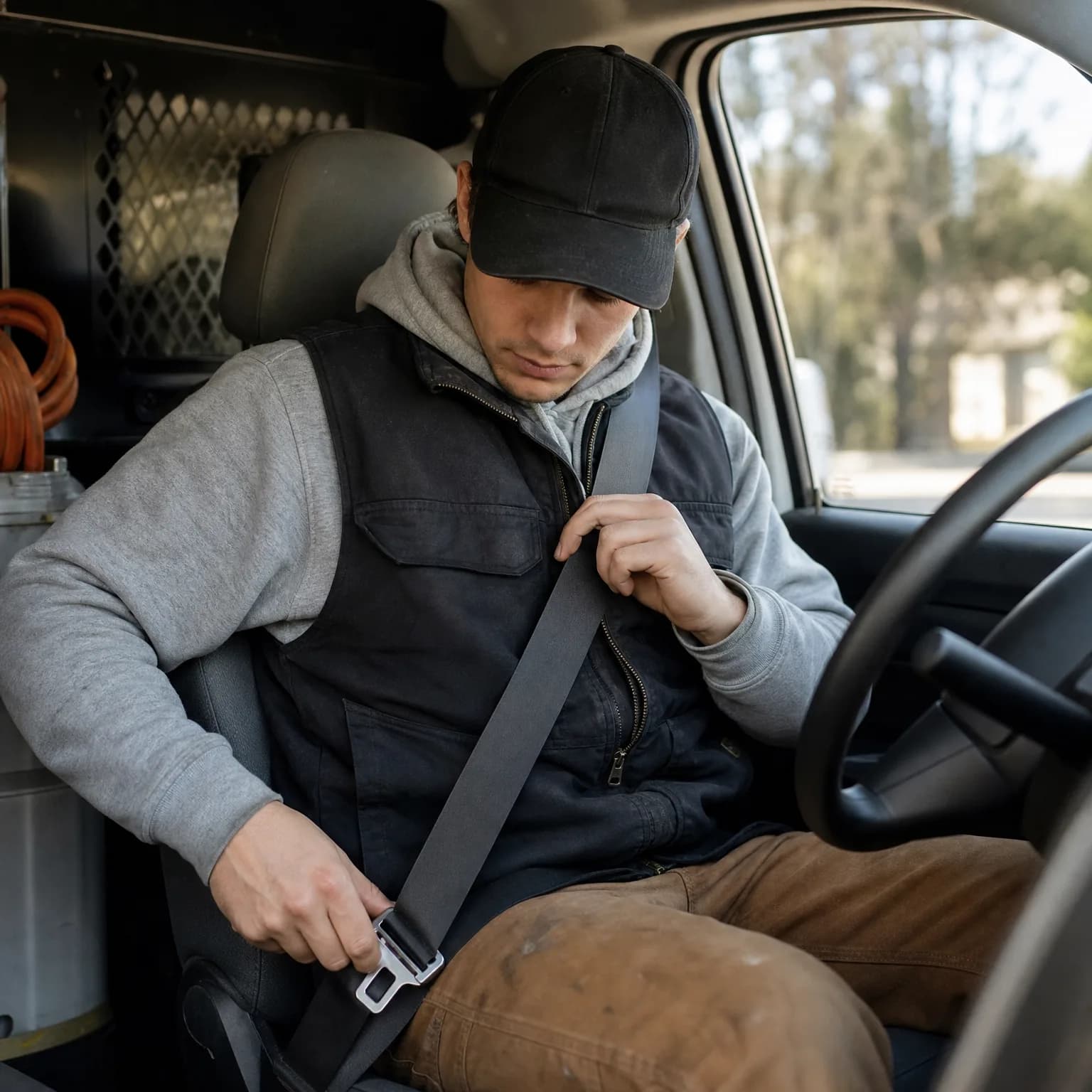
How to Compare Non-Owner SR-22 Carriers in Connecticut
Not all non-standard carriers writing in Connecticut offer identical non-owner SR-22 products. Dairyland and Bristol West specialize in high-risk drivers and typically provide the lowest premiums for OUI-related suspensions: $95–$140/month for first-offense cases. Geico and Progressive write non-owner SR-22 but price competitively only for lower-risk triggers like insurance lapse or points accumulation, usually $50–$85/month.
The General and National General occupy the middle tier. Both write OUI cases but charge 10–15% more than Dairyland for comparable coverage. The trade-off: faster electronic SR-22 filing (24–48 hours vs. 48–72 hours) and fewer documentation requirements during underwriting. If you need coverage filed quickly to meet a court deadline or SOP application window, this speed premium may justify the higher cost.
Request quotes from at least three carriers before committing. Connecticut law prohibits carriers from charging application fees for non-owner policies, but some assess SR-22 certificate filing fees between $15–$50. Ask each carrier: (1) monthly premium, (2) SR-22 filing fee, (3) time from payment to DMV receipt of SR-22, and (4) cancellation terms if you need to convert to owner coverage mid-term. The lowest monthly premium is not always the lowest total cost.
Frequently Asked Questions
Can I get non-owner SR-22 insurance in Connecticut if I don't have a car right now?
Yes. Non-owner SR-22 is specifically designed for drivers without a vehicle. Connecticut carriers will issue the policy and file SR-22 with DMV on your behalf. Premiums are typically 30–60% lower than owner SR-22 because no specific vehicle is covered.
How long does it take for a Connecticut carrier to file SR-22 with the DMV?
Most carriers file electronically within 24–72 hours of payment. Connecticut DMV's system updates in near-real-time. You can verify filing status by calling DMV's Commercial Vehicle Safety Division at 860-263-5700 or checking your DMV online portal 3 business days after purchase.
What happens if I let my non-owner SR-22 policy lapse in Connecticut?
The carrier sends an SR-26 cancellation notice to Connecticut DMV within 10 days. DMV automatically re-suspends your license. You'll need to purchase new coverage, pay another $175 reinstatement fee, and potentially serve additional suspension time depending on how long the lapse lasted.
Do I need SR-22 filing for a Connecticut points suspension?
Not always. Connecticut typically requires SR-22 only for specific suspension triggers: OUI, refusal to submit to BAC test, uninsured motorist violations, and certain reckless driving cases. Points-only suspensions may not require filing. Verify with Connecticut DMV before purchasing coverage.
Can I drive for Uber or Lyft with a Connecticut non-owner SR-22 policy?
No. Rideshare companies require commercial liability coverage on a vehicle you own or lease. Non-owner policies explicitly exclude business use of vehicles. Connecticut's Special Operation Permit also restricts driving to documented essential purposes like employment commutes, not commercial passenger transport.
Will my Connecticut non-owner SR-22 premiums drop after the first year?
Possibly, but not automatically. Some carriers reassess risk annually. If you maintain continuous coverage with no claims or violations during year one, premiums may decrease 10–20% at renewal. OUI-related suspensions typically see smaller reductions because the 3-year filing period keeps you in high-risk underwriting tiers.
Related Articles

CT Non-Owner SR-22 Cost: What Carless Filers Pay
5/19/2026

CT Non-Owner SR-22: Filing Path, Premium & Carriers
5/19/2026

Non-Owner SR-22 CT After DUI: 3-Year Filing Cost
5/19/2026

MA Non-Owner SR-22 Premium Range by Suspension Cause
5/19/2026

Maine Non-Owner SR-22 Cost by Cause | OUI, Lapse, DWLS
5/19/2026

Vermont Non-Owner SR-22 Cost: $35–$75/Month by Cause
5/19/2026