
West Virginia Non-Owner SR-22 Premium Range by Suspension Cause
Get My Non-Owner SR-22 QuoteWhy Non-Owner SR-22 Premiums Vary by Suspension Cause in West Virginia
West Virginia non-owner SR-22 premiums range from $35/month to $95/month depending on the violation that triggered your filing requirement. Carriers price non-owner policies based on perceived future risk, not just the liability minimums you're covering. DUI revocations, uninsured motorist suspensions, and reckless driving convictions push you into the highest-cost tier because actuarial data shows these drivers have elevated claim probability during the filing period.
Point-accumulation suspensions and license lapses typically land in the middle tier, with premiums 20–35% lower than DUI-triggered policies. Administrative suspensions for unpaid tickets or child support arrears that require SR-22 (less common in West Virginia but possible in multi-state filing scenarios) often qualify for the lowest tier because they don't reflect driving behavior risk.
West Virginia's multi-tier suspension structure under WV Code Title 17B means your reinstatement path and your insurance cost are governed by different agencies. The DMV handles administrative license revocations under WV Code §17C-5A for DUI and refusal cases. Circuit courts handle criminal suspensions as part of DUI convictions. These are parallel proceedings. Your SR-22 filing must satisfy both if you're navigating criminal and administrative suspensions simultaneously, but the carrier prices your policy based on whichever cause carries the highest underwriting risk.
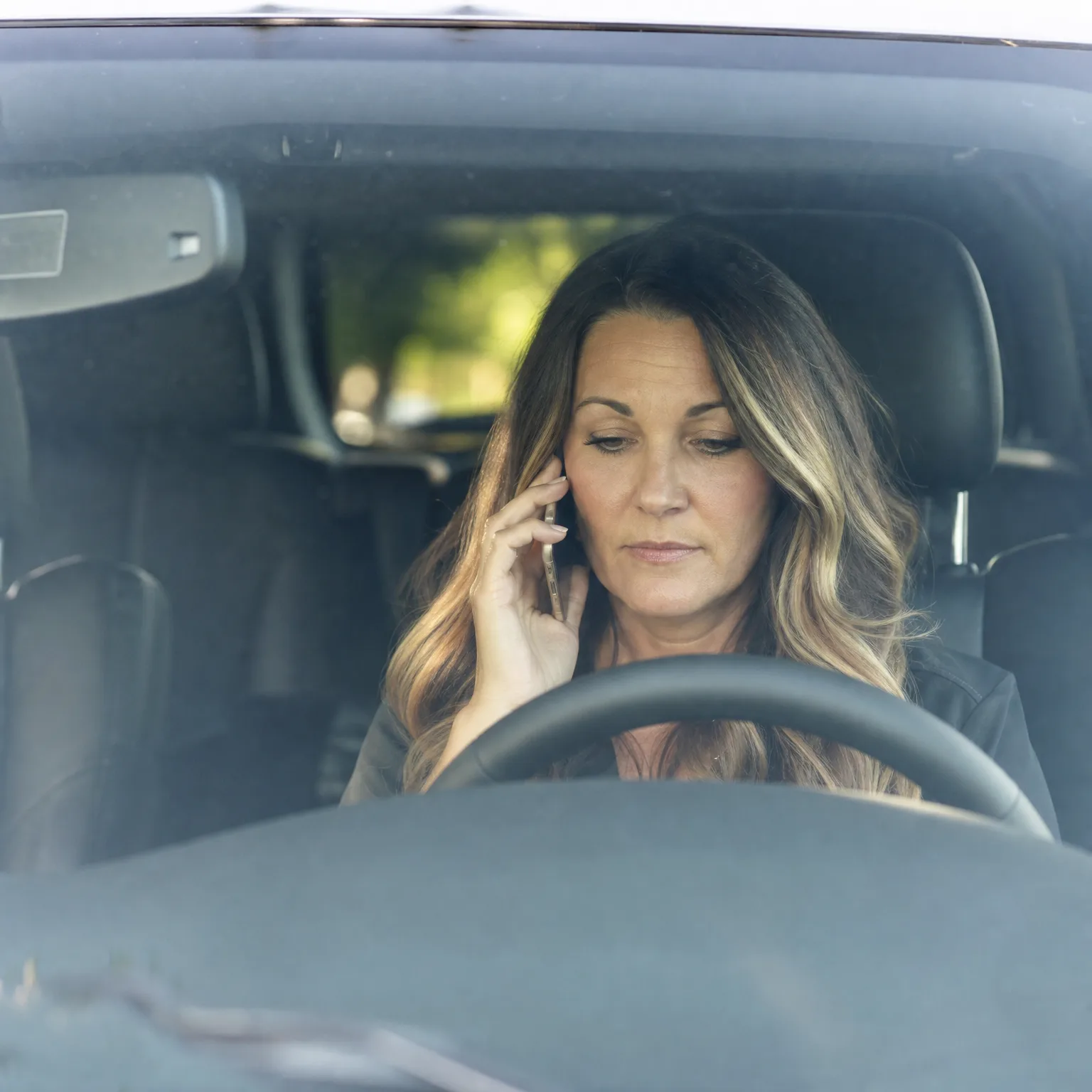
West Virginia Non-Owner SR-22 Premium Tiers by Trigger
Highest-cost tier: $75–$95/month. This tier applies to DUI revocations, refusal-to-test administrative revocations under WV Code §17C-5A-1, uninsured motorist suspensions under WV Code §17D, and reckless driving convictions. Carriers writing this tier in West Virginia include Dairyland, Geico, The General, National General, and Progressive. Not all five write every cause equally—Dairyland and The General specialize in post-DUI non-owner SR-22, while Geico and Progressive handle broader high-risk triggers. You'll need to quote directly with each carrier because eligibility rules vary by underwriting guidelines.
Middle tier: $50–$70/month. This tier covers point-accumulation suspensions, driving while license suspended convictions that weren't stacked with DUI or uninsured charges, and insurance lapse suspensions where SR-22 is required for reinstatement. State Farm writes middle-tier non-owner SR-22 in West Virginia for select causes, as do Progressive and Geico when the violation doesn't involve alcohol or uninsured operation.
Lowest tier: $35–$55/month. This tier applies when SR-22 is required for administrative reasons unrelated to driving behavior—typically out-of-state filing obligations carried into West Virginia, or multi-state scenarios where the violation occurred elsewhere but filing is needed in West Virginia for reciprocal compliance. Fewer carriers write this tier because the use case is uncommon in West Virginia specifically, but USAA writes non-owner SR-22 for eligible members at the lowest tier when the cause qualifies.
Estimates based on available industry data; individual rates vary by age, driving history beyond the triggering violation, ZIP code, and carrier underwriting rules.

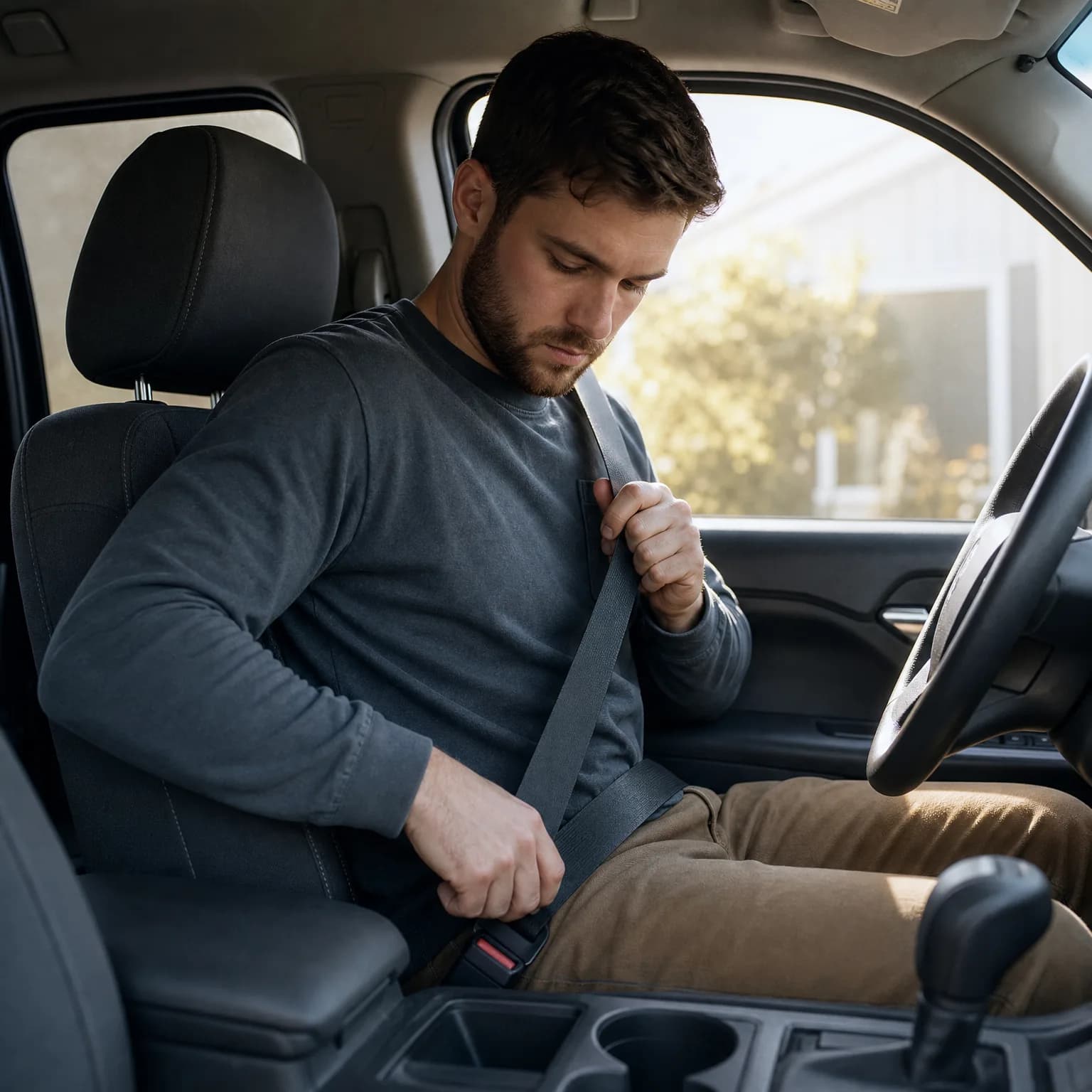
What West Virginia Non-Owner SR-22 Covers and What It Excludes
Non-owner SR-22 policies provide liability coverage when you drive someone else's vehicle with permission. West Virginia's state minimum liability limits are $25,000 per person / $50,000 per accident / $25,000 property damage. Your non-owner policy must meet or exceed these minimums. Most carriers write non-owner policies at the state minimum because the product is designed for compliance, not comprehensive protection.
The policy does not cover any vehicle you own. If you acquire a vehicle during your SR-22 filing period—whether you buy it, inherit it, or someone gifts it to you—your non-owner policy will not extend coverage to that vehicle. You must convert to a standard owner SR-22 policy within 30 days of acquisition or risk driving uninsured. West Virginia's electronic insurance verification system (EIV) administered through the DMV matches registered vehicles to active policies. If the system flags a mismatch, your registration can be suspended under WV Code §17A-3-14 even if your license reinstatement SR-22 filing remains active.
Non-owner SR-22 does not include comprehensive or collision coverage because there's no specific vehicle to insure. It covers your liability when you injure someone or damage their property while driving a borrowed car. It does not cover damage to the car you're driving—that's covered by the owner's policy or not at all, depending on their coverage selections.

Cover Your Filing Before You Own a Car Again
Get My Non-Owner SR-22 QuoteHow Long You'll Pay Non-Owner SR-22 Premiums in West Virginia
West Virginia SR-22 filing duration varies by cause. DUI revocations under WV Code §17C-5A require SR-22 filing for 3 years after reinstatement. Uninsured motorist suspensions under WV Code §17D typically require 3 years of SR-22 filing as well. Point-accumulation suspensions and reckless driving convictions often carry 2-year SR-22 filing requirements, but this varies by court order and DMV determination.
Refusal-to-test administrative revocations under WV Code §17C-5A-1 result in a 1-year revocation with no hardship license available during that period, but once reinstated, SR-22 filing is typically required for 3 years. Cumulative cost over the filing period is where non-owner SR-22 saves you money. A carless DUI filer paying $85/month for non-owner SR-22 will spend approximately $3,060 over 3 years. The same filer with a vehicle would pay $180–$240/month for owner SR-22, totaling $6,480–$8,640 over 3 years.
Your carrier files Form SR-22 with the West Virginia Division of Motor Vehicles electronically. The DMV receives confirmation within 24–48 hours. If you cancel your policy or let it lapse during the filing period, the carrier notifies the DMV immediately and your license is re-suspended under West Virginia's continuous coverage requirement. You'll pay the $50 reinstatement fee again and file a new SR-22 to restore your license.

Restricted License Eligibility and Non-Owner SR-22 Interaction
West Virginia offers a Restricted License under WV Code §17B-3-6 for certain suspended drivers. Eligibility varies by cause. DUI-suspended drivers enter West Virginia's Alcohol Test and Lock Program (ATLP), which requires ignition interlock installation as a condition of the restricted license. Non-owner SR-22 filers do not have a vehicle to equip with an interlock device, which creates a procedural barrier: you cannot satisfy the ATLP interlock requirement without access to a specific vehicle equipped with an approved device.
If you're navigating a DUI administrative revocation and need a restricted license, you'll typically need to borrow a vehicle from a family member or employer and have the interlock installed on that vehicle. The interlock vendor registers the vehicle's VIN with the DMV as part of ATLP compliance. Your non-owner SR-22 policy provides liability coverage when you drive that vehicle, but the vehicle owner's policy is primary for physical damage coverage. This stacking arrangement is common but requires coordination with the vehicle owner and their insurer.
Point-accumulation and non-DUI suspensions may qualify for a restricted license without ignition interlock. Approved purposes include driving to and from work, medical appointments, and DUI education classes if court-ordered. Your non-owner SR-22 satisfies the insurance requirement for the restricted license application. Processing time for restricted license applications submitted to the West Virginia DMV varies, but budgeting 2–3 weeks from application to approval is typical for straightforward non-DUI cases.
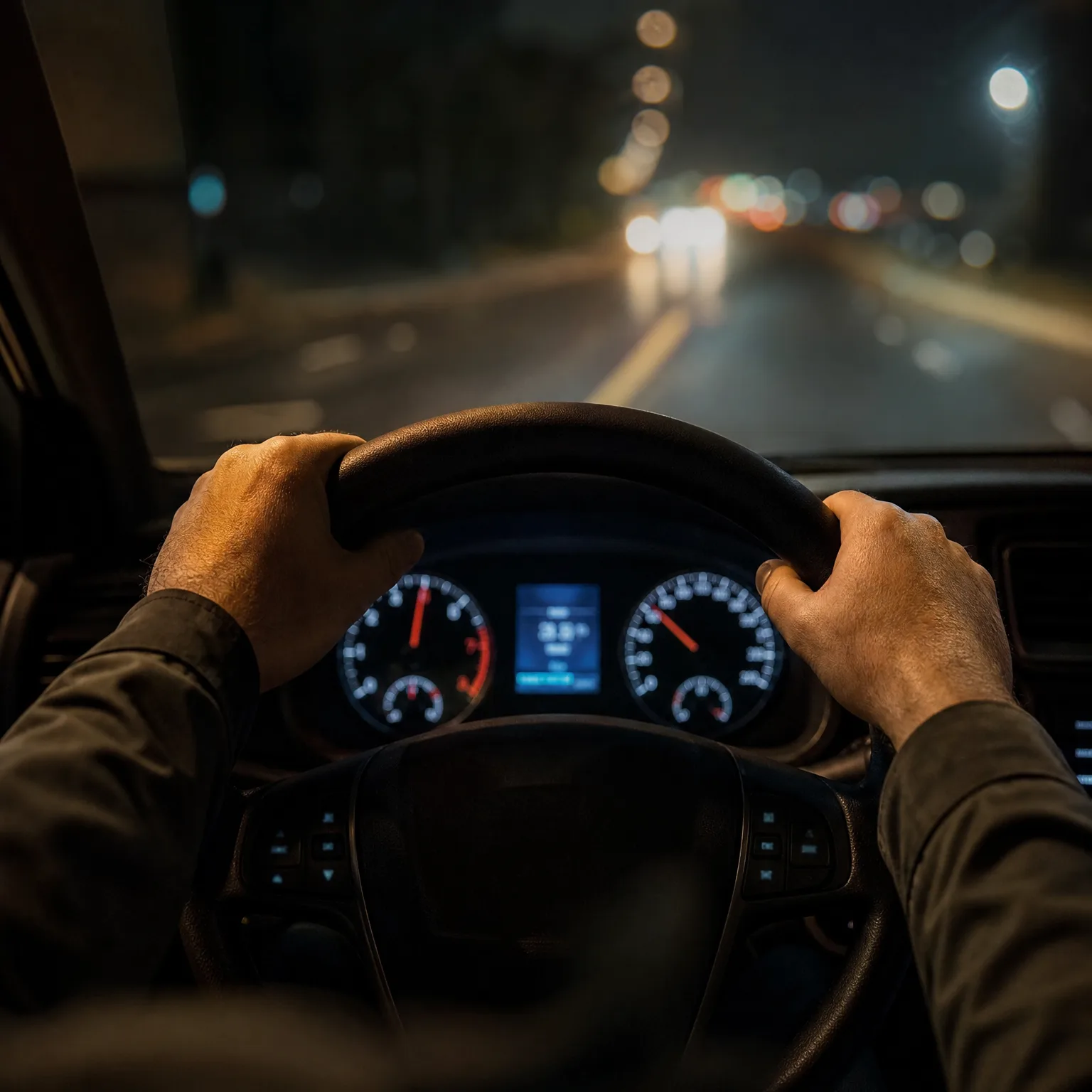
Where to Find Non-Owner SR-22 Coverage in West Virginia
Five carriers dominate West Virginia's non-owner SR-22 market: Dairyland, The General, Progressive, Geico, and National General. Dairyland and The General specialize in post-DUI non-owner policies and typically offer same-day filing once you complete the application and pay the first month's premium. Progressive and Geico write non-owner SR-22 for broader cause categories, including uninsured motorist suspensions and point-accumulation triggers. National General underwrites non-owner SR-22 for DUI and post-DUI causes but eligibility rules are stricter than Dairyland.
State Farm writes non-owner SR-22 in West Virginia for select middle-tier causes but does not actively market to DUI filers. USAA writes non-owner SR-22 for eligible military members and their families at the lowest tier when the cause qualifies under their underwriting guidelines. Not all of these carriers are available in every West Virginia county. Rural counties in the eastern panhandle and southern coalfield regions have fewer carriers writing non-standard policies, which can push premiums 10–20% higher than the statewide average.
You'll quote directly with each carrier. Most offer online quotes for non-owner SR-22 insurance, but some require a phone call for DUI causes because underwriters need to review the conviction details before binding coverage. Filing fees are separate from premiums. West Virginia carriers charge $15–$35 to file Form SR-22 with the DMV, paid once at policy inception.
Frequently Asked Questions
Does non-owner SR-22 cost less than regular SR-22 in West Virginia?
Yes. West Virginia non-owner SR-22 premiums run 30–60% lower than owner SR-22 because there's no vehicle to insure comprehensively. Carless DUI filers typically pay $75–$95/month for non-owner SR-22 versus $180–$240/month for owner SR-22 with a vehicle. The filing satisfies the same DMV requirement either way.
Can I get a West Virginia restricted license with non-owner SR-22?
Yes, but DUI-triggered restricted licenses require ignition interlock under West Virginia's ATLP program. You'll need access to a specific vehicle to install the device. Your non-owner SR-22 provides liability coverage when you drive that vehicle, but the interlock vendor must register the vehicle's VIN with the DMV before your restricted license is approved.
What happens if I buy a car during my West Virginia SR-22 filing period?
Your non-owner SR-22 policy will not cover a vehicle you own. You must convert to a standard owner SR-22 policy within 30 days of acquiring the vehicle. If you don't, West Virginia's EIV system will flag the mismatch and your registration can be suspended under WV Code §17A-3-14 even if your license reinstatement filing remains active.
Which West Virginia carriers write non-owner SR-22 for DUI causes?
Dairyland, The General, National General, Progressive, and Geico write non-owner SR-22 for West Virginia DUI filers. Dairyland and The General specialize in post-DUI policies and typically offer same-day filing. Not all five are available in every county—rural markets have fewer options and slightly higher premiums.
How long do I need to keep non-owner SR-22 in West Virginia after a DUI?
West Virginia requires 3 years of SR-22 filing after DUI reinstatement under WV Code §17C-5A. The 3-year period starts from your reinstatement date, not your conviction date. If you cancel your policy or let it lapse during that period, the DMV re-suspends your license immediately and you'll pay the $50 reinstatement fee again.
Does West Virginia non-owner SR-22 cover me when I borrow someone's car?
Yes. Non-owner SR-22 provides liability coverage when you drive someone else's vehicle with permission. It covers your liability for injuries or property damage you cause. It does not cover damage to the car you're driving—that's the owner's responsibility under their policy or out of pocket if they don't carry collision coverage.
Related Articles

Non-Owner SR-22 Costs in WV: Premium Range by Cause
5/19/2026
West Virginia Non-Owner SR-22: Cost and Carriers
5/19/2026

Wyoming Non-Owner SR-22 Cost by Cause | Monthly Premiums
5/19/2026
Vermont Non-Owner SR-22 Cost: $35–$75/Month by Cause
5/19/2026
WA Non-Owner SR-22 Cost by Cause: DUI vs Uninsured
5/19/2026

Non-Owner SR-22 When Suspension Requires Filing
5/19/2026