
West Virginia Non-Owner SR-22: Filing, Premiums, and Carriers
Get My Non-Owner SR-22 QuoteWhat Non-Owner SR-22 Does in West Virginia (and What It Doesn't)
Non-owner SR-22 in West Virginia provides liability coverage when you drive someone else's vehicle with permission and satisfies the DMV's SR-22 filing requirement without listing a specific vehicle on the policy. You pay for continuous liability insurance that meets the state's $25,000/$50,000/$25,000 minimum—bodily injury per person, bodily injury per accident, and property damage. The carrier files Form SR-22 electronically with the West Virginia Division of Motor Vehicles on your behalf, confirming active coverage.
This product does not cover any vehicle you own or regularly operate. If you buy, lease, or are gifted a car during the SR-22 filing period, you must convert to a standard owner policy or the DMV will consider you uninsured. The non-owner policy also does not include comprehensive or collision coverage because there's no specific vehicle to insure. It exists solely to meet the state's financial responsibility filing requirement while you're carless.
Premiums for non-owner SR-22 run 30 to 60 percent lower than owner SR-22 because the carrier underwrites liability risk without vehicle repair exposure. Typical West Virginia non-owner SR-22 monthly premiums range from $40 to $85 depending on your violation history, age, and county. That rate holds only as long as you remain without a vehicle.
West Virginia's Ignition Interlock Requirement Applies to Non-Owner SR-22 After DUI
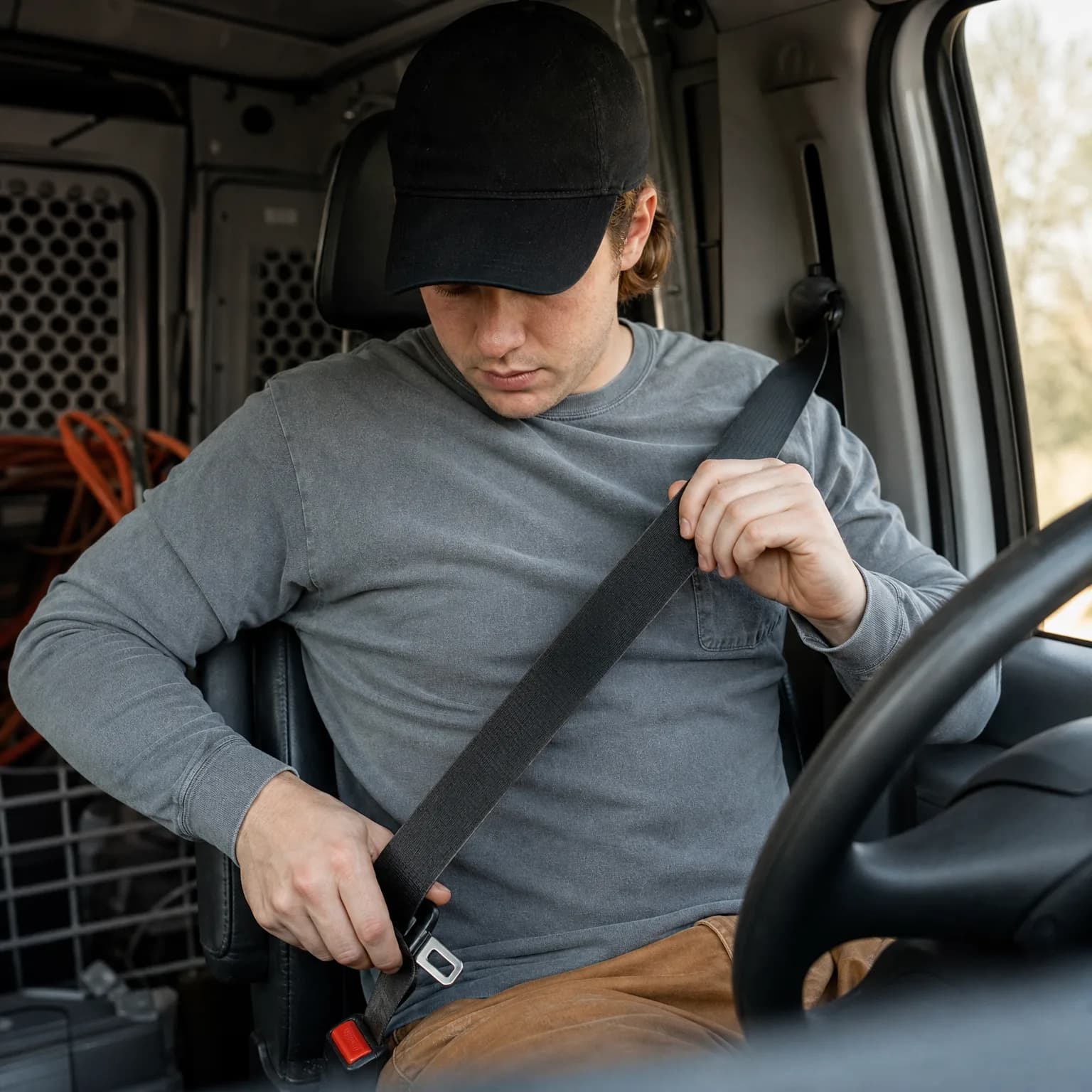
West Virginia Code §17C-5A mandates ignition interlock installation as a condition of any post-DUI restricted or reinstated license. That requirement extends to non-owner SR-22 policyholders who were suspended for DUI. You cannot drive any vehicle—owned, borrowed, or rented—without an active interlock device calibrated to that vehicle.
The state's Alcohol Test and Lock Program (ATLP) is the administrative mechanism for restricted driving privileges after DUI suspension. If you hold a non-owner SR-22 and plan to drive a family member's or friend's car, that vehicle must have an interlock installed and you must be listed as an authorized ATLP participant. The device vendor registers the installation with the DMV and you pay monthly rental and calibration fees, typically $70 to $100.
Most non-owner SR-22 buyers miss this wrinkle. They secure the policy, the carrier files the SR-22, and they assume they're cleared to borrow a car. West Virginia law blocks that path until the interlock obligation is satisfied. Violating the interlock restriction triggers automatic revocation of the restricted license and extends the SR-22 filing period. Verify your ATLP compliance status before taking any keys.

Which Carriers Write Non-Owner SR-22 Policies in West Virginia
Dairyland, Geico, Progressive, National General, The General, and USAA write non-owner SR-22 policies in West Virginia. Dairyland and The General specialize in non-standard risk and typically offer the lowest premiums for drivers with DUI or multiple violations. Progressive and Geico write non-owner policies online with same-day SR-22 electronic filing in most cases. USAA serves military members and eligible family only.
State Farm writes non-owner SR-22 coverage but requires an in-person agent visit for any SR-22 case. National General underwrites post-DUI non-owner policies but quotes can be inconsistent across counties. If one carrier quotes above $100 per month, request quotes from at least two others—premiums vary sharply by underwriting model.
Carriers not listed above either do not write non-owner policies in West Virginia or do not file SR-22 forms. Attempting to file SR-22 through a carrier that does not support the product results in DMV rejection and extended suspension. Confirm SR-22 filing capability before purchasing any policy.

Cover Your Filing Before You Own a Car Again
Get My Non-Owner SR-22 QuoteHow Long You'll Carry Non-Owner SR-22 in West Virginia
West Virginia SR-22 filing periods depend on the violation that triggered suspension. DUI convictions require three years of continuous SR-22 filing from the conviction date. Uninsured motorist violations require three years from the suspension date. Multiple DUI offenses or habitual offender revocations can extend the filing period to five years or longer depending on court orders.
The filing period clock starts when your carrier files the initial SR-22 with the DMV, not when you purchase the policy. If your policy lapses for any reason—missed payment, cancellation, nonrenewal—the carrier files Form SR-26 notifying the DMV of the lapse. West Virginia immediately suspends your license again and resets the SR-22 filing clock to zero. You must pay a $50 reinstatement fee plus any additional DUI-specific reinstatement fees to restore eligibility.
Typical total cost over a three-year DUI SR-22 filing period with a non-owner policy: $1,440 to $3,060 in premiums (36 months at $40 to $85 per month), plus the initial $50 DMV reinstatement fee, plus the carrier's one-time SR-22 filing fee of $15 to $50. Plan for the upper end if you have multiple violations or high-risk county underwriting.

What Happens If You Buy a Car During the SR-22 Filing Period
The moment you purchase, lease, or are gifted a vehicle, your non-owner SR-22 policy stops covering you for that car. You must contact your carrier within 30 days to convert to a standard owner SR-22 policy listing the new vehicle. If you drive the newly acquired vehicle on a non-owner policy and have an accident, the carrier will deny the claim because the policy explicitly excludes vehicles you own or regularly operate.
Conversion from non-owner to owner SR-22 typically increases your monthly premium by 50 to 120 percent depending on the vehicle's year, make, model, and your coverage selections. A $60 per month non-owner policy might jump to $90 to $130 per month after adding a 2015 sedan with liability-only coverage. Comprehensive and collision coverage push premiums higher still.
The SR-22 filing obligation continues uninterrupted during conversion. The carrier files an updated SR-22 with the DMV reflecting the new vehicle information but the filing period clock does not reset. Your three-year DUI filing requirement remains three years regardless of how many times you change vehicles or carriers during that span.

West Virginia's Restricted License Program and Non-Owner SR-22 Interaction
West Virginia issues restricted licenses to eligible suspended drivers who need driving privileges for work, medical appointments, or court-ordered obligations. The restricted license application requires proof of SR-22 insurance, payment of applicable fees, and documentation of employment or medical necessity. Non-owner SR-22 satisfies the insurance requirement if you do not own a vehicle.
Restricted licenses come with defined route limitations set by the DMV or court. You may drive only between home and work, to medical appointments, or to fulfill other specifically approved purposes. Driving outside those boundaries on a restricted license triggers automatic revocation and extends your suspension period. The interlock requirement applies here too—every vehicle you drive under a restricted license must have an active ATLP-registered interlock.
If your hardship application is denied due to unpaid fines or unresolved administrative holds, the SR-22 filing does not pause. You continue paying for non-owner SR-22 coverage to keep the filing clock running even while you cannot legally drive. West Virginia DMV requires continuous SR-22 filing from the start date regardless of license status. Letting the policy lapse to save money during a denial period resets your filing clock and costs more in the long run.
Frequently Asked Questions
Can I get non-owner SR-22 in West Virginia if my license is still suspended?
Yes. You can purchase non-owner SR-22 while your license is suspended—the carrier files the form with the DMV immediately and the filing period clock starts. You still cannot legally drive until your license is reinstated or you obtain a restricted license, but maintaining continuous SR-22 coverage during suspension satisfies the filing requirement.
Does non-owner SR-22 cover me if I rent a car in West Virginia?
Non-owner SR-22 provides liability coverage when you rent a car, but the rental company's collision damage waiver is separate. Your non-owner policy covers bodily injury and property damage you cause to others. It does not cover damage to the rental vehicle itself unless you purchase the rental company's optional coverage.
What happens if I move out of West Virginia during my SR-22 filing period?
West Virginia requires continuous SR-22 filing for the full period regardless of where you live. If you move to another state, contact your carrier to file SR-22 in the new state if required there. Some states accept out-of-state SR-22 filings for reinstatement; others require in-state filing. Verify your new state's rules before canceling West Virginia coverage.
How fast can a carrier file SR-22 with the West Virginia DMV?
Most carriers file SR-22 electronically with the West Virginia DMV within 24 to 48 hours of policy purchase. The DMV processes electronic filings faster than paper forms. You can verify filing status by calling the DMV at 304-558-3900 or checking online through the West Virginia Division of Motor Vehicles portal.
Will my non-owner SR-22 premium go down after the first year?
Premiums may decrease slightly at renewal if you maintain a clean driving record during the policy term. Most carriers review SR-22 policies annually and adjust rates based on violation age and claims history. Expect modest reductions of 5 to 15 percent per year, not dramatic drops, until the SR-22 filing period ends.
Can I cancel non-owner SR-22 once I get my full license back?
Only after the full SR-22 filing period expires. If West Virginia requires three years of SR-22 filing for your DUI conviction, you must maintain continuous coverage for three full years from the conviction date. Canceling early resets the clock and triggers immediate license suspension again.
Related Articles
Non-Owner SR-22 Costs in WV: Premium Range by Cause
5/19/2026

WV Non-Owner SR-22 Premium Range by Suspension Cause
5/19/2026

Wyoming Non-Owner SR-22 vs Owner: Cost Comparison
5/19/2026
Wyoming Non-Owner SR-22 Insurance: Cost and Carriers
5/19/2026

Wyoming Non-Owner SR-22 Cost by Cause | Monthly Premiums
5/19/2026

Vermont Non-Owner SR-22: Coverage Scope & Premium Range
5/19/2026