
Vermont Non-Owner SR-22: Filing Path, Premium Range, and Carriers
Get My Non-Owner SR-22 QuoteWhy Non-Owner SR-22 Exists in Vermont
Non-owner SR-22 is designed for drivers who need to satisfy Vermont's SR-22 filing requirement but do not currently own or regularly drive a vehicle. If your license was suspended for DUI, uninsured driving, or another violation requiring proof of financial responsibility, the Vermont DMV expects continuous SR-22 filing for the duration specified by statute—typically 3 years from your reinstatement date for DUI-related suspensions.
The problem: you can't file SR-22 against a vehicle you don't have. Vermont's Civil Suspension License petition process under 23 V.S.A. § 674 often requires proof of SR-22 filing before the court will grant hardship driving privileges. If you sold your car after the suspension, if it was impounded, or if you never owned one, standard owner SR-22 isn't an option.
Non-owner SR-22 solves this. It provides liability coverage when you drive someone else's vehicle with permission and allows the carrier to file Form SR-22 with the Vermont DMV on your behalf. The filing satisfies the state's financial responsibility requirement even though no specific vehicle is listed on the policy. Premiums typically range $50–$90 per month for minimum liability limits, roughly 30-60% lower than owner SR-22 because there's no comprehensive or collision coverage and no vehicle-specific underwriting.

How Vermont's Civil Suspension License Petition Interacts with SR-22
Vermont does not grant hardship licenses through the DMV. Instead, drivers must petition the Vermont Superior Court, Civil Division, for a Civil Suspension License under 23 V.S.A. § 674. The court evaluates hardship petitions on a case-by-case basis, typically requiring proof of employment, medical necessity, or educational need.
For DUI suspensions, Vermont imposes a mandatory 90-day hard suspension before any Civil Suspension License eligibility. During this period, no driving is permitted. After 90 days, you may petition the court, but the petition typically requires proof of SR-22 filing as part of the documentation package. The court wants confirmation that you can meet the state's financial responsibility requirement before authorizing restricted driving.
If you don't own a vehicle, this creates a procedural trap: you need SR-22 to petition for hardship privileges, but you can't file owner SR-22 without a vehicle. Non-owner SR-22 breaks the loop. Purchase a non-owner policy, the carrier files SR-22 with the DMV, and you submit proof of filing with your court petition. The court-defined restrictions typically limit driving to employment, medical appointments, education, and essential household needs, with specific hours tied to your documented schedule.
Violating the terms of a Civil Suspension License—driving outside permitted hours or routes—results in immediate revocation and extension of your full suspension period. The court does not grant second chances lightly.

Vermont Non-Owner SR-22 Premium Ranges and What Drives Cost
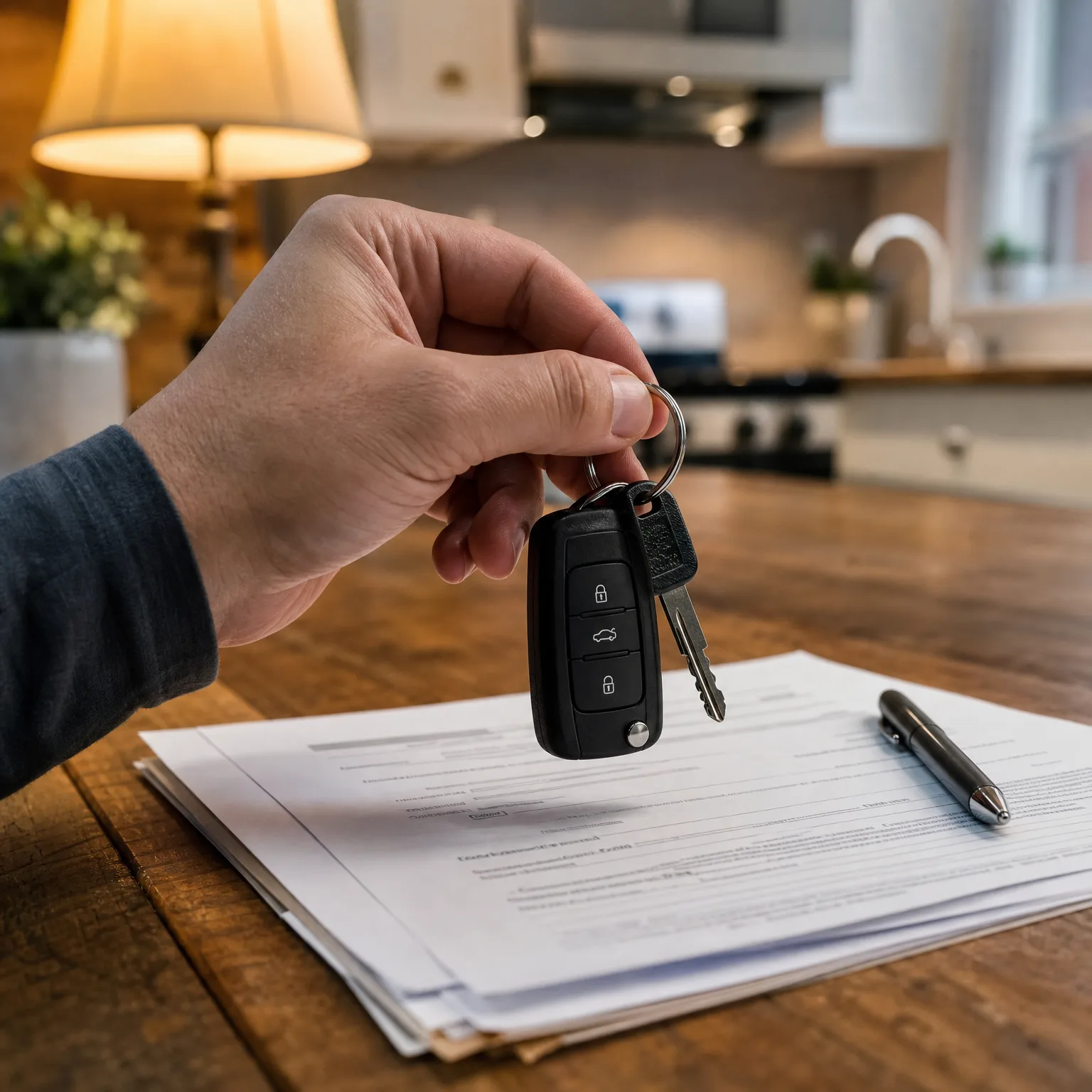
Non-owner SR-22 premiums in Vermont vary by carrier, age, and the violation that triggered the filing requirement. Based on available industry data, typical monthly premiums range $50–$90 for minimum liability coverage (Vermont requires $25,000 bodily injury per person, $50,000 per accident, and $10,000 property damage). Estimates based on available industry data; individual rates vary by driving history, coverage selections, and location.
DUI-related filings push premiums toward the higher end of the range. First-offense DUI drivers often pay $70–$90 per month; repeat offenders or drivers with multiple violations may exceed $100 per month. Uninsured-driving suspensions typically result in lower premiums—$50–$70 per month—because the violation signals financial constraint rather than impaired driving risk.
Age matters. Drivers under 25 face surcharges of 20-40% above baseline rates. Drivers over 55 with clean records prior to the current violation often qualify for the lower end of the range. The carrier also charges a one-time SR-22 filing fee, typically $15–$35, separate from the premium. This fee covers the administrative cost of submitting Form SR-22 to the Vermont DMV.
Over a 3-year filing period (the standard duration for DUI-related SR-22 in Vermont), total cost for non-owner SR-22 ranges approximately $1,800–$3,240 at the low end, significantly less than owner SR-22, which would include comprehensive and collision premiums tied to a specific vehicle's value and risk profile.
Which Carriers Write Non-Owner SR-22 in Vermont
Not all carriers write non-owner SR-22 policies, and availability varies by state. In Vermont, confirmed non-owner SR-22 carriers include Dairyland, Geico, Progressive, The General, and USAA (for military-affiliated drivers). These carriers specialize in non-standard or high-risk policies and maintain active SR-22 filing agreements with the Vermont DMV.
Dairyland operates in 38 states and writes non-owner SR-22 specifically for drivers with DUI suspensions, uninsured violations, and post-reinstatement filing requirements. Geico and Progressive offer non-owner policies through their standard platforms but underwrite them separately from owner policies; expect quotes within 24-48 hours. The General targets drivers with suspended licenses and SR-22 filing needs explicitly, often quoting same-day. USAA restricts eligibility to active military, veterans, and immediate family members but writes non-owner SR-22 at competitive rates for eligible drivers.
State Farm writes SR-22 in Vermont but does not consistently offer non-owner policies in all markets; availability depends on local underwriting. National General writes SR-22 and after-DUI policies but non-owner availability is not explicitly confirmed statewide. When comparing quotes, request non-owner SR-22 specifically—some agents default to owner policies and won't surface the non-owner option unless asked directly.
Carriers file SR-22 electronically with the Vermont DMV. The filing appears in the state's financial responsibility database within 1-3 business days. If your policy lapses or cancels, the carrier files SR-26 (notice of cancellation), which triggers automatic re-suspension of your license.

Cover Your Filing Before You Own a Car Again
Get My Non-Owner SR-22 Quote
What Non-Owner SR-22 Covers and What It Does Not
Non-owner SR-22 provides liability coverage when you drive a vehicle you do not own. This includes borrowed cars, rental vehicles (though most rental agreements require separate rental coverage), and employer-owned vehicles driven with permission. The policy pays for bodily injury and property damage you cause to others, up to the liability limits stated in the policy.
It does not cover damage to the vehicle you're driving. If you borrow a friend's car and hit a guardrail, your non-owner policy pays for the guardrail repair (property damage liability) but not your friend's car. The friend's own collision coverage would handle their vehicle damage, subject to their deductible. If the friend has no collision coverage, they bear the repair cost.
Non-owner SR-22 does not cover any vehicle you own, title, or register in your name. If you acquire a vehicle during the SR-22 filing period—whether by purchase, gift, or inheritance—you must convert to an owner SR-22 policy or stack coverage. Failing to do so leaves you uninsured when driving your own vehicle, which violates Vermont's continuous insurance requirement and triggers license re-suspension.
The policy also does not cover vehicles regularly available to you in the same household. If you live with a family member who owns a car and you drive it regularly, most non-owner policies exclude that vehicle. You would need to be listed as a rated driver on the family member's owner policy instead. Read the policy exclusions carefully before assuming coverage applies.

What Happens If You Buy a Vehicle During the Filing Period
If you acquire a vehicle while your non-owner SR-22 policy is active, you must notify your carrier immediately and convert to an owner SR-22 policy. The non-owner policy does not extend coverage to vehicles you own, and driving an owned vehicle on a non-owner policy constitutes driving without insurance under Vermont law.
Most carriers allow same-day conversion. You provide the vehicle identification number, title documentation, and coverage selections (liability-only or full coverage with comprehensive and collision). The carrier files updated SR-22 reflecting the new policy, cancels the non-owner policy, and issues the owner policy effective the date of vehicle acquisition. There is no gap in SR-22 filing as long as you notify the carrier before driving the newly acquired vehicle.
If you fail to convert and continue driving on the non-owner policy, the carrier will eventually discover the vehicle ownership through registration cross-checks or claim investigation. At that point, the carrier may void coverage retroactively, file SR-26 to cancel the SR-22, and deny any claims filed during the period you owned the vehicle. The Vermont DMV will re-suspend your license upon receiving the SR-26.
Some drivers choose to stack coverage: maintain the non-owner SR-22 for occasional borrowed-vehicle driving and purchase a separate owner policy for the newly acquired vehicle. This works only if the owner policy also carries SR-22 filing. You cannot satisfy Vermont's continuous SR-22 requirement by splitting coverage across a non-owner policy and an owner policy without SR-22. Both policies must file SR-22, or the single policy that files must cover all your driving.
Vermont Reinstatement Fees and SR-22 Filing Duration
Vermont's base reinstatement fee is $71, but this figure reflects only the standard administrative fee. Total reinstatement costs vary by suspension cause. DUI suspensions typically require completion of a substance abuse treatment program, ignition interlock device installation (administered under 23 V.S.A. § 1213), and payment of court fines before the DMV will process reinstatement.
SR-22 filing is required for 3 years from the reinstatement date for most DUI-related suspensions. Vermont measures the filing period from reinstatement, not from the conviction date or the suspension start date. If your suspension lasts 18 months and you reinstate on January 1, 2024, your SR-22 filing requirement runs through December 31, 2026. Letting the policy lapse at any point during those 3 years triggers automatic re-suspension.
Uninsured-driving suspensions also require SR-22, but the filing period may be shorter—often 1-2 years depending on whether the suspension was administrative (DMV-imposed for registration lapse) or court-ordered (judgment-related under 23 V.S.A. § 800 et seq.). Verify the exact filing duration with the Vermont DMV before purchasing coverage; carriers need the correct end date to avoid over-filing or under-filing.
Ignition interlock device costs are separate from SR-22 premiums. Installation runs $75–$150, monthly monitoring fees run $60–$90, and removal costs $50–$75. Over a 12-month interlock period (the minimum for first-offense DUI in Vermont), total IID cost is approximately $900–$1,200. This stacks on top of SR-22 premiums, reinstatement fees, and any court-ordered fines or program fees.
Frequently Asked Questions
Can I get non-owner SR-22 in Vermont if I sold my car after a DUI suspension?
Yes. Non-owner SR-22 is designed for drivers who do not own a vehicle but need to satisfy Vermont's SR-22 filing requirement. Purchase a non-owner policy from a carrier that writes SR-22 in Vermont (Dairyland, Geico, Progressive, The General, or USAA for military-affiliated drivers), and the carrier files Form SR-22 with the DMV on your behalf.
How much does non-owner SR-22 cost per month in Vermont?
Typical monthly premiums range $50–$90 for minimum liability limits, depending on age, violation type, and carrier. DUI-related filings push premiums toward the higher end; uninsured-driving suspensions typically result in lower premiums. Estimates based on available industry data; individual rates vary.
Does non-owner SR-22 satisfy Vermont's Civil Suspension License petition requirement?
Yes. Vermont courts typically require proof of SR-22 filing as part of the Civil Suspension License petition package. Non-owner SR-22 satisfies this requirement even though no specific vehicle is listed on the policy, as long as the carrier has filed SR-22 with the Vermont DMV before you submit your petition.
What happens if I buy a car while on a non-owner SR-22 policy in Vermont?
You must notify your carrier immediately and convert to an owner SR-22 policy. Non-owner policies do not cover vehicles you own, and driving an owned vehicle on a non-owner policy constitutes uninsured driving under Vermont law. Most carriers allow same-day conversion with no SR-22 filing gap.
How long do I need to maintain SR-22 filing in Vermont after a DUI suspension?
Vermont requires 3 years of continuous SR-22 filing from your reinstatement date for most DUI-related suspensions. The filing period begins when the DMV reinstates your license, not from the conviction date or suspension start date. Letting the policy lapse at any point triggers automatic re-suspension.
Will my non-owner SR-22 policy cover me when I drive a friend's car in Vermont?
Yes, as long as you drive with the owner's permission and the vehicle is not regularly available to you in your household. Non-owner SR-22 provides liability coverage for bodily injury and property damage you cause to others, but does not cover damage to the vehicle you're driving.
Can I petition for a Civil Suspension License in Vermont before my 90-day hard suspension ends?
No. Vermont law imposes a mandatory 90-day hard suspension for first-offense DUI before any Civil Suspension License eligibility. You may begin preparing your petition during the hard suspension period, but the court will not grant restricted driving privileges until the 90 days have elapsed.
Related Articles

Vermont Non-Owner SR-22: Coverage Scope & Premium Range
5/19/2026

Vermont Non-Owner SR-22 by Cause: DUI & Uninsured
5/19/2026

Vermont Non-Owner SR-22 Cost: $35–$75/Month by Cause
5/19/2026

Vermont Non-Owner SR-22 vs Owner: When Non-Owner Saves
5/19/2026

Vermont Non-Owner to Owner SR-22 Conversion Guide
5/19/2026

Vermont Non-Owner SR-22 Filing Speed & DMV Processing
5/19/2026