
Utah Non-Owner SR-22 to Owner Conversion: Vehicle Acquisition
Get My Non-Owner SR-22 QuoteWhy Non-Owner SR-22 Stops Covering You When You Acquire a Vehicle
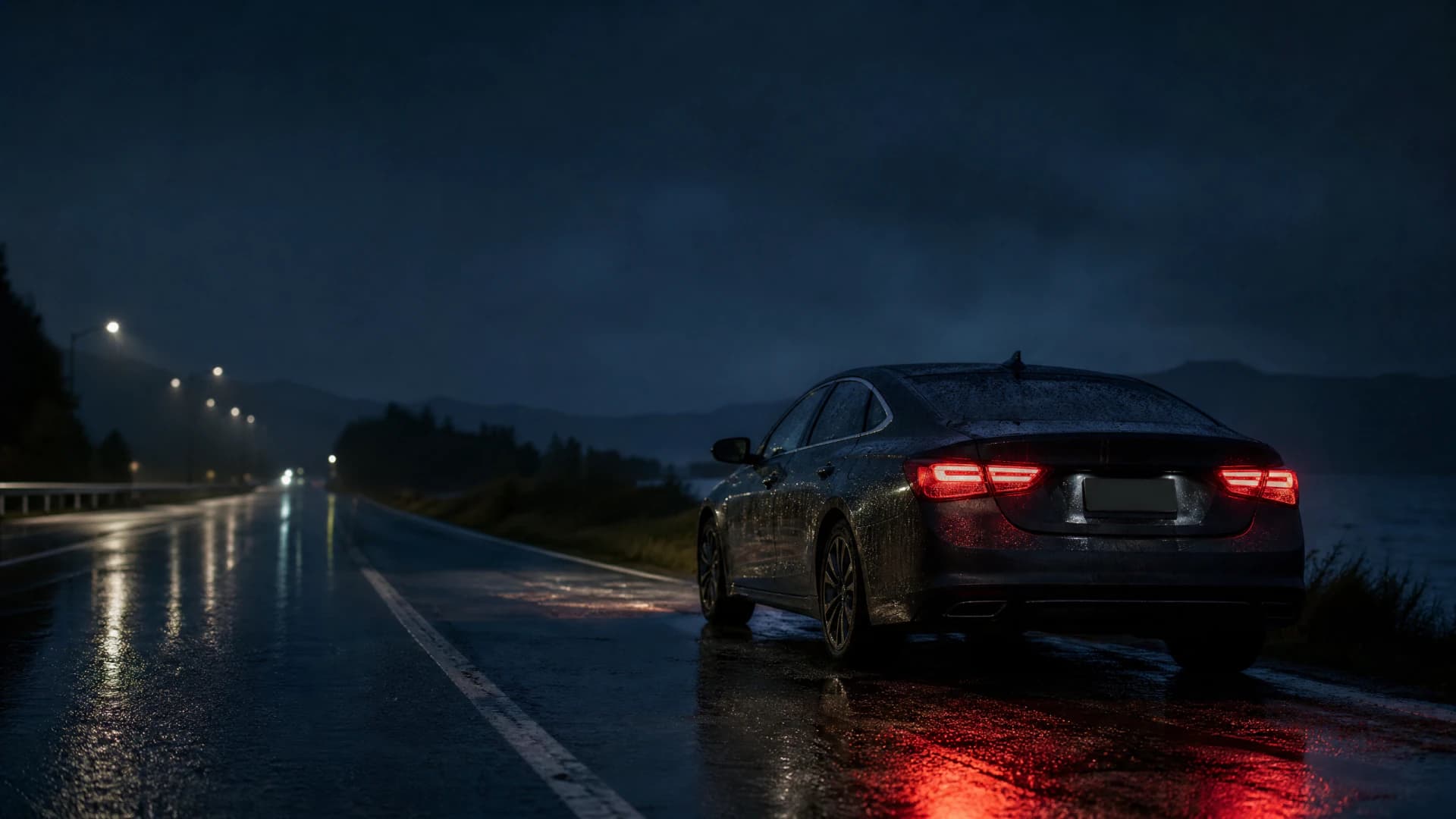
A non-owner SR-22 policy provides liability coverage when you drive someone else's vehicle with permission. It does not cover any vehicle you own, lease, or have registered in your name. The moment you acquire a vehicle—whether through purchase, gift, inheritance, or transfer—your non-owner policy excludes that vehicle from coverage.
This creates immediate exposure. If you drive your newly acquired vehicle under your non-owner policy, you are driving uninsured. In Utah, driving uninsured while on a Limited License violates the terms of your court order and triggers administrative action by the Utah Driver License Division. Your Limited License can be revoked, your underlying suspension reinstated, and additional penalties imposed.
The SR-22 filing itself remains active with the state until your carrier notifies the DLD of a lapse or cancellation. But the underlying liability coverage no longer applies to the vehicle you now own. The filing and the coverage are separate mechanics—you need both to remain compliant.

What Utah's Limited License Court Order Requires
Utah's Limited License is issued by the court, not the Driver License Division. The court sets the terms—permitted routes, time restrictions, and compliance requirements. One standard term across most Limited License orders: the driver must maintain continuous SR-22 financial responsibility coverage throughout the restriction period.
Violating that term is grounds for immediate revocation. The court does not distinguish between intentional lapse and coverage-type mismatch. If you drive a vehicle you own under a non-owner policy, you are uninsured under Utah law. If you are uninsured, you are in violation of your court order.
The DLD receives electronic notification from carriers when an SR-22 policy lapses or is cancelled. If your carrier cancels your non-owner policy because you acquired a vehicle and failed to convert, the DLD flags the lapse. The court is notified, and your Limited License is subject to revocation without additional hearing. Most drivers do not realize the conversion deadline is immediate—not 30 days, not the next renewal cycle, but the day you take title or register the vehicle.

The Two-Step Conversion Process: Cancel and Replace Simultaneously
Converting from non-owner SR-22 to owner SR-22 requires canceling the old policy and binding a new one on the same day. You cannot allow a gap. A single day without active SR-22 filing triggers a lapse notification to the DLD, which starts the revocation process.
Contact your carrier before you acquire the vehicle. Explain that you are purchasing or receiving a car and need to convert to an owner policy with SR-22 endorsement. Provide the vehicle identification number, make, model, and year. The carrier will quote a new premium—typically 40–70% higher than your non-owner rate because the policy now covers a specific vehicle and includes comprehensive and collision options.
Bind the new policy effective the same day your non-owner policy cancels. Most non-standard carriers that write non-owner SR-22 also write owner SR-22, so you can often stay with the same company. Geico, Progressive, Bristol West, Dairyland, The General, and GAINSCO all write both products in Utah. If your current carrier does not offer owner policies, secure a new carrier first, bind the owner policy, then cancel the non-owner policy once the new SR-22 filing is confirmed with the DLD.
How Premium Changes When You Convert
Non-owner SR-22 premiums in Utah typically range from $40–$80 per month for drivers with DUI or uninsured driving suspensions. Owner SR-22 premiums for the same driver covering a specific vehicle typically range from $110–$190 per month, depending on vehicle value, age, coverage selections, and county.
The increase reflects the addition of vehicle-specific risk. The carrier now covers property damage to your car, comprehensive claims, and collision claims—not just liability when you drive someone else's vehicle. The SR-22 filing fee itself does not change. Utah carriers charge a one-time SR-22 filing fee of $15–$25 at policy inception. That fee applies once per policy, not per vehicle.
If you cannot afford the premium increase, you cannot legally drive the vehicle you acquired. Driving uninsured to avoid the higher premium is not a viable strategy—it compounds your suspension, adds new violations, and extends your SR-22 filing period. If the vehicle is a gift or transfer you did not request, consider declining the transfer or transferring the vehicle to someone else who can insure it properly. Estimates based on available industry data; individual rates vary by driving history, vehicle, coverage selections, and location.

Cover Your Filing Before You Own a Car Again
Get My Non-Owner SR-22 Quote
What Happens If You Drive the Acquired Vehicle Without Converting
If you drive a vehicle you own under a non-owner SR-22 policy, you are driving uninsured under Utah law. If stopped, law enforcement can impound the vehicle on the spot under Utah Code § 41-1a-1303. The DLD receives notification of the uninsured operation through its electronic verification system, which cross-references vehicle registrations against active insurance policies.
Your Limited License is revoked. The court that issued the order is notified of the violation. You return to full suspension status and must petition the court again to reinstate the Limited License—a process that typically requires proving the violation has been cured, paying reinstatement fees, and in some cases serving a hard suspension period before reapplying.
The underlying suspension timeline does not pause during the Limited License period. If you were granted a Limited License six months into a two-year DUI suspension, and your Limited License is revoked eight months later, you still have 10 months remaining on the original suspension. The violation may add additional suspension time depending on the nature of the infraction and the court's discretion. Utah judges have broad latitude in Limited License revocations because the program is entirely court-controlled.

When You Receive a Vehicle as a Gift or Inheritance
A gifted or inherited vehicle triggers the same conversion requirement as a purchased vehicle. The moment title transfers to your name, your non-owner SR-22 stops covering you when you drive that vehicle. Intent does not matter—the policy exclusion applies regardless of how you acquired the vehicle.
If you cannot afford to insure the vehicle, do not accept the transfer. If the vehicle is already titled in your name, you have three options: transfer the title to someone else who can insure it, store the vehicle without driving it and maintain your non-owner SR-22 for other occasional driving, or convert to an owner policy and accept the higher premium.
Storing the vehicle without driving it does not exempt you from the owner-policy requirement if you intend to drive it later. The non-owner exclusion applies the moment you own the vehicle, whether you drive it daily or once per month. If you drive it even occasionally, you need an owner policy with SR-22 endorsement. If you never drive it and only drive other people's vehicles with permission, your non-owner policy continues to cover that occasional use—but the moment you drive your own vehicle, coverage ceases.
How to Confirm the New SR-22 Filing with the DLD
After your carrier binds the new owner policy, they file Form SR-22 electronically with the Utah Driver License Division. Most carriers file within 24–48 hours of policy inception. You should receive a stamped copy of the SR-22 certificate by mail within one week.
Call the DLD at 801-965-4437 to confirm the new SR-22 filing is on record. Provide your driver license number and date of birth. Ask the representative to verify that the new policy is active and that no lapse was recorded between the cancellation of your non-owner policy and the binding of your owner policy. If the DLD shows a lapse, contact your carrier immediately to resolve the filing error.
Keep the SR-22 certificate in your vehicle at all times. If stopped by law enforcement during your Limited License period, you must present proof of SR-22 coverage on demand. The certificate serves as proof. If your carrier issued a digital insurance ID card, that card should also reflect the SR-22 endorsement. Utah law enforcement can verify active SR-22 status electronically, but carrying the certificate prevents roadside delays.
Frequently Asked Questions
Can I keep my non-owner SR-22 and add an owner policy for the new vehicle?
No. You cannot stack a non-owner SR-22 and an owner policy to cover both scenarios simultaneously. The non-owner exclusion applies the moment you own a vehicle—your non-owner policy will not cover you when driving that vehicle regardless of whether you have a separate owner policy. You must cancel the non-owner policy and convert to an owner SR-22 policy that covers the vehicle you now own.
How much does the SR-22 filing fee increase when I convert to an owner policy?
The SR-22 filing fee does not increase. Utah carriers charge a one-time filing fee of $15–$25 per policy, not per vehicle. The premium increases because the policy now covers a specific vehicle with comprehensive and collision risk, but the SR-22 endorsement fee itself remains the same.
What if I only drive the vehicle occasionally and drive other people's cars most of the time?
If you own the vehicle, you must carry an owner SR-22 policy to remain compliant with your Limited License terms. Occasional use does not exempt you from the owner-policy requirement. The non-owner exclusion applies every time you drive a vehicle titled in your name, regardless of frequency.
How quickly can I convert from non-owner SR-22 to owner SR-22?
Most carriers can bind an owner policy with SR-22 endorsement the same day you provide vehicle details. Contact your carrier before you acquire the vehicle, provide the VIN and vehicle information, and request same-day conversion. The carrier will cancel your non-owner policy and bind the owner policy effective the same date to avoid any lapse.
Will my Limited License be revoked if there is a one-day gap between policies?
Potentially yes. The Utah Driver License Division receives electronic lapse notifications from carriers. A single day without active SR-22 coverage triggers a lapse flag, which the court that issued your Limited License can use as grounds for revocation. Avoid any gap by coordinating cancellation and binding on the same day.
Can I transfer the vehicle to someone else to avoid the higher premium?
Yes. If you cannot afford the owner SR-22 premium and do not need to own the vehicle, you can transfer title to a family member or friend who can insure it under their own policy. Once the vehicle is no longer titled in your name, you can maintain your non-owner SR-22 and drive other vehicles with permission. Confirm the title transfer is complete with the Utah DMV before resuming driving under your non-owner policy.
Do I need to notify the court that issued my Limited License when I convert policies?
The court does not require direct notification. The Utah Driver License Division tracks SR-22 filings electronically and shares that data with the court. As long as your new owner SR-22 policy is filed and active with no lapse, the court's compliance records will reflect continuous coverage. Keep a copy of the new SR-22 certificate for your records in case the court requests proof during a compliance review.
Related Articles
Utah Non-Owner SR-22: Cost, Carriers, Filing Path
5/19/2026
Utah Non-Owner SR-22: DUI, Uninsured, Suspension Causes
5/19/2026
Utah Non-Owner SR-22 Filing Without a Vehicle
5/19/2026

Utah Non-Owner SR-22 vs Owner: Cost Comparison
5/19/2026
Non-Owner SR-22 in Utah After Reckless Driving
5/19/2026

WY Non-Owner SR-22 to Owner When You Buy a Vehicle
5/19/2026