
Texas Non-Owner SR-22 vs Owner SR-22: Cost and Coverage Differences
Get My Non-Owner SR-22 QuoteWhen Non-Owner SR-22 Is the Right Filing Path in Texas
You need SR-22 filing to satisfy a DPS suspension, but you don't currently own a vehicle. Either your car was impounded after the offense, you sold it during suspension to cut costs, or you never owned one. Non-owner SR-22 is the correct product for this exact situation.
Non-owner SR-22 provides liability coverage when you drive someone else's vehicle with permission. The carrier files Form SR-22 with the Texas Department of Public Safety on your behalf. The state considers the filing requirement satisfied even though no specific vehicle is listed on the certificate. This pathway costs 30–60% less than owner SR-22 because there's no comprehensive or collision coverage and no specific vehicle to rate.
Typical Texas non-owner SR-22 premiums run $40–$80/month for standard risk profiles. Owner SR-22 premiums for the same driver run $140–$190/month. Over a 2-year filing period, the difference is approximately $2,400–$2,640 in total cost. Estimates based on available industry data; individual rates vary by driving history, violation type, and carrier.

What Non-Owner SR-22 Does Not Cover in Texas
Non-owner SR-22 does not cover any vehicle you own, lease, or have regular access to. If you buy a car, inherit one, or are gifted a vehicle during your filing period, your non-owner policy will not cover that vehicle. The policy explicitly excludes owned vehicles from coverage.
Texas DPS administrative rules require policy conversion within 10 days of acquiring a vehicle if you hold an active SR-22 filing. Failure to convert triggers automatic filing cancellation. The carrier notifies DPS electronically through the TexasSure system. DPS then re-suspends your license and restarts the filing clock from zero.
If you acquire a vehicle mid-filing, contact your carrier immediately. Most non-standard carriers writing non-owner SR-22 in Texas can convert your policy to owner SR-22 within 24–48 hours. The SR-22 filing itself remains active during conversion. The premium will increase to owner-policy rates starting the day the vehicle is added.

Texas Owner SR-22 Cost Structure and Coverage
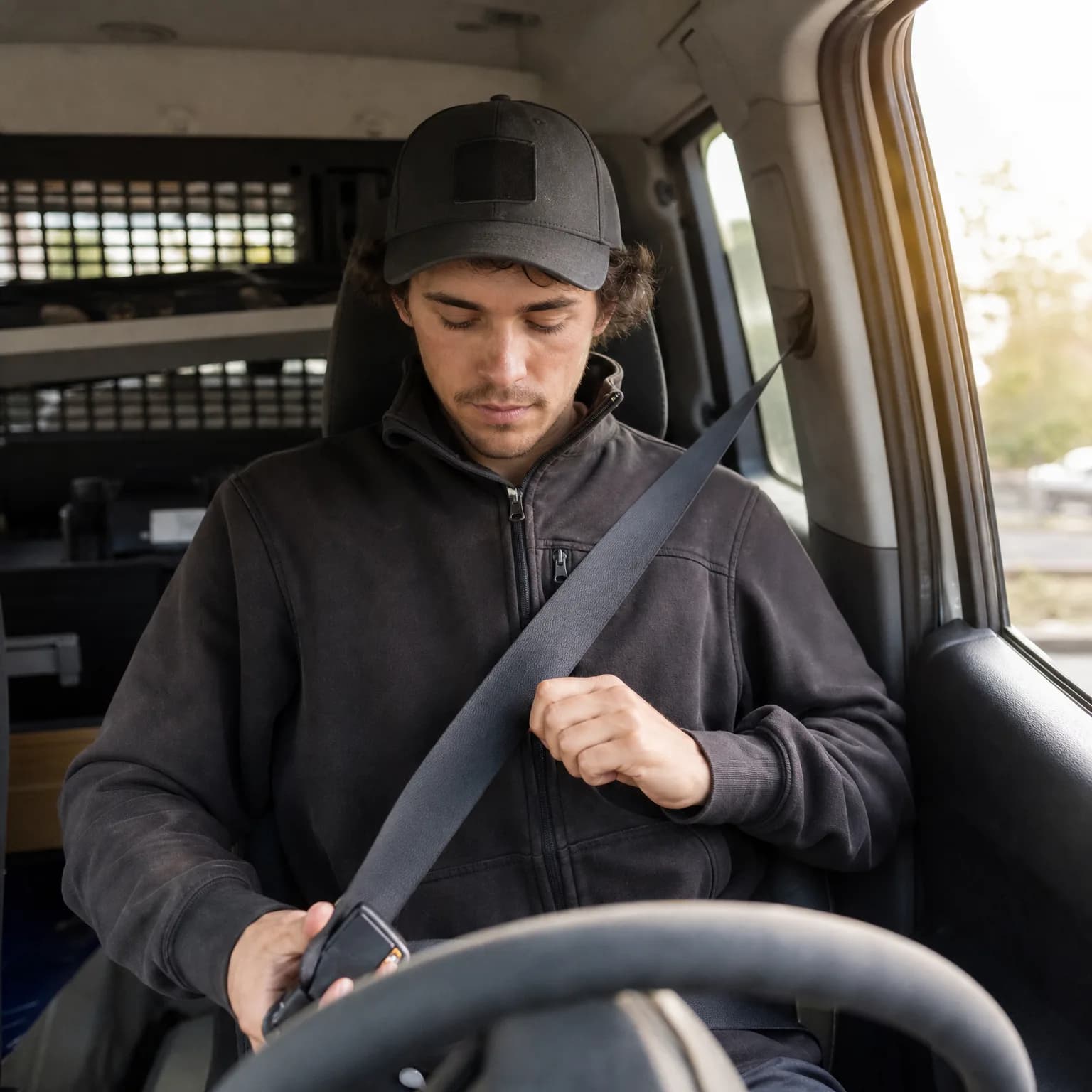
Owner SR-22 premiums in Texas reflect both the SR-22 filing surcharge and the cost of insuring a specific vehicle. Carriers underwrite based on the vehicle's year, make, model, value, and your driving record. The filing adds approximately $25–$50 to your premium at policy inception as a one-time processing fee, then the carrier files electronically with DPS.
Monthly owner SR-22 premiums for high-risk drivers in Texas typically range from $140–$190/month for liability-only coverage meeting state minimums ($30,000 bodily injury per person, $60,000 per accident, $25,000 property damage). Full-coverage owner policies with comprehensive and collision run $220–$350/month depending on vehicle value and deductible selections.
Owner SR-22 covers the listed vehicle and satisfies the state filing requirement simultaneously. If you sell the vehicle or it's totaled, the SR-22 filing remains active as long as you maintain continuous coverage. You can switch to non-owner SR-22 at that point if you no longer own a vehicle, but the filing period clock does not reset.
Which Texas Carriers Write Both Product Types
Not all carriers writing owner SR-22 in Texas also write non-owner SR-22. GAINSCO, Dairyland, Progressive, The General, and USAA all write both product types statewide. Bristol West writes non-owner SR-22 through Security National Insurance Co (NAIC 33120) in Texas. Direct Auto writes both through Direct General Insurance (NAIC 31895).
Acceptance Insurance and Infinity write owner SR-22 but do not consistently offer non-owner policies in all Texas counties. If you start with non-owner SR-22 through one of these carriers and later acquire a vehicle, you may need to switch carriers entirely rather than converting your existing policy. This creates a 3–5 day gap in filing if not managed carefully.
When comparing quotes, confirm the carrier writes both non-owner and owner SR-22 products in your county. Ask explicitly whether mid-filing conversion is available and what the conversion timeline is. A carrier that writes both products can convert your policy in 24–48 hours without a filing gap. A carrier that writes only one product forces you to shop again mid-filing.

Cover Your Filing Before You Own a Car Again
Get My Non-Owner SR-22 Quote
Filing Duration and Reinstatement Costs for Both Products
Texas SR-22 filing duration varies by the violation that triggered the suspension. DUI-related suspensions require 2 years of continuous SR-22 filing from the reinstatement date. Uninsured driving suspensions require 2 years. Repeat offenses or aggravated cases can require 3 years. The filing period begins the day your license is reinstated, not the day you purchase the policy.
Texas DPS charges a $125 reinstatement fee to restore your license after the suspension period ends. This fee is the same whether you hold non-owner SR-22 or owner SR-22. The fee is paid directly to DPS, not to your insurance carrier. You must maintain continuous SR-22 filing for the full required period before paying the reinstatement fee.
If your SR-22 filing lapses for any reason during the required period, DPS re-suspends your license automatically. The filing clock resets to zero. You pay the $125 reinstatement fee again and restart the 2- or 3-year filing period from the new reinstatement date. This applies equally to non-owner and owner SR-22 policies.

Occupational Driver License Complications with Non-Owner SR-22
If you hold a Texas Occupational Driver License (ODL), also called a Cinderella License, you must maintain SR-22 filing for the entire ODL period regardless of whether you own a vehicle. The court order granting the ODL specifies permitted driving routes and times. Violating those restrictions triggers immediate ODL revocation and extends your underlying suspension.
Non-owner SR-22 satisfies the ODL's SR-22 filing requirement. You do not need to own a vehicle to hold an ODL. The ODL allows you to drive vehicles you do not own as long as you stay within the court-defined routes and times. Non-owner SR-22 liability coverage applies when you drive someone else's vehicle with permission during your permitted hours.
If you acquire a vehicle while holding an ODL, you must convert to owner SR-22 within 10 days and notify the court that issued your ODL. Some counties require amended court orders listing the new vehicle. Failure to notify the court can result in ODL revocation even if you converted your insurance policy correctly.
What Happens If You Drive an Owned Vehicle on Non-Owner SR-22
If you drive a vehicle you own while holding only non-owner SR-22, you are driving uninsured under Texas law. The non-owner policy explicitly excludes owned vehicles from coverage. If you are stopped by law enforcement or involved in an accident, the carrier will deny the claim and you face uninsured-driving penalties.
Texas Transportation Code §601.191 imposes penalties for driving without insurance: license suspension for 90–365 days, fines up to $1,000, and mandatory SR-22 filing for 2 years from reinstatement. If you are already on SR-22 filing for a previous violation, a second uninsured-driving offense restarts the filing clock and adds another 2-year period on top of your existing requirement.
If you acquire a vehicle, convert your policy immediately. Do not wait until renewal. Do not assume your existing non-owner SR-22 will cover you temporarily. The exclusion is absolute.
Frequently Asked Questions
Can I switch from non-owner SR-22 to owner SR-22 mid-filing in Texas?
Yes, most carriers writing both products in Texas can convert your non-owner SR-22 to owner SR-22 within 24–48 hours without a filing gap. Contact your carrier the day you acquire the vehicle. The SR-22 filing itself remains continuous during conversion, but your premium will increase to owner-policy rates starting the day the vehicle is added.
Does non-owner SR-22 satisfy Texas DPS filing requirements?
Yes, Texas DPS accepts non-owner SR-22 as full satisfaction of the filing requirement even though no specific vehicle is listed on the certificate. The carrier files Form SR-22 with DPS electronically through the TexasSure system. The state considers the filing valid as long as the policy remains active and in force.
How much does non-owner SR-22 cost in Texas compared to owner SR-22?
Non-owner SR-22 in Texas typically costs $40–$80/month. Owner SR-22 for the same driver typically costs $140–$190/month for liability-only coverage. Over a 2-year filing period, non-owner SR-22 saves approximately $2,400–$2,640 compared to owner policies. Estimates based on available industry data; individual rates vary.
What happens if I buy a car while on non-owner SR-22 in Texas?
You must convert to owner SR-22 within 10 days of acquiring the vehicle. Failure to convert triggers automatic SR-22 filing cancellation under DPS administrative rules. The carrier notifies DPS electronically, DPS re-suspends your license, and your filing clock resets to zero.
Can I hold a Texas Occupational Driver License with non-owner SR-22?
Yes, non-owner SR-22 satisfies the ODL's mandatory SR-22 filing requirement. You do not need to own a vehicle to hold an ODL. The ODL allows you to drive vehicles you do not own as long as you stay within court-defined routes and times. Non-owner SR-22 liability coverage applies during your permitted hours.
Which Texas carriers write both non-owner and owner SR-22?
GAINSCO, Dairyland, Progressive, The General, USAA, Bristol West, and Direct Auto all write both non-owner and owner SR-22 products statewide in Texas. Choosing a carrier that writes both products allows mid-filing conversion in 24–48 hours without a filing gap if you acquire a vehicle later.
Will non-owner SR-22 cover me if I drive a car I own in Texas?
No, non-owner SR-22 explicitly excludes owned vehicles from coverage. If you drive a vehicle you own while holding only non-owner SR-22, you are driving uninsured under Texas law. Claims will be denied and you face uninsured-driving penalties including license suspension and mandatory SR-22 filing.
Related Articles

Texas Non-Owner SR-22 Cost: $30-$60/Mo Typical Range
5/19/2026

Texas Non-Owner SR-22: Filing Without a Vehicle
5/19/2026

Texas Non-Owner SR-22 for License Reinstatement
5/19/2026

Non-Owner vs Owner SR-22 Cost Texas
5/29/2026

Texas Non-Owner SR-22 After DUI: Cost and Filing Period
5/19/2026

Non-Owner vs Owner SR-22: Which Filing Path Costs Less
5/19/2026