
Texas Non-Owner SR-22 for Uninsured-Driving Suspension Setup
Get My Non-Owner SR-22 QuoteWhy Texas Non-Owner SR-22 Exists and When You Need It
Texas suspended your license for driving without insurance. You no longer have a car—either you sold it to reduce costs during the suspension period, it was impounded after the stop, or you never owned one to begin with. You still need to satisfy the SR-22 filing requirement to get your license reinstated, but standard auto insurance policies require listing a specific vehicle.
Non-owner SR-22 insurance solves this. It's a liability-only policy that covers you when you drive someone else's vehicle with permission. The carrier files Form SR-22 with the Texas Department of Public Safety on your behalf, satisfying the state's financial responsibility requirement. You don't need to own a car to carry it. Premiums typically run $40–$85 per month in Texas, roughly 40% lower than owner SR-22 because there's no comprehensive or collision coverage and no specific vehicle attached.
Texas requires SR-22 filing for two years from the reinstatement date after an uninsured-driving suspension under Transportation Code §601.153. If you're also pursuing an Occupational Driver License to drive during the suspension period, the court will require proof of SR-22 filing before issuing the ODL order. Most Texas drivers miss the sequencing: you must secure SR-22 coverage before petitioning the court, not after the judge signs the order.
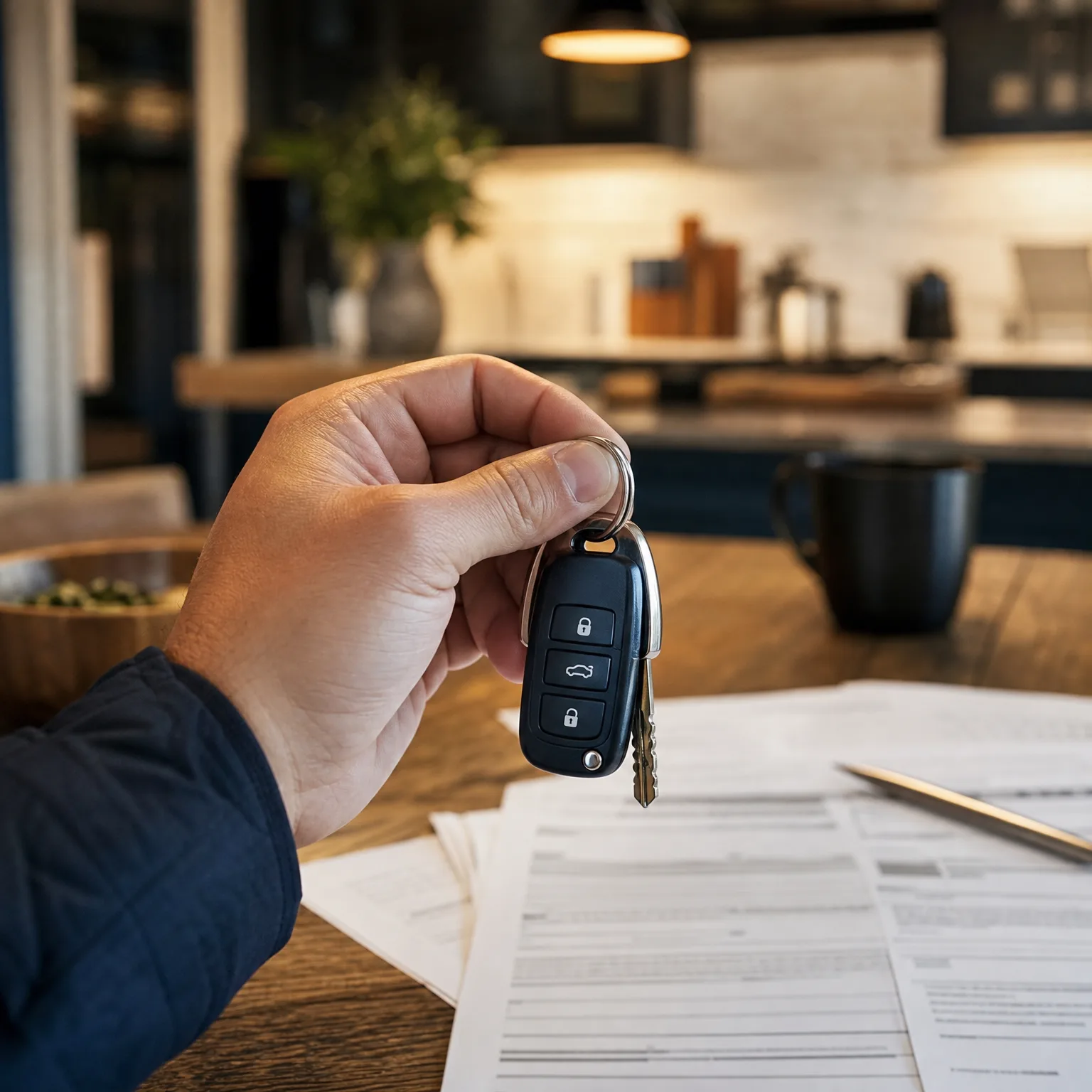
The Specific Documentation Path Texas DPS and Courts Require
Texas uses a dual-authority reinstatement process. DPS handles the administrative suspension and reinstatement fee. The court system handles the Occupational Driver License petition if you need driving privileges before the full suspension period ends. Both require SR-22 filing, but the court petition adds layered documentation.
For DPS reinstatement after the full suspension period, you need: (1) the SR-22 certificate from your carrier filed electronically with DPS, (2) payment of the $125 base reinstatement fee, and (3) clearance of any outstanding tickets or child support liens. DPS will not process reinstatement until the SR-22 is on file in their system, which takes 3–5 business days after the carrier submits it.
For an ODL during the suspension period, you petition a county or district court—not DPS directly. The court requires: (1) the SR-22 certificate proving financial responsibility, (2) proof of essential need documented through employment records or school enrollment, (3) ignition interlock installation documentation if the suspension involved alcohol, and (4) specific route and time-of-day details for the court order. The court will not approve the petition without SR-22 on file first. Once the court signs the order, you present it to DPS along with the reinstatement fee to receive the physical ODL.
Texas abolished the Driver Responsibility Program surcharge system in 2019 under HB 2048, so you won't face additional annual surcharges on top of the reinstatement fee. However, legacy cases from before 2019 may still carry unpaid surcharges that block reinstatement until cleared.

What Non-Owner SR-22 Actually Covers in Texas
Non-owner SR-22 provides liability coverage when you drive a vehicle you do not own. This includes borrowed cars, rental vehicles, or employer-provided vehicles driven with permission. The policy meets Texas minimum liability limits: $30,000 bodily injury per person, $60,000 bodily injury per accident, $25,000 property damage. These are the floors required by Transportation Code Chapter 601; most carriers write non-owner policies at these minimums to keep premiums low.
Non-owner SR-22 does not cover any vehicle you own, even partially. If you buy a car, inherit a vehicle, or are added to a title during the SR-22 filing period, you must convert to a standard owner policy immediately. The non-owner policy will deny any claim involving a vehicle registered to you. If you acquire a vehicle and don't notify your carrier, they will cancel the policy for misrepresentation, DPS will be notified of the lapse, and your reinstatement will be revoked.
The policy also does not cover comprehensive or collision damage to the vehicle you're driving. It pays for injuries and property damage you cause to others. If you wreck a friend's car while driving under a non-owner policy, their insurance handles the vehicle damage—not yours. This is why non-owner premiums are lower: the carrier's risk exposure is limited to third-party liability only.
Which Carriers Write Non-Owner SR-22 in Texas and What They Cost
Not every carrier writes non-owner policies, and fewer still file SR-22 electronically with Texas DPS. Based on verified carrier footprints, the following write non-owner SR-22 in Texas: Dairyland, GAINSCO, The General, Progressive, and USAA (USAA requires military affiliation). Bristol West and Direct Auto write non-owner policies but confirm SR-22 filing capability with the local agent before binding—some underwriters restrict it.
Monthly premiums for non-owner SR-22 in Texas typically range $40–$85 depending on your age, county, and the underlying violation that triggered the suspension. Younger drivers and urban counties (Harris, Dallas, Bexar, Tarrant) pay toward the higher end. Rural counties and drivers over 30 pay closer to $40–$50 per month. Add $25–$35 per month if you also need uninsured motorist coverage, though it's not required by Texas law for non-owner policies.
The SR-22 filing fee itself is separate from the premium. Texas carriers charge $15–$25 as a one-time fee to file Form SR-22 with DPS. Some carriers roll this into the first month's premium; others bill it separately. Confirm the total first-month cost before binding to avoid surprises.
Obtaining a quote requires providing your Texas driver license number, the suspension start date, and the violation code from the DPS suspension notice. Carriers pull your driving record directly from DPS, so underwriting is instant. Most carriers bind coverage and file SR-22 electronically within 24 hours of payment.
Cover Your Filing Before You Own a Car Again
Get My Non-Owner SR-22 Quote
The Two-Year Filing Period and What Happens If You Lapse
Texas requires SR-22 filing for two years from the reinstatement date after an uninsured-driving suspension. The clock starts when DPS processes your reinstatement and restores your license—not when you buy the policy. If you wait six months into the suspension period to get coverage, you still owe two years of filing after reinstatement.
If your non-owner SR-22 policy lapses for any reason—missed payment, cancellation for non-payment, voluntary cancellation—the carrier is required by law to notify DPS electronically within 10 days. DPS will suspend your license again immediately, with no grace period. You must obtain new SR-22 coverage, pay another $125 reinstatement fee, and restart the two-year clock from the new reinstatement date. A single lapse can add $1,500–$2,000 to your total cost over the extended filing period.
Texas uses the TexasSure electronic insurance verification system, which monitors active policies in real time. If your carrier reports a lapse, TexasSure flags your license within 48 hours. You will not receive a warning letter before suspension—the system is automated. Set up autopay and confirm your carrier has your current mailing address for renewal notices.
What to Do If You Acquire a Vehicle During the Filing Period
If you buy a car, receive a vehicle as a gift, or are added to a title while your non-owner SR-22 is active, notify your carrier the same day. Non-owner policies exclude coverage for any vehicle you own, so driving the new vehicle under your non-owner policy leaves you uninsured. Your carrier will convert the policy to a standard owner SR-22, add the vehicle, and adjust the premium.
Expect the premium to roughly double when converting to owner SR-22. You'll now be paying for liability coverage tied to a specific vehicle, plus state-required comprehensive and collision if you have a loan or lease. The carrier will file an updated SR-22 with DPS reflecting the new policy number and vehicle. The two-year filing clock does not reset—you continue from wherever you were in the original timeline.
Some drivers try to stack coverage by keeping the non-owner policy and buying a separate owner policy for the new vehicle. This does not work. DPS requires continuous SR-22 filing on a single active policy. If you cancel the non-owner SR-22 to switch to owner SR-22, there will be a filing gap unless the new policy overlaps by at least one day. Coordinate the effective dates with both carriers to avoid a lapse notification.
How Non-Owner SR-22 Interacts with Texas ODL Restrictions
The Occupational Driver License allows driving for essential purposes—work, school, medical appointments, and essential household duties—during the suspension period. Texas courts cap ODL driving at 12 hours per day maximum, with specific routes and time windows listed in the court order. Violating the ODL restrictions—driving outside permitted hours, for non-essential purposes, or without the court order in the vehicle—triggers immediate revocation and criminal charges for driving while license invalid.
Your non-owner SR-22 policy covers you during ODL-permitted driving. The policy does not care whether you're driving under an ODL or a fully reinstated license—it pays liability claims either way as long as you're driving a non-owned vehicle with permission. However, if you're caught driving outside ODL restrictions, the insurance company can deny the claim on grounds of criminal conduct. Texas law allows carriers to exclude coverage for losses occurring during the commission of a crime, and DWLI is a Class B misdemeanor.
If you're required to install an ignition interlock device as a condition of your ODL, the non-owner SR-22 does not cover the IID cost. That's a separate $70–$100 per month lease paid directly to the IID vendor. The court order will name the approved vendors; DPS does not provide a statewide list. Driving a vehicle without an installed IID when your ODL requires it voids both the court order and your insurance coverage for that trip.
Frequently Asked Questions
Can I get non-owner SR-22 in Texas if I have a DUI instead of an uninsured-driving suspension?
Yes. Non-owner SR-22 satisfies the filing requirement for DUI suspensions in Texas exactly as it does for uninsured-driving suspensions. The two-year filing period and $125 reinstatement fee apply to both. DUI cases often require ignition interlock as an additional ODL condition, but the non-owner SR-22 itself works identically regardless of the underlying violation.
Does Texas allow me to reinstate my license online if I have non-owner SR-22 filed?
Sometimes. Texas DPS offers an online reinstatement portal at txdps.state.tx.us, but eligibility varies by suspension type. Uninsured-driving suspensions without additional complications (unpaid tickets, child support liens, or stacked violations) often qualify for online reinstatement once SR-22 is on file. DWI suspensions and ODL petitions require in-person or mail-in processing.
What happens if I move out of Texas during my SR-22 filing period?
You must notify your carrier immediately and obtain SR-22 coverage issued in your new state. Texas SR-22 filing only satisfies Texas DPS—other states require their own filings. Your carrier can often transfer the policy to a new state if they're licensed there, or you'll need a new carrier. The filing clock does not transfer; your new state sets its own duration based on your violation record.
Can I use a rental car under my Texas non-owner SR-22 policy?
Yes. Non-owner SR-22 provides liability coverage when you drive a rental car in Texas. However, it does not cover collision damage to the rental vehicle itself—you'll need the rental agency's collision damage waiver for that. Your non-owner policy covers injuries and property damage you cause to others while driving the rental.
How do I prove to the court that I have SR-22 on file when petitioning for an ODL?
Request an SR-22 certificate from your carrier—most email a PDF within 24 hours. Attach this certificate to your ODL petition along with employment records and other required documentation. The court will verify the filing with DPS independently, but providing the certificate up front speeds the process. Do not petition the court until the carrier confirms DPS received the SR-22 electronically.
Will my non-owner SR-22 premium go down after the first year?
Possibly. If you maintain continuous coverage with no lapses, no additional violations, and on-time payments, some carriers reduce the premium at the first renewal. Expect a 10–15% reduction at most. The SR-22 filing itself keeps rates elevated—non-owner policies without SR-22 filing cost roughly half as much as those with it.
Can I cancel my non-owner SR-22 after my license is reinstated but before two years?
No. Texas requires continuous SR-22 filing for the full two years from the reinstatement date. Canceling early triggers an automatic suspension, a new $125 reinstatement fee, and restarts the two-year clock. Even if you no longer drive, you must maintain the policy until the filing period ends to avoid re-suspension.
Related Articles
Non-Owner SR-22 Texas: Uninsured-Driving Reinstatement
5/19/2026

Texas Non-Owner SR-22 for License Reinstatement
5/19/2026

Texas Non-Owner SR-22: Filing Without a Vehicle
5/19/2026
Texas Non-Owner SR-22: Filing Without Owning a Car
5/19/2026
Texas Non-Owner vs Owner SR-22: Cost & Coverage
5/19/2026
Texas Non-Owner SR-22 After DUI: Cost and Filing Period
5/19/2026