
South Dakota Non-Owner SR-22: Carrier Options and Filing Speed
Get My Non-Owner SR-22 QuoteWhat Non-Owner SR-22 Actually Does in South Dakota
Non-owner SR-22 is a liability insurance policy that includes the SR-22 certificate filing required by the South Dakota Division of Motor Vehicles. The policy provides bodily injury and property damage coverage when you drive someone else's vehicle with permission. It does not cover any vehicle you own or regularly use.
The carrier files Form SR-22 electronically with the South Dakota DMV on your behalf within 24-48 hours of policy purchase. The DMV processes the filing and updates your driver record to show proof of financial responsibility. The filing remains active as long as the policy stays in force. If you cancel or lapse, the carrier notifies the DMV within 10 days and your license suspension resumes.
South Dakota requires SR-22 filing for three years after DUI convictions, uninsured accident involvement, and certain high-risk violations under SDCL 32-35. The filing period begins the day the DMV receives the SR-22 certificate, not the day of your conviction or arrest. Non-owner SR-22 satisfies this requirement identically to owner SR-22.
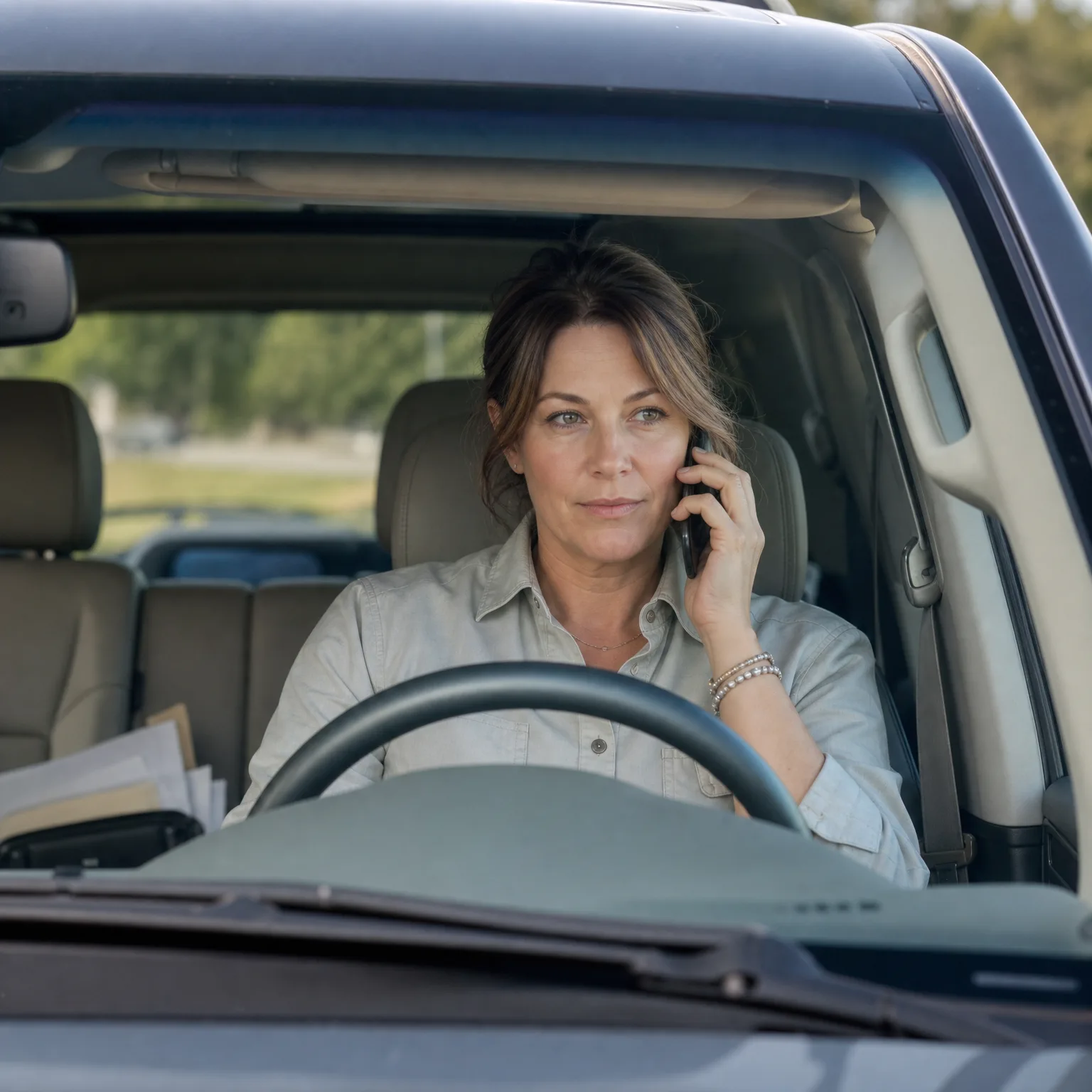
Why Non-Owner SR-22 Costs Less Than Standard SR-22 in South Dakota
Non-owner SR-22 premiums run $35-$65 per month in South Dakota for drivers with DUI or uninsured driving suspensions. Owner SR-22 premiums for the same driver typically run $95-$160 per month because the policy must cover a specific vehicle with comprehensive and collision exposure.
Non-owner policies eliminate vehicle-specific risk. The carrier underwrites your driving record and assigns liability limits, but they do not evaluate vehicle value, theft risk in your zip code, or collision repair costs. This lowers the base premium by 40-60% compared to owner policies. The SR-22 filing fee itself—typically $25-$50 depending on carrier—is identical whether you file owner or non-owner.
Three-year total cost for non-owner SR-22 in South Dakota runs approximately $1,400-$2,500 including filing fees. Owner SR-22 over the same period runs $3,600-$6,000. For drivers who sold their vehicle after suspension or never owned one, non-owner SR-22 is the most cost-efficient path to reinstatement.
South Dakota Carriers Writing Non-Owner SR-22 Policies
Seven carriers actively write non-owner SR-22 policies in South Dakota as of current availability data. Dairyland, Bristol West, The General, and Progressive accept online applications and file SR-22 certificates within 24-48 hours. Geico and USAA write non-owner SR-22 in South Dakota but require phone applications for suspended-license cases.
Dairyland and Bristol West specialize in high-risk non-owner policies and typically offer the lowest premiums for DUI and uninsured-related suspensions. Progressive and The General process applications faster but may price higher for drivers with multiple violations. State Farm writes SR-22 in South Dakota but does not offer a dedicated non-owner product; they require you to list a vehicle even if you don't own it, which defeats the cost advantage.
All carriers file electronically with the South Dakota Division of Motor Vehicles. Paper SR-22 filings are no longer accepted. Most carriers charge a $25-$35 filing fee at policy inception and renewal. Some carriers waive the fee if you maintain continuous coverage without lapse.
How Restricted License Eligibility Changes With Non-Owner SR-22
South Dakota restricted license petitions are filed with the circuit court, not the DMV. If your suspension was DUI-related, the court requires proof of SR-22 filing before granting restricted driving privileges under SDCL 32-12-53. Non-owner SR-22 satisfies this requirement identically to owner SR-22.
The circuit court has discretion in approving or denying restricted license petitions. Judges evaluate employment need, family obligations, medical appointments, and other essential purposes. The court does not care whether your SR-22 filing is owner or non-owner—both demonstrate financial responsibility compliance. However, the court may question how you will comply with route and time restrictions if you do not have access to a specific vehicle. You must document borrowed-vehicle access or employer-provided transportation in your petition.
First-offense DUI suspensions require a 30-day hard suspension before restricted privileges become available. Repeat offenders face longer periods and may be categorically ineligible. Points-accumulation suspensions and uninsured-related suspensions typically allow immediate restricted license petitions once SR-22 filing is active. Confirm eligibility timing with the circuit court clerk in your county before purchasing non-owner SR-22.

Cover Your Filing Before You Own a Car Again
Get My Non-Owner SR-22 Quote
What Happens If You Buy a Vehicle During the Filing Period
Non-owner SR-22 does not cover any vehicle you own. If you purchase, lease, or are gifted a vehicle while your South Dakota SR-22 filing is active, you must convert to an owner SR-22 policy within 30 days. Driving your own vehicle under a non-owner policy is uninsured driving under South Dakota law.
Most carriers allow mid-term conversions from non-owner to owner SR-22 without canceling the original policy. The carrier adds the vehicle to your policy, adjusts the premium, and continues the SR-22 filing without interruption. The filing period does not restart. If you held non-owner SR-22 for 18 months and then convert to owner SR-22, you still only owe 18 more months of filing to satisfy the three-year requirement.
Some drivers stack coverage: they maintain the non-owner policy for borrowed-vehicle driving and add a separate owner policy with SR-22 for the vehicle they acquire. This doubles the filing fee and premium, but it preserves flexibility if the owned vehicle is temporary or shared. Confirm with your carrier before stacking policies—some will cancel the non-owner policy automatically when you add a vehicle to your account.
Filing Speed and DMV Processing in South Dakota
Electronic SR-22 filing reaches the South Dakota Division of Motor Vehicles within 24-48 hours after policy purchase. The DMV updates your driver record within 3-5 business days once the filing is received. You can verify filing status by calling the DMV Driver Licensing office at 605-773-6883 or checking your online driver record at dps.sd.gov.
Some drivers purchase non-owner SR-22 the day before a reinstatement hearing or restricted license petition deadline and expect immediate processing. The DMV does not expedite filings. If your court date is Monday and you buy the policy Friday afternoon, the filing may not post to your record in time. Purchase non-owner SR-22 at least one week before any court or DMV deadline to avoid continuances.
Carriers batch-submit filings to the state overnight. A policy purchased at 9 AM Tuesday will typically file by Wednesday morning and post to your DMV record by Friday. A policy purchased at 6 PM Friday will not file until Monday morning and may not post until Wednesday. Plan around business-day processing, not 24-hour calendar time.
What Non-Owner SR-22 Does Not Cover
Non-owner SR-22 provides liability coverage only. It does not include comprehensive, collision, rental reimbursement, or roadside assistance. If you borrow a vehicle and crash it, your non-owner policy pays for the other driver's injuries and property damage up to your liability limits. It does not pay to repair the vehicle you were driving—that falls on the owner's policy or your own assets.
South Dakota minimum liability limits are $25,000 per person for bodily injury, $50,000 per accident for total bodily injury, and $25,000 per accident for property damage. Most carriers require these minimums for non-owner SR-22 policies. Some allow higher limits at additional cost. Higher limits reduce your personal liability exposure if you cause a serious accident while driving a borrowed vehicle.
Non-owner policies exclude coverage for vehicles you own, vehicles furnished for your regular use, vehicles owned by household members, and vehicles used for commercial purposes. If you drive a family member's car daily, that vehicle becomes a regular-use vehicle and your non-owner policy will not respond to a claim. The family member's policy must list you as a driver.
Frequently Asked Questions
Can I get non-owner SR-22 in South Dakota if I don't have a driver's license yet?
No. South Dakota carriers require an active or suspended driver's license to issue non-owner SR-22. If your license is revoked or you never held a South Dakota license, you must apply for a new license before purchasing SR-22 insurance. The SR-22 filing ties to your existing driver record.
Does non-owner SR-22 count toward my three-year filing requirement in South Dakota?
Yes. South Dakota counts non-owner SR-22 and owner SR-22 identically for filing-period compliance. The three-year clock starts the day the DMV receives your first SR-22 certificate and continues as long as coverage remains active without lapse. Switching between non-owner and owner SR-22 mid-period does not restart the clock.
What happens if my non-owner SR-22 policy lapses in South Dakota?
The carrier notifies the South Dakota DMV within 10 days of cancellation or non-payment. The DMV suspends your license immediately and you must refile SR-22 to reinstate. The three-year filing period extends by the number of days you were without coverage. Most carriers charge a reinstatement fee to reactivate a lapsed policy.
Can I use non-owner SR-22 to satisfy a restricted license requirement in South Dakota?
Yes. South Dakota circuit courts require proof of SR-22 filing before granting restricted driving privileges for DUI and certain high-risk suspensions. Non-owner SR-22 satisfies this requirement. However, you must document access to a borrowed vehicle or employer-provided transportation in your restricted license petition.
Do I need non-owner SR-22 in South Dakota if I never drive?
Yes, if your suspension or reinstatement order requires SR-22 filing. South Dakota does not waive the SR-22 requirement for non-drivers. The filing demonstrates financial responsibility compliance, not current driving activity. You must maintain continuous SR-22 coverage for the full three-year period even if you do not drive during that time.
Can I get non-owner SR-22 in South Dakota with a DUI and multiple speeding tickets?
Yes. Carriers writing non-owner SR-22 in South Dakota specialize in high-risk cases. Dairyland, Bristol West, and The General accept applications from drivers with DUI, suspended license, uninsured accidents, and points accumulation. Premiums increase with violation severity, but coverage is available. Expect $50-$80 per month for DUI plus multiple moving violations.
Related Articles

SD Non-Owner SR-22: Cost, Carriers, and Filing Path
5/19/2026
North Dakota Non-Owner SR-22: Cost, Carriers, Filing
5/19/2026
Non-Owner SR-22 Cost in North Dakota: Carless Filers
5/19/2026

SD Non-Owner SR-22 Cost by Cause: DUI vs Uninsured
5/19/2026
Non-Owner SR-22 Costs in North Dakota by Cause
5/19/2026
Non-Owner SR-22 in South Dakota After Suspension
5/19/2026