
Pennsylvania Non-Owner SR-22 vs Owner SR-22: Cost & Coverage
Get My Non-Owner SR-22 QuoteWhat Non-Owner SR-22 Actually Covers in Pennsylvania
A non-owner SR-22 policy in Pennsylvania provides liability coverage when you drive a vehicle you do not own. It satisfies PennDOT's financial responsibility filing requirement after suspensions triggered by DUI, uninsured driving, or excessive points. The carrier files Form SR-22 with PennDOT's Bureau of Driver Licensing electronically, just as they would for an owner policy.
The policy covers bodily injury and property damage liability when you borrow a friend's car, rent a vehicle, or drive an employer's car for personal errands. It meets Pennsylvania's minimum liability requirements: $15,000 per person, $30,000 per accident for bodily injury, and $5,000 for property damage. PennDOT does not distinguish between owner and non-owner filings when evaluating license reinstatement eligibility—the SR-22 form itself is identical.
What the policy does not cover: any vehicle you own, lease, or have regular access to. If you buy a car during your filing period, the non-owner policy stops covering you the moment you take title. Pennsylvania insurers report policy changes to PennDOT electronically through the Financial Responsibility Reporting system, and a lapse triggers automatic re-suspension.
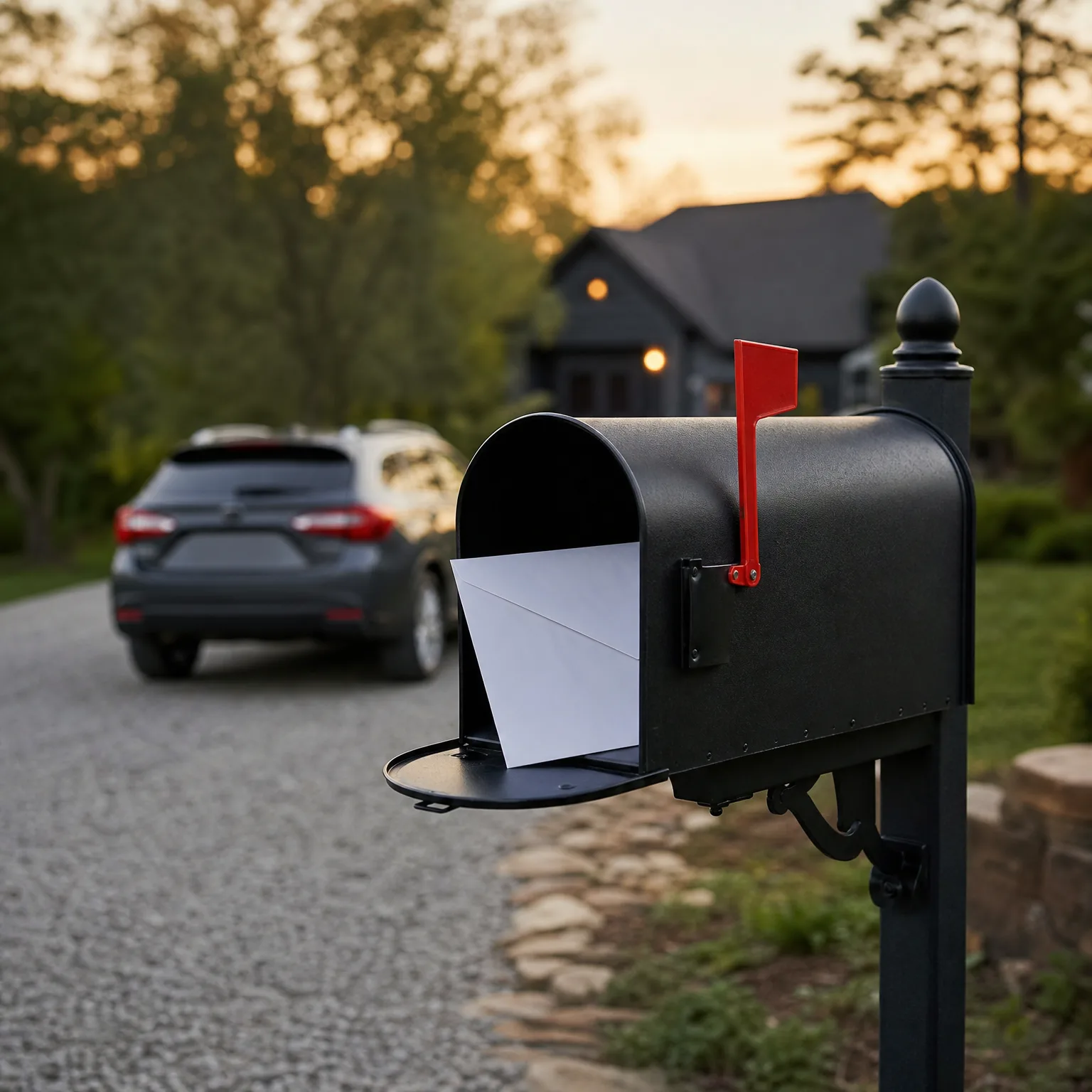
Cost Difference Between Non-Owner and Owner SR-22 in Pennsylvania
Non-owner SR-22 premiums in Pennsylvania typically run $35–$65 per month, compared to $110–$220 per month for owner SR-22 with full coverage. The difference comes from coverage scope: non-owner policies provide liability only, with no collision or comprehensive insurance and no vehicle to insure. You pay for the filing obligation and occasional-use liability, not vehicle protection.
Both policy types carry the same SR-22 filing fee: $25–$50 per occurrence, charged by the carrier and separate from the premium. PennDOT's restoration fee is $50, paid once at reinstatement regardless of policy type. Over a typical 3-year filing period following a DUI conviction, total cost for non-owner SR-22 runs approximately $1,300–$2,400 versus $4,000–$8,000 for owner SR-22 with comprehensive and collision.
Carriers writing non-owner SR-22 in Pennsylvania include Progressive, Geico, Dairyland, Bristol West, The General, and Direct Auto. Not all carriers offer non-owner policies—State Farm, Allstate, and Erie typically require an owned vehicle. Shop at least three carriers. Monthly premium varies by age, violation type, and county, but the 40–60% savings threshold holds across most underwriting profiles.
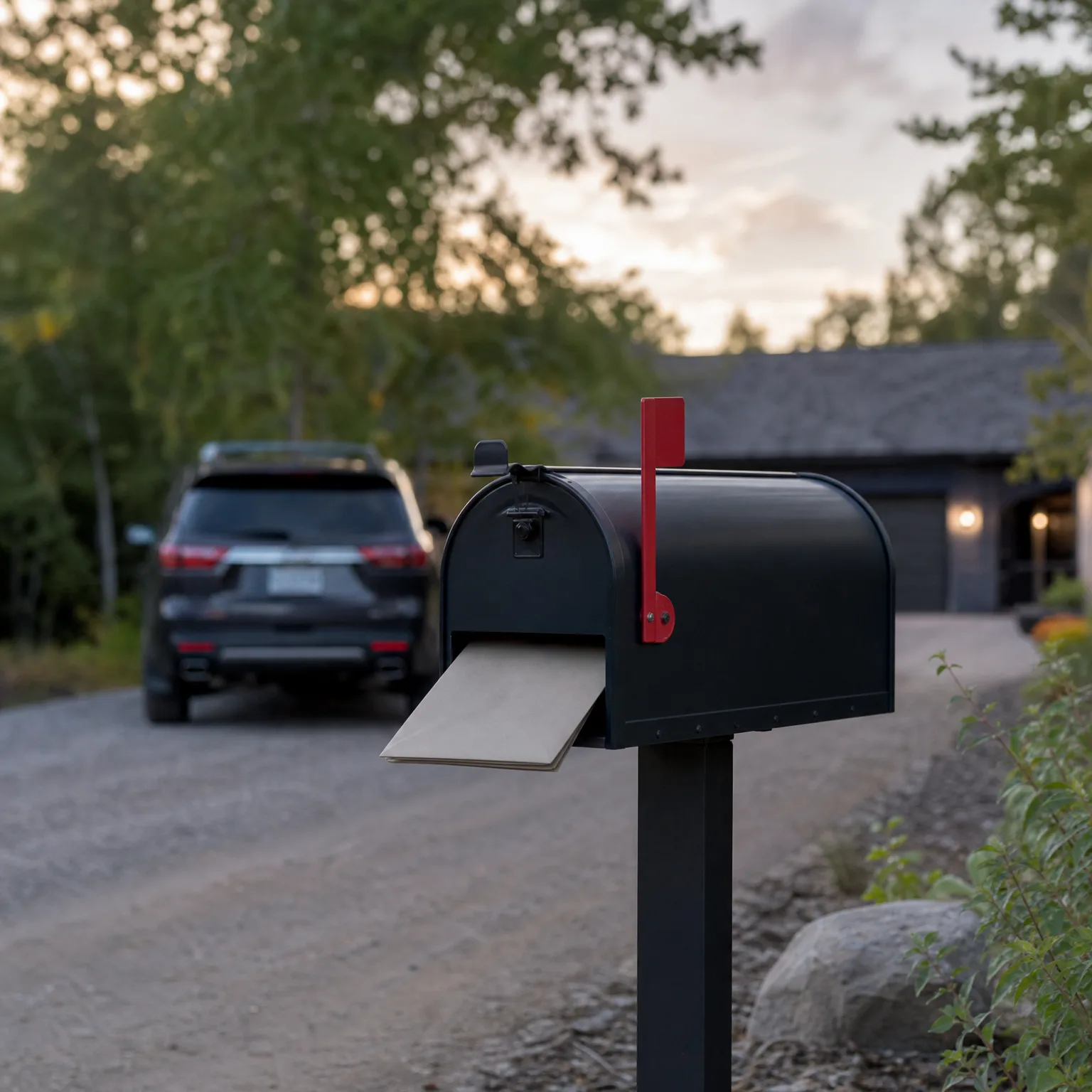
When You Must Switch from Non-Owner to Owner SR-22
Pennsylvania law requires continuous proof of financial responsibility throughout the filing period. If you acquire a vehicle—through purchase, lease, gift, or title transfer—you must notify your insurer within 30 days and convert to an owner policy or add the vehicle to an existing policy. Failure to do so creates a coverage gap PennDOT interprets as a lapse, triggering automatic suspension under 75 Pa. C.S. § 1786.
The carrier reports the policy change to PennDOT electronically. If the new policy does not include SR-22 filing, or if there is any gap between cancellation of the non-owner policy and effective date of the owner policy, PennDOT receives a cancellation notice and re-suspends your license. Most carriers allow same-day conversion if you call before taking possession of the vehicle. Waiting until after you drive the car creates liability exposure and filing risk.
Some drivers attempt to maintain both a non-owner SR-22 policy and a separate owner policy without SR-22 to avoid higher premiums. This fails: PennDOT requires that the SR-22 filing attach to a policy covering your primary vehicle. If the non-owner filing remains active but you own a car, the filing no longer reflects your actual financial responsibility, and PennDOT can administratively suspend for misrepresentation.
How Pennsylvania Tracks SR-22 Filings Electronically
Pennsylvania insurers report all SR-22 policy changes through the state's Financial Responsibility Reporting system. When your carrier files the initial SR-22, PennDOT receives electronic confirmation within 24–48 hours. When the policy cancels, lapses, or is not renewed, PennDOT receives a cancellation notice within the same timeframe. There is no grace period for lapses caused by non-payment or voluntary cancellation.
The Bureau of Driver Licensing maintains a flag on your record requiring continuous SR-22 filing for the full duration specified by your suspension order—typically 3 years for DUI convictions, 3 months to 3 years for uninsured violations under § 1786, and variable periods for points accumulations. The filing period starts from your reinstatement date, not your suspension date. If you cancel the policy one day before the filing period expires, PennDOT re-suspends immediately and the clock resets.
Drivers can verify their filing status online through PennDOT's Driver License Restoration Requirements portal at dmv.pa.gov. The system shows outstanding fees, required filings, and remaining filing duration. If your record shows no active SR-22 but you believe your carrier filed, contact the carrier first—filing transmission errors occur, and resolution takes 3–5 business days.

Cover Your Filing Before You Own a Car Again
Get My Non-Owner SR-22 Quote
Non-Owner SR-22 and Pennsylvania's Occupational Limited License
Pennsylvania offers an Occupational Limited License (OLL) for certain DUI offenders during the suspension period. The OLL requires proof of financial responsibility, which non-owner SR-22 satisfies. You petition the court of common pleas in your county, and if approved, the OLL restricts driving to court-defined purposes: work, medical appointments, school, or other activities the judge approves.
The OLL application requires an SR-22 filing before the court will issue the license. Because most suspended drivers no longer own a vehicle—either due to impoundment, sale to cover legal costs, or loss of insurance affordability—non-owner SR-22 is the product most OLL applicants use. The filing confirms you carry liability coverage sufficient to meet state minimums, even though you have no specific vehicle to insure.
Ignition interlock is required for OLL holders in most DUI cases. The device installs on a vehicle you have regular access to, which creates a coordination problem for non-owner policy holders. You must identify a specific vehicle for interlock installation—typically a family member's car or an employer's vehicle—and obtain written permission from the vehicle owner. The non-owner policy covers you when driving that vehicle with permission, but the vehicle owner's insurance is primary. If a claim exceeds the owner's liability limits, your non-owner policy provides excess coverage up to your policy limits.
What Happens If You Drive Without Proper SR-22 Coverage
Driving in Pennsylvania during a suspension period flagged for SR-22 filing, without an active policy carrying that filing, is Driving While Operating Privilege Is Suspended or Revoked (DWOPSR) under 75 Pa. C.S. § 1543. First offense carries a $200 fine and potential additional suspension. Second offense within 10 years carries a $500 fine and mandatory 60–90 days additional suspension. Third offense is a misdemeanor with up to 90 days in jail.
If you hold a non-owner SR-22 policy but drive a vehicle you own, you are both uninsured (the non-owner policy excludes owned vehicles) and in violation of your filing obligation (the SR-22 no longer reflects your actual risk). A traffic stop results in citations for DWOPSR, driving without insurance under § 1786, and likely vehicle impoundment. Total fines and reinstatement fees can exceed $1,500, and the SR-22 filing period resets from the new conviction date.
PennDOT does not issue warnings before re-suspending for lapse. The carrier reports the cancellation electronically, and the suspension is automatic. Most drivers discover the re-suspension when pulled over for an unrelated traffic stop, at which point the officer impounds the vehicle and issues a DWOPSR citation. Check your PennDOT driving record monthly during the filing period to confirm active SR-22 status.
Choosing Between Non-Owner SR-22 and Waiting Out the Suspension
Pennsylvania suspensions for DUI, uninsured driving, and points accumulation require SR-22 filing for reinstatement. The filing period runs from reinstatement forward, not during the suspension. If your suspension is 12 months and the filing requirement is 3 years, you will be under SR-22 obligation for 4 years total: 12 months suspended without driving, then 36 months driving with SR-22.
Some drivers postpone reinstatement to delay the SR-22 filing period, reasoning that high premiums make driving unaffordable. This extends the total restriction period but reduces insurance costs paid. If non-owner SR-22 runs $50/month and owner SR-22 would run $180/month, and you do not need to drive daily, deferring reinstatement until you acquire a vehicle may save $2,000–$4,000 over the full filing period.
The trade-off: every month you remain suspended is a month you cannot drive legally, cannot commute without relying on others, and risk additional criminal charges if caught driving. Pennsylvania prosecutors and judges view continued driving during suspension as willful defiance, and subsequent convictions carry harsher penalties. If you have stable employment, family obligations, or medical needs requiring regular driving, pay the non-owner premium and reinstate. If you live in an urban area with public transit and genuinely do not need to drive, waiting may be rational—but do not drive during that waiting period.
Frequently Asked Questions
Can I get non-owner SR-22 if I share a household vehicle with my spouse in Pennsylvania?
Non-owner SR-22 in Pennsylvania excludes vehicles you have regular access to, including household vehicles. If you share a car titled in your spouse's name and drive it regularly, most carriers require you to be added as a named insured on an owner policy with SR-22 filing attached. Listing yourself as an occasional driver on your spouse's policy without SR-22 does not satisfy PennDOT's filing requirement.
Does Pennsylvania accept out-of-state non-owner SR-22 filings?
Pennsylvania accepts SR-22 filings from carriers licensed to write policies in Pennsylvania, regardless of the carrier's home state. If you move to Pennsylvania from another state with an active non-owner SR-22 policy, verify the carrier is licensed in PA and request they file an SR-22 with PennDOT. If the carrier is not licensed in Pennsylvania, you must obtain a new policy from a PA-licensed carrier before your current policy cancels.
What happens to my non-owner SR-22 if I move out of Pennsylvania during the filing period?
Your Pennsylvania SR-22 filing obligation follows you to your new state of residence. You must obtain a new policy in the destination state, request the carrier file SR-22 with both PennDOT and your new state's DMV, and maintain continuous coverage during the transition. Any gap between cancellation of the Pennsylvania policy and effective date of the new policy triggers re-suspension in Pennsylvania, even if you no longer live there.
Can I cancel my non-owner SR-22 early if I no longer need to drive?
Pennsylvania requires continuous SR-22 filing for the full court-ordered or administratively mandated period, typically 3 years for DUI. Canceling early—even if you surrender your license and stop driving—triggers automatic re-suspension and resets the filing period. The only way to end the requirement early is successful petition to the court for early termination, which is rarely granted and requires demonstrating extraordinary circumstances.
Will my non-owner SR-22 premium decrease over the 3-year filing period?
Most carriers reduce non-owner SR-22 premiums by 10-25% after the first year if you maintain continuous coverage without claims or new violations. Pennsylvania insurers review underwriting annually, and a clean record during the filing period signals reduced risk. Switching carriers mid-filing period for a lower rate is allowed, but ensure the new carrier files SR-22 with PennDOT before canceling the existing policy to avoid a lapse.
Does non-owner SR-22 cover rental cars in Pennsylvania?
Non-owner SR-22 provides liability coverage when you rent a vehicle, but it does not cover physical damage to the rental car itself. Rental agencies require collision damage waiver or proof of comprehensive/collision coverage, which non-owner policies do not include. You must purchase the rental agency's damage waiver or use a credit card that provides rental car coverage to protect against damage charges.
Related Articles
PA Non-Owner SR-22 Costs: $45-$85/Mo Without a Car
5/19/2026

PA Non-Owner SR-22: Filing Without Owning a Vehicle
5/19/2026
PA Non-Owner SR-22: File Without a Car After DUI
5/19/2026
PA Non-Owner SR-22 After DUI: 3-Year Filing Cost
5/19/2026
Pennsylvania Non-Owner SR-22 for Uninsured Suspension
5/19/2026
Non-Owner SR-22 After Reckless Driving in PA
5/19/2026