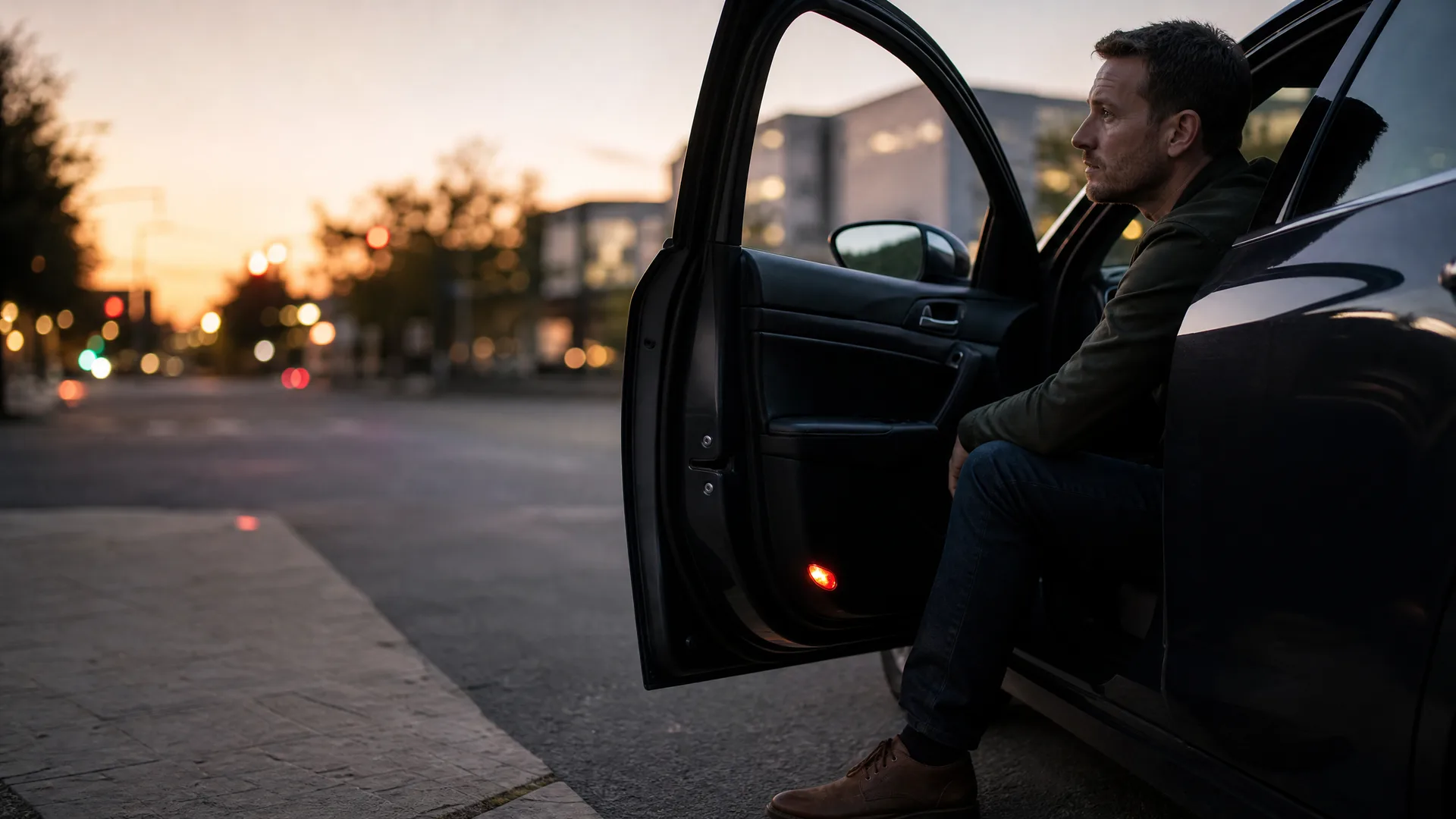
Pennsylvania Non-Owner SR-22 Premium Range: What Carless Filers Pay
Get My Non-Owner SR-22 QuoteWhat Non-Owner SR-22 Costs in Pennsylvania Without a Vehicle
Non-owner SR-22 premiums in Pennsylvania typically range from $45 to $85 per month for drivers with a single suspension trigger. That translates to roughly $540 to $1,020 annually, compared to $1,200 to $2,400 for standard owner SR-22 policies with collision and comprehensive coverage attached to a specific vehicle.
The lower cost reflects the product's narrower scope. Non-owner policies provide liability coverage when you drive someone else's vehicle with permission. They do not insure any vehicle you own, lease, or regularly use. PennDOT's Bureau of Driver Licensing requires proof of financial responsibility to reinstate a suspended license, but the department does not mandate that the proof come from a policy tied to a specific VIN.
Carriers price non-owner SR-22 by evaluating your driving record, the violation that triggered the filing requirement, your county of residence, and the liability limits you select. Pennsylvania requires minimum liability limits of $15,000 per person, $30,000 per accident for bodily injury, and $5,000 for property damage. Most non-standard carriers writing non-owner SR-22 in Pennsylvania offer only state-minimum limits because the product is designed for compliance, not comprehensive protection.
Estimates based on available industry data; individual rates vary by driving history, coverage selections, and location.

How Pennsylvania SR-22 Filing Duration Affects Total Cost
Pennsylvania does not impose a universal SR-22 filing duration. The filing period depends entirely on the violation that triggered the suspension. DUI convictions under 75 Pa.C.S. § 3804 typically require 3 years of continuous SR-22 filing. Uninsured motorist violations under 75 Pa.C.S. § 1786 also carry a 3-year filing requirement. Administrative suspensions for insurance lapses often reset if the policy cancels during the filing period, extending the total duration.
The practical math: a $60 monthly non-owner SR-22 premium over a 3-year filing period totals approximately $2,160. A $1,500 annual owner SR-22 policy over the same period totals $4,500. The non-owner product saves roughly $2,340 over three years for a driver who does not need to insure a specific vehicle.
PennDOT does not send reminder notices when your filing period ends. The carrier that issued your SR-22 tracks the duration internally, but you remain responsible for confirming the requirement has been satisfied before canceling coverage. Canceling early triggers an automatic re-suspension, even if only days remain on the filing period.


Which Pennsylvania Carriers Write Non-Owner SR-22 Policies
Most non-standard carriers licensed in Pennsylvania offer non-owner SR-22 products. Non-owner SR-22 insurance is written by carriers that specialize in high-risk and post-violation markets: Dairyland, Bristol West, Progressive, Geico, The General, Direct Auto, and National General all maintain non-owner underwriting operations in the state.
Carrier availability varies by county. Philadelphia, Allegheny, and other high-density counties have broader carrier participation than rural markets in north-central Pennsylvania. Drivers in less populated counties may find only two or three carriers willing to quote non-owner SR-22, and those carriers often charge higher premiums to offset concentration risk.
Some preferred-tier carriers decline non-owner SR-22 applications entirely. State Farm writes SR-22 filings in Pennsylvania but does not offer non-owner products. Erie and Amica both operate in Pennsylvania but focus on standard-risk markets and generally decline post-suspension applicants regardless of vehicle ownership status.

Cover Your Filing Before You Own a Car Again
Get My Non-Owner SR-22 QuoteWhat Happens If You Acquire a Vehicle During the Filing Period
Non-owner SR-22 policies do not cover vehicles you own, lease, or regularly drive. If you purchase, inherit, or are titled on a vehicle while your Pennsylvania SR-22 filing requirement is active, you must immediately convert to an owner SR-22 policy or stack coverage.
The conversion triggers a new underwriting evaluation. Your carrier will recalculate your premium based on the vehicle's year, make, model, VIN, and the coverage you select. Comprehensive and collision coverages will be offered but not required unless you finance the vehicle through a lender that mandates physical damage coverage. Liability-only owner SR-22 policies cost more than non-owner policies because the vehicle itself introduces collision and uninsured motorist exposure, even if you decline those coverages.
PennDOT does not automatically learn of vehicle acquisitions unless you register the vehicle or your carrier files a cancellation notice for the non-owner policy. Driving your own vehicle on a non-owner SR-22 policy leaves you uninsured for that vehicle. If you are involved in a collision while driving your own car under non-owner coverage, the carrier will deny the claim and PennDOT will treat the lapse as a violation of your financial responsibility requirement, triggering re-suspension.

How PennDOT Receives and Tracks Your SR-22 Filing
Pennsylvania carriers submit SR-22 filings electronically to PennDOT's Bureau of Driver Licensing through the state's Financial Responsibility Reporting system. The filing confirms that you maintain continuous liability coverage meeting or exceeding Pennsylvania's minimum required limits. PennDOT does not issue a separate SR-22 certificate to drivers; the carrier files directly with the state on your behalf.
Most carriers file SR-22 forms within 24 to 48 hours of policy binding. PennDOT processes incoming filings within 3 to 5 business days under typical conditions. The filing does not reinstate your license automatically. You must still satisfy all other reinstatement requirements: pay the $50 restoration fee, complete any court-ordered programs such as Alcohol Highway Safety School for DUI suspensions, and resolve any outstanding fines or judgments.
If your non-owner SR-22 policy cancels for non-payment or any other reason, the carrier is required to file an SR-26 cancellation notice with PennDOT. The state suspends your license again immediately upon receiving the SR-26, even if the cancellation was unintentional or the result of a billing error. Reinstatement after an SR-26 suspension requires a new SR-22 filing, payment of a new $50 restoration fee, and restarting the filing period from zero in many cases.

When Non-Owner SR-22 Does Not Satisfy Pennsylvania Requirements
Non-owner SR-22 policies satisfy PennDOT's financial responsibility filing requirement for most suspension triggers, but two scenarios create complications. First, if you hold an Occupational Limited License issued by a Pennsylvania court of common pleas, the court may specify that your SR-22 filing must be tied to a specific vehicle VIN. Non-owner policies cannot satisfy VIN-specific filing mandates. Review your OLL order carefully before purchasing non-owner coverage.
Second, if your suspension involves multiple stacked violations and one of those violations resulted from operating a specific vehicle that remains titled in your name, PennDOT may require proof that the titled vehicle is insured independently. Non-owner SR-22 does not insure titled vehicles. You would need either to transfer the title, surrender the registration, or maintain a separate owner policy on that vehicle while carrying non-owner SR-22 for your personal driving.
Drivers participating in Pennsylvania's Ignition Interlock Limited License program under 75 Pa.C.S. § 3805 must install an IID in any vehicle they operate. Non-owner SR-22 does not authorize IID installation in borrowed vehicles. IILL participants who do not own a vehicle face a practical barrier: they cannot legally drive under the IILL terms without a vehicle equipped with an interlock device registered to them.
Frequently Asked Questions
Can I get non-owner SR-22 insurance in Pennsylvania if I have a DUI conviction?
Yes. Pennsylvania carriers write non-owner SR-22 policies for DUI suspensions under 75 Pa.C.S. § 3804. Premiums for DUI-triggered non-owner SR-22 typically range from $60 to $95 per month, depending on your BAC level at the time of arrest, prior DUI history, and county of residence. The filing period for DUI suspensions in Pennsylvania is 3 years from the conviction date.
Does Pennsylvania require FR-44 filing instead of SR-22 for any violations?
No. Pennsylvania uses SR-22 filings exclusively. FR-44 certificates apply only in Florida and Virginia for DUI and aggravated driving offenses. Pennsylvania drivers suspended for any violation type, including DUI, satisfy the state's financial responsibility requirement with standard SR-22 filing.
What happens if I move out of Pennsylvania while my SR-22 filing is still required?
Your Pennsylvania SR-22 filing requirement follows you to your new state of residence. You must obtain a new SR-22 policy from a carrier licensed in your new state and notify PennDOT of your address change. The filing period clock continues to run; moving does not reset or extend the 3-year requirement. Some states require FR-44 instead of SR-22, which complicates interstate moves for DUI suspensions.
Can I use a non-owner SR-22 policy to register a vehicle in Pennsylvania?
No. Pennsylvania vehicle registration requires proof of insurance tied to the specific vehicle VIN. Non-owner SR-22 policies do not list a vehicle and cannot be used to register or title a car. If you acquire a vehicle during your filing period, you must convert to an owner SR-22 policy that includes the VIN on the declarations page.
How much does it cost to file SR-22 in Pennsylvania beyond the insurance premium?
Carriers typically charge a one-time SR-22 filing fee of $15 to $35 when the policy is first issued. Pennsylvania also requires a $50 license restoration fee paid directly to PennDOT before reinstatement. The restoration fee is separate from the filing fee and the insurance premium. If your policy cancels and triggers a re-suspension, you will pay the filing fee and restoration fee again.
Do I need to notify PennDOT when my SR-22 filing period ends?
No. PennDOT tracks SR-22 filing periods internally based on the conviction date and the statutory duration for your specific violation. Your carrier does not file a termination notice when the period expires. You are responsible for confirming the filing requirement has been satisfied before canceling your policy. Canceling early triggers automatic re-suspension, even if only days remain.
Related Articles
PA Non-Owner SR-22 vs Owner: Cost & Coverage Facts
5/19/2026

PA Non-Owner SR-22: Filing Without Owning a Vehicle
5/19/2026

Pennsylvania Non-Owner SR-22 for Uninsured Suspension
5/19/2026

PA Non-Owner SR-22 After DUI: 3-Year Filing Cost
5/19/2026

PA Non-Owner SR-22: File Without a Car After DUI
5/19/2026
Non-Owner SR-22 After Reckless Driving in PA
5/19/2026