Pennsylvania Non-Owner SR-22 After DUI: Filing Period and Premium Range
Get My Non-Owner SR-22 QuoteNon-Owner SR-22 Satisfies Pennsylvania's 3-Year DUI Filing Requirement
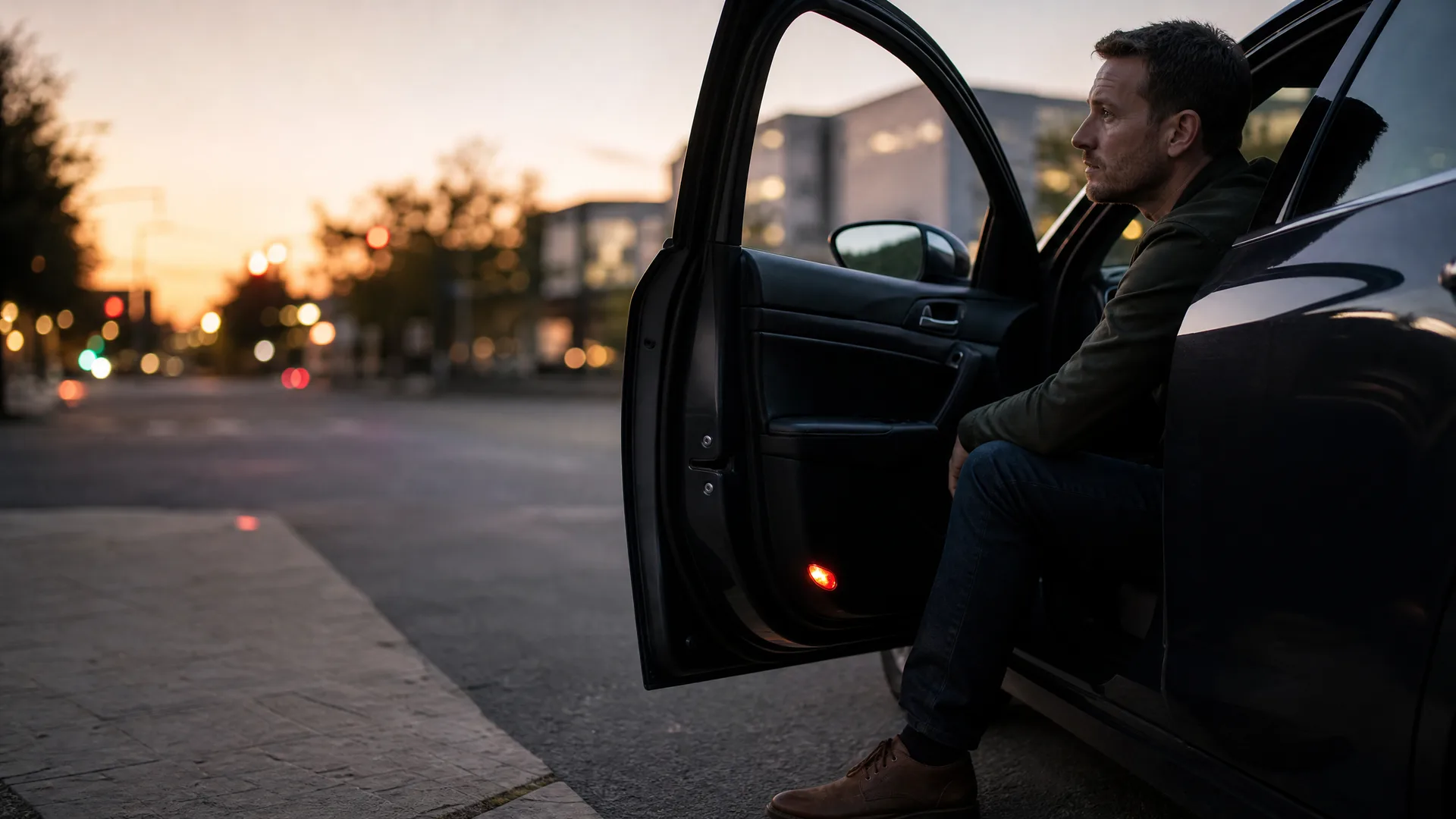
Pennsylvania requires SR-22 financial responsibility certification for 3 years following DUI conviction under 75 Pa. C.S. § 3804. The filing starts the day your policy is issued and filed with PennDOT, not the conviction date. If you do not currently own a vehicle—whether it was impounded, sold during suspension, or never purchased—non-owner SR-22 satisfies the state's filing mandate on its own.
Non-owner policies provide liability coverage when you drive someone else's vehicle with permission. They do not cover vehicles you own. If you acquire a car during the 3-year filing period, you must convert to a standard owner SR-22 policy or stack coverage immediately. Driving your own vehicle under a non-owner policy leaves you uninsured for that trip.
Typical non-owner SR-22 premiums in Pennsylvania range from $40 to $80 per month, approximately 30-60% lower than owner SR-22 because there is no comprehensive or collision coverage and no specific vehicle attached. Carriers writing non-owner SR-22 in Pennsylvania include Dairyland, Geico, Progressive, The General, Direct Auto, Bristol West, and National General. Estimates based on available industry data; individual rates vary by driving history, age, county, and coverage selections.

Pennsylvania's Dual Restricted-Driving Programs and Non-Owner SR-22 Timing
Pennsylvania operates two separate restricted-driving programs: the Occupational Limited License (OLL) issued by the court of common pleas under 75 Pa.C.S. § 1553, and the Ignition Interlock Limited License (IILL) issued by PennDOT under 75 Pa.C.S. § 3805. Most DUI-suspended drivers interact with the IILL, not the OLL. The IILL becomes available after you serve the mandatory hard suspension period—which varies by DUI tier and prior offenses—and requires ignition interlock device (IID) installation, SR-22 filing, and applicable fees.
The OLL is a court-issued program for occupational or therapeutic driving during suspension. For DUI cases, the court will not consider an OLL petition until the hard suspension period is fully served. Because OLL petitions are filed with the court of common pleas in your county of residence, procedural requirements, fees, and processing times vary by county—there is no statewide uniform fee or timeline.
Non-owner SR-22 filing can begin before you petition for either restricted license. Many carriers will write and file the policy immediately after conviction, allowing you to meet the SR-22 requirement in parallel with the suspension period. PennDOT will accept the filing regardless of your license status. When you apply for the IILL or OLL, the SR-22 will already be on file and active, satisfying one reinstatement prerequisite.

What Non-Owner SR-22 Covers and What It Does Not
Non-owner SR-22 provides liability coverage when you drive a vehicle you do not own. This includes borrowed cars, rental vehicles, and occasional use of a family member's car with their permission. The liability minimums in Pennsylvania are $15,000 per person for bodily injury, $30,000 per accident for bodily injury, and $5,000 for property damage. Your non-owner policy must meet or exceed these limits.
The policy does not cover vehicles registered to you or members of your household. It does not provide comprehensive or collision coverage. It does not cover vehicles you use regularly unless they are specifically excluded from the policy. If you buy or are gifted a vehicle during the 3-year filing period, you must notify your carrier immediately and convert to an owner policy. Driving your own vehicle under a non-owner policy voids coverage for that trip.
Pennsylvania also requires first-party medical benefits (PIP) on all auto policies, including non-owner policies. This adds approximately $8 to $15 per month to your premium. The PIP coverage applies regardless of whose vehicle you are driving.

Cover Your Filing Before You Own a Car Again
Get My Non-Owner SR-22 QuoteFiling Process and PennDOT Notification
The carrier files Form SR-22 electronically with PennDOT's Bureau of Driver Licensing on your behalf. Most carriers submit the filing within 24 to 48 hours of policy issuance. PennDOT processes the filing and updates your driving record to reflect active financial responsibility certification.
You will receive a stamped SR-22 certificate from your carrier. Keep this document with you when driving. Pennsylvania law enforcement may request proof of insurance during traffic stops, and the SR-22 certificate serves as that proof. If your policy lapses or is canceled for any reason, the carrier files an SR-26 cancellation notice with PennDOT. This triggers automatic re-suspension under 75 Pa. C.S. § 1786.
To avoid re-suspension, pay your premium on time every month. Set up automatic payments if your carrier offers them. If you cannot afford the monthly premium, contact your carrier before the due date. Some carriers offer payment plans or temporary grace periods. Missing a payment and letting the policy lapse adds months or years to your total suspension period and resets the 3-year SR-22 filing clock.
Full License Reinstatement After the 3-Year Filing Period
Reinstatement in Pennsylvania requires satisfying all PennDOT conditions for your specific suspension. For DUI suspensions, this includes completing the Alcohol Highway Safety School (AHSS), serving the full suspension period, maintaining SR-22 for 3 years without cancellation, and paying the $50 restoration fee.
You can check your specific restoration requirements online through PennDOT's Driver License Restoration Requirements system at dmv.pa.gov. Enter your driver's license number and the system will display your eligibility window, outstanding fees, required courses, and SR-22 status. When all conditions are met, you can apply for reinstatement online or in person at a Driver License Center.
If your license expired during the suspension period and you need to reinstate after the expiration date, you must present identity documents meeting Real ID standards. This adds an additional administrative step at reinstatement. Bring your birth certificate, Social Security card, and two proofs of Pennsylvania residency to the Driver License Center when you apply for reinstatement.
Cost Breakdown Over the 3-Year Filing Period
Non-owner SR-22 premiums in Pennsylvania typically range from $40 to $80 per month, or $480 to $960 annually. Over the required 3-year filing period, total premium cost is approximately $1,440 to $2,880. This assumes no lapses, no additional violations, and consistent premium rates.
Add the SR-22 filing fee: most carriers charge $15 to $25 per filing. Add the $50 PennDOT restoration fee. Add AHSS course fees, which vary by provider but typically range from $150 to $300. If you pursue the IILL, add ignition interlock device installation ($75 to $150) and monthly monitoring fees ($60 to $90 per month) for the interlock period, which is typically 12 months for first-offense DUI.
If you acquire a vehicle during the filing period and convert to an owner SR-22 policy, expect premiums to increase to $120 to $180 per month for liability-only coverage. Adding comprehensive and collision coverage doubles or triples that figure depending on the vehicle's value.
Frequently Asked Questions
Can I get non-owner SR-22 in Pennsylvania if I never owned a car?
Yes. Non-owner SR-22 is designed for drivers who do not own a vehicle. Pennsylvania accepts non-owner SR-22 filings for DUI suspensions regardless of whether you previously owned a car. The policy provides liability coverage when you drive someone else's vehicle with permission.
What happens if I buy a car during the 3-year SR-22 filing period in Pennsylvania?
You must notify your carrier immediately and convert to an owner SR-22 policy. Driving your own vehicle under a non-owner policy voids coverage for that trip. Your new owner policy must maintain SR-22 filing continuously for the remainder of the 3-year period, or PennDOT will re-suspend your license.
Does Pennsylvania require ignition interlock for all DUI-suspended drivers?
Pennsylvania requires ignition interlock for the Ignition Interlock Limited License (IILL) program, which is the PennDOT-issued restricted license available after serving the mandatory hard suspension. First-offense general impairment DUI may not carry a license suspension at all. High-BAC and repeat offenses trigger longer suspensions and mandatory interlock periods under 75 Pa.C.S. § 3805.
How long does it take for PennDOT to process the SR-22 filing?
Most carriers file electronically within 24 to 48 hours of policy issuance. PennDOT processes the filing and updates your driving record within 3 to 5 business days. You can verify filing status online through PennDOT's Driver License Restoration Requirements system at dmv.pa.gov.
Can I get a hardship license in Pennsylvania before the 3-year SR-22 period ends?
Pennsylvania offers the Occupational Limited License (OLL) through the court and the Ignition Interlock Limited License (IILL) through PennDOT. The IILL is more common for DUI cases and becomes available after you serve the mandatory hard suspension. Both programs require active SR-22 filing, but the SR-22 filing period continues for 3 years regardless of whether you receive a restricted license.
Will my non-owner SR-22 premium go down after the first year?
Most carriers hold non-owner SR-22 premiums steady if you maintain continuous coverage without lapses or new violations. After 1 to 2 years of clean driving, some carriers offer modest rate reductions. Switching carriers mid-filing period can reset your rate, but you must maintain continuous SR-22 filing or PennDOT will re-suspend your license.
Related Articles

PA Non-Owner SR-22: File Without a Car After DUI
5/19/2026
PA Non-Owner SR-22 vs Owner: Cost & Coverage Facts
5/19/2026

PA Non-Owner SR-22 Costs: $45-$85/Mo Without a Car
5/19/2026
PA Non-Owner SR-22: Filing Without Owning a Vehicle
5/19/2026

Pennsylvania Non-Owner SR-22 for Uninsured Suspension
5/19/2026
Non-Owner SR-22 After Reckless Driving in PA
5/19/2026