
Ohio Non-Owner SR-22 vs Owner SR-22: Cost and Coverage Differences
Get My Non-Owner SR-22 QuoteWhat Non-Owner SR-22 Actually Covers in Ohio
Non-owner SR-22 provides liability coverage when you drive someone else's vehicle with permission. It satisfies Ohio BMV financial responsibility filing requirements without requiring you to own or insure a specific vehicle. The policy covers bodily injury and property damage you cause while driving a borrowed car, rental, or employer vehicle.
Owner SR-22 attaches to a specific vehicle you own or regularly operate. It includes the state-required liability minimums plus optional comprehensive and collision coverage for that vehicle. Ohio requires $25,000 per person, $50,000 per accident for bodily injury, and $25,000 for property damage. Both owner and non-owner SR-22 policies meet this minimum, but only owner policies can add physical damage protection.
The BMV does not distinguish between non-owner and owner SR-22 filings for reinstatement purposes. As long as the carrier files Form SR-22 electronically with the Ohio BMV and maintains continuous coverage for the required period, you satisfy the financial responsibility requirement. Most OVI and FRA suspensions require 3-5 years of SR-22 filing depending on the offense.

Non-Owner SR-22 Premium Ranges vs Owner SR-22 in Ohio
Non-owner SR-22 policies in Ohio typically cost $30-$60 per month. Owner SR-22 policies range from $85-$190 per month for liability-only coverage on a single vehicle, and higher if you add comprehensive or collision. The cost difference reflects the absence of vehicle-specific risk: non-owner policies do not cover accidents in vehicles you own, so carriers price them lower.
Carriers writing non-owner SR-22 in Ohio include Geico, Progressive, The General, Dairyland, Bristol West, GAINSCO, Direct Auto, and National General. Not all carriers offer non-owner products, so comparison shopping matters. Some non-standard insurers specialize in post-suspension filings and process applications faster than preferred-tier carriers.
Your actual premium depends on your violation history, age, county, and required filing period. Drivers with multiple OVI convictions or suspended license charges pay higher rates regardless of policy type. Estimates based on available industry data; individual rates vary by driving history and location.

When You Can Use Non-Owner SR-22 Instead of Owner SR-22
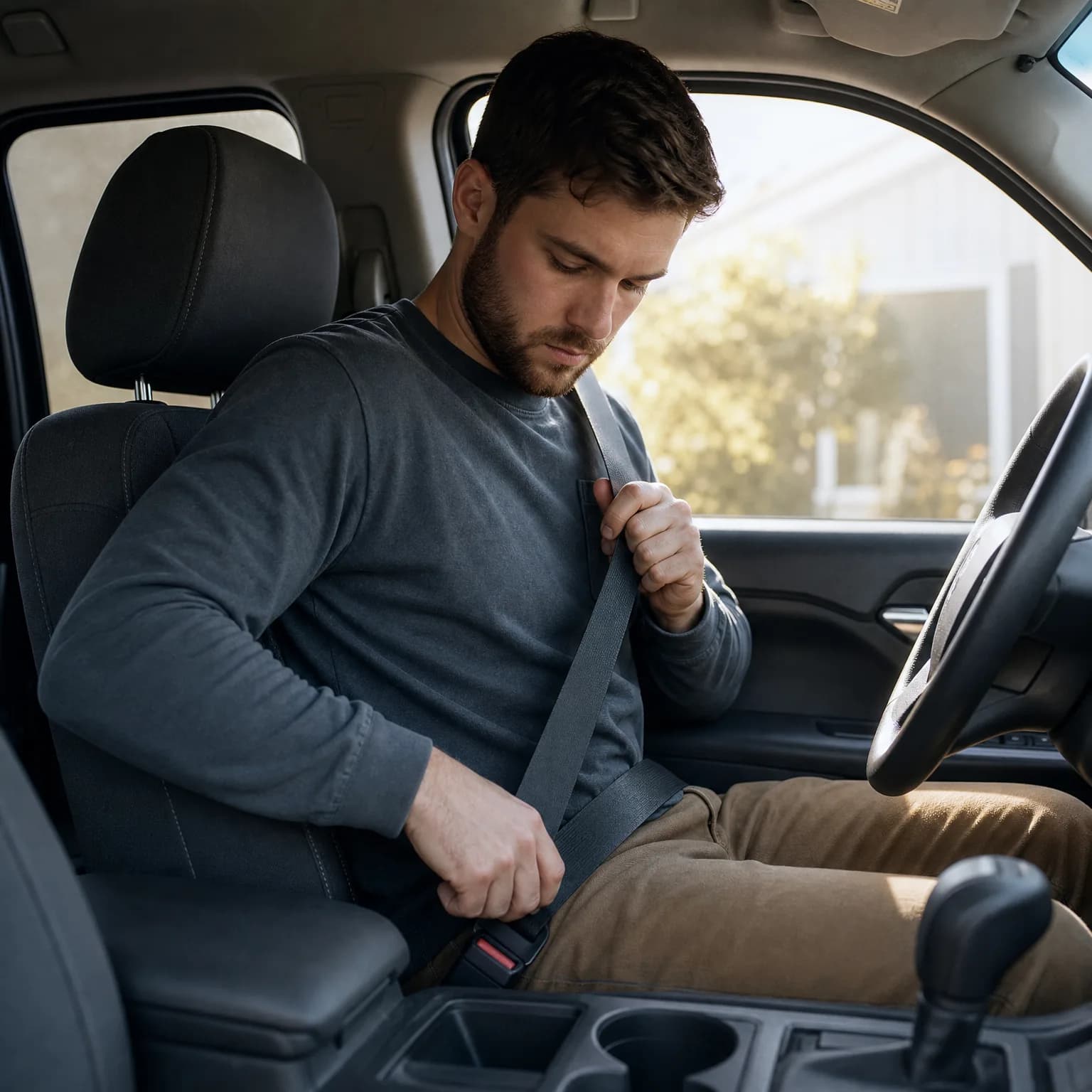
You qualify for non-owner SR-22 if you do not own a vehicle and do not have regular access to a household vehicle titled in someone else's name. Ohio BMV accepts non-owner filings for OVI suspensions, FRA suspensions, uninsured driver violations, and most administrative suspensions requiring proof of financial responsibility.
You cannot use non-owner SR-22 if you own a car, lease a vehicle, or have a vehicle titled in your name even if it's not drivable. You also cannot use it if you live with someone who owns a car and you're listed on their policy or registration. In those cases, the BMV requires owner SR-22 attached to the specific vehicle.
If your car was impounded after an OVI arrest, sold during your suspension, or totaled before reinstatement, non-owner SR-22 is typically the correct product. If you plan to buy a vehicle during the filing period, start with non-owner SR-22 and convert to owner SR-22 when you acquire the car. Carriers allow mid-term conversions, though premiums will increase to reflect the added vehicle.

Cover Your Filing Before You Own a Car Again
Get My Non-Owner SR-22 QuoteWhat Happens If You Get a Vehicle Mid-Filing Period
If you acquire a vehicle while holding a non-owner SR-22 policy, you must notify your carrier immediately and convert to an owner policy. Non-owner coverage does not extend to vehicles you own, even temporarily. Driving a vehicle you own while insured under a non-owner policy leaves you uninsured under Ohio law and can trigger a new suspension.
Most carriers process conversions within 24-48 hours and refile SR-22 with the Ohio BMV automatically. Your premium will increase to reflect the added vehicle, typically to the $85-$190/month range for liability-only coverage. If you add comprehensive or collision, expect premiums in the $120-$250/month range depending on the vehicle's value and your county.
You can also stack coverage: purchase a separate owner policy for the new vehicle and maintain the non-owner policy as excess liability. This strategy costs more but provides broader protection when driving both your own car and borrowed vehicles. Discuss options with your carrier before adding a vehicle to avoid coverage gaps.

Ohio BMV Filing Requirements and Reinstatement Process
Ohio BMV requires continuous SR-22 filing for 3 years for first OVI convictions, 5 years for repeat offenses, and 1-3 years for FRA violations depending on the cause. The filing period begins when the carrier submits Form SR-22 electronically, not when your suspension ends. If the policy lapses or cancels for non-payment, the carrier notifies the BMV and your suspension is reinstated immediately.
Reinstatement after an OVI suspension requires completion of a Driver Intervention Program (DIP), payment of the BMV reinstatement fee (typically $40-$75 depending on offense), proof of SR-22 filing, and ignition interlock installation if required by ORC 4510.022. Limited Driving Privileges (LDP) may be available after the hard suspension period, but LDP petitions go through the court, not the BMV.
Once you satisfy all reinstatement conditions and maintain SR-22 coverage for the full required period, the carrier files an SR-26 form with the BMV to terminate the filing requirement. Your license is fully reinstated at that point, and you can switch to a standard policy without SR-22. Some drivers maintain non-owner coverage even after reinstatement if they still don't own a vehicle.

Which Carriers Write Both Non-Owner and Owner SR-22 in Ohio
Progressive, Geico, The General, and Dairyland write both non-owner and owner SR-22 policies in Ohio and allow conversions mid-term. If you start with non-owner SR-22 and later acquire a vehicle, these carriers can switch you to an owner policy without starting a new filing period. This continuity protects your reinstatement timeline.
Bristol West, GAINSCO, and Direct Auto specialize in non-standard filings and often approve applications same-day. National General and Acceptance Insurance write owner SR-22 but have limited non-owner availability in Ohio. If you're comparing quotes, request both non-owner and owner estimates even if you don't currently own a car: seeing the cost difference clarifies whether delaying a vehicle purchase makes financial sense.
Some carriers require a BMV driving record abstract before quoting SR-22 policies. Others quote based on self-reported violation history. Processing speed varies: non-standard insurers typically file SR-22 within 24-72 hours, while preferred-tier carriers may take 5-7 business days. If your reinstatement deadline is approaching, prioritize carriers with electronic BMV filing.
Frequently Asked Questions
Can I use non-owner SR-22 to reinstate my Ohio license after an OVI?
Yes. Ohio BMV accepts non-owner SR-22 filings for OVI suspensions as long as you do not own a vehicle. The policy must meet Ohio's minimum liability limits and remain active for the full required filing period, typically 3 years for a first offense. Combine non-owner SR-22 with DIP completion, reinstatement fee payment, and ignition interlock installation where required.
What happens if my non-owner SR-22 policy lapses in Ohio?
The carrier notifies the Ohio BMV electronically within 24 hours of cancellation. The BMV reinstates your suspension immediately and the SR-22 filing period resets. You must purchase a new policy, pay a new reinstatement fee, and restart the required filing timeline from zero. Some carriers charge reinstatement fees to refile after a lapse.
Does non-owner SR-22 cover me if I borrow a friend's car in Ohio?
Yes. Non-owner SR-22 provides liability coverage when you drive a vehicle you do not own with the owner's permission. It covers bodily injury and property damage you cause, but does not cover damage to the borrowed vehicle itself. The vehicle owner's insurance is primary; your non-owner policy provides excess liability if their limits are exhausted.
How much does non-owner SR-22 cost in Ohio compared to owner SR-22?
Non-owner SR-22 typically costs $30-$60/month in Ohio. Owner SR-22 for liability-only coverage ranges from $85-$190/month depending on the vehicle, county, and violation history. Non-owner policies cost less because they do not cover a specific vehicle and exclude comprehensive and collision coverage. Estimates based on available industry data; individual rates vary.
Can I switch from non-owner SR-22 to owner SR-22 in Ohio if I buy a car?
Yes. Most carriers allow mid-term conversions from non-owner to owner SR-22 without interrupting your filing period. Notify your carrier immediately when you acquire a vehicle: they will add the car to your policy, adjust your premium, and refile SR-22 with the Ohio BMV. Your original filing start date remains unchanged, preserving your reinstatement progress.
Do all insurance companies in Ohio offer non-owner SR-22?
No. Progressive, Geico, The General, Dairyland, Bristol West, GAINSCO, and Direct Auto write non-owner SR-22 policies in Ohio. State Farm, Allstate, and some preferred-tier carriers do not offer non-owner products. Non-standard insurers specializing in high-risk filings are most likely to approve non-owner SR-22 applications and file electronically with the BMV within 24-72 hours.
Related Articles

Ohio Non-Owner SR-22: Filing Without a Vehicle
5/19/2026
Ohio Non-Owner SR-22 Cost: $35-$75/Mo Carless Filing
5/19/2026

Ohio Non-Owner SR-22 After OVI: Cost & Filing Period
5/19/2026
Non-Owner SR-22 Cost in Ohio
5/29/2026

Ohio Non-Owner SR-22 for License Suspension Filing
5/19/2026
Cheapest Non-Owner SR-22 in Ohio
5/29/2026