
Ohio Non-Owner SR-22 for License Suspension: Filing Without a Car
Get My Non-Owner SR-22 QuoteHow Non-Owner SR-22 Satisfies Ohio's Financial Responsibility Requirement
A non-owner SR-22 policy filed with the Ohio Bureau of Motor Vehicles carries the same legal weight as an owner SR-22 policy for reinstatement purposes. The BMV does not distinguish between the two filing types when clearing a Financial Responsibility Act suspension or preparing a record for court review.
Non-owner SR-22 provides liability coverage when you drive a vehicle you do not own — borrowed vehicles, rental vehicles, or vehicles you drive with the owner's permission. The policy includes bodily injury and property damage liability limits that meet or exceed Ohio's $25,000/$50,000/$25,000 statutory minimums. The carrier files Form SR-22 with the BMV electronically on your behalf, typically within 24 hours of policy binding.
Ohio Revised Code § 4509.45 requires proof of financial responsibility for certain violations but does not mandate vehicle ownership as a precondition for filing. This creates the legal foundation for non-owner SR-22: you can satisfy the filing requirement without owning or insuring a specific vehicle. The policy covers you as a driver, not a vehicle as property.
What Non-Owner SR-22 Does Not Cover in Ohio
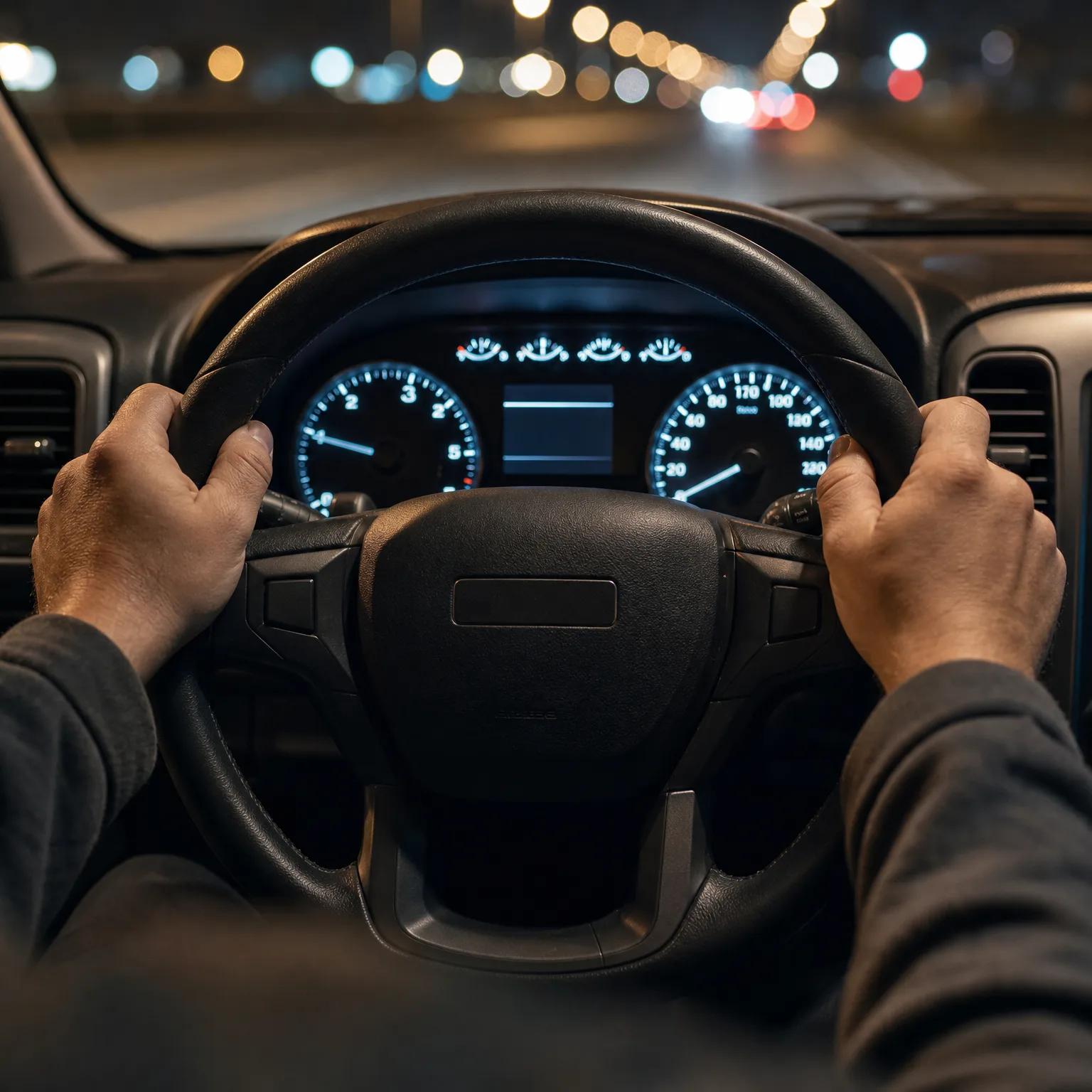
Non-owner SR-22 does not provide collision, comprehensive, or any first-party physical damage coverage. If you borrow a vehicle and cause an accident, your non-owner policy pays for the other driver's injuries and property damage up to your liability limits — but not for damage to the vehicle you were driving. The vehicle owner's insurance typically provides that coverage if they carry collision or comprehensive.
If you acquire a vehicle during your SR-22 filing period — through purchase, gift, or lease — your non-owner policy does not cover that vehicle. You must immediately switch to an owner SR-22 policy listing that vehicle or the borrowed-vehicle exclusion will void your coverage. Most non-owner policies include explicit household vehicle exclusions: any vehicle titled to you, registered to you, or regularly available for your use is not covered under a non-owner policy.
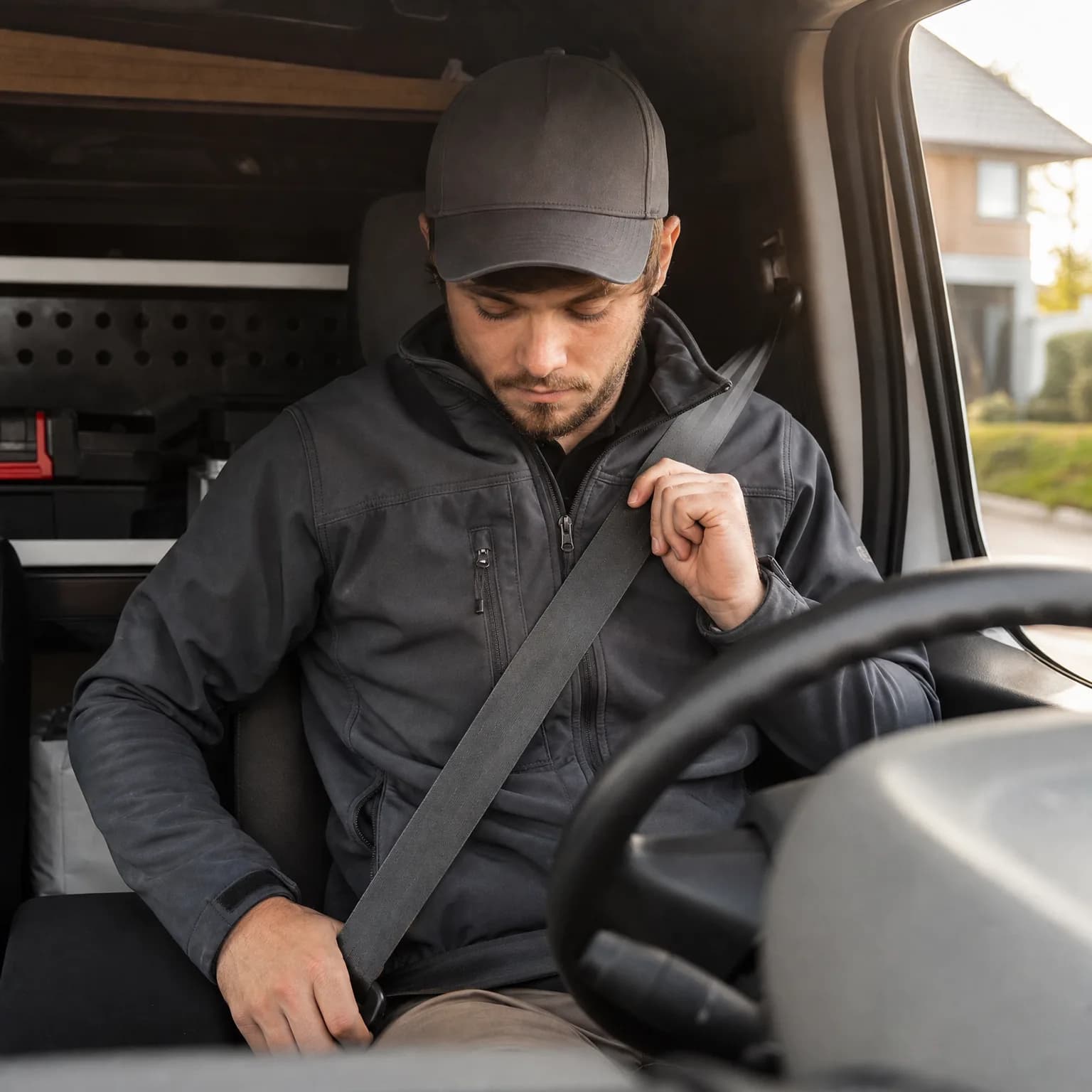
Ohio insurers typically require 10 to 30 days' notice before canceling or switching a non-owner SR-22 policy. If you acquire a vehicle and cancel your non-owner policy without replacing it with an owner SR-22 policy first, the carrier files an SR-26 termination notice with the BMV. That triggers an immediate suspension of your driving privileges. The transition must be seamless: bind the owner policy, file the new SR-22, then cancel the non-owner policy.

Timing the Non-Owner SR-22 Filing Against Ohio's LDP Petition Process
Ohio's Limited Driving Privileges system requires SR-22 filing to appear on your BMV record before the court will consider your petition. Courts do not issue LDP conditional on future insurance compliance — they require proof that the SR-22 is already on file and active.
For OVI-related suspensions, you petition the sentencing court. For administrative suspensions — insurance lapse, failure to show proof of insurance, accumulation of points — you petition the court of common pleas in your county of residence. Both courts pull your BMV record before the hearing. If the SR-22 filing does not appear on that record at the time of petition review, most courts deny the petition outright or continue the hearing until proof is submitted.
This creates a sequencing requirement: bind the non-owner SR-22 policy first, confirm the carrier has filed with the BMV (request a filing confirmation from the carrier or check your BMV driving record online via OPLATES), then file your LDP petition. The SR-22 filing typically posts to the BMV record within 48 hours of carrier submission. Petitioning before the filing posts risks procedural denial and forces you to wait weeks or months for a rescheduled hearing. Ohio courts exercise broad discretion over LDP grants, and procedural errors — missing documentation, premature filing, unsigned forms — commonly result in denial without substantive review.
Non-Owner SR-22 Premium Costs and Carrier Availability in Ohio
Non-owner SR-22 policies in Ohio typically cost $35 to $75 per month for drivers with a single OVI offense and clean credit. Drivers with multiple violations, recent at-fault accidents, or poor credit history may see premiums in the $80 to $140 per month range. These rates are 40% to 60% lower than owner SR-22 premiums for the same driver profile because the carrier assumes no collision or comprehensive risk.
Carriers writing non-owner SR-22 policies in Ohio include Progressive, GEICO, The General, Dairyland, Bristol West, and GAINSCO. Not all carriers offer non-owner policies in all Ohio counties — rural counties and markets outside major metro areas sometimes have limited availability. Progressive and GEICO write non-owner SR-22 statewide. The General and Dairyland focus on high-risk drivers and offer non-owner policies specifically for post-suspension reinstatement. Bristol West and GAINSCO serve the non-standard market and typically quote higher premiums than standard carriers.
Ohio requires a one-time SR-22 filing fee of $50 paid to the carrier, separate from the premium. This fee covers the cost of filing Form SR-22 with the BMV. Some carriers bundle the filing fee into the first month's premium; others charge it separately at policy binding. OVI offenders face a 3-year filing period measured from the conviction date. Insurance lapse suspensions and uninsured motorist violations typically carry a 2-year filing period. The total cost over a 3-year filing period for a typical non-owner SR-22 policy runs $1,300 to $2,700 depending on your violation history and carrier tier.

Cover Your Filing Before You Own a Car Again
Get My Non-Owner SR-22 Quote
Ignition Interlock Device Requirement and Non-Owner SR-22 Overlap
Ohio law requires ignition interlock devices for all OVI-related Limited Driving Privileges grants. ORC § 4510.022 mandates IID installation as a condition of LDP approval — the court cannot waive this requirement for first-offense OVI cases and has limited discretion for repeat offenders.
The IID requirement applies whether you drive a vehicle you own or a borrowed vehicle. If you have been granted LDP and drive a vehicle you do not own, the IID must be installed in that vehicle before you operate it under your LDP authorization. This creates a practical complication: borrowing a vehicle for LDP purposes requires the vehicle owner's consent to install an IID, and most owners refuse because installation requires drilling into the dashboard and voiding certain vehicle warranties.
Non-owner SR-22 does not exempt you from the IID requirement. The SR-22 filing satisfies the financial responsibility condition for LDP. The IID satisfies the monitoring and compliance condition. Both are independent requirements. Most Ohio drivers granted LDP either lease a vehicle short-term with an IID pre-installed or negotiate with a family member to permit IID installation in a household vehicle. Approved IID vendors in Ohio include LifeSafer, Intoxalock, and Smart Start. Installation costs run $70 to $150, with monthly monitoring fees of $60 to $90. The total IID cost over a typical 6-month LDP period is $430 to $690, separate from SR-22 premium costs.
What Happens If You Acquire a Vehicle Mid-Filing in Ohio
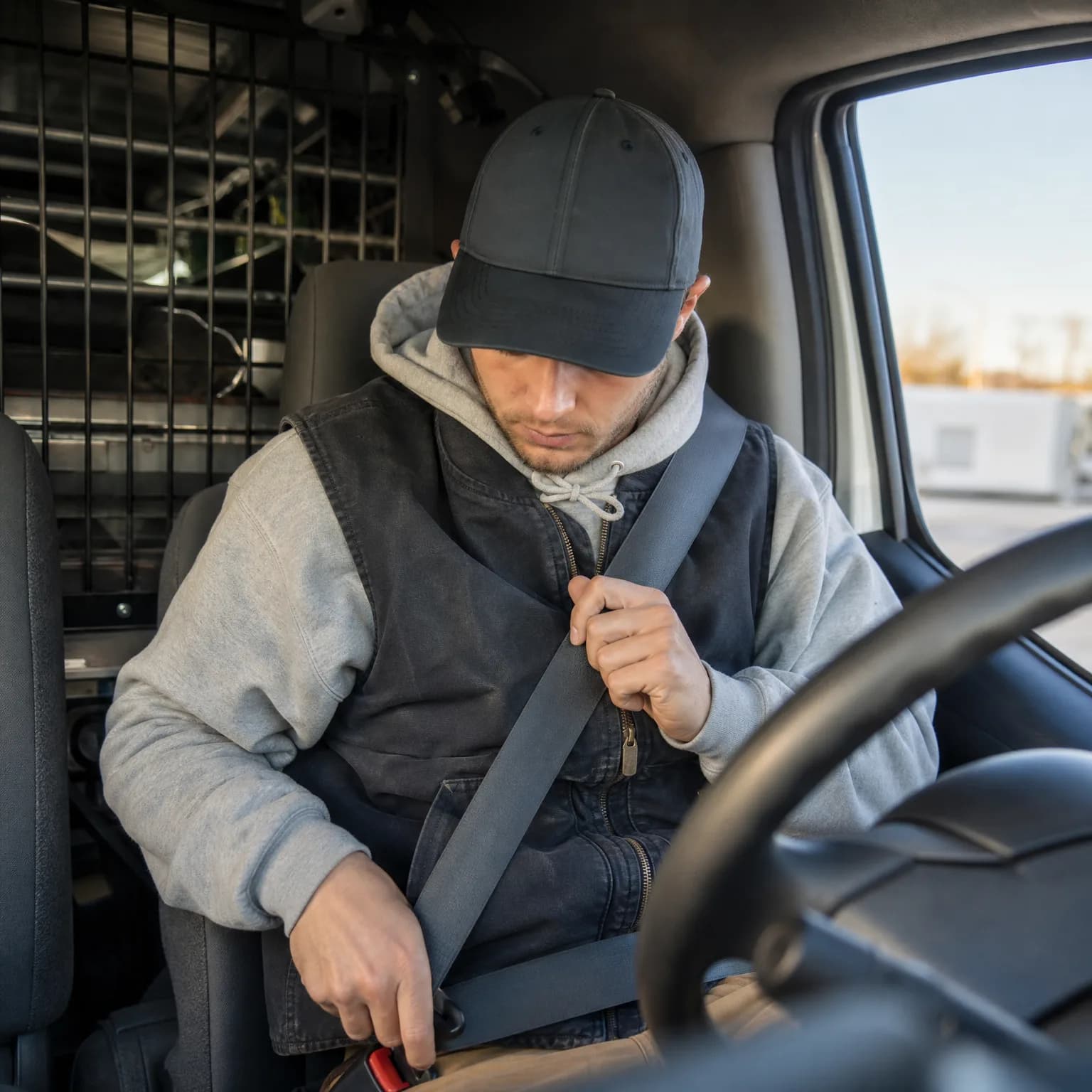
If you purchase, lease, or receive a vehicle as a gift during your SR-22 filing period, your non-owner policy immediately stops covering you. Non-owner policies exclude vehicles titled to the named insured or regularly available for the insured's use. Driving that newly acquired vehicle under a non-owner SR-22 policy creates an uninsured motorist violation — the same violation that likely triggered your original suspension.
You must convert to an owner SR-22 policy within 10 days of acquiring the vehicle. Contact your current carrier first: most non-standard carriers writing non-owner SR-22 also write owner SR-22 and can convert your policy without interrupting the filing. If your carrier does not write owner policies in Ohio or quotes prohibitively high rates for the new vehicle, shop for a replacement policy before canceling the non-owner policy.
The filing transition must be seamless. Bind the new owner SR-22 policy, confirm the carrier has filed SR-22 with the BMV for the new policy, then request cancellation of the non-owner policy effective the same day the new policy starts. If there is any gap — even one day — between the non-owner policy end date and the owner policy start date, the first carrier files an SR-26 termination notice with the BMV. The BMV suspends your license automatically upon receiving the SR-26. Reinstatement after an SR-26 lapse requires paying the $40 reinstatement fee, filing a new SR-22, and restarting the filing period clock in some cases. Ohio does not provide grace periods for filing lapses tied to vehicle acquisition.
Court-Defined Route and Time Restrictions Under Ohio LDP
Ohio courts define the permitted purposes, routes, and hours for Limited Driving Privileges in the court order granting LDP. There is no statewide standard template — each court exercises discretion based on the driver's petition, the severity of the underlying offense, and the judge's assessment of risk.
Common permitted purposes include employment, school attendance, medical appointments, court-ordered treatment programs (DUI education, substance abuse counseling), and religious services. Some courts grant LDP for grocery shopping or essential errands; others restrict LDP strictly to work and treatment. The court order specifies exact addresses for permitted destinations — your employer's address, your treatment facility's address, your physician's office address. Driving to a location not listed in the court order is a violation of LDP terms and triggers immediate revocation.
Time restrictions vary by court and case. Most courts limit LDP to specific hours — for example, 6:00 AM to 8:00 PM Monday through Friday, or only during documented work shifts. Some courts grant 24-hour LDP for drivers working night shifts or on-call jobs, but this requires employer documentation submitted with the petition. Violating the time restriction — driving at 9:00 PM when your LDP expires at 8:00 PM — is treated as driving under suspension. Ohio law enforcement officers have access to BMV records showing LDP status and restrictions during traffic stops. A violation discovered during a stop results in immediate arrest, vehicle impoundment, and OVI charges if alcohol is involved.
Frequently Asked Questions
Can I get Limited Driving Privileges in Ohio without owning a car?
Yes. Ohio courts grant Limited Driving Privileges based on SR-22 filing status, not vehicle ownership. A non-owner SR-22 policy satisfies the financial responsibility requirement for LDP petitions. You must have the SR-22 on file with the BMV before petitioning the court — courts will not grant LDP conditional on future insurance compliance.
Does non-owner SR-22 cover me when I borrow someone else's car in Ohio?
Yes. Non-owner SR-22 provides liability coverage when you drive a vehicle you do not own with the owner's permission. It pays for the other driver's injuries and property damage if you cause an accident, up to your policy limits. It does not cover damage to the vehicle you were driving — the owner's insurance typically covers that if they carry collision or comprehensive.
What happens if I buy a car during my SR-22 filing period in Ohio?
Your non-owner SR-22 policy immediately stops covering you. Non-owner policies exclude vehicles titled to you or regularly available for your use. You must convert to an owner SR-22 policy within 10 days, bind the new policy, confirm the carrier has filed SR-22 with the BMV, then cancel the non-owner policy. Any gap between policies triggers an SR-26 termination notice and automatic license suspension.
How long does Ohio require SR-22 filing after an OVI conviction?
Do I need an ignition interlock device if I only have a non-owner SR-22 policy?
Yes, if your Limited Driving Privileges were granted for an OVI-related suspension. Ohio law requires ignition interlock installation as a condition of LDP approval under ORC § 4510.022. The IID must be installed in any vehicle you drive under LDP authority, whether you own it or borrow it. The SR-22 filing and IID requirement are independent conditions — both must be satisfied.
Can I switch from non-owner SR-22 to owner SR-22 without restarting my filing period?
Yes, if the transition is seamless. Bind the owner SR-22 policy, confirm the new carrier has filed SR-22 with the BMV, then cancel the non-owner policy effective the same day. If there is any gap between the two policies, the first carrier files an SR-26 termination notice with the BMV and your license is automatically suspended. Ohio does not offer grace periods for filing lapses during policy transitions.
Which carriers write non-owner SR-22 policies in Ohio?
Progressive, GEICO, The General, Dairyland, Bristol West, and GAINSCO write non-owner SR-22 policies statewide in Ohio. Progressive and GEICO offer the broadest availability across all counties. The General and Dairyland focus on high-risk drivers and post-suspension reinstatement cases. Availability varies by county — rural markets outside major metro areas sometimes have limited carrier options.
Related Articles

Ohio Non-Owner SR-22: Filing Without a Vehicle
5/19/2026
Ohio Non-Owner SR-22 for Uninsured Suspension Setup
5/19/2026

Ohio Non-Owner SR-22 vs Owner: Cost & Coverage Differences
5/19/2026
Non-Owner SR-22 Ohio: LDP Filing Without a Vehicle
5/19/2026
Ohio Non-Owner SR-22 After OVI: Cost & Filing Period
5/19/2026
Ohio Non-Owner to Owner SR-22 Conversion After Buying Car
5/19/2026