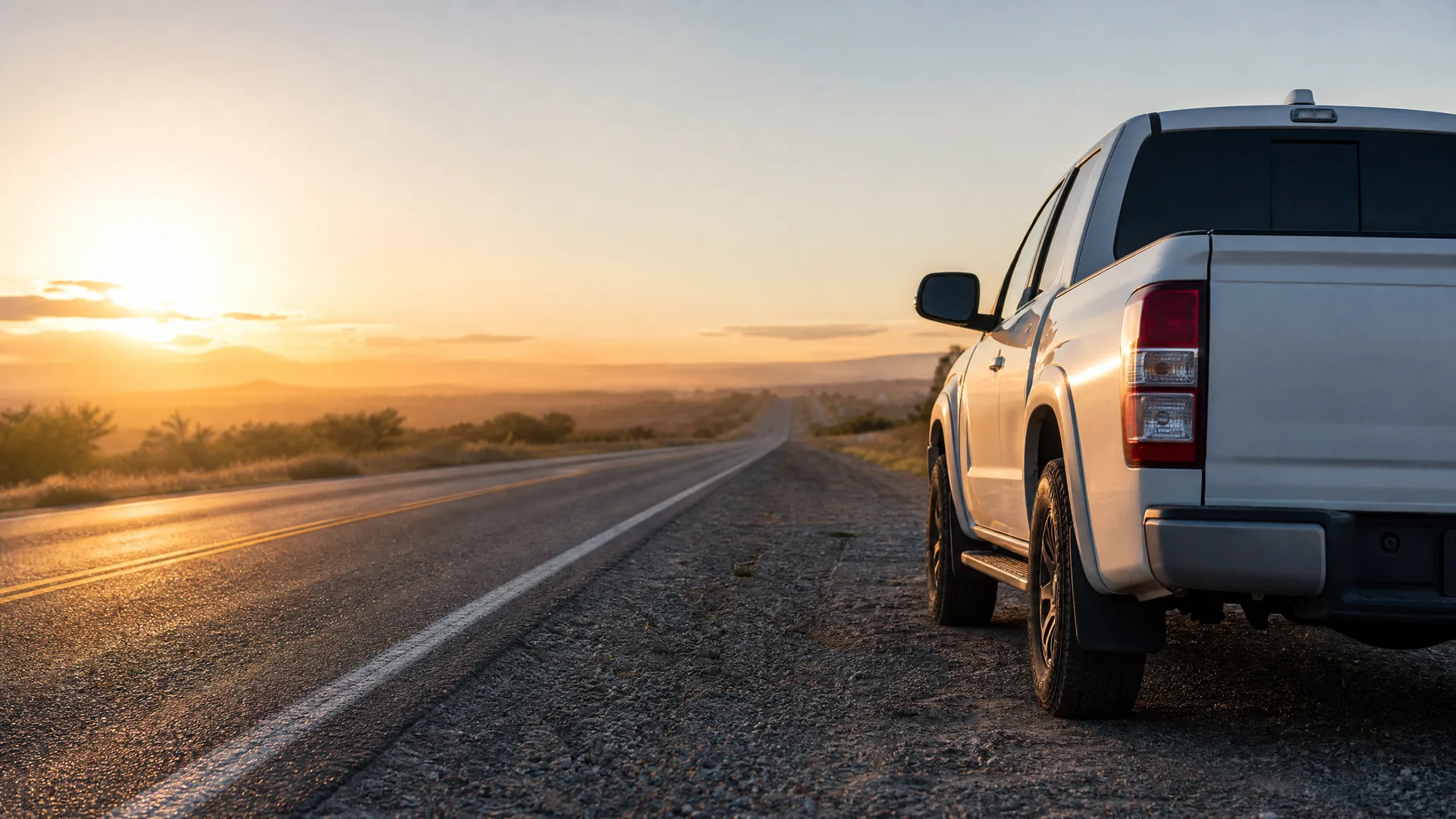
Converting Non-Owner SR-22 to Owner Policy After Buying a Car
Get My Non-Owner SR-22 QuoteWhy Your Non-Owner SR-22 Stops Working the Day You Acquire a Vehicle
A non-owner SR-22 policy provides liability coverage only when you drive someone else's vehicle with permission. It explicitly excludes coverage for any vehicle you own, lease, or have regular access to. The day you take title to a car—whether through purchase, gift, inheritance, or lease—your non-owner policy no longer covers that vehicle.
North Dakota carriers file SR-22 certificates electronically with the NDDOT Driver License Division. When you cancel a non-owner policy without immediately replacing it with an owner policy, the carrier sends a cancellation notice to the state within 48 hours. If the NDDOT receives a cancellation notice and no replacement SR-22 filing within 30 days, your license suspension reinstates automatically and your 3-year filing period restarts from the new suspension date.
The gap between canceling your non-owner policy and activating an owner policy is where most conversions fail. You cannot legally drive your new vehicle on a non-owner policy, but canceling that policy without a replacement triggers state action. The conversion must happen on the same day to avoid both coverage gaps and compliance gaps.
What an Owner SR-22 Policy Covers That Non-Owner Policies Do Not
An owner SR-22 policy ties coverage to a specific vehicle listed on the policy declarations page. It provides liability coverage when you drive that vehicle, collision coverage if you purchase it, and comprehensive coverage for theft and non-collision damage. The SR-22 filing remains active as long as the policy stays in force and the carrier continues reporting to the NDDOT.
North Dakota requires minimum liability limits of $25,000 per person / $50,000 per accident for bodily injury and $25,000 for property damage. The state also mandates personal injury protection (PIP) coverage as part of its no-fault insurance framework and uninsured motorist coverage. Your new owner policy must meet or exceed these minimums to satisfy both SR-22 filing requirements and North Dakota statutory insurance requirements.
Owner policies cost more than non-owner policies because they cover a specific vehicle's collision and theft risk. Typical non-owner SR-22 premiums in North Dakota run $40–$70 per month for clean-record drivers with a single filing requirement. Owner SR-22 premiums for the same driver range from $110–$190 per month depending on the vehicle's age, value, and your driving history. The premium jump reflects the added vehicle-specific coverage, not a penalty for converting mid-filing.


How to Convert Without Breaking Your SR-22 Filing Continuity
Call your current non-owner SR-22 carrier the day you acquire the vehicle. Most carriers writing non-owner SR-22 in North Dakota—including Progressive, Geico, The General, and Bristol West—also write owner SR-22 policies. Ask whether they can convert your existing policy to an owner policy effective the same day. If they can, provide the vehicle identification number (VIN), purchase date, and odometer reading. The carrier will quote the new premium, cancel the non-owner policy, and file a new SR-22 certificate for the owner policy simultaneously.
If your current carrier cannot write owner coverage for your vehicle (common with older vehicles, salvage titles, or high-value cars outside their underwriting guidelines), you must secure a new owner SR-22 policy before canceling the non-owner policy. Get the new policy effective date in writing, then call your non-owner carrier to cancel effective the same day. North Dakota's electronic verification system will receive both the cancellation notice and the new SR-22 filing on the same day, preserving continuity.
Do not drive the newly acquired vehicle until the owner policy is active. Non-owner SR-22 policies explicitly exclude owned vehicles from coverage. Driving your car on a non-owner policy leaves you personally liable for all damages in an at-fault accident and creates an uninsured-driving exposure that can trigger a new suspension and additional SR-22 filing requirements under NDCC Chapter 39-16.
Cover Your Filing Before You Own a Car Again
Get My Non-Owner SR-22 QuoteWhat Happens If You Cancel the Non-Owner Policy Without a Replacement
North Dakota requires continuous SR-22 filing for 3 years following DUI convictions, measured from the conviction date or the date the SR-22 requirement begins, depending on the underlying violation. If the NDDOT receives a cancellation notice from your carrier and no replacement SR-22 filing appears within 30 days, the agency treats it as a lapse in financial responsibility and reinstates your license suspension.
Reinstatement after a filing lapse requires paying a new $50 reinstatement fee per suspension action, securing a new SR-22 filing, and in some cases proving that the lapse was unintentional. More critically, the 3-year filing clock restarts from the new suspension date. A driver 18 months into their original 3-year requirement who allows a 35-day gap faces a new 3-year requirement—extending total filing time from 3 years to 4.5 years.
North Dakota's electronic insurance verification system reports cancellations and new filings in near real-time. Carriers are required under NDCC 39-16.1 to notify the NDDOT within 10 business days of policy cancellation, but most report within 48 hours. The 30-day grace period is a procedural buffer, not a safe harbor for driving uninsured. Driving without active SR-22 coverage during that window is uninsured driving and creates liability exposure in addition to the filing lapse.
How Converting Affects Your Premium and Filing Period
Converting from non-owner to owner SR-22 mid-filing does not restart your 3-year filing period as long as coverage remains continuous. The NDDOT tracks the filing requirement by the underlying conviction date or suspension trigger, not by the date you switch carriers or policy types. A driver required to file SR-22 for 3 years beginning January 1, 2023 satisfies that requirement on December 31, 2025 regardless of how many times they switched carriers or converted from non-owner to owner during that period.
Premiums increase when you convert because owner policies cover vehicle-specific risks. A 35-year-old North Dakota driver with a single DUI-related SR-22 filing might pay $55 per month for non-owner SR-22 and $140 per month for owner SR-22 covering a 2015 sedan with liability, comprehensive, and collision. The $85 monthly increase reflects the added vehicle coverage, not a penalty for converting. If you drop comprehensive and collision and carry liability-only owner coverage, the premium falls closer to $90–$110 per month.
Some drivers maintain both the non-owner policy and a new owner policy temporarily to guarantee overlap during the conversion. This approach works but costs more. North Dakota does not require you to file two SR-22 certificates simultaneously—one active filing satisfies the state requirement. Dual coverage makes sense only if you need liability protection while driving borrowed vehicles in addition to your owned vehicle, a scenario common among drivers who share family cars or drive for rideshare platforms.

Which Carriers Write Owner SR-22 in North Dakota After Non-Owner Conversion
Progressive, Geico, The General, Bristol West, and National General all write both non-owner SR-22 and owner SR-22 policies in North Dakota. If you started with one of these carriers for non-owner coverage, ask them to convert your policy rather than shopping for a new carrier. Same-carrier conversions preserve your payment history and reduce underwriting friction.
If your current carrier cannot write owner coverage for your vehicle—common when the vehicle has a salvage title, is older than 15 years, or exceeds the carrier's value threshold—you will need to shop for a new carrier. Bristol West and The General specialize in non-standard auto insurance and typically accept older vehicles and salvage titles that preferred-tier carriers decline. State Farm and Farmers write owner SR-22 in North Dakota but do not offer non-owner SR-22, so they are not conversion-friendly for drivers who started with non-owner policies.
When comparing quotes, verify that the new carrier will file Form SR-22 electronically with the NDDOT on the policy effective date. Ask for written confirmation of the SR-22 filing before canceling your non-owner policy. Most carriers file electronically within 24 hours of policy activation, but paper filings can take 7–10 business days and create unintentional gaps.
Frequently Asked Questions
Can I keep my non-owner SR-22 policy after buying a car and just add the vehicle to it?
No. Non-owner SR-22 policies explicitly exclude coverage for any vehicle you own, lease, or have regular access to. You must convert to an owner SR-22 policy that lists your vehicle on the declarations page. Most carriers that write non-owner SR-22 also write owner SR-22 and can convert your policy on the same day.
How long do I have to convert my non-owner SR-22 to an owner policy after buying a car?
You should convert on the same day you acquire the vehicle. North Dakota's electronic insurance verification system reports policy cancellations to the NDDOT within 48 hours. If the state receives a cancellation notice without a replacement SR-22 filing within 30 days, your license suspension reinstates and your 3-year filing period restarts.
Does converting from non-owner to owner SR-22 restart my 3-year filing requirement?
No, as long as coverage remains continuous. The NDDOT tracks your filing requirement from the conviction date or suspension trigger, not from the date you switch policy types. A 35-day gap, however, restarts the 3-year clock and adds a new $50 reinstatement fee.
Will my premium increase when I convert from non-owner to owner SR-22?
Yes. Owner SR-22 policies cost more because they cover vehicle-specific risks like collision and theft. Typical non-owner SR-22 premiums in North Dakota run $40–$70 per month; owner SR-22 premiums for the same driver range from $110–$190 per month depending on the vehicle and coverage selections.
Can I drive my new car while waiting for the owner SR-22 policy to activate?
No. Your non-owner SR-22 policy excludes any vehicle you own. Driving your car on a non-owner policy leaves you personally liable for all damages in an at-fault accident and exposes you to uninsured-driving charges that can trigger a new suspension.
What if my current non-owner SR-22 carrier won't write an owner policy for my vehicle?
Shop for a new carrier that will, then activate the new owner SR-22 policy before canceling your non-owner policy. Bristol West and The General specialize in non-standard vehicles and typically accept older cars and salvage titles. Get written confirmation of the new SR-22 filing before canceling the old policy.
Related Articles
SD Non-Owner SR-22 to Owner Conversion After Buying a Car
5/19/2026

Non-Owner to Owner SR-22 Conversion After Buying a Car
5/19/2026
Non-Owner to Owner SR-22 Conversion in New Mexico
5/19/2026
Bought a Car with Non-Owner SR-22? Convert Now
5/19/2026
NC Non-Owner to Owner SR-22 Conversion Guide
5/19/2026
Nevada Non-Owner to Owner SR-22 Conversion Guide
5/19/2026