Non-Owner SR-22 vs Owner SR-22 in North Carolina: Cost Gap
Get My Non-Owner SR-22 QuoteWhat Non-Owner SR-22 Actually Covers in North Carolina
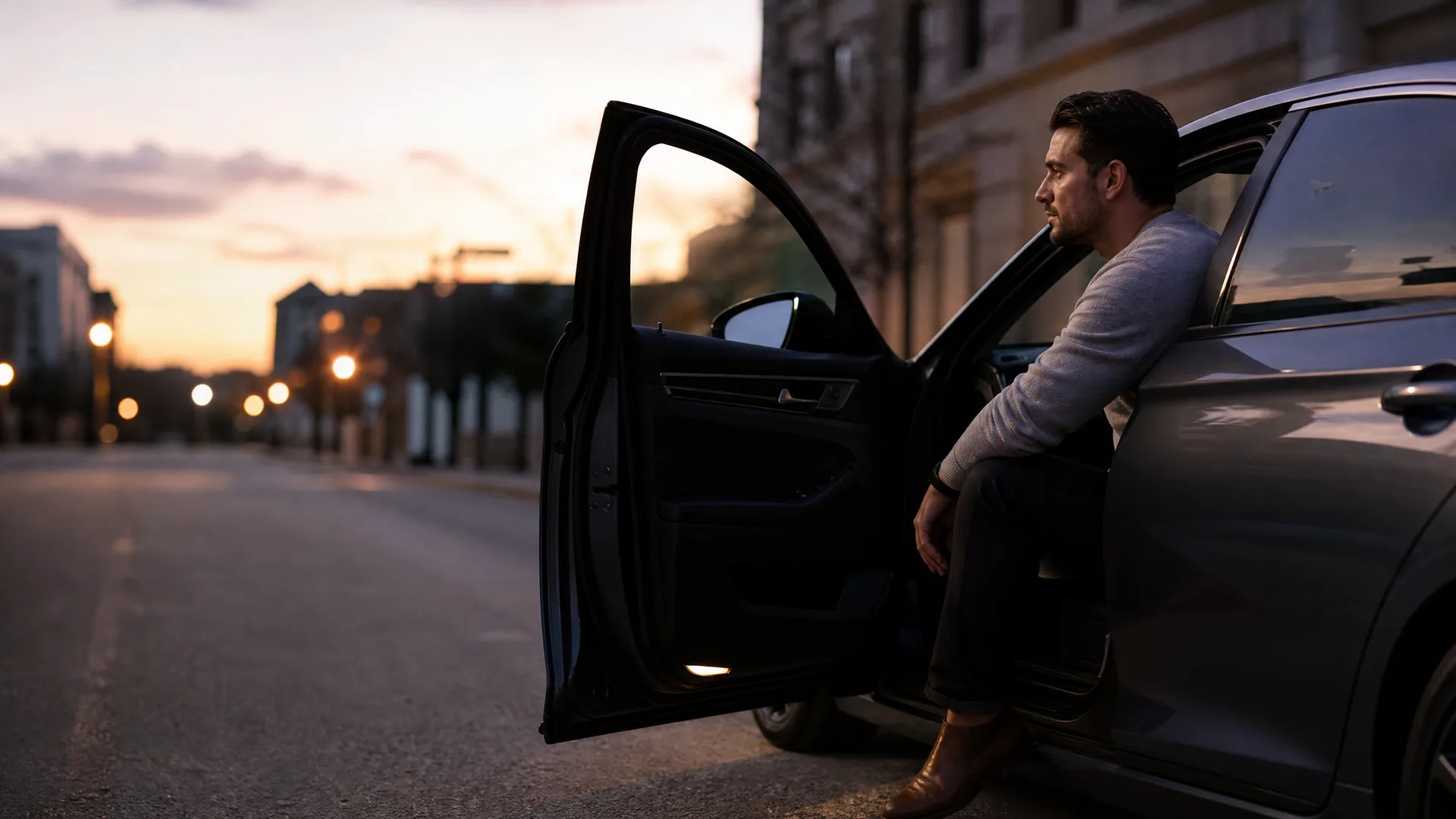
Non-owner SR-22 provides liability coverage when you drive someone else's vehicle with permission. It does not cover any vehicle registered in your name. The NCDMV accepts non-owner SR-22 filing as proof of financial responsibility for license reinstatement after suspension.
The policy includes North Carolina's minimum liability limits: $50,000 bodily injury per person, $100,000 per accident, and $50,000 property damage. Your carrier files Form SR-22 electronically with NCDMV on your behalf. The filing confirms continuous coverage, not vehicle ownership.
If you borrow your friend's car to drive to work, the non-owner policy covers you as the driver. If you buy or are gifted a vehicle during your filing period, the non-owner policy does not extend to that vehicle. You must convert to owner SR-22 or stack coverage immediately—driving your own vehicle under a non-owner policy leaves you uninsured and violates your reinstatement conditions.
Why Non-Owner SR-22 Costs 40-60% Less Than Owner Coverage
Non-owner SR-22 premiums in North Carolina typically range from $40 to $80 per month, compared to $120 to $200+ per month for owner SR-22. The gap exists because non-owner policies exclude comprehensive and collision coverage entirely. No vehicle on the policy means no physical damage risk for the carrier to price.
The policy also limits exposure to occasional-use driving rather than daily commuting in a specific high-value asset. Carriers underwrite non-owner SR-22 as lower-risk because the named insured has no vehicle to insure for theft, weather damage, or collision claims.
Your violation history still affects the premium. A DWI-based filing will cost more than a lapse-based filing, but the gap between non-owner and owner pricing holds across all violation types. Dairyland, The General, and Progressive all write non-owner SR-22 in North Carolina and quote online.

Who Qualifies for Non-Owner SR-22 in North Carolina
You qualify if you hold a valid or suspended North Carolina license and do not own a registered vehicle. NCDMV does not require you to prove you sold a vehicle or never owned one. The filing itself is the proof of financial responsibility.
Drivers who lost their vehicle to impound after a DWI arrest qualify. Drivers who sold their car during suspension to reduce costs qualify. Urban drivers who never owned a vehicle and relied on family cars or transit qualify. The product was designed for this exact scenario.
You do not qualify if any vehicle is registered in your name, even if you no longer drive it. NCDMV's electronic insurance verification system cross-references vehicle registration with SR-22 filings. A mismatch triggers a compliance flag. If you co-own a vehicle with a spouse or family member, you need owner SR-22 on that vehicle, not non-owner coverage.

Cover Your Filing Before You Own a Car Again
Get My Non-Owner SR-22 QuoteWhat Happens If You Buy a Vehicle During the Filing Period
The moment you register a vehicle in your name, your non-owner SR-22 stops covering you for that vehicle. You must add the vehicle to a new owner policy or convert your non-owner policy to owner coverage within the same day. Most carriers allow same-day conversion by phone.
If you drive the newly acquired vehicle before converting coverage, you are operating uninsured. North Carolina's electronic reporting system will flag the lapse between your vehicle registration date and the date your carrier files updated SR-22 for the owned vehicle. NCDMV treats this as a coverage gap and may suspend your license again.
North Carolina requires continuous SR-22 filing for the full suspension period—typically 3 years for DWI-based suspensions. A single-day lapse resets the clock in some cases. Call your carrier the same day you register a vehicle, before you drive it off the lot.
FR-44 Does Not Apply in North Carolina
North Carolina uses SR-22 filing exclusively. Florida and Virginia require FR-44 for DUI-based suspensions, which doubles liability minimums and costs significantly more. North Carolina drivers do not face this requirement.
If you move to Florida or Virginia during your North Carolina filing period, you must convert to FR-44 if your original suspension was DWI-related. The new state's DMV will not accept North Carolina SR-22 as equivalent. Non-owner FR-44 exists but costs roughly double non-owner SR-22 due to the higher liability limits.
North Carolina SR-22 filing costs include a $50 carrier filing fee at policy inception and again at renewal. This fee is separate from the monthly premium. Most carriers bill it upfront as a one-time charge per policy term.
How to Get Non-Owner SR-22 Filed With NCDMV
Contact a carrier that writes non-owner SR-22 in North Carolina. Dairyland, The General, Progressive, National General, and Geico all write this product. Most provide online quotes and same-day electronic filing with NCDMV.
You provide your North Carolina driver's license number, the violation that triggered the suspension, and payment for the first policy term. The carrier files SR-22 electronically with NCDMV the same day or within 24 hours. NCDMV updates your record once the filing appears in their system, typically within 2-3 business days.
If you are applying for a Limited Driving Privilege through the court, bring proof of SR-22 filing to your hearing. The court requires proof of continuous coverage as a condition for granting the privilege. Non-owner SR-22 satisfies this requirement as long as you do not own a vehicle.
Frequently Asked Questions
Can I use non-owner SR-22 if my spouse owns a vehicle in North Carolina?
Yes, as long as the vehicle is registered solely in your spouse's name and you are not listed as a co-owner. You must not have regular access to the vehicle as a primary driver. If you drive the vehicle regularly, NCDMV may require you to be listed on an owner policy for that vehicle instead.
Does non-owner SR-22 cover me when I rent a car in North Carolina?
Yes. Non-owner SR-22 provides liability coverage when you drive a rental vehicle. The rental company's collision damage waiver covers physical damage to the rental car itself. Your non-owner policy covers liability to other drivers if you cause an accident.
How long does it take NCDMV to process SR-22 filing after my carrier submits it?
NCDMV typically updates your record within 2-3 business days after electronic filing. You can verify filing status online through the myNCDMV portal or by calling NCDMV directly. Do not assume filing is complete until NCDMV confirms it in their system.
What happens if I let my non-owner SR-22 policy lapse in North Carolina?
Your carrier notifies NCDMV electronically within 24 hours of cancellation. NCDMV suspends your license immediately and may reset your filing period. Reinstatement requires a new SR-22 filing, payment of a $50 reinstatement fee, and in some cases proof that you have maintained continuous coverage for the required period starting over.
Can I switch carriers during my North Carolina SR-22 filing period?
Yes. Your new carrier files SR-22 with NCDMV on the effective date of the new policy. Cancel your old policy only after the new SR-22 is filed to avoid a coverage gap. NCDMV tracks continuous filing, not carrier identity.
Related Articles
NC Non-Owner SR-22 vs Owner: When Non-Owner Fits
5/19/2026

NC Non-Owner SR-22: Filing Without a Vehicle Guide
5/19/2026
NC Non-Owner SR-22 Premium Range: What Carless Filers Pay
5/19/2026

Cheapest Non-Owner SR-22 North Carolina
5/29/2026
NC Non-Owner SR-22 for License Suspension Guide
5/19/2026
Non-Owner SR-22 NC After Multiple-Violation Suspension
5/19/2026