Converting Non-Owner SR-22 to Owner SR-22 in North Carolina
Get My Non-Owner SR-22 QuoteWhy North Carolina's eDMV System Makes Conversion Timing Critical
North Carolina runs one of the most aggressive electronic insurance verification systems in the country. When your non-owner SR-22 carrier files a cancellation notice with NCDMV, the eDMV system logs it in real time. If you don't have an active owner SR-22 policy filed against your newly purchased vehicle before that cancellation processes, the DMV interprets the gap as a lapse in required financial responsibility—even if the gap is only 24 hours.
The reinstatement penalty for a lapse during an active SR-22 filing period is steep: $50 civil penalty for a first offense, $150 for subsequent lapses within three years, plus a $50 plate fee and a new $65 restoration fee. NCGS § 20-311 treats lapses during an SR-22 period more harshly than lapses for drivers without filing requirements.
Most drivers assume they can cancel the non-owner policy once they buy a car, then shop for owner coverage at their leisure. That assumption creates a gap that NCDMV's system catches immediately. The conversion must be simultaneous or overlapping—never sequential.
The Overlapping Coverage Window Method
The safest conversion path is to activate your new owner SR-22 policy before canceling your existing non-owner SR-22 policy. This creates a brief period—typically 24 to 72 hours—where you're paying for both policies simultaneously. Yes, it's redundant. Yes, it costs an extra few days of premium. But it eliminates all lapse risk.
Here's the sequence: secure financing and confirm the purchase date for your vehicle. Contact your carrier or a broker three to five business days before that purchase date and request a quote for owner SR-22 coverage on the specific vehicle you're buying (you'll need the VIN, make, model, and year). Bind the owner policy to activate on the day you take possession of the vehicle or the day before. Once the new carrier confirms they've filed the owner SR-22 with NCDMV—most file within 24 hours but confirm this explicitly—contact your non-owner carrier and request cancellation effective the day after your owner policy activated.
You're paying for overlap, but you're buying certainty. The eDMV system sees continuous coverage throughout the transition. No gap, no lapse notice, no reinstatement fee.

What Happens If You're Buying From a Dealer With Required Full Coverage
If you're financing your vehicle through a dealership or bank, the lender will require comprehensive and collision coverage in addition to liability. This is standard for any financed vehicle, but it complicates SR-22 conversion because non-owner policies don't carry comp or collision—there's no vehicle to insure.
You cannot add comprehensive and collision to a non-owner policy. The policy structure doesn't support it. You must convert to an owner policy that includes full coverage limits sufficient to satisfy the lienholder's requirements, which are typically stated in your loan agreement. Most lenders require collision and comprehensive with deductibles no higher than $1,000, sometimes $500.
The SR-22 filing itself doesn't change. Your new owner policy will include the same SR-22 endorsement your non-owner policy carried, filed against the newly insured vehicle. The difference is that your premium will increase substantially—comprehensive and collision coverage on a financed vehicle for a driver with an SR-22 filing requirement typically costs $180 to $320 per month in North Carolina, compared to $60 to $110 per month for non-owner SR-22 liability-only coverage. That's not a penalty; it's the cost of insuring an asset.
Confirm with your new carrier that the SR-22 filing will be active on the owner policy before you cancel the non-owner policy. The filing obligation doesn't pause just because you're upgrading coverage.
Cover Your Filing Before You Own a Car Again
Get My Non-Owner SR-22 QuoteCan the Same Carrier Convert Your Policy In-House
Some carriers that write non-owner SR-22 policies also write owner SR-22 policies, and a few will handle the conversion internally without requiring you to cancel and rebind. This is the cleanest path when available, but not all carriers offer it.
Dairyland, Progressive, and The General all write both non-owner and owner SR-22 coverage in North Carolina. If you currently hold a non-owner SR-22 policy with one of these carriers, contact them directly and ask whether they can convert your existing policy to an owner policy on the new vehicle without canceling the non-owner policy first. The carrier will add the vehicle to your policy, adjust your premium, refile the SR-22 against the new vehicle with NCDMV, and close out the non-owner coverage—all within a single transaction.
This eliminates timing risk entirely. The SR-22 filing remains continuous from the carrier's perspective and from the DMV's perspective. No gap, no lapse notice, no coordination needed between two different companies.
Not every carrier supports in-house conversion. If yours doesn't, or if the premium they quote for owner coverage is significantly higher than competing carriers, you'll need to use the overlapping coverage method described earlier.

What If You're Gifted a Vehicle or Inheriting One
If you're receiving a vehicle as a gift or through inheritance rather than purchasing it, the timeline is less predictable. You won't have a firm purchase date, and title transfer can take days or weeks depending on county processing times. This creates uncertainty around when to activate your owner SR-22 policy.
The safest approach: do not cancel your non-owner SR-22 policy until the vehicle title is transferred into your name and you have physical possession of the vehicle. Once the title is in your name, you can bind owner SR-22 coverage immediately. Most carriers will allow same-day or next-day activation if you provide the VIN, title documentation, and payment.
North Carolina law does not require you to carry collision or comprehensive coverage on a vehicle you own outright with no lienholder. If the vehicle is a gift or inheritance and you're not financing it, you can bind liability-only owner coverage with an SR-22 filing at a significantly lower cost than full coverage. Typical premiums for liability-only owner SR-22 in North Carolina range from $110 to $190 per month, depending on your violation history and the vehicle.
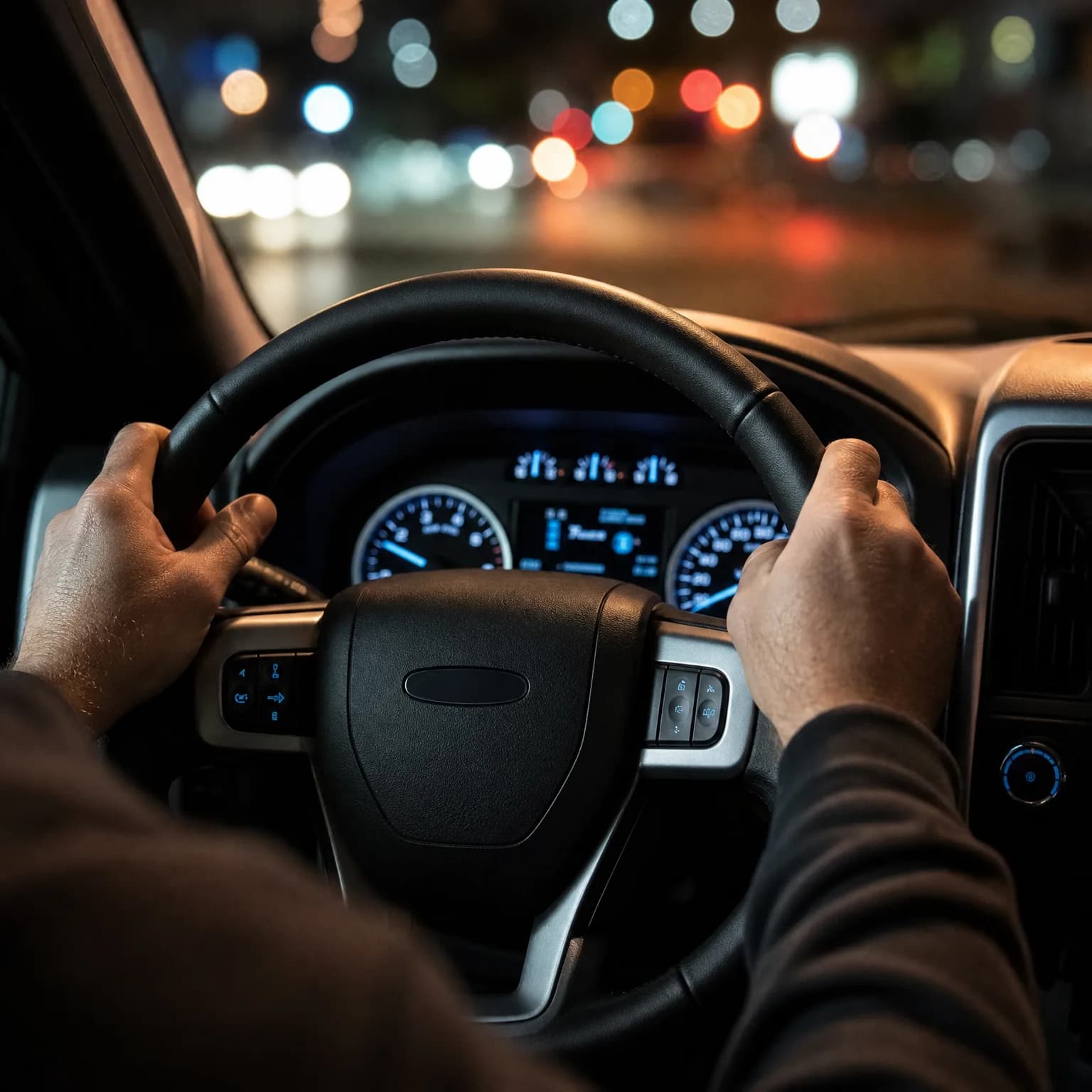
Do not drive the newly acquired vehicle until your owner SR-22 policy is active. Non-owner SR-22 policies explicitly exclude coverage for vehicles you own, titled in your name, or regularly available for your use. If you cause an accident while driving a vehicle you own under a non-owner policy, the carrier will deny the claim, and you'll face both civil liability and a new violation for driving uninsured.
How Long Your SR-22 Filing Requirement Continues After Conversion
Converting from non-owner SR-22 to owner SR-22 does not restart or extend your filing period. The clock began when your original SR-22 was filed with NCDMV, whether that was under a non-owner policy or an owner policy. The conversion is a change in coverage type, not a new filing.
If you were required to maintain SR-22 for three years following a DWI conviction, and you've already completed two years under non-owner coverage, you have one year remaining under owner coverage after conversion. The filing obligation is tied to the underlying violation and the court-ordered or DMV-ordered duration, not to the type of policy carrying the filing.
Your carrier will continue to file quarterly or annual verification notices with NCDMV confirming that your SR-22 coverage remains active. When your filing period ends, contact your carrier and request removal of the SR-22 endorsement. Most carriers will process this within 24 hours and send a termination notice to NCDMV. Your premium will drop immediately once the SR-22 is removed, typically by 15 to 30 percent depending on your carrier and violation history.
Frequently Asked Questions
Do I need to notify NCDMV directly when I convert from non-owner SR-22 to owner SR-22?
No. Your insurance carrier files the SR-22 update electronically with NCDMV through the eDMV system. You do not need to contact the DMV or file paperwork yourself. Verify with your new carrier that they've filed the owner SR-22 before canceling your non-owner policy.
Can I cancel my non-owner SR-22 policy the same day I buy the car?
You can, but only if your new owner SR-22 policy is already active and filed with NCDMV before the cancellation processes. Same-day cancellation creates lapse risk unless your new carrier confirms real-time filing. The safer path is to activate owner coverage one day before canceling non-owner coverage.
Will my SR-22 premium go down if I switch from non-owner to owner coverage?
No. Owner SR-22 premiums are higher than non-owner SR-22 premiums because you're insuring a specific vehicle with higher liability exposure and potentially adding comprehensive and collision coverage. Expect owner SR-22 premiums to increase by 50 to 200 percent depending on the vehicle and coverage selections.
What happens if I let my non-owner SR-22 lapse before getting owner coverage?
NCDMV will issue a lapse notice, triggering a $50 to $150 civil penalty, a $50 plate fee, and a new $65 restoration fee. Your filing period may also be extended or restarted depending on the underlying violation. Avoid this by maintaining continuous SR-22 coverage through the conversion.
Does North Carolina require FR-44 instead of SR-22 for DWI convictions?
No. North Carolina uses SR-22 for all financial responsibility filings, including DWI convictions. FR-44 is only required in Florida and Virginia. If you were convicted of DWI in North Carolina, SR-22 is the correct filing form.
Can I convert my non-owner SR-22 to owner SR-22 if I move to another state?
SR-22 filing requirements are state-specific. If you move to a new state during your filing period, contact your carrier to confirm whether they can file SR-22 in your new state of residence. Some states do not recognize out-of-state SR-22 filings, and you may need to bind a new policy with a carrier licensed in the new state.
Will my SR-22 filing period restart if I switch carriers during conversion?
No. The filing period is tied to the date your first SR-22 was filed with NCDMV, not to the carrier. Switching carriers during conversion does not restart the clock as long as there is no lapse in coverage between the old and new policies.
Related Articles
ND Non-Owner to Owner SR-22 Conversion After Buying Car
5/19/2026
SC Non-Owner to Owner SR-22 Conversion After Buying Car
5/19/2026
NC Non-Owner SR-22 vs Owner: When Non-Owner Fits
5/19/2026

Non-Owner to Owner SR-22 Conversion Timing Guide
5/19/2026

NC Non-Owner SR-22 for Uninsured-Driving Suspension
5/19/2026

Non-Owner to Owner SR-22 Conversion After Buying a Car
5/19/2026