
NC Non-Owner SR-22 After DUI: Filing Period and Premium Range
Get My Non-Owner SR-22 QuoteWhy North Carolina DUI Requires SR-22 Filing for Three Full Years
North Carolina requires SR-22 filing for 3 years after DUI conviction, measured from the conviction date entered by the court—not the arrest date or civil revocation date. This matters because NC operates a dual-track suspension system: a 30-day civil revocation imposed administratively at arrest (under G.S. 20-16.5) and a separate 1-year judicial revocation imposed upon conviction (under G.S. 20-17). The SR-22 filing period ties to the judicial revocation only.
Most drivers miscount the start date. If your conviction was entered June 15, 2024, your SR-22 filing obligation runs through June 15, 2027—regardless of when you were arrested or when the civil revocation was imposed. The NCDMV tracks the conviction date, and any lapse in SR-22 coverage during that 3-year window triggers an immediate FS-1 revocation and restarts the clock from the date you file a new SR-22.
You cannot shorten the 3-year period by maintaining clean driving during the filing window. The clock runs in calendar time, not driving time. If you never drive during those 3 years, you still owe 3 years of continuous SR-22 filing to satisfy the reinstatement requirement.
Non-Owner SR-22 Cost in North Carolina: What to Expect
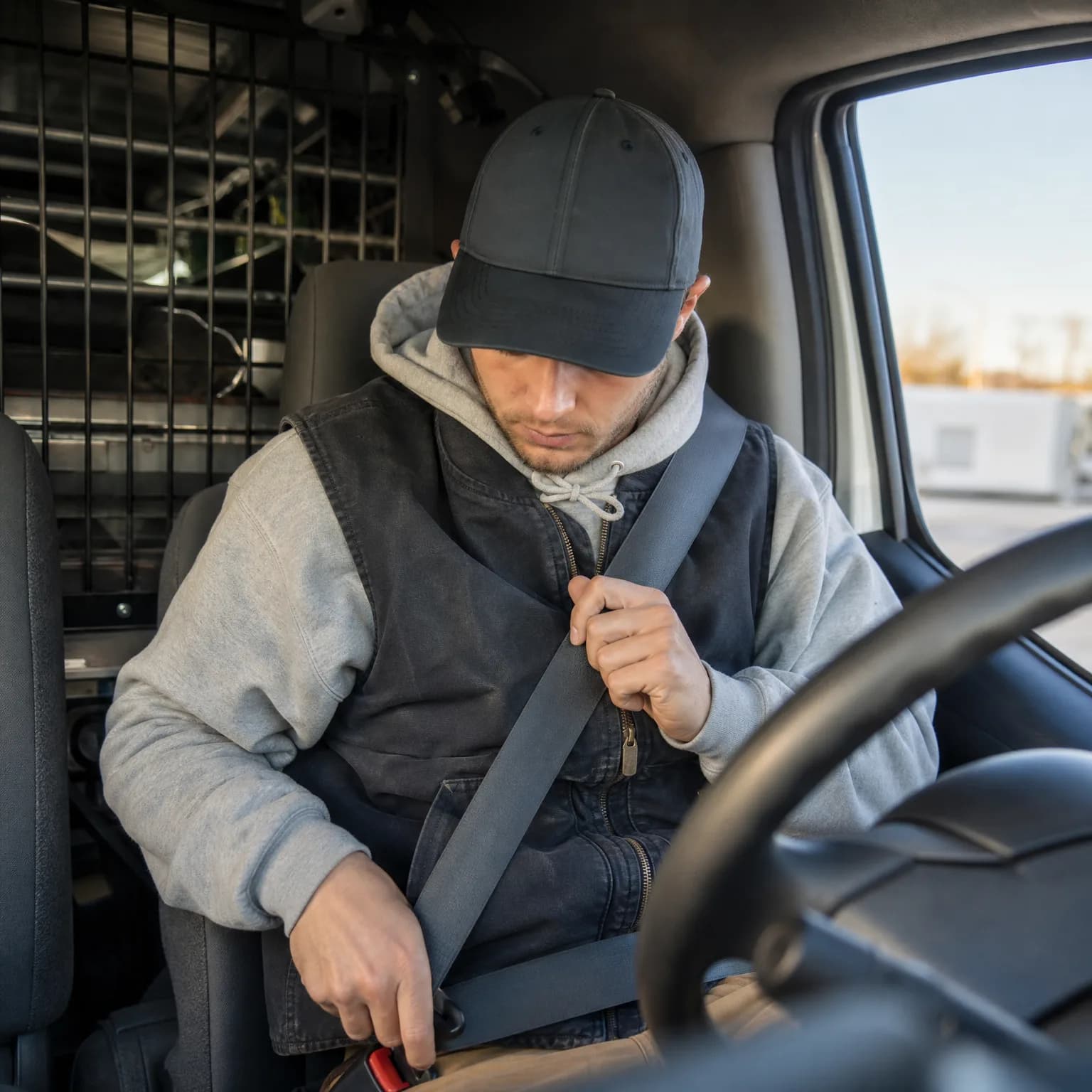
Non-owner SR-22 policies in North Carolina typically cost $30–$65 per month for liability-only coverage that meets the state's minimum requirements ($50,000 bodily injury per person, $100,000 per accident, $50,000 property damage). Total cost over the 3-year filing period ranges from $1,080 to $2,340 in premiums alone, plus a one-time $50 SR-22 filing fee collected by the carrier and remitted to NCDMV.
Non-owner premiums run 40–50% lower than owner SR-22 policies because there is no vehicle to insure for physical damage and no comprehensive or collision exposure. The policy covers you when driving someone else's vehicle with permission—borrowed cars, rental cars, occasional use of a family member's vehicle—but provides no coverage for any vehicle you own or regularly use.
Carriers writing non-owner SR-22 in North Carolina include Progressive, Geico, The General, Dairyland, National General, and Direct Auto. State Farm writes non-owner SR-22 but requires an agent consultation; online quotes are not available for SR-22 filers. Rates vary sharply by age, county, and prior violations stacked with the DUI. A second DUI or a suspended-license-while-driving charge layered on top of the underlying DUI can push premiums into the $80–$120/month range even for non-owner coverage.

What Non-Owner SR-22 Covers and What It Does Not
Non-owner SR-22 provides state-minimum liability coverage when you drive a vehicle you do not own. You are covered if you borrow a friend's car, rent a vehicle, or occasionally drive a family member's car with their permission. The policy satisfies North Carolina's SR-22 filing requirement and keeps your license reinstatement valid during the 3-year filing period.
Non-owner SR-22 does not cover any vehicle you own, lease, or have regular access to. If you buy a car, inherit a vehicle, or are added as a titled owner mid-filing period, the non-owner policy becomes invalid for that vehicle the moment you take ownership. You must immediately convert to an owner SR-22 policy listing the vehicle, or the NCDMV will treat your coverage as lapsed and issue an FS-1 revocation.
This conversion requirement catches most non-owner filers off-guard. Carriers do not automatically upgrade non-owner policies when you acquire a vehicle. You must notify the carrier, provide VIN and title documentation, and request the conversion within 30 days of acquisition. Failure to do so creates a gap in SR-22 filing, even if you believed you were continuously insured. The FS-1 revocation adds a $50 reinstatement fee and restarts the 3-year SR-22 clock from the date you file the corrected SR-22.

Cover Your Filing Before You Own a Car Again
Get My Non-Owner SR-22 QuoteLimited Driving Privilege Requires Proof of SR-22 Filing Before Issuance
North Carolina allows drivers to petition for a Limited Driving Privilege (LDP) during the 1-year DWI revocation period, but you must serve a mandatory 45-day hard suspension first (under N.C.G.S. § 20-179.3). The LDP is issued by a superior or district court judge, not NCDMV. You cannot apply for an LDP during the 30-day civil revocation—only after conviction, when the judicial revocation begins.
To petition for an LDP, you must provide proof of SR-22 filing (or proof of valid liability insurance if SR-22 is not yet required) at the time of the hearing. Most judges require the SR-22 certificate stamped by NCDMV before granting the privilege. This means you need to purchase non-owner SR-22 coverage and confirm the carrier has filed electronically with NCDMV before your LDP hearing date. Electronic filings typically post within 1–3 business days; paper filings can take 10–14 days.
The LDP restricts you to court-defined routes and hours—typically travel between home, work, school, medical appointments, religious activities, and court-ordered DWI treatment. The judge has broad discretion to set hours (commonly 6am–8pm Monday–Friday for work purposes) and may require ignition interlock installation if your BAC was 0.15 or higher or if you have a prior DWI conviction. Non-owner SR-22 remains valid during the LDP period and continues for the full 3 years post-conviction, even after the LDP expires and full driving privileges are restored.
What Happens If You Let Non-Owner SR-22 Coverage Lapse
North Carolina law requires continuous SR-22 filing for the full 3-year period. If your non-owner policy lapses for any reason—missed premium payment, voluntary cancellation, carrier non-renewal—the insurer is required to notify NCDMV electronically within 10 days. NCDMV immediately issues an FS-1 revocation, suspending your license until you file a new SR-22 and pay the $50 FS-1 reinstatement fee.
The 3-year filing clock restarts from the date the new SR-22 is filed after a lapse. If you were 2 years into your filing period and let coverage lapse, you owe a fresh 3-year filing period starting from the new filing date. There is no credit for time already served. This restart rule applies even if the lapse was unintentional or caused by a carrier's administrative error.
Most non-owner SR-22 lapses occur during the policy renewal window. Non-standard carriers writing SR-22 policies often decline to renew if you miss a single payment or if underwriting flags another violation during the policy year. The carrier cancels the policy effective the renewal date, files the SR-22 cancellation notice with NCDMV, and you receive the FS-1 revocation notice 2–3 weeks later. By that point, your license is already suspended. To avoid this, set up automatic premium payments and confirm renewal 30 days before the policy expiration date.

Converting from Non-Owner to Owner SR-22 Mid-Filing Period
When you acquire a vehicle during the 3-year SR-22 filing period, you must convert to an owner SR-22 policy within 30 days. Contact your current carrier immediately after vehicle acquisition—provide the VIN, title documentation, and request the policy upgrade. The carrier will issue an endorsement adding the vehicle to the policy, recalculate the premium to reflect comprehensive and collision exposure (if you elect those coverages), and file an updated SR-22 certificate with NCDMV.
Premiums will increase. Owner SR-22 policies in North Carolina typically cost $120–$240/month for state-minimum liability plus comprehensive and collision on a financed vehicle. If you elect liability-only coverage on an owned vehicle (common for older cars with no loan), premiums fall to $85–$140/month—still higher than non-owner rates because the policy now covers a specific vehicle's liability exposure and your regular use of that vehicle.
If you fail to notify the carrier within 30 days of vehicle acquisition, NCDMV treats your non-owner SR-22 as invalid for your actual driving activity. The carrier's SR-22 filing remains active, but it no longer matches your risk profile. If you are stopped or involved in an accident driving your own vehicle while holding only non-owner coverage, the policy will not respond—and NCDMV will revoke your SR-22 filing retroactively once the mismatch is discovered. Treat the 30-day conversion window as a hard deadline.
Frequently Asked Questions
Can I get non-owner SR-22 in North Carolina if I've never owned a car?
Yes. Non-owner SR-22 is designed for drivers who do not own a vehicle but need to satisfy the state's SR-22 filing requirement after a DUI conviction. You purchase liability-only coverage that applies when you drive someone else's vehicle with permission, and the carrier files the SR-22 certificate with NCDMV on your behalf.
How long does it take for SR-22 filing to show up on my NC driving record?
Electronic SR-22 filings typically post to your NCDMV record within 1–3 business days after the carrier submits the form. Paper filings can take 10–14 days. You can verify filing status by logging into the myNCDMV portal or calling NCDMV Driver License Services at 919-715-7000.
What happens if I move out of North Carolina during my SR-22 filing period?
North Carolina's 3-year SR-22 filing obligation follows you. If you move to another state, you must obtain SR-22 coverage issued in your new state of residence and maintain it for the remainder of the 3-year period. NCDMV will not lift the SR-22 requirement early, even if your new state does not require SR-22 for its own DUI offenses.
Does non-owner SR-22 cover rental cars in North Carolina?
Yes. Non-owner SR-22 provides liability coverage when you drive a rental car, as long as you are the authorized driver on the rental agreement. The policy does not cover physical damage to the rental vehicle—you would need to purchase the rental company's collision damage waiver for that coverage.
Can I cancel my non-owner SR-22 policy after 3 years automatically?
You must maintain SR-22 filing until the exact 3-year anniversary of your DUI conviction date. On that date, NCDMV releases the SR-22 requirement and you are free to cancel the policy or convert to standard non-SR-22 coverage. Canceling even one day early triggers an FS-1 revocation and restarts the 3-year clock.
Will my non-owner SR-22 premium decrease over the 3-year filing period?
Premiums may decrease slightly at each annual renewal if you maintain a clean driving record during the filing period and the carrier does not add new surcharges. However, most non-standard carriers hold SR-22 premiums relatively flat for the first 2–3 years. Significant decreases typically occur only after the SR-22 filing requirement is fully satisfied and you transition to a standard policy.
Related Articles

NC Non-Owner SR-22 Premium Range: What Carless Filers Pay
5/19/2026
NC Non-Owner SR-22: Filing Without a Vehicle Guide
5/19/2026
NC Non-Owner SR-22 for License Suspension Guide
5/19/2026

NC Non-Owner SR-22 vs Owner SR-22: Cost Differences
5/19/2026

Non-Owner SR-22 Cost in North Dakota: Carless Filers
5/19/2026
NC Non-Owner SR-22 for Uninsured-Driving Suspension
5/19/2026