
Non-Owner SR-22 With Added Drivers: Coverage Rules Explained
Get My Non-Owner SR-22 QuoteNon-Owner SR-22 Policies Do Not Support Additional Named Drivers
Non-owner SR-22 policies cover a single named insured—the person named on the policy and the SR-22 filing. You cannot add your spouse, household member, or any other driver to a non-owner policy as an additional named insured or listed driver. The product structure prohibits it.
Non-owner policies provide liability coverage when you drive a vehicle you do not own, with the owner's permission. The policy follows the named insured, not a vehicle or household. Because there is no owned vehicle to insure, there is no household exposure for carriers to underwrite. Carriers price non-owner policies based on the single named insured's driving record, violation history, and filing requirement. Adding a second driver fundamentally changes the underwriting model and eliminates the cost advantage that makes non-owner SR-22 attractive.
If another household member also requires SR-22 filing or needs coverage, they must purchase their own separate non-owner policy. Each person needing SR-22 filing is issued their own Form SR-22 by their own carrier, filed with the state DMV under their own name. Two people cannot share a single SR-22 filing.

What Happens When a Household Member Drives Your Borrowed Vehicle
Your non-owner SR-22 policy covers you when you drive a vehicle you do not own, with permission. It does not extend coverage to other household members driving that same borrowed vehicle. If your spouse or roommate drives the borrowed vehicle, they are covered only by the vehicle owner's insurance policy—not by your non-owner policy.
This creates a common misunderstanding. Drivers assume that because they have active non-owner SR-22 coverage, anyone in their household can also drive borrowed vehicles under that same umbrella. That assumption is incorrect. Non-owner policies are individual products. They do not cover household members, passengers, or co-residents.
If the other household member regularly drives borrowed vehicles and needs their own liability protection, they must secure their own non-owner policy. If they also carry a suspension requiring SR-22 filing, they must purchase non-owner SR-22 separately. Carriers will not combine or share policies between individuals, even spouses living at the same address.


When One Household Member Owns a Vehicle and the Other Does Not
If your spouse or household member owns a vehicle and carries a standard owner policy, you cannot be added to that policy as a named driver while you hold non-owner SR-22. Owner policies require the named insured to have an insurable interest in the vehicle—meaning ownership or regular use. If you do not own or co-own the vehicle, most carriers will not list you as a named insured on the owner policy.
You may be listed as an excluded driver on the household member's owner policy. An excluded driver notation tells the carrier that you live at the same address but are explicitly not covered under that policy. If you drive the household vehicle and cause an accident, the owner's policy will not pay the claim. Your non-owner SR-22 policy will not cover it either, because non-owner policies exclude vehicles owned by household members or available for regular use.
This exclusion is intentional. Non-owner policies are designed for occasional borrowed-vehicle use—not for regular access to a household vehicle. If you gain regular access to a household member's vehicle, you must convert to an owner SR-22 policy with yourself listed as a named insured or co-owner. Most carriers require this conversion within 30 days of gaining regular vehicle access, or they will cancel the non-owner policy for material misrepresentation.

Cover Your Filing Before You Own a Car Again
Get My Non-Owner SR-22 QuoteTwo Household Members Both Needing SR-22 Filing
When two people in the same household both carry suspensions requiring SR-22 filing, each person must purchase their own separate non-owner SR-22 policy. Carriers do not issue joint non-owner policies. Each person is underwritten individually based on their own violation history, age, and filing requirement. Each person receives their own Form SR-22, filed separately with the state DMV.
Premiums will not be identical even if both individuals hold the same violation type. Carriers price non-owner SR-22 based on the named insured's driving record, age, county, and filing period. A 28-year-old with a first DUI in Cook County, Illinois will pay a different rate than a 42-year-old with a second DUI in the same county, even if both are purchasing non-owner SR-22 from the same carrier on the same day.
Some households attempt to save money by purchasing one non-owner SR-22 policy and listing only the person with the higher-cost violation. This strategy fails. The state DMV tracks SR-22 filings by name and driver's license number. If the second person's suspension order requires SR-22 filing and no SR-22 appears on file under their name, their license remains suspended regardless of the household member's active filing. Each person must file separately to satisfy their own reinstatement requirement.

Converting to Owner SR-22 When You Later Purchase a Vehicle
If you purchase or are gifted a vehicle during your SR-22 filing period, you must convert from non-owner SR-22 to owner SR-22 within the timeframe specified by your carrier—typically 30 days. Non-owner policies explicitly exclude coverage for vehicles owned by the named insured. Once you take title to a vehicle, your non-owner policy no longer provides valid coverage for that vehicle, and your SR-22 filing becomes invalid.
The conversion requires you to contact your carrier, provide the new vehicle's VIN and title documentation, and transition to a standard owner policy. The carrier will issue a new SR-22 filing reflecting the vehicle-specific policy. Your premium will increase because owner SR-22 policies cost more than non-owner policies—typically 40-80% higher due to the addition of collision and comprehensive exposure and the higher liability limits most states require for owned vehicles.
If you fail to notify your carrier within the required window, the carrier may cancel your non-owner policy for material misrepresentation. When the policy cancels, the carrier files Form SR-26 (or the state equivalent) notifying the DMV that your SR-22 coverage has lapsed. Most states suspend your license again within 15 days of receiving the SR-26, and you must restart the filing period from the beginning. Do not delay the conversion.
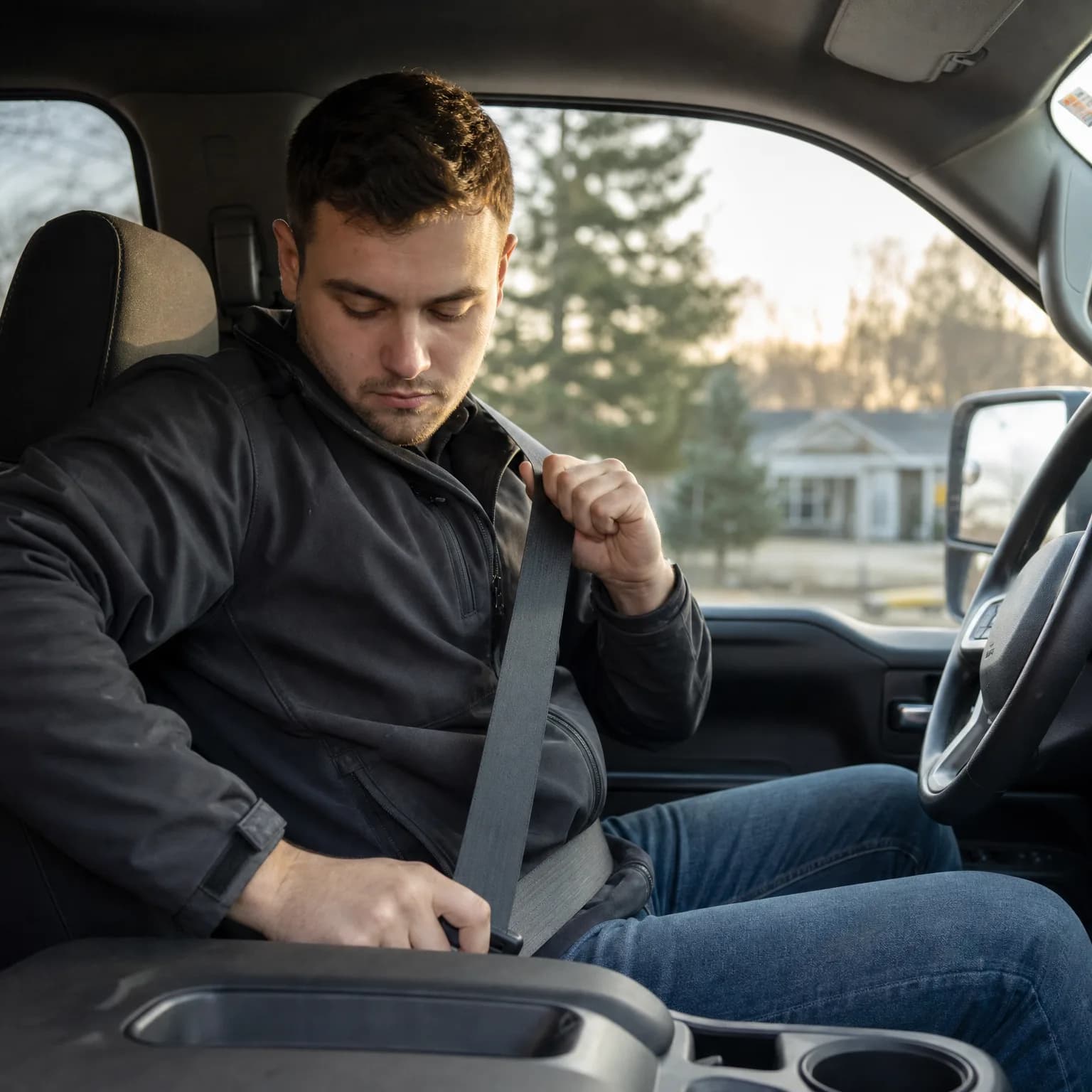
Finding Non-Owner SR-22 Coverage
Non-owner SR-22 is a specialty product offered by non-standard carriers that focus on high-risk driver segments. Standard carriers—State Farm, Allstate, GEICO—rarely write non-owner SR-22 policies, and when they do, they price them uncompetitively. Non-standard carriers that consistently write non-owner SR-22 include Progressive, The General, Direct Auto, and Bristol West. Regional availability varies by state.
Quoting typically requires providing your driver's license number, suspension cause, SR-22 filing period, and residential address. Carriers pull your motor vehicle report (MVR) during underwriting and price the policy based on the violation details, not just the category. A DUI with a blood alcohol content of 0.18 will price higher than a DUI at 0.09, even though both are coded as DUI violations. Premiums for non-owner SR-22 range from $40 to $120 per month depending on state, violation type, age, and county, with most filings falling between $55 and $85 per month.
Compare quotes from at least three non-standard carriers before purchasing. Premium variance for identical coverage can exceed 50% between carriers writing the same risk in the same county. Use the site's comparison tool to request quotes simultaneously from multiple carriers that write non-owner SR-22 in your state.
Frequently Asked Questions
Can my spouse and I share a single non-owner SR-22 policy if we both need SR-22 filing?
No. Each person requiring SR-22 filing must purchase their own separate non-owner policy. Carriers issue one SR-22 filing per named insured, and the state DMV tracks filings by individual driver's license number. If both of you need SR-22 to reinstate your licenses, both of you must hold active policies in your own names.
Does my non-owner SR-22 policy cover my household member when they drive a borrowed vehicle?
No. Non-owner SR-22 policies cover only the named insured—the person listed on the policy. If your household member drives a borrowed vehicle, they are covered by the vehicle owner's insurance, not by your non-owner policy. If they need their own coverage, they must purchase a separate non-owner policy.
Can I be added to my spouse's owner policy while I hold non-owner SR-22?
Most carriers will not add you as a named insured to your spouse's owner policy if you do not own or co-own the vehicle. You may be listed as an excluded driver, which means the owner's policy will not cover you if you drive their vehicle. Your non-owner SR-22 will not cover it either, because non-owner policies exclude household vehicles.
What happens if I buy a car while my non-owner SR-22 filing is still active?
You must convert to an owner SR-22 policy within 30 days of purchasing the vehicle. Non-owner policies exclude coverage for vehicles owned by the named insured. If you fail to convert, your carrier will cancel your non-owner policy, file an SR-26 lapse notice with the state, and your license will be suspended again.
Do non-owner SR-22 premiums increase if another household member also has a violation?
No. Non-owner SR-22 policies are underwritten individually based only on the named insured's driving record. A household member's violation history does not affect your premium because they are not listed on your policy and the policy does not cover any shared household vehicle.
Can I list my teenage child on my non-owner SR-22 policy?
No. Non-owner SR-22 policies do not support additional named drivers, including dependent children. If your teenage child needs coverage, they must purchase their own policy. If they require SR-22 filing due to a suspension, they must secure their own non-owner SR-22 policy separately.
Related Articles

Non-Owner SR-22 Household Vehicle Exclusion Explained
5/19/2026

Non-Owner SR-22 With Spouse Who Owns a Vehicle
5/19/2026

Non-Owner SR-22 Coverage Gaps: When It Won't Pay
5/19/2026
Non-Owner SR-22 Filed by Spouse: Separate Filing Rules
5/19/2026

Non-Owner SR-22 Does Not Cover Vehicles You Own
5/19/2026

Non-Owner SR-22 Excluded Vehicles: When Coverage Fails
5/19/2026