
Non-Owner SR-22 Premium Range in North Dakota: Carless Filers
Get My Non-Owner SR-22 QuoteWhat Non-Owner SR-22 Insurance Costs in North Dakota
Non-owner SR-22 policies in North Dakota typically cost $35–$65 per month for liability-only coverage meeting the state's $25,000/$50,000/$25,000 minimums plus mandatory PIP. That range assumes a single DUI with no additional violations and clean driving history otherwise.
Owner SR-22 policies—filed against a specific vehicle with comprehensive and collision—run $110–$190/month in the same risk profile. Non-owner coverage eliminates vehicle-specific risk, which is why premiums drop 40–60%. You're buying liability protection when you drive someone else's car with permission, not insuring your own vehicle.
The $50 state reinstatement fee is separate from premium and due at license reinstatement. The SR-22 filing itself carries no state fee in North Dakota—your carrier submits the certificate electronically to NDDOT at policy inception and renewal without additional charge to you.
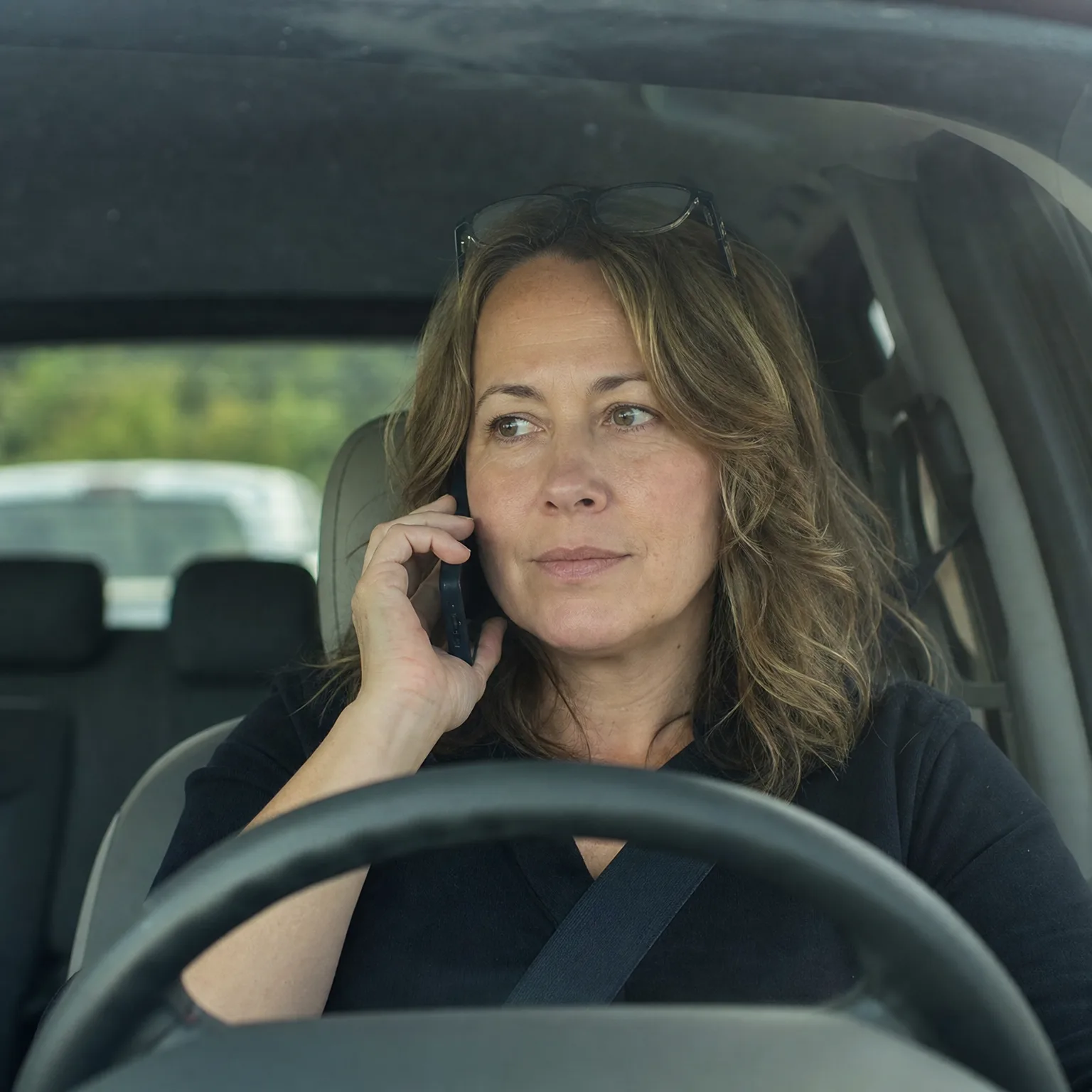
How Non-Owner SR-22 Satisfies North Dakota's Three-Year Filing Requirement
North Dakota mandates SR-22 filing for three years following DUI-related license revocations under NDCC 39-16.1. That clock starts the day your policy is filed, not the day of conviction or suspension. A non-owner policy filed January 15 satisfies the requirement through January 14 three years later, provided continuous coverage with no lapses.
NDDOT receives electronic notification when your carrier files Form SR-22. The same system notifies the state if your policy cancels or lapses. A single day of lapse restarts the three-year clock from zero in most DUI cases. Your carrier must maintain the filing through the full duration—switching carriers mid-period is allowed, but the new carrier must file SR-22 before the old policy cancels.
Non-owner SR-22 and owner SR-22 are functionally identical to the state. NDDOT does not distinguish between the two filing types. Both satisfy the financial responsibility requirement. The difference is what you're insuring, not whether the filing meets state law.
What Non-Owner SR-22 Covers and What It Doesn't
Non-owner SR-22 provides liability coverage when you drive a vehicle you do not own. That includes borrowed cars, rental cars (check your policy's rental exclusion clause—some carriers exclude rentals), and occasional use of a family member's vehicle. Coverage applies only when the vehicle's owner has given you permission.
Non-owner policies do not cover any vehicle registered to you or a household member. They do not cover vehicles you use regularly, defined in most policies as more than three times per week. They do not include comprehensive or collision—if you wreck a borrowed car, the owner's policy covers the vehicle damage first, and your non-owner liability covers injury or property damage to others only.
North Dakota requires PIP (personal injury protection) as part of minimum coverage. Your non-owner policy includes PIP, which covers your own medical expenses regardless of fault when you're injured while driving. This is why non-owner premiums in North Dakota run slightly higher than in states without no-fault PIP mandates.

Cover Your Filing Before You Own a Car Again
Get My Non-Owner SR-22 QuoteWhat Happens If You Buy a Car During the Filing Period
The moment you register a vehicle in your name, your non-owner policy stops covering that vehicle. Most carriers will not allow you to add a vehicle to a non-owner policy—the product is structurally incompatible with vehicle ownership. You must convert to a standard owner policy or purchase a separate owner policy before driving the newly acquired vehicle.
Your SR-22 filing must continue without interruption. Call your carrier the day you register the vehicle and convert the policy. The carrier will cancel the non-owner policy, issue an owner policy with the vehicle added, and refile SR-22 under the new policy number. NDDOT receives the updated filing electronically. There is no gap as long as the new policy's effective date matches the old policy's cancellation date.
Premiums will increase immediately. Expect $110–$190/month for owner SR-22 with liability-only coverage, more if you add comprehensive or collision. Financing a vehicle typically requires full coverage, which doubles the premium again. Budget for this transition before you buy—the cost jump is not negotiable.

Which Carriers Write Non-Owner SR-22 in North Dakota
Progressive, Geico, and The General write non-owner SR-22 policies in North Dakota and file electronically with NDDOT. Bristol West writes non-standard SR-22 but requires broker contact—online quotes are unavailable. State Farm writes SR-22 but non-owner availability varies by agent and underwriting appetite in your ZIP code.
National General (now part of Allstate) writes non-owner SR-22 through select agents. USAA writes non-owner SR-22 for eligible military members and their families. Most preferred-tier carriers—Amica, Auto-Owners, American Family—do not write non-owner policies for DUI filers, regardless of SR-22 need.
Get quotes from at least three carriers. Non-owner SR-22 premiums vary by $20–$40/month for identical coverage because underwriting models treat non-owner risk differently. Progressive and Geico allow online quotes. The General requires a phone call but often quotes lower for drivers with multiple violations.
How North Dakota's Temporary Restricted License Interacts With Non-Owner SR-22
North Dakota offers a Temporary Restricted License (TRL) after 30 days of a mandatory 91-day DUI suspension. The TRL allows driving for work, school, medical appointments, and court-approved essential activities. Ignition interlock is required for all DUI-related TRLs under NDCC 39-06-36.
You must carry valid insurance—owner or non-owner—to qualify for the TRL. Non-owner SR-22 satisfies the insurance requirement as long as the vehicle you're driving has ignition interlock installed and you have the owner's permission. If you're using an employer's vehicle, the employer must install interlock on that vehicle or provide a signed affidavit authorizing your use of an interlock-equipped company vehicle.
The TRL application requires proof of SR-22 insurance before NDDOT will issue the restricted license. File your non-owner SR-22 policy first, obtain the filing confirmation from your carrier, and submit that confirmation with your TRL application. Processing typically takes 5–10 business days after NDDOT receives complete documentation.
Frequently Asked Questions
Can I drive someone else's car with a non-owner SR-22 policy in North Dakota?
Yes, as long as the vehicle's owner gives you permission and the car is not registered to you or a household member. Your non-owner policy provides liability and PIP coverage when you drive a borrowed or occasional-use vehicle. If you drive the same vehicle more than three times per week, most carriers classify that as regular use and the non-owner policy will not cover it.
Does non-owner SR-22 count toward North Dakota's three-year DUI filing requirement?
Yes. NDDOT treats non-owner SR-22 and owner SR-22 identically for financial responsibility purposes. Both satisfy the three-year filing mandate under NDCC 39-16.1. The filing period begins the day your carrier submits Form SR-22 to the state and ends three years later, provided you maintain continuous coverage with no lapses.
What happens if my non-owner SR-22 policy lapses in North Dakota?
NDDOT receives electronic notification within 24 hours of cancellation. Your license is suspended immediately and the three-year filing clock restarts from zero in most DUI cases. You must purchase a new policy, refile SR-22, pay the $50 reinstatement fee, and begin the three-year period again. One day of lapse is treated the same as a 30-day lapse under North Dakota's electronic verification system.
Can I add a vehicle to my non-owner SR-22 policy if I buy a car later?
No. Non-owner policies are structurally incompatible with vehicle ownership. You must convert to a standard owner policy the day you register a vehicle in your name. Your carrier will cancel the non-owner policy, issue an owner policy with the vehicle added, and refile SR-22 under the new policy number. Premiums will increase to $110–$190/month for liability-only owner SR-22.
Do I need ignition interlock for a non-owner SR-22 policy in North Dakota?
You need interlock if you're applying for a Temporary Restricted License during your suspension. The interlock must be installed in the vehicle you drive—either your own vehicle or a vehicle the owner has authorized you to use with interlock installed. The non-owner SR-22 policy itself does not require interlock, but the TRL program does under NDCC 39-06-36.
How much does non-owner SR-22 cost compared to owner SR-22 in North Dakota?
Non-owner SR-22 typically costs $35–$65/month for liability and PIP coverage. Owner SR-22 costs $110–$190/month for liability-only coverage on a specific vehicle. The 40–60% savings comes from eliminating vehicle-specific risk—comprehensive, collision, and the fixed cost of insuring a particular make and model. Both policies carry the same state liability minimums and PIP requirements.
Related Articles
North Dakota Non-Owner SR-22: Cost, Carriers, Filing
5/19/2026

Non-Owner SR-22 Costs in North Dakota by Cause
5/19/2026

SD Non-Owner SR-22: Cost, Carriers, and Filing Path
5/19/2026

ND Non-Owner SR-22 Cost by Cause: DUI vs Lapse Rates
5/19/2026
South Dakota Non-Owner SR-22: Carriers & Filing
5/19/2026

Non-Owner SR-22 in ND After At-Fault Accident
5/19/2026