
Non-Owner SR-22 Premium Range in Minnesota: What Carless Filers Should Expect
Get My Non-Owner SR-22 QuoteWhy Non-Owner SR-22 Costs More in Minnesota Than Most States
Minnesota requires Personal Injury Protection coverage on every auto policy, including non-owner policies. Your non-owner SR-22 must include $40,000 PIP on top of the state's $30,000/$60,000/$10,000 liability minimums. This is Minnesota Statute § 65B.41–.71 in action.
Most states treat non-owner policies as liability-only. Minnesota does not. The PIP component adds approximately $15–$25/month to your premium compared to what a liability-only non-owner SR-22 would cost in Wisconsin or Iowa. Carriers writing non-owner SR-22 in Minnesota price the PIP requirement into every quote.
Typical monthly premiums for Minnesota non-owner SR-22 range from $35 to $65, depending on your violation history and county. DWI filers pay toward the high end. Uninsured driving filers pay toward the low end. The $20–$35 SR-22 filing fee is separate and paid once at policy inception.

What Minnesota Non-Owner SR-22 Covers When You Don't Own a Car
A non-owner SR-22 policy provides liability and PIP coverage when you drive someone else's vehicle with permission. You borrow a friend's car for a job interview. You rent a vehicle for a weekend trip. You drive your employer's delivery van. The policy follows you, not a specific vehicle.
It does not cover vehicles you own. If you buy a car, are gifted a vehicle, or take possession of a vehicle titled in your name during the filing period, you must convert to a standard owner SR-22 policy within 30 days. Driving an owned vehicle under a non-owner policy voids coverage.
The policy satisfies Minnesota Driver and Vehicle Services SR-22 filing requirements. The carrier files Form SR-22 electronically with DVS on your behalf. DVS receives confirmation within 24–48 hours. You do not need to own a vehicle to meet the state's financial responsibility requirement.


How Long You'll Carry Non-Owner SR-22 in Minnesota and What It Costs Over the Full Period
Minnesota typically requires SR-22 filing for three years after DWI conviction or uninsured driving suspension. The filing period starts from your reinstatement date, not your conviction date or suspension date. If you delay reinstatement by six months, your three-year SR-22 clock starts six months later.
At $35–$65/month, total premium cost over three years ranges from $1,260 to $2,340. Add the one-time $20–$35 filing fee and the $30 reinstatement fee Minnesota charges under Minn. Stat. § 171.29. DWI reinstatement fees are higher: $680 for first offense, $910 for second, $1,230 for third or subsequent.
If your carrier cancels the policy or you let it lapse during the filing period, DVS suspends your license again. Minnesota's electronic insurance verification system flags lapses within 48 hours. Reinstatement after a lapse-triggered suspension requires a new SR-22 filing and another reinstatement fee.

Cover Your Filing Before You Own a Car Again
Get My Non-Owner SR-22 QuoteWhich Carriers Write Non-Owner SR-22 in Minnesota and How Fast They File
Dairyland, Geico, Progressive, The General, and National General all write non-owner SR-22 policies in Minnesota. Bristol West operates broker-only in Minnesota but writes non-owner SR-22 through appointed agents. State Farm writes SR-22 in Minnesota but typically does not offer non-owner policies to new customers with active filing requirements.
Most carriers file SR-22 electronically with Minnesota DVS within one business day of policy binding. You receive a copy of the filed SR-22 form via email or mail. DVS updates your record within 24–48 hours after receiving the electronic filing. You can verify filing status on the DVS website or by calling the DVS SR-22 unit.
Premiums vary by carrier and violation severity. Dairyland and The General typically quote toward the lower end of the $35–$65/month range for uninsured driving suspensions. Progressive and Geico quote mid-range for most filers. DWI cases with multiple priors may push quotes above $65/month at all carriers.
What Happens If You Get a Vehicle While You're Still Filing SR-22
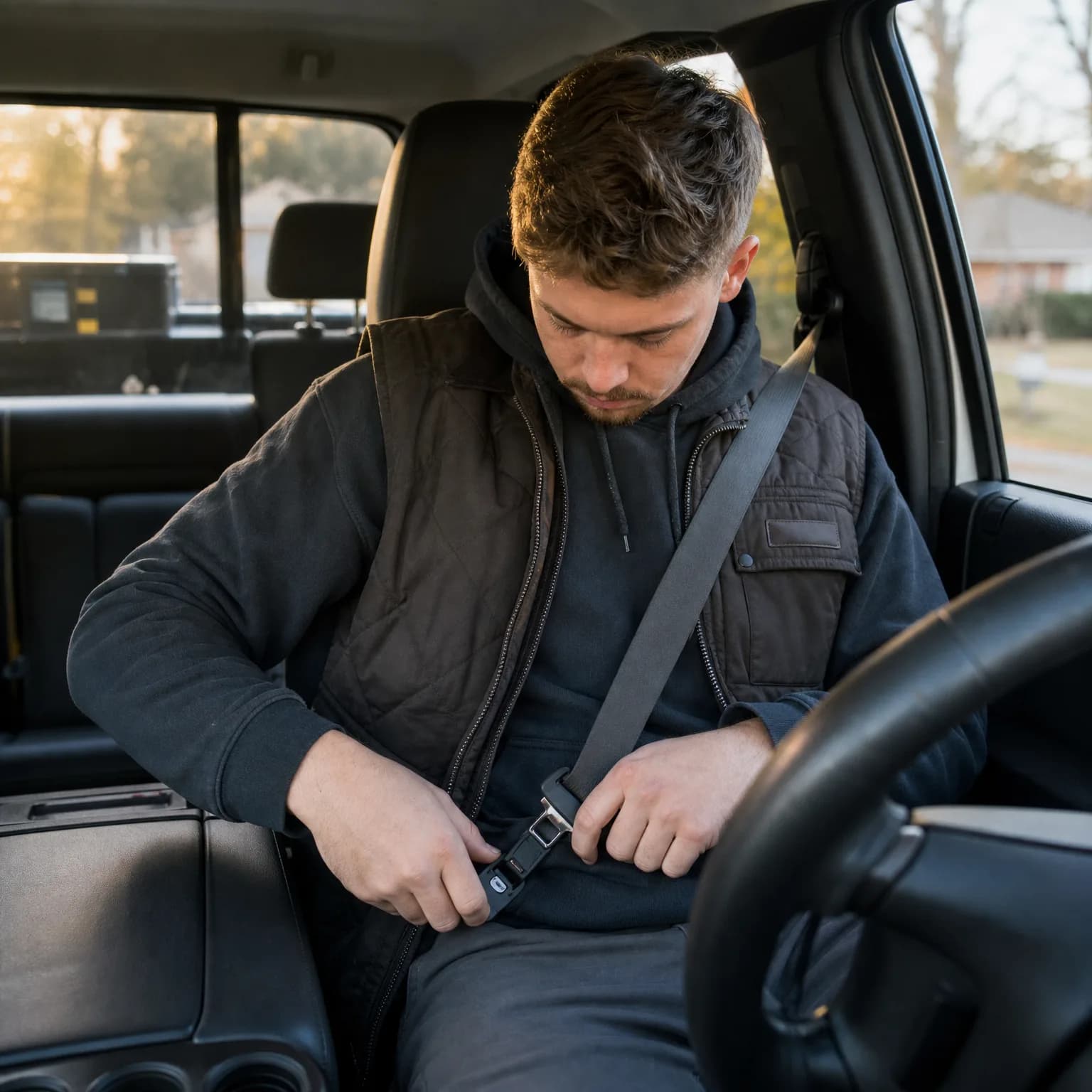
You must notify your carrier within 30 days of acquiring a vehicle. The carrier will convert your non-owner SR-22 policy to a standard owner SR-22 policy covering the newly acquired vehicle. The SR-22 filing remains continuous. Your filing period clock does not reset.
The premium will increase. Owner SR-22 policies cost $85–$190/month in Minnesota because they include comprehensive and collision coverage and higher liability limits. You can decline comprehensive and collision if you own the vehicle outright, but you must still carry the state's minimum liability and PIP coverage.
If you drive an owned vehicle under a non-owner policy without notifying the carrier, you have no coverage. The carrier can void the policy retroactively. DVS can suspend your license again for driving uninsured. Notify your carrier the same day you take possession of any vehicle.

How Minnesota's Limited License Program Interacts With Non-Owner SR-22
Minnesota offers a Limited License during DWI revocation periods. This is a court-issued restricted license allowing driving for employment, medical treatment, school, or court-ordered chemical dependency treatment. You must petition the district court. You cannot apply through DVS.
SR-22 insurance is required before the court will issue a Limited License for most DWI cases. You must show proof of SR-22 filing as part of your petition documentation. A non-owner SR-22 policy satisfies this requirement if you do not own a vehicle. The court does not require you to own a car to qualify.
Most DWI Limited License orders require installation of an ignition interlock device under Minn. Stat. § 171.306. If you do not own a vehicle, you must install the device on any vehicle you drive regularly. Employers, family members, or friends who allow you to drive their vehicles must consent to IID installation. Non-owner SR-22 does not exempt you from the IID requirement.
Frequently Asked Questions
Can I get non-owner SR-22 in Minnesota if I've never owned a car?
Yes. Minnesota does not require vehicle ownership to file SR-22. Non-owner SR-22 policies exist specifically for drivers who need to satisfy filing requirements without owning a vehicle. Carriers writing non-owner SR-22 in Minnesota include Dairyland, Geico, Progressive, The General, and National General.
Does Minnesota non-owner SR-22 cover rental cars?
Yes, when you rent a vehicle for personal use. The non-owner policy provides liability and PIP coverage as primary or excess depending on the rental agreement. Rental car damage waivers are separate and not covered by your non-owner SR-22 policy.
What happens if I let my non-owner SR-22 policy lapse in Minnesota?
Minnesota DVS suspends your license again, typically within 48 hours of receiving the lapse notification from your carrier. You must purchase a new SR-22 policy, pay another reinstatement fee, and refile SR-22 to lift the suspension. Your original three-year filing period does not restart, but the suspension adds time to your total restricted period.
Do I need SR-22 for a Minnesota Limited License after a DWI?
Yes, for most DWI-related Limited License petitions. The court requires proof of SR-22 filing before issuing the Limited License. A non-owner SR-22 policy satisfies this requirement if you do not own a vehicle. The filing must remain active for the duration of the Limited License period and through full reinstatement.
How much does the SR-22 filing fee cost in Minnesota, separate from the insurance premium?
The SR-22 filing fee ranges from $20 to $35 depending on the carrier. This is a one-time fee paid when the policy is issued. It is separate from your monthly premium and separate from the $30 reinstatement fee DVS charges or the higher DWI-specific reinstatement fees.
Can I buy a car later and keep the same SR-22 filing without restarting the clock?
Yes. Notify your carrier within 30 days of acquiring the vehicle. They will convert your non-owner policy to an owner policy and maintain continuous SR-22 filing. Your three-year filing period does not reset as long as the SR-22 remains active without lapse.
Related Articles

MN Non-Owner SR-22 vs Owner: When Non-Owner Saves
5/19/2026
MN Non-Owner SR-22 Cost by Cause: DWI vs Lapse
5/19/2026

Non-Owner SR-22 Minnesota License Suspension Filing
5/19/2026
Minnesota Non-Owner SR-22: Cost, Carriers, Filing Path
5/19/2026

MN Non-Owner SR-22: DWI, Uninsured, Points Triggers
5/19/2026
WI Non-Owner SR-22 vs Owner SR-22: Cost Comparison
5/19/2026