Non-Owner SR-22 in Utah After Reckless Driving: What You Need
Get My Non-Owner SR-22 QuoteDoes Utah require SR-22 filing after a reckless-driving conviction?
Utah does not automatically require SR-22 filing for reckless driving alone. The Driver License Division (DLD) triggers SR-22 filing requirements primarily for DUI, uninsured motorist violations, and insurance lapse suspensions under Utah Code § 41-12a. However, if your reckless-driving conviction occurred while you were driving uninsured, or if the court ordered SR-22 as a condition of reinstatement or probation, you'll need to file.
The dual-track system complicates this. Utah's DLD administers administrative suspensions independently of criminal court proceedings. A reckless-driving conviction may trigger a judicial suspension from the court, while the DLD may separately suspend your license if you were uninsured at the time of the violation. If either pathway requires SR-22, you need it.
Check your suspension notice or court order carefully. If SR-22 appears anywhere in the reinstatement conditions, you must maintain continuous filing for the entire period specified—typically 3 years for insurance-related triggers in Utah. Breaking coverage for even one day resets the clock.
What non-owner SR-22 covers in Utah and what it doesn't
Non-owner SR-22 provides liability coverage when you drive someone else's vehicle with permission. Utah's minimum liability limits are $25,000 per person for bodily injury, $65,000 per accident for bodily injury, and $15,000 for property damage. Utah also requires $3,000 in personal injury protection (PIP) coverage, even on non-owner policies.
The carrier files Form SR-22 with the Utah DLD on your behalf. The filing proves you maintain continuous liability coverage, which satisfies the state's financial responsibility requirement. Non-owner SR-22 does not cover any vehicle you own or regularly use. It does not include comprehensive or collision coverage because there's no specific vehicle attached to the policy.
If you buy or are gifted a vehicle during your filing period, you must convert to an owner SR-22 policy immediately. Non-owner SR-22 becomes invalid the moment you take title to a car. Most carriers can convert your policy within 24 hours, but you're responsible for notifying them. Driving your own vehicle on a non-owner policy voids coverage and can trigger a new suspension for driving uninsured.
How much non-owner SR-22 costs in Utah after reckless driving
Non-owner SR-22 premiums in Utah typically range from $40 to $90 per month for drivers with a single reckless-driving conviction. The SR-22 filing fee itself is usually $25 to $50, paid once at policy inception or annually depending on the carrier. Total cost over a 3-year filing period runs approximately $1,500 to $3,300, including filing fees.
Compare that to owner SR-22, which runs $140 to $220 per month for the same driver profile because the policy must cover a specific vehicle with comprehensive and collision exposure. Non-owner SR-22 costs 30-60% less because you're only insuring your liability when driving borrowed vehicles.
Your rate depends on how the reckless-driving conviction is coded on your motor vehicle record. Some Utah courts reduce reckless driving to "impaired driving" under plea agreements, which insurers sometimes rate more favorably than the original charge. If you completed a defensive driving course as part of your sentence, mention it when quoting—some carriers discount for proof of completion. Estimates based on available industry data; individual rates vary by driving history, age, and location.
Which carriers write non-owner SR-22 in Utah
Non-owner SR-22 policies are available from Progressive, Geico, Dairyland, The General, GAINSCO, National General, and Bristol West in Utah. Progressive and Geico offer online quoting for non-owner policies but may require a phone call to attach SR-22 filing. Dairyland, The General, and GAINSCO specialize in non-standard coverage and can bind non-owner SR-22 policies same-day in most cases.
Bristol West operates as a broker-only carrier in Utah, meaning you'll need to work through an independent agent rather than quoting directly online. National General has streamlined online SR-22 filing and typically provides proof of filing electronically to the DLD within 24 hours.
State Farm writes SR-22 in Utah but does not actively market non-owner policies to suspended drivers. USAA writes non-owner SR-22 for eligible members but restricts availability to active-duty military, veterans, and their families. If you don't meet USAA's membership criteria, focus on the non-standard carriers above. Get quotes from at least three carriers—rates vary sharply even for identical coverage.
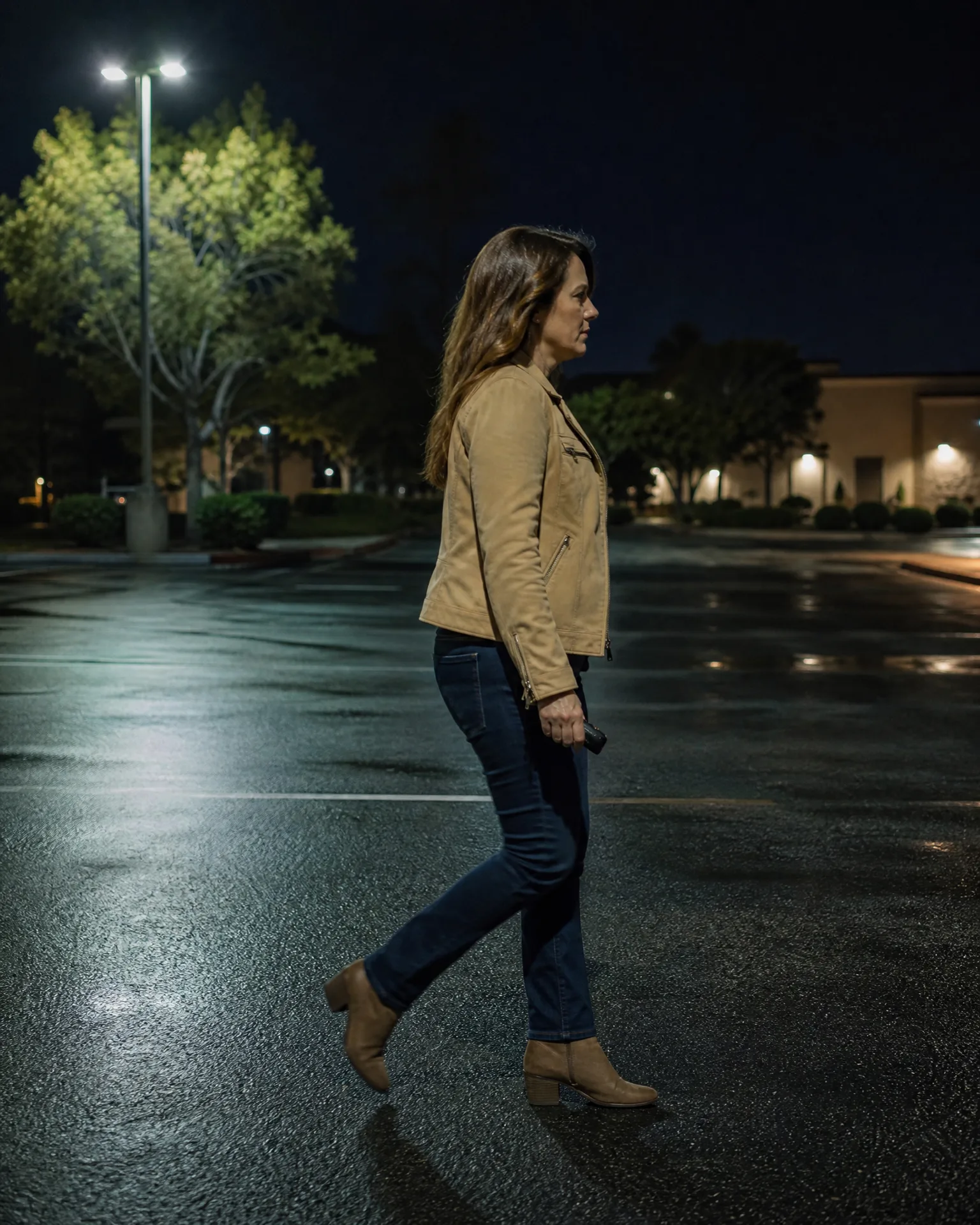
Cover Your Filing Before You Own a Car Again
Get My Non-Owner SR-22 Quote
How Utah's Limited License program interacts with non-owner SR-22
Utah offers a Limited License through court petition for drivers with suspended licenses, including those suspended for reckless driving. The court—not the DLD—controls eligibility, terms, and approval. If your suspension includes an SR-22 filing requirement, you must provide proof of SR-22 before the court will issue the Limited License order.
Non-owner SR-22 satisfies the filing requirement for Limited License purposes. The court needs confirmation that you maintain continuous liability coverage, and a non-owner policy provides that. Submit your SR-22 proof-of-filing certificate with your Limited License petition.
The Limited License restricts your driving to court-defined purposes, typically work, school, medical appointments, and court-ordered programs. The court sets specific hours and routes. Ignition interlock installation is required for DUI-related suspensions but is discretionary for non-DUI suspensions—if your reckless-driving conviction involved alcohol or the court ordered IID as a probation condition, you'll need it installed before the Limited License becomes effective. IID installation costs $70 to $150 upfront, plus $70 to $100 per month for monitoring.
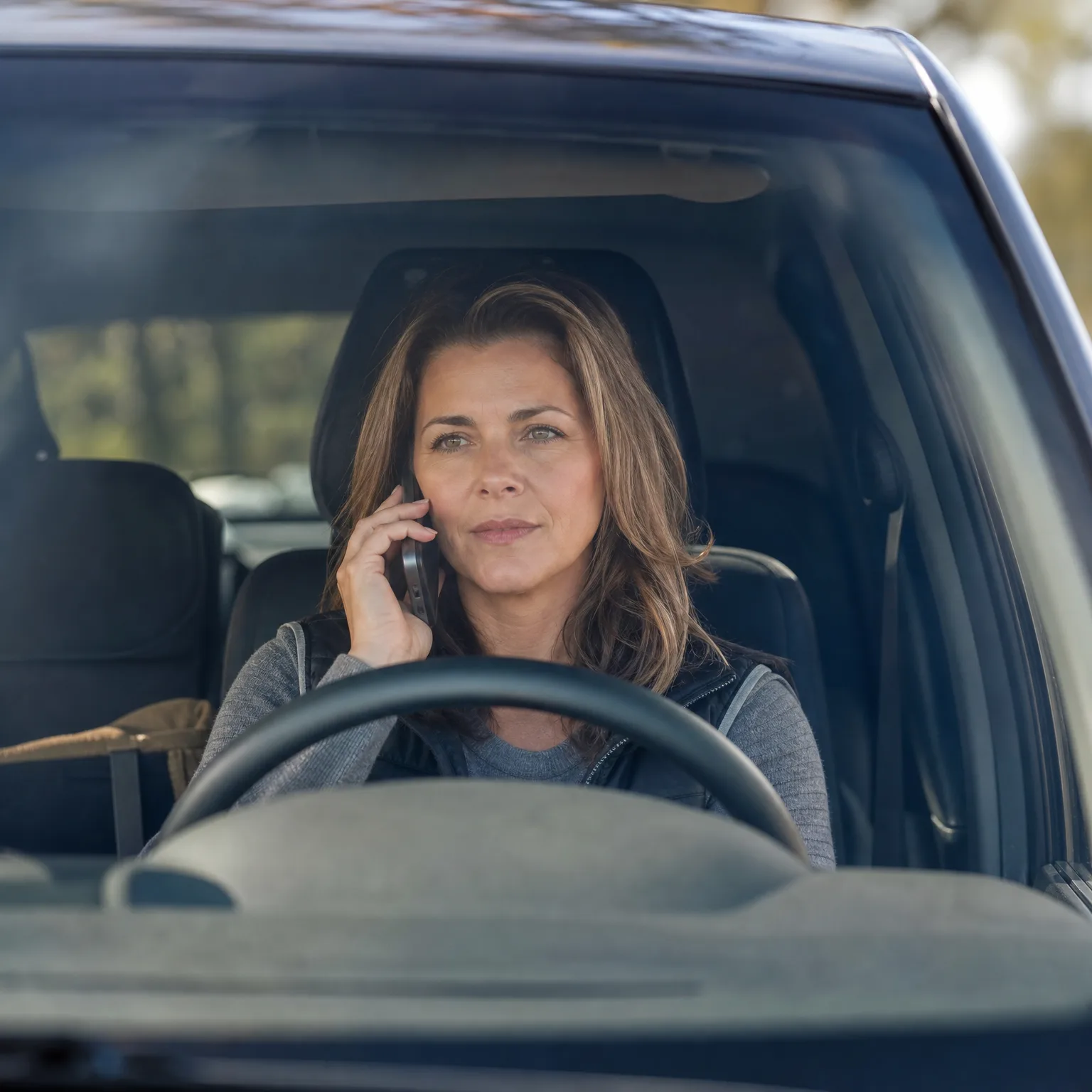
What happens if you violate Limited License terms on a non-owner policy
Violating your Limited License terms—driving outside permitted hours, routes, or purposes—automatically revokes the license and extends your underlying suspension. Utah courts treat Limited License violations seriously because the program is discretionary relief, not an entitlement. If you're caught driving outside your approved work route, your Limited License is revoked immediately and you'll face additional criminal charges for driving on a suspended license.
Your non-owner SR-22 policy itself remains valid unless you cancel it or let it lapse. The policy covers you when you drive within the terms of your Limited License. If you violate the license terms and cause an accident, your insurer will still cover third-party liability—that's what the policy is for—but you'll face criminal penalties, suspension extension, and likely a premium increase at renewal.
If you miss court-ordered DUI education classes or ignition interlock monitoring appointments, the court can revoke your Limited License without additional hearing. Most drivers don't realize that two consecutive missed classes trigger automatic revocation in Utah's court-supervised programs. The DLD updates your record immediately when the court issues the revocation order, and your SR-22 filing clock does not pause—you must maintain the policy continuously even if you lose Limited License eligibility.
Reinstatement after your reckless-driving suspension ends
Once your suspension period ends and you've completed all court-ordered requirements, you'll pay Utah's $30 base reinstatement fee to restore your full driving privileges. If ignition interlock was required, you must complete the IID program before the DLD will process reinstatement. If SR-22 filing was required, you must maintain the policy for the full 3-year filing period even after your license is reinstated.
The SR-22 filing period and the suspension period are separate timelines. Most Utah reckless-driving suspensions run 30 to 90 days, but the SR-22 filing requirement—if triggered—lasts 3 years from the date the DLD receives your initial SR-22 certificate. You cannot reinstate your license without SR-22 on file, and you cannot terminate SR-22 coverage until the 3-year period ends without restarting the clock.
If you acquire a vehicle after reinstatement but before your SR-22 period ends, convert your non-owner policy to an owner policy immediately. Notify your carrier the day you take title. Most carriers process the conversion within 24 hours and file an updated SR-22 with the DLD automatically. If you let the non-owner policy lapse while you own a vehicle, the DLD will suspend your license again for driving uninsured, and the SR-22 clock resets to zero.
Frequently Asked Questions
Can I get non-owner SR-22 in Utah if I've never owned a car?
Yes. Non-owner SR-22 is specifically designed for drivers who don't own a vehicle but need to satisfy SR-22 filing requirements. Carriers in Utah write these policies for suspended drivers regardless of vehicle ownership history. You'll need a valid driver's license number and proof of your Utah address to bind the policy.
Does Utah require ignition interlock for reckless driving if alcohol wasn't involved?
Ignition interlock is not automatically required for reckless driving in Utah unless the conviction involved alcohol or drugs, or the court ordered it as a probation condition. For DUI-related reckless driving, IID is mandatory. For non-alcohol reckless driving, the court has discretion but rarely orders it unless aggravating factors are present.
What happens if I move out of Utah during my SR-22 filing period?
Your Utah SR-22 filing requirement follows you to your new state if that state also requires SR-22. Most states honor out-of-state SR-22 filings, but you must notify your carrier of the address change immediately. Some carriers cannot write SR-22 in your new state, which forces you to switch carriers and file new SR-22 paperwork. Verify your carrier writes in your destination state before moving.
Can I cancel non-owner SR-22 once my license is reinstated?
No. You must maintain SR-22 filing for the entire period specified by the Utah DLD, typically 3 years, even after your license is reinstated. Canceling SR-22 coverage before the period ends triggers an automatic suspension and resets the filing clock to zero. Wait for the DLD to notify you in writing that your SR-22 obligation has ended.
Will my non-owner SR-22 cover me if I borrow a family member's car regularly?
Non-owner SR-22 covers you when you drive someone else's vehicle with permission, but if you use the same vehicle regularly (daily commuting, for example), insurers may refuse the claim on grounds that you should be listed on the owner's policy. Occasional use is covered; regular exclusive use is not. If you drive the same family car every day, add yourself to their policy as a named driver.
Does Utah's Limited License let me drive for rideshare or delivery gigs?
No. Utah courts typically restrict Limited License use to essential personal travel—work commutes, school, medical care, and court-ordered programs. Commercial driving, including rideshare and delivery services, is almost never approved because it expands liability exposure beyond what the court considers essential. Violating this restriction revokes your Limited License immediately.
Related Articles
Utah Non-Owner SR-22: Cost, Carriers, Filing Path
5/19/2026
Utah Non-Owner SR-22 vs Owner: Cost Comparison
5/19/2026
Utah Non-Owner SR-22 Cost by Cause | Carless Filing Guide
5/19/2026
Utah Non-Owner SR-22: DUI, Uninsured, Suspension Causes
5/19/2026
Utah Non-Owner SR-22 Filing Without a Vehicle
5/19/2026

Non-Owner SR-22 to Owner Conversion in Utah
5/19/2026