
Non-Owner SR-22 in North Dakota After an At-Fault Accident
Get My Non-Owner SR-22 QuoteWhy At-Fault Accidents in North Dakota Trigger Administrative Suspension Even When You're Not Convicted
North Dakota operates a dual-track suspension system under NDCC Chapter 39-16 and 39-20. An at-fault accident that results in injury, death, or property damage above $1,000 triggers an administrative suspension by the ND Department of Transportation Driver License Division—regardless of whether criminal charges follow. This administrative action is separate from any court-ordered suspension arising from DUI or reckless driving charges.
The state's electronic insurance verification system detects lapses or cancellations immediately after an accident. If you were uninsured at the time of the at-fault accident, or if your insurer cancels your policy post-accident citing material misrepresentation or non-cooperation during the claims investigation, NDDOT initiates suspension proceedings within 10-15 business days. You receive a suspension notice by certified mail. The notice specifies the suspension effective date, the reinstatement requirements, and whether SR-22 filing is mandated.
Most drivers in this situation no longer own the vehicle involved in the accident. Either the vehicle was totaled and not replaced, impounded and sold to cover towing and storage fees, or voluntarily sold during the suspension period to reduce insurance costs. The administrative suspension remains active until you satisfy three conditions: pay the $50 reinstatement fee, provide proof of current SR-22 financial responsibility insurance, and complete any mandated driver improvement course or chemical dependency evaluation if the accident involved alcohol.
What Non-Owner SR-22 Actually Covers After an At-Fault Accident Suspension
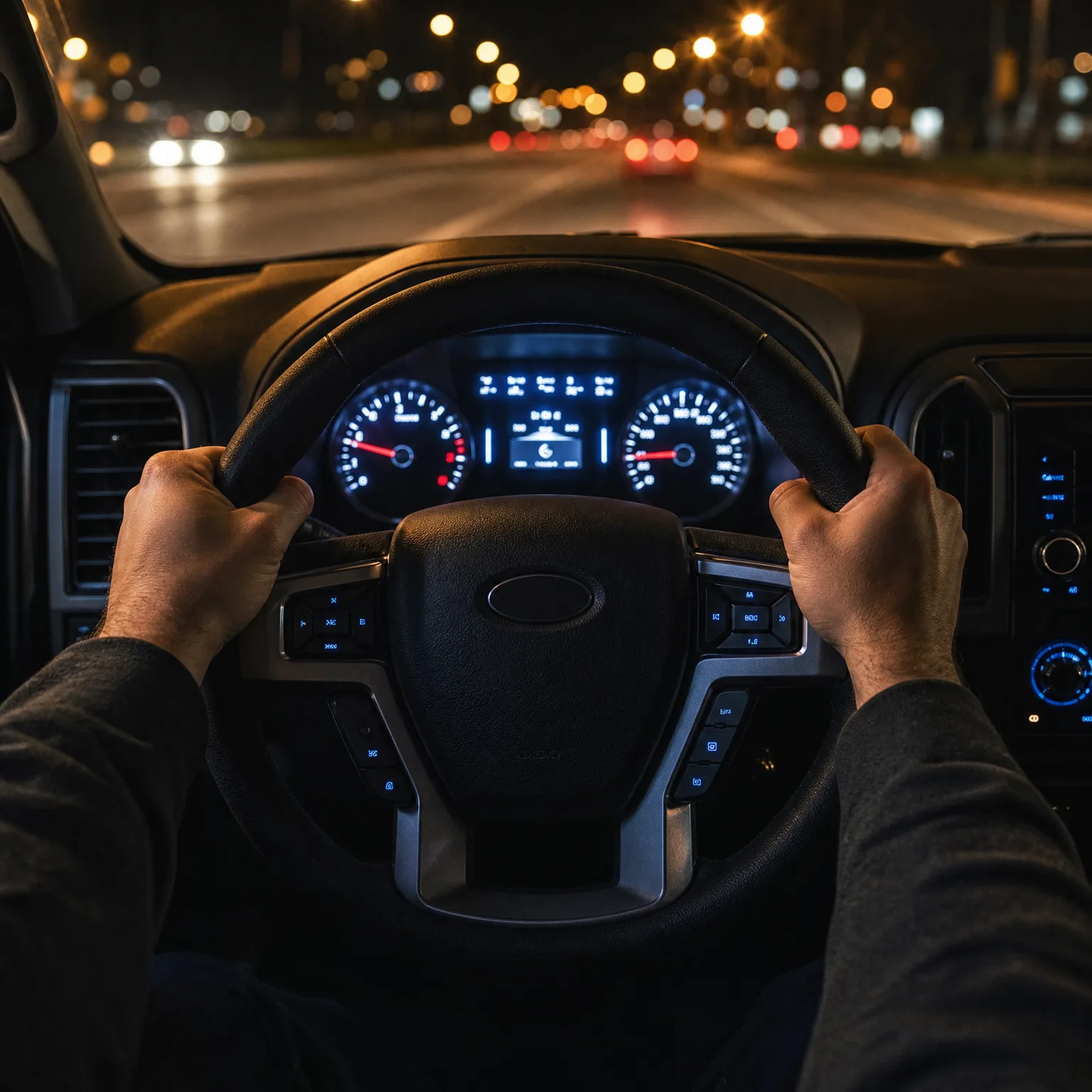
Non-owner SR-22 is liability-only coverage that attaches to you as a driver, not to a specific vehicle. It satisfies North Dakota's SR-22 filing requirement even when you do not currently own, lease, or register a car. The policy provides bodily injury and property damage liability coverage when you drive someone else's vehicle with permission—a borrowed car, a rental, or a family member's vehicle.
North Dakota's minimum liability limits are $25,000 per person for bodily injury, $50,000 per accident for bodily injury, and $25,000 for property damage (25/50/25). Non-owner policies typically meet these minimums exactly, though you can purchase higher limits if you regularly drive high-value borrowed vehicles. The policy also includes the state-required personal injury protection (PIP) coverage, since North Dakota is a no-fault state. PIP pays your own medical expenses up to the policy limit regardless of fault.
Non-owner SR-22 does NOT cover comprehensive or collision damage to any vehicle you drive. It does NOT cover vehicles you own, lease, or register in your name—even temporarily. If you acquire a vehicle during the SR-22 filing period, you must convert to a standard owner policy or stack coverage. The carrier will not file the required SR-22 certificate unless your policy is active and paid current. A lapse triggers automatic notification to NDDOT, which re-suspends your license within 48 hours and adds a new reinstatement fee.
How North Dakota's Temporary Restricted License (TRL) Interacts with Non-Owner SR-22 Filing
North Dakota's Temporary Restricted License program under NDCC § 39-06-36 allows eligible drivers to maintain employment, attend school, and access medical care during an administrative suspension. TRL eligibility after an at-fault accident suspension depends on several factors: whether the accident involved alcohol (which triggers ignition interlock requirements), whether you've completed any mandated driver evaluation or education, and whether you can demonstrate essential need.
The TRL application is submitted to the ND Department of Transportation Driver License Division, not a court. You must provide proof of employment or essential need, proof of SR-22 insurance, and pay the application fee (amount varies by case complexity; typically $30-$75 based on NDDOT processing records). If the accident involved alcohol or drugs, you must also provide proof of ignition interlock installation and enrollment in the state's 24/7 sobriety program as an alternative or complement to interlock monitoring.
Here is where non-owner SR-22 creates a procedural conflict most reinstatement advisors miss: ignition interlock devices can only be installed on vehicles you own or have exclusive control over. If you no longer own a vehicle, you cannot satisfy the interlock requirement through traditional installation. North Dakota law does not exempt non-vehicle owners from interlock compliance in alcohol-related at-fault accident cases. You have three options: lease or purchase a vehicle and install the device, borrow a family member's vehicle long-term and install the device with their written consent (which most insurers will not allow on non-owner policies), or delay TRL application until the hard suspension period expires and pursue full reinstatement without the restricted license pathway. The first option defeats the cost-saving purpose of non-owner SR-22. The second rarely succeeds. Most drivers in this situation wait out the suspension and file non-owner SR-22 solely to meet the post-suspension reinstatement requirement.

Cover Your Filing Before You Own a Car Again
Get My Non-Owner SR-22 QuoteWhich Carriers Write Non-Owner SR-22 in North Dakota and What It Costs
Four non-standard and standard-tier carriers actively write non-owner SR-22 policies in North Dakota: Progressive, GEICO, The General, and Bristol West. Progressive and GEICO offer online quote tools that generate binding non-owner SR-22 quotes within 10-15 minutes. The General and Bristol West require phone application but can issue same-day coverage with electronic SR-22 filing to NDDOT within 24 hours.
Monthly premiums for non-owner SR-22 in North Dakota after an at-fault accident suspension typically range from $45 to $85 per month, depending on your age, the severity of the accident, and whether additional violations appear on your driving record. This is 40-60% lower than owner SR-22 premiums for the same driver profile, because the carrier assumes no vehicle-related risk and writes no comprehensive or collision coverage. A 35-year-old driver with one at-fault accident and no DUI history pays approximately $55-$70/month. A driver with stacked violations (at-fault accident plus uninsured driving or reckless driving) pays $75-$95/month.
North Dakota requires SR-22 filing for three years following most at-fault accident suspensions that involve injury or substantial property damage. The total cost over the 3-year filing period for a typical non-owner SR-22 policy is approximately $1,980 to $3,060 in premiums, plus a one-time $25-$50 SR-22 filing fee charged by the carrier. Compare this to owner SR-22 premiums of $120-$190/month over the same period—a savings of $2,700 to $3,780 for a driver who does not need to insure a specific vehicle.

What Happens If You Acquire a Vehicle During the SR-22 Filing Period
Non-owner SR-22 policies do not cover vehicles registered in your name. If you purchase, lease, or are gifted a vehicle at any point during North Dakota's 3-year SR-22 filing period, you must convert to a standard owner policy within 30 days of registration. Failure to convert triggers a lapse in required coverage, which the carrier reports to NDDOT electronically within 10 days.
You have two options when acquiring a vehicle mid-filing: convert your existing non-owner policy to an owner policy with the same carrier (most carriers allow this conversion without underwriting review, though premiums increase substantially), or purchase a new owner SR-22 policy from a different carrier and cancel the non-owner policy. The new carrier files Form SR-22 electronically with NDDOT, replacing the prior filing. NDDOT requires continuous SR-22 coverage with no gaps—if the old policy cancels before the new policy activates, your license re-suspends automatically.
Premiums for owner SR-22 policies in North Dakota after an at-fault accident suspension range from $110 to $180 per month for liability-only coverage (no comprehensive or collision). If you finance the vehicle, the lender requires full coverage, which pushes premiums to $200-$320/month depending on the vehicle's value and your deductible selections. The premium increase from non-owner to owner SR-22 is approximately $65-$110 per month for the same driver profile. Carriers do not prorate the non-owner policy refund favorably—most apply short-rate cancellation penalties of 10-15%, meaning you forfeit a portion of any unearned premium when converting mid-term.
How the SR-22 Filing Gets Reported to NDDOT and What Triggers Re-Suspension
When you purchase a non-owner SR-22 policy in North Dakota, the carrier files Form SR-22 electronically with the ND Department of Transportation Driver License Division within 24-72 hours of policy activation. The SR-22 certificate confirms that you maintain continuous liability coverage meeting or exceeding the state's minimum limits (25/50/25 plus PIP). NDDOT's system updates your license status once the filing posts, which typically occurs 3-5 business days after the carrier submits the electronic form.
SR-22 filing alone does not reinstate your license. You must also pay the $50 base reinstatement fee, complete any mandated driver improvement course or chemical dependency evaluation, and provide proof of eligibility for reinstatement (no outstanding court fines, no other active suspensions, no pending criminal charges related to the accident). Once all conditions are satisfied, NDDOT issues reinstatement approval by mail. The approval letter specifies your new license effective date and any ongoing restrictions (such as ignition interlock compliance for alcohol-related cases).
Any lapse in SR-22 coverage during the 3-year filing period triggers automatic re-suspension within 48 hours. Carriers report policy cancellations, non-renewals, and non-payment lapses to NDDOT electronically the same day the lapse occurs. You receive a suspension notice by mail, but the suspension is effective immediately upon NDDOT's receipt of the lapse notification. Re-reinstatement requires a new $50 fee, proof of current SR-22 coverage, and payment of any past-due premiums owed to the prior carrier. Most carriers will not issue a new SR-22 policy if you owe money to a previous carrier for the same filing period—they verify prior SR-22 payment history through insurance industry databases before binding coverage.
Frequently Asked Questions
Can I get a Temporary Restricted License in North Dakota without owning a vehicle?
Yes, but only if the underlying suspension cause does not require ignition interlock. North Dakota's TRL program allows non-vehicle owners to apply for work-route restricted driving privileges after at-fault accident suspensions, but if alcohol was involved in the accident, you must install an ignition interlock device—which requires owning or having exclusive control over a specific vehicle. Most non-vehicle owners in alcohol-related cases wait out the suspension and pursue full reinstatement instead.
How long does North Dakota require SR-22 filing after an at-fault accident suspension?
North Dakota requires SR-22 filing for three years following most at-fault accident suspensions that involve injury, death, or property damage above the state's threshold. The 3-year period begins on the date your license is reinstated, not the date of the accident or the suspension effective date. Any lapse during the 3-year period restarts the clock from the date you re-establish continuous coverage.
What happens if I move out of North Dakota during the SR-22 filing period?
Your SR-22 filing requirement follows you to your new state of residence. You must notify your carrier of the address change, and the carrier will file Form SR-22 with your new state's DMV or equivalent agency. If the new state does not recognize North Dakota's SR-22 filing (rare but possible in states with FR-44 requirements), you must purchase a new policy that satisfies the new state's financial responsibility rules and notify North Dakota NDDOT that you have established equivalent coverage in the new state.
Does non-owner SR-22 cover rental cars in North Dakota?
Yes. Non-owner SR-22 policies provide liability coverage when you drive rental vehicles, as long as you rent the vehicle in your own name and the rental is for personal use. The policy does not cover damage to the rental vehicle itself—you must purchase the rental company's collision damage waiver if you want that protection. Most rental companies accept non-owner SR-22 proof of insurance as satisfying their liability coverage requirement.
Can I cancel my non-owner SR-22 policy after North Dakota reinstates my license?
No. North Dakota requires continuous SR-22 filing for the full 3-year period, even after your license is reinstated. If you cancel the policy before the 3-year period expires, the carrier reports the cancellation to NDDOT electronically, and your license re-suspends automatically within 48 hours. The 3-year clock does not pause or reset—it runs continuously from your original reinstatement date as long as coverage remains active.
What if I can't afford the non-owner SR-22 premiums during the filing period?
Missing a premium payment triggers a lapse, which the carrier reports to NDDOT the same day. Your license re-suspends immediately, and you must pay a new $50 reinstatement fee plus any past-due premiums before you can re-establish SR-22 coverage. Some carriers offer payment plans that break the monthly premium into bi-weekly installments, which reduces the per-payment amount but adds installment fees. If you genuinely cannot afford coverage, North Dakota law does not provide a hardship exemption—the SR-22 requirement remains in effect regardless of financial hardship.
Related Articles
Non-Owner SR-22 Cost in North Dakota: Carless Filers
5/19/2026
North Dakota Non-Owner SR-22: Cost, Carriers, Filing
5/19/2026
Non-Owner SR-22 Costs in North Dakota by Cause
5/19/2026
ND Non-Owner to Owner SR-22 Conversion After Buying Car
5/19/2026

ND Non-Owner SR-22 Cost by Cause: DUI vs Lapse Rates
5/19/2026
Non-Owner SR-22 After At-Fault Accident Suspension
5/19/2026