Non-Owner SR-22 in NC After Multiple-Violation Suspension
Get My Non-Owner SR-22 QuoteWhy Non-Owner SR-22 Exists for Suspended Drivers Without a Vehicle
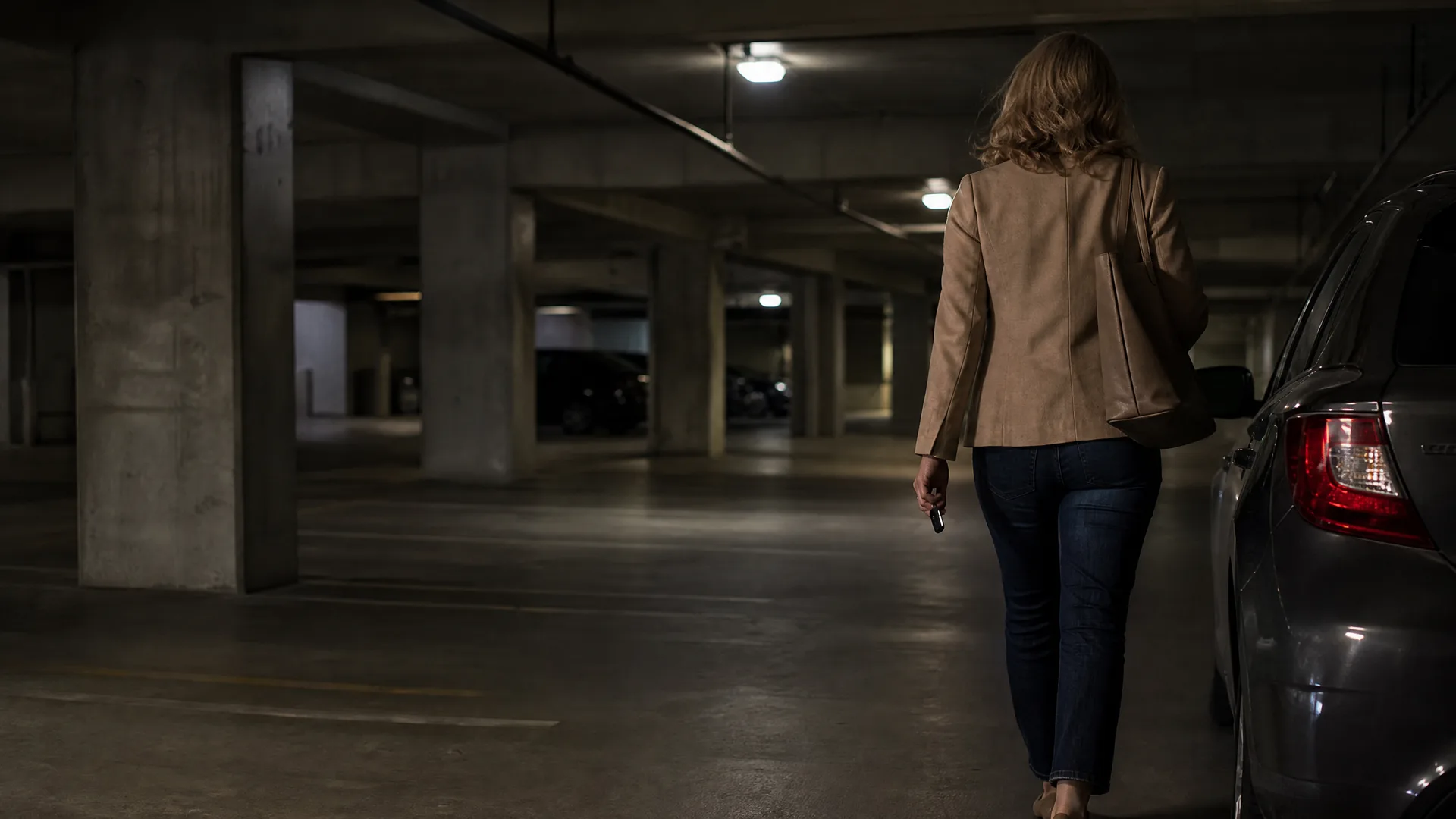
North Carolina revokes your license when you accumulate multiple violations within a rolling three-year period. The revocation notice arrives from the NC Division of Motor Vehicles, your plates are surrendered, and reinstatement requires proof of financial responsibility via SR-22 filing. If you sold your vehicle during the suspension, never owned one, or had your car impounded after the underlying offenses, you cannot attach SR-22 to a vehicle policy because no vehicle exists.
Non-owner SR-22 insurance solves this. It provides state-minimum liability coverage when you drive someone else's vehicle with permission and satisfies the NCDMV's SR-22 filing requirement without requiring you to own or insure a specific car. The carrier files Form SR-22 electronically with the NCDMV on your behalf, the same form an owner policy would generate.
Premiums for non-owner SR-22 run $50 to $90 per month in North Carolina for drivers with multiple violations, roughly 40 to 60 percent lower than owner SR-22 policies because there is no comprehensive or collision coverage and no specific vehicle to rate. You pay the liability premium plus a one-time SR-22 filing fee of $15 to $25 depending on the carrier.
How NC's Limited Driving Privilege Interacts with Non-Owner SR-22
North Carolina calls its restricted license a Limited Driving Privilege, issued by a superior or district court judge rather than the NCDMV. To petition for an LDP after a multiple-violation revocation, you must demonstrate proof of liability insurance or SR-22 filing as part of your court application package. The court does not care whether you own a vehicle. It cares that you have active financial responsibility coverage meeting state minimums of $30,000 bodily injury per person, $60,000 per accident, and $25,000 property damage.
Non-owner SR-22 meets this threshold. When you purchase a non-owner policy, the carrier files Form SR-22 with the NCDMV within 24 to 48 hours. That filing appears in the NCDMV's electronic insurance verification system immediately. You can then include the SR-22 certificate and proof of active coverage in your LDP petition documents. The court will accept non-owner SR-22 documentation the same way it accepts owner-policy SR-22 proof.
One complication: if your violations include DWI, North Carolina imposes a mandatory 45-day hard suspension before you are eligible to petition for an LDP under N.C.G.S. § 20-179.3. You cannot obtain an LDP during those 45 days, but you can and should secure non-owner SR-22 coverage before the end of that period so your filing is active when you submit your petition. Letting the petition wait while you shop for insurance adds weeks to your total reinstatement timeline.

What Non-Owner SR-22 Covers and What It Does Not
Non-owner SR-22 provides liability-only coverage when you drive a vehicle you do not own. If you borrow a friend's car, rent a vehicle, or occasionally drive a family member's car with permission, the policy covers your legal liability for bodily injury and property damage up to North Carolina's minimum limits. The policy does not cover damage to the vehicle you are driving. That falls under the owner's collision and comprehensive coverage or remains your out-of-pocket responsibility.
Non-owner SR-22 does not cover you when driving a vehicle you own, lease, or have regular access to. If you buy a car, inherit one, or are listed as a regular driver on a household vehicle during your filing period, you must convert to a standard owner SR-22 policy or stack coverage. Driving your own vehicle under a non-owner policy voids coverage, and the carrier will cancel your SR-22 filing when the discrepancy is discovered. The NCDMV receives immediate notification of SR-22 cancellations and will re-suspend your license or revoke your LDP.
If you acquire a vehicle mid-filing, contact your carrier the same day. Most non-standard carriers writing non-owner SR-22 in North Carolina also write owner policies and can convert your coverage without interrupting your SR-22 filing. You will pay higher premiums on the owner policy because collision and comprehensive are now in play, but your filing continuity remains intact.
Which Carriers Write Non-Owner SR-22 in North Carolina
Not all carriers licensed in North Carolina write non-owner policies, and fewer still write non-owner SR-22 for drivers with multiple violations. Progressive, Geico, and The General are the three largest carriers confirmed to write non-owner SR-22 in North Carolina with online quote tools. Dairyland, National General, and Direct Auto also write non-owner SR-22 but may require a phone quote depending on your violation profile.
State Farm writes SR-22 in North Carolina but does not consistently offer non-owner policies for high-risk drivers. Allstate, Nationwide, and Farmers do not write non-owner SR-22 for drivers with suspension histories in most cases. If you call a captive agent for one of these carriers, they will refer you to a non-standard market carrier or decline the risk outright.
When comparing quotes, verify the carrier will file SR-22 electronically with the NCDMV and provide you a copy of the filed certificate within 48 hours. Some carriers delay filing until the first payment clears, which can push your LDP petition timeline back by a week. Ask explicitly when the SR-22 will be transmitted to the state before binding coverage.

Cover Your Filing Before You Own a Car Again
Get My Non-Owner SR-22 Quote
Cost Breakdown for Non-Owner SR-22 Over the Filing Period
North Carolina does not mandate a specific SR-22 filing duration for multiple-violation suspensions. The NCDMV assigns filing periods based on the severity and combination of underlying violations, typically three years for accumulation-based revocations. Your revocation notice from the NCDMV will state your required filing period. If the notice does not specify, call the NCDMV Driver License Section at 919-715-7000 and request clarification before purchasing a policy.
Assuming a three-year filing period and a $70 per month non-owner SR-22 premium, total cost over the filing term is approximately $2,520 in premium payments plus a one-time SR-22 filing fee of $15 to $25. If you miss a payment and your policy lapses, the carrier notifies the NCDMV within 24 hours and your license is re-suspended. Reinstatement after a lapse requires paying North Carolina's $50 civil penalty for failure to maintain financial responsibility under NCGS § 20-311, a new $65 license restoration fee, and re-filing SR-22 with a new carrier or the same carrier after reinstatement.
Avoid lapses by setting up autopay and maintaining a buffer in your payment account. A single missed payment can cost you $115 in state fees plus weeks of renewed suspension while you clear the administrative hold. Carriers do not offer grace periods for high-risk SR-22 policies.
What Happens If You Move Out of State During Your Filing Period
If you relocate to another state while your North Carolina SR-22 filing is still active, your filing obligation follows you. North Carolina will not release your license or cancel your SR-22 requirement until the full filing period has elapsed, even if you establish residency elsewhere. You must maintain continuous SR-22 coverage with a carrier licensed in your new state of residence and notify the NCDMV of your address change.
Some states do not require SR-22 for the same violations that triggered your North Carolina suspension. That does not cancel your North Carolina filing requirement. You are still subject to North Carolina's revocation terms until the NCDMV releases you. If you let your SR-22 lapse after moving, North Carolina will flag your driving record, and you will face reinstatement complications if you ever attempt to convert a North Carolina license or transfer your driving history to a new state.
Non-owner SR-22 policies are portable. Most carriers writing non-owner SR-22 are licensed in multiple states and can transfer your policy to your new state of residence without interrupting your filing. Contact your carrier before you move and confirm they are licensed in your destination state. If they are not, you will need to bind a new non-owner SR-22 policy with a different carrier and ensure there is no gap in coverage during the transition.
Filing SR-22 When Your Violations Include DWI
If your multiple-violation revocation includes a DWI conviction, North Carolina imposes additional requirements beyond SR-22 filing. You must complete a substance abuse assessment through an NC ADET-approved provider and comply with any recommended treatment before the NCDMV will reinstate your license. You must also install an ignition interlock device in any vehicle you operate if your BAC was 0.15 or higher or if you have a prior DWI conviction, per N.C.G.S. § 20-17.8.
Non-owner SR-22 does not exempt you from ignition interlock requirements. If your LDP is granted and you drive a borrowed vehicle, that vehicle must have an interlock installed or you are in violation of your LDP terms. Most interlock providers in North Carolina charge $70 to $100 per month for device rental, installation, and monthly calibration. This cost stacks on top of your non-owner SR-22 premium.
If you do not own a vehicle and do not have regular access to one, some judges will waive the interlock requirement and restrict your LDP to employer-provided vehicles or public transportation. This is discretionary. Do not assume the waiver will be granted. If you petition for an LDP without addressing interlock installation in your application, the judge may deny the petition outright.
Frequently Asked Questions
Can I get a Limited Driving Privilege in North Carolina without owning a car?
Yes. North Carolina courts issue Limited Driving Privileges to drivers who demonstrate proof of liability insurance or SR-22 filing, regardless of vehicle ownership. Non-owner SR-22 satisfies the financial responsibility requirement. Your LDP petition must include the SR-22 certificate and proof of active coverage, which your non-owner carrier provides within 48 hours of binding the policy.
How long does North Carolina require SR-22 filing after a multiple-violation suspension?
Filing duration varies by the severity and combination of violations, typically three years for accumulation-based revocations. Your revocation notice from the NCDMV states your required filing period. If the notice does not specify, call the NCDMV Driver License Section at 919-715-7000 before purchasing a policy.
What happens if my non-owner SR-22 policy lapses in North Carolina?
Your carrier notifies the NCDMV within 24 hours of the lapse, and your license is immediately re-suspended. Reinstatement requires paying a $50 civil penalty under NCGS § 20-311, a $65 license restoration fee, and securing new SR-22 coverage. Avoid lapses by setting up autopay and maintaining a payment buffer.
Does non-owner SR-22 cover me when I rent a car in North Carolina?
Yes, as long as you do not own the rental vehicle. Non-owner SR-22 provides state-minimum liability coverage when you drive a vehicle you do not own, including rentals. The policy does not cover damage to the rental car itself. Purchase the rental company's collision damage waiver if you want protection for the vehicle.
Can I switch from non-owner SR-22 to owner SR-22 without losing my filing continuity?
Yes, if you notify your carrier immediately when you acquire a vehicle. Most non-standard carriers writing non-owner SR-22 in North Carolina also write owner policies and can convert your coverage the same day. The SR-22 filing transfers without interruption, but your premium increases because the policy now covers a specific vehicle with comprehensive and collision.
Do I need ignition interlock on a borrowed car if I only have a non-owner SR-22 policy?
If your Limited Driving Privilege requires ignition interlock due to a DWI conviction with BAC of 0.15 or higher, the vehicle you drive must have an interlock installed even if you do not own it. Some judges waive this requirement for non-owners without regular vehicle access, but the waiver is discretionary. Address interlock installation in your LDP petition to avoid denial.
Related Articles
NC Non-Owner SR-22: Filing Without a Vehicle Guide
5/19/2026

NC Non-Owner SR-22 for Uninsured-Driving Suspension
5/19/2026

NC Non-Owner SR-22 for License Suspension Guide
5/19/2026
NC Non-Owner SR-22 vs Owner SR-22: Cost Differences
5/19/2026

NC Non-Owner SR-22 Premium Range: What Carless Filers Pay
5/19/2026

NC Non-Owner SR-22 vs Owner: When Non-Owner Fits
5/19/2026