
Non-Owner SR-22 in Montana After Reckless Driving
Get My Non-Owner SR-22 QuoteDoes Montana require SR-22 filing after a reckless-driving suspension?
Yes. Montana Code Annotated § 61-5-208 requires proof of financial responsibility for probationary license approval, and reckless driving is one of the qualifying triggers. The Motor Vehicle Division won't reinstate your driving privilege until your carrier files Form SR-22 with the state.
Most drivers assume SR-22 filing means they need to own a vehicle. That's incorrect. Non-owner SR-22 policies provide the liability coverage Montana requires and satisfy the filing mandate without attaching coverage to a specific vehicle. If your car was impounded after the reckless-driving charge, if you sold it during the suspension to cut costs, or if you never owned one to begin with, non-owner SR-22 is the filing pathway.
Montana requires SR-22 filing for three years following reckless-driving reinstatement. The filing clock starts the day your carrier submits the form to the MVD, not the day of your conviction or arrest. Missing a payment or letting the policy lapse triggers immediate license re-suspension and restarts the three-year filing period from scratch.

How does non-owner SR-22 work when you don't have a car?
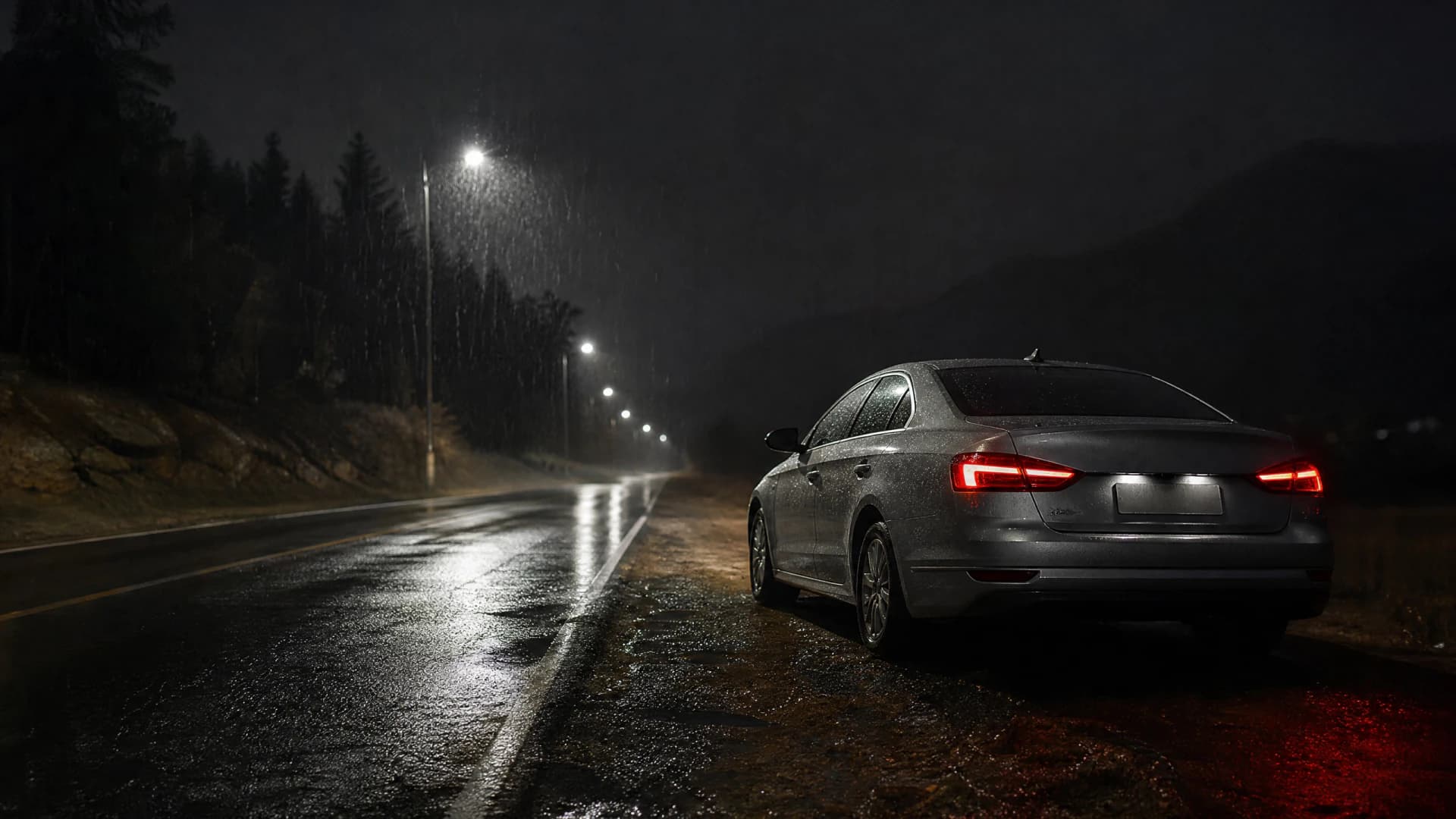
Non-owner SR-22 provides liability coverage when you drive someone else's vehicle with permission. It covers bodily injury and property damage you cause while driving a borrowed car, a rental, or a friend's vehicle. Montana's minimum liability requirement is $25,000 per person, $50,000 per accident for bodily injury, and $20,000 for property damage. Non-owner policies meet or exceed these minimums.
The carrier files Form SR-22 directly with the Montana MVD on your behalf. Once filed, the MVD updates your driving record to reflect active financial responsibility. That filing satisfies the court's SR-22 requirement for probationary license eligibility. You don't need to own a vehicle, register a vehicle, or show a vehicle title to complete the filing.
Non-owner SR-22 does not cover any vehicle you own, lease, or regularly use. If you acquire a car during the three-year filing period, you must convert to a standard owner SR-22 policy or stack coverage. Driving an owned vehicle under a non-owner policy voids the coverage and triggers a lapse notification to the MVD, which re-suspends your license immediately.

What does non-owner SR-22 cost in Montana after reckless driving?
Non-owner SR-22 premiums in Montana typically range from $40 to $85 per month for drivers with a reckless-driving suspension. Owner SR-22 policies for the same driver cost $110 to $190 per month because they include comprehensive and collision coverage on a specific vehicle. Non-owner coverage eliminates those components, reducing the premium by 30 to 60 percent.
The SR-22 filing fee itself is separate from the premium. Montana charges carriers $15 to $25 to file Form SR-22 with the MVD. Most carriers pass that fee through to the policyholder as a one-time charge at policy inception. Some spread it across the first few months of billing.
Over the three-year filing period, total cost for non-owner SR-22 typically runs $1,440 to $3,060, depending on your age, county, and whether you have additional violations on your record. That's roughly half the cost of maintaining owner SR-22 on a vehicle you don't drive. Estimates based on available industry data; individual rates vary by driving history, age, coverage selections, and location.
How do you get a probationary license in Montana after reckless driving?
Montana's probationary license is granted by district court petition, not by the MVD. You file the petition in the district court for the county where the reckless-driving charge was adjudicated. The court requires proof of need, typically an employer affidavit documenting work location and hours, medical appointment schedules, or school enrollment verification.
You must also submit an SR-22 certificate showing active liability coverage. The court won't approve the petition without it. If you don't own a vehicle, request the SR-22 certificate from a non-owner policy and attach it to your petition. The court accepts non-owner SR-22 filings for probationary license approval as long as the liability limits meet or exceed Montana's statutory minimums.
Probationary licenses in Montana carry court-defined route and time restrictions. Because Montana's geography often requires long-distance travel for work or medical care, courts typically interpret necessary travel more broadly than urban states. Driving 50 or 75 miles one-way for employment is common in rural Montana counties, and judges factor that into route conditions. Once approved, the probationary license remains valid as long as you maintain SR-22 filing and comply with the court's restrictions. Violating the route or time conditions triggers immediate revocation.

Cover Your Filing Before You Own a Car Again
Get My Non-Owner SR-22 Quote
Which carriers write non-owner SR-22 in Montana?
Geico, Progressive, The General, and Bristol West write non-owner SR-22 policies in Montana and file electronically with the MVD. These carriers specialize in high-risk placements and process SR-22 filings within 24 to 48 hours of policy binding.
State Farm writes SR-22 filings in Montana but does not consistently offer non-owner policies to drivers with recent reckless-driving convictions. USAA writes non-owner SR-22 but restricts eligibility to active-duty military, veterans, and their families. National General writes non-owner SR-22 through independent agents but does not offer direct online quoting for Montana non-owner policies.
Carrier availability varies by county. Drivers in Yellowstone, Missoula, and Flathead counties typically have access to all four major non-owner SR-22 writers. Drivers in smaller rural counties may find fewer options and should request quotes from independent agents who work with multiple carriers.

What happens if you buy a car during the SR-22 filing period?
You must notify your carrier the day you acquire the vehicle. Non-owner SR-22 does not cover owned vehicles, and driving an owned car under a non-owner policy constitutes insurance fraud in Montana. The carrier will cancel the non-owner policy and file an SR-26 lapse notification with the MVD, which triggers automatic license re-suspension.
To avoid re-suspension, convert the non-owner policy to a standard owner SR-22 policy before taking possession of the vehicle. Most carriers allow same-day conversion if you provide the VIN, purchase date, and proof of ownership. The SR-22 filing transfers to the new policy without interruption, and the three-year filing clock continues uninterrupted.
If you already own a vehicle but prefer to maintain non-owner coverage for occasional driving, you must carry a separate owner policy on the vehicle you own and maintain the non-owner policy for borrowed-vehicle use. That's stacking coverage, and it's expensive. For most drivers, converting to owner SR-22 once they acquire a vehicle is the cleaner path.
How long does Montana require SR-22 filing after reckless driving?
Montana requires SR-22 filing for three years following license reinstatement after a reckless-driving suspension. The clock starts the day the carrier files Form SR-22 with the MVD, not the conviction date or the suspension start date. If you delay obtaining SR-22 coverage for six months after your suspension begins, you still owe three full years of filing from the date coverage starts.
The filing period cannot be shortened. Some states allow early termination of SR-22 requirements if the driver maintains a clean record, but Montana does not. You owe the full three years regardless of your driving behavior during the filing period.
If your policy lapses for any reason during the three-year period, the carrier files an SR-26 cancellation notice with the MVD. The MVD re-suspends your license immediately, and the three-year filing clock resets from the date you reinstate coverage. A single missed payment can extend your total filing obligation by years.
Frequently Asked Questions
Can I get non-owner SR-22 if I lost my license for reckless driving in Montana?
Yes. Non-owner SR-22 satisfies Montana's financial responsibility requirement for probationary license approval after reckless driving, even if you don't own a vehicle. The carrier files Form SR-22 with the MVD on your behalf, and the filing covers you when driving someone else's vehicle with permission.
How much does non-owner SR-22 cost in Montana?
Non-owner SR-22 premiums in Montana typically range from $40 to $85 per month for drivers with a reckless-driving suspension. Over the three-year filing period, total cost runs approximately $1,440 to $3,060, which is roughly half the cost of owner SR-22 coverage on a vehicle you don't drive.
Do I need to own a car to file SR-22 in Montana?
No. Non-owner SR-22 policies provide the liability coverage Montana requires and satisfy the filing mandate without attaching coverage to a specific vehicle. If you don't own a car, non-owner SR-22 is the correct filing pathway.
How long does Montana require SR-22 filing after reckless driving?
Montana requires SR-22 filing for three years following license reinstatement after a reckless-driving suspension. The clock starts the day your carrier files Form SR-22 with the MVD, not the conviction date. If your policy lapses during the three-year period, the filing clock resets from the date you reinstate coverage.
What happens if I buy a car during my SR-22 filing period in Montana?
You must convert your non-owner SR-22 policy to a standard owner SR-22 policy before taking possession of the vehicle. Non-owner policies do not cover owned vehicles, and driving an owned car under a non-owner policy triggers a lapse notification to the MVD, which re-suspends your license immediately.
Which insurance companies sell non-owner SR-22 in Montana?
Geico, Progressive, The General, and Bristol West write non-owner SR-22 policies in Montana and file electronically with the MVD. Carrier availability varies by county, with more options in Yellowstone, Missoula, and Flathead counties than in smaller rural markets.
Related Articles

Montana Non-Owner SR-22: Cost, Carriers & Filing Guide
5/19/2026
Montana Non-Owner SR-22: Carriers and Filing Speed
5/19/2026
Montana Non-Owner SR-22 by Cause: DUI vs Uninsured
5/19/2026

Montana Non-Owner SR-22 vs Owner: When Non-Owner Saves
5/19/2026

Montana Non-Owner SR-22 Cost by Cause | DUI vs Lapse
5/19/2026
Non-Owner to Owner SR-22 Montana After Buying a Car
5/19/2026