
Non-Owner SR-22 in Massachusetts After Uninsured-Driving Suspension
Get My Non-Owner SR-22 QuoteWhy the RMV Suspended Your License for Driving Uninsured
Massachusetts law (MGL c. 90 §34J) requires continuous auto insurance on all registered vehicles and licensed drivers. When the RMV receives an electronic lapse notice from your insurer—or when you're caught driving without proof of coverage—registration cancellation and license suspension follow within 20 days of the notice period. The RMV doesn't wait for you to fix it. The suspension triggers immediately.
The reinstatement fee for an uninsured-driving suspension is $100, but you cannot pay it until you've proven future financial responsibility to the RMV. That proof comes in the form of a Certificate of Insurance filed by a Massachusetts-licensed carrier. This is where terminology confusion starts: most states call this an SR-22 filing, but Massachusetts uses its own form and process.
If you no longer own a vehicle—because it was impounded, sold during the suspension period, or you never owned one—you still need to satisfy the financial responsibility requirement. Non-owner SR-22 coverage is the product that does this without requiring you to list a specific vehicle.
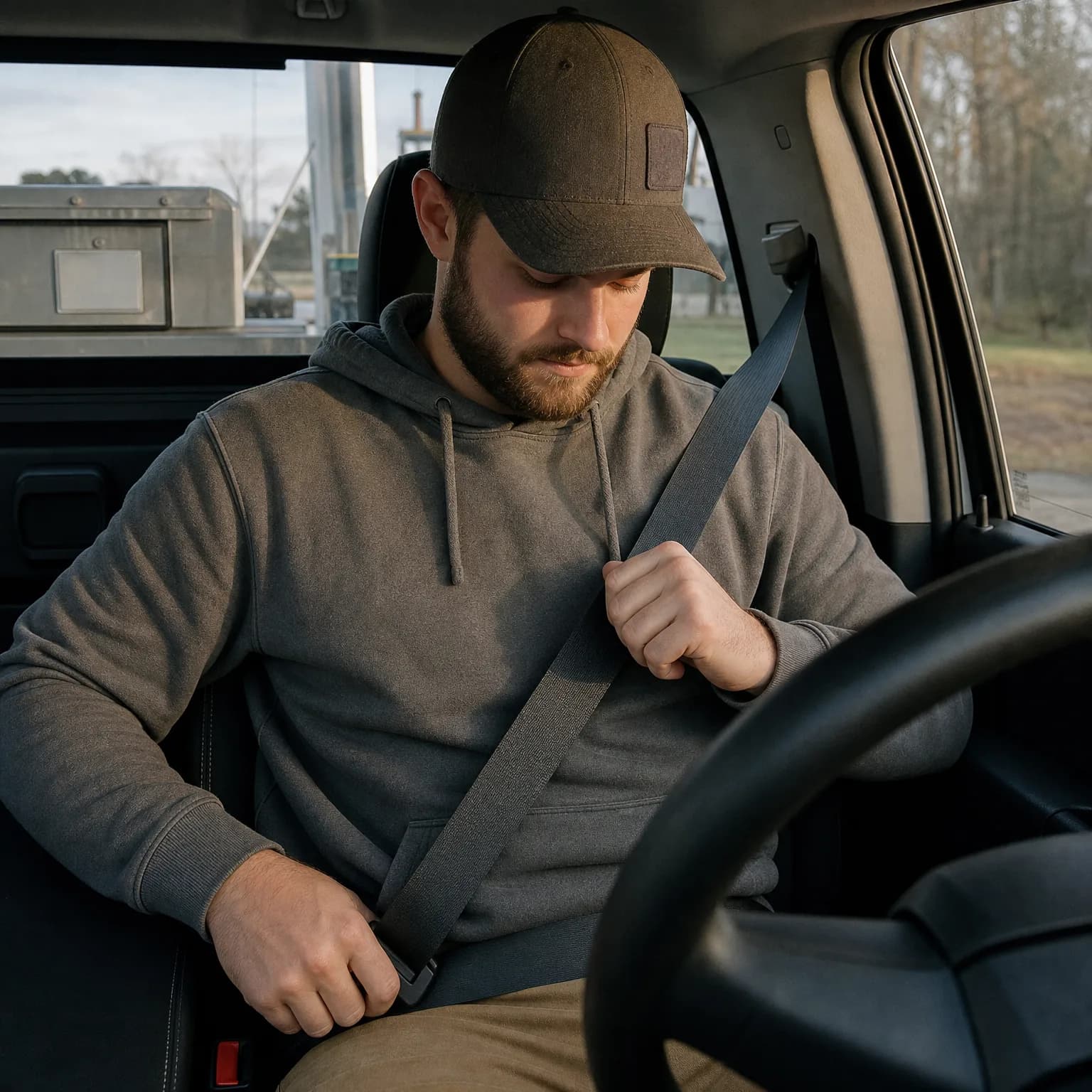
What Non-Owner SR-22 Coverage Actually Does in Massachusetts
Non-owner SR-22 is a liability-only auto insurance policy designed for drivers who don't own a vehicle. It provides coverage when you drive someone else's car with permission—rental cars, borrowed vehicles, employer vehicles. The policy meets Massachusetts minimum liability requirements: $20,000 per person for bodily injury, $40,000 per accident for bodily injury, and $5,000 for property damage. It also includes mandatory PIP (Personal Injury Protection) and uninsured motorist coverage, as Massachusetts is a no-fault state.
The carrier files a Certificate of Insurance with the RMV on your behalf. This satisfies the financial responsibility requirement tied to your uninsured-driving suspension. The RMV receives electronic confirmation that you now carry continuous coverage. Once the certificate is on file and you've paid the $100 reinstatement fee, your license eligibility is restored.
Non-owner SR-22 does NOT cover any vehicle you own. If you buy or are gifted a car during the policy period, you must immediately convert to a standard owner policy or stack coverage. Driving a vehicle you own under a non-owner policy leaves you completely uninsured for that vehicle, and the RMV will treat it as another lapse.


Why Massachusetts Certificate of Insurance Filings Cause Carrier Confusion
Most states use a standardized SR-22 form filed with the state DMV or Department of Insurance. Massachusetts uses its own Certificate of Insurance process, filed directly with the RMV through an electronic insurance verification system (EIVS). Out-of-state carriers and national non-standard carriers sometimes misfile because they attempt to submit an SR-22 form that Massachusetts doesn't accept.
The result: you think you're covered, the carrier thinks the filing went through, but the RMV has no record of it. Your reinstatement application gets denied. You lose weeks resubmitting paperwork. When shopping for non-owner SR-22 in Massachusetts, confirm the carrier is licensed in Massachusetts and explicitly familiar with the state's Certificate of Insurance filing process. Massachusetts-specific carriers know the RMV's system; national carriers sometimes route through third-party administrators who get the filing wrong.
Geico, Progressive, Bristol West, and National General all write non-owner policies in Massachusetts and file correctly with the RMV. USAA writes non-owner coverage for eligible members. State Farm writes SR-22 but typically requires an existing customer relationship for non-owner policies. Verify the carrier's Massachusetts license status and ask whether they've filed non-owner Certificates of Insurance with the RMV before—don't assume national SR-22 experience translates to Massachusetts compliance.
How Much Non-Owner SR-22 Costs in Massachusetts and What Drives the Price
Non-owner SR-22 premiums in Massachusetts typically range from $40 to $90 per month, depending on your driving record, age, and the carrier's risk assessment. This is 30-50% lower than owner SR-22 premiums because there's no vehicle to insure for comprehensive or collision coverage. You're paying only for liability, PIP, and uninsured motorist coverage when you drive someone else's car.
The uninsured-driving suspension itself adds a surcharge under Massachusetts SDIP (Safe Driver Insurance Plan). Driving uninsured is a surchargeable event that remains on your insurance record for six years. Carriers price this risk differently: some apply a flat surcharge, others tier you into non-standard underwriting, which raises base rates. Younger drivers under 25 and drivers with multiple violations typically see rates at the higher end of the range.
There is no separate SR-22 filing fee in Massachusetts—the Certificate of Insurance is filed as part of the policy issuance process. The $100 reinstatement fee goes to the RMV, not the carrier. Total first-month cost is approximately $140-$190 when you combine premium and reinstatement fee. After that, you pay only the monthly premium for as long as you maintain the policy.

Cover Your Filing Before You Own a Car Again
Get My Non-Owner SR-22 Quote
How Long You Need to Maintain Non-Owner SR-22 Coverage
Massachusetts does not impose a fixed SR-22 filing duration for uninsured-driving suspensions the way some states do. Instead, the RMV requires continuous proof of insurance from the date of reinstatement forward. If the carrier cancels your policy or if you let it lapse, the carrier files an electronic notice with the RMV, and your license is re-suspended immediately.
Most drivers maintain non-owner SR-22 for at least three years to clear the suspension from their driving record and reduce SDIP surcharges. The surchargeable event remains on your Massachusetts insurance record for six years, but its impact on premiums diminishes after the first three. If you convert to an owner policy during this period, the new carrier must maintain continuous filing with the RMV—any gap triggers automatic re-suspension.
Some drivers assume they can drop non-owner coverage once the initial reinstatement goes through. That assumption ends their legal driving status. Massachusetts law requires continuous coverage as long as you hold a license. The only safe time to cancel is when you're leaving the state permanently or surrendering your Massachusetts license.

What Happens If You Get a Car During the Non-Owner Policy Period
Non-owner SR-22 covers you only when driving vehicles you do not own. The moment you purchase, lease, or are titled on a vehicle, you must convert to a standard owner SR-22 policy listing that vehicle. If you continue driving under the non-owner policy, you are uninsured for the owned vehicle—and Massachusetts electronic insurance verification will flag the discrepancy.
The RMV cross-references vehicle registration data with insurance filings. When you register a vehicle in your name, the RMV expects to see a policy listing that specific VIN. If the Certificate of Insurance on file shows a non-owner policy, the RMV treats it as a lapse. Your registration gets cancelled and your license gets re-suspended, even if you thought you were covered.
Call your carrier immediately when you acquire a vehicle. Most carriers can convert a non-owner policy to an owner policy on the same day, maintaining continuous filing with the RMV. The premium will increase—owner policies cost more because they include comprehensive and collision options and higher liability exposure—but the conversion preserves your reinstatement status. Stacking a separate owner policy without cancelling the non-owner policy wastes money; one continuous owner policy is all the RMV requires.
How to Get Non-Owner SR-22 Coverage and File with the RMV
Contact a carrier licensed in Massachusetts that writes non-owner policies. Provide your driver's license number, the suspension notice or case number from the RMV, and your current address. The carrier will run your MVR (motor vehicle record), quote the premium, and issue the policy once you pay the first month.
The carrier files the Certificate of Insurance electronically with the RMV within 24-48 hours of policy issuance. You can verify the filing status through the RMV's online portal at mass.gov/rmv or by calling the RMV Service Center. Do not pay the $100 reinstatement fee until the Certificate of Insurance is on file—the RMV will reject your reinstatement application if no active filing appears in the system.
Once the filing is confirmed, pay the reinstatement fee online, by mail, or in person at an RMV Service Center. Processing takes 3-5 business days for online payments, longer for mail. Your license eligibility is restored once the fee processes and the RMV clears the suspension flag. Some suspensions require an in-person visit to the Service Center to verify documentation—check your suspension notice for specific instructions. Do not assume you can drive the moment you pay the fee; wait for RMV confirmation that your license is active.
Frequently Asked Questions
Can I get non-owner SR-22 in Massachusetts if I've never owned a car?
Yes. Non-owner SR-22 is designed for drivers who do not own a vehicle but need to satisfy financial responsibility requirements after a suspension. Massachusetts carriers issue these policies to drivers who have never owned a car, as long as you hold a valid or suspended Massachusetts driver's license.
Does Massachusetts accept SR-22 filings from out-of-state carriers?
No. Massachusetts requires a Certificate of Insurance filed by a Massachusetts-licensed carrier through the RMV's electronic verification system. Out-of-state carriers cannot file the form the RMV accepts. You must use a carrier licensed in Massachusetts.
What happens if my non-owner SR-22 policy lapses in Massachusetts?
The carrier files an electronic cancellation notice with the RMV. Your license is re-suspended immediately, your registration is cancelled if you have one, and you face a new reinstatement fee plus potential late fees. You must obtain new coverage and refile before the RMV will consider reinstatement.
How long does it take for the RMV to process a Certificate of Insurance filing?
Carriers file electronically, and the RMV typically receives confirmation within 24-48 hours. You can verify the filing status through the RMV's online portal at mass.gov/rmv. Do not pay the reinstatement fee until the filing appears in the RMV system.
Can I use non-owner SR-22 to register a car in Massachusetts?
No. Vehicle registration requires a policy listing the specific VIN of the vehicle you're registering. Non-owner policies provide liability coverage when you drive someone else's car, but they do not satisfy registration requirements. You must convert to an owner policy before registering a vehicle.
Do I need PIP coverage on a non-owner SR-22 policy in Massachusetts?
Yes. Massachusetts is a no-fault state and requires PIP (Personal Injury Protection) on all auto insurance policies, including non-owner policies. The carrier includes PIP and uninsured motorist coverage automatically to meet state minimums.
Will my Massachusetts non-owner SR-22 cover me if I move to another state?
No. If you move to another state, you must obtain a policy issued in that state and filed with that state's DMV or Department of Insurance. Massachusetts coverage does not transfer. Contact a carrier in your new state before you move to avoid a lapse.
Related Articles

Massachusetts Non-Owner SR-22 Filing Path & Cost
5/19/2026

MA Non-Owner SR-22 After OUI: When It Works
5/19/2026

MA Non-Owner SR-22 Premium Range by Suspension Cause
5/19/2026

Non-Owner SR-22 After No-Insurance Crash | File Now
5/19/2026

CA Non-Owner SR-22 for Uninsured-Driving Suspension
5/19/2026

Michigan Non-Owner SR-22 for Uninsured Suspension
5/19/2026