
Non-Owner SR-22 in Colorado After License Suspension
Get My Non-Owner SR-22 QuoteWhy Non-Owner SR-22 Exists in Colorado
If your license was suspended in Colorado and you don't currently own a vehicle, you still need proof of financial responsibility to get reinstated. The Colorado Division of Motor Vehicles requires SR-22 filing for most insurance-related suspensions, DUI revocations, and uninsured motorist violations. Non-owner SR-22 policies solve this: they provide liability coverage when you drive someone else's vehicle with permission, and the carrier files Form SR-22 with the DMV on your behalf.
Non-owner policies cost roughly $50-$90/month in Colorado, compared to $120-$200/month for standard owner SR-22. The price difference exists because non-owner policies carry only liability coverage — no comprehensive, no collision, no specific vehicle attached. You're insuring yourself as a driver, not a car.
The catch: if you acquire a vehicle during the filing period, the non-owner policy no longer covers you. You must convert to a standard owner policy or stack coverage. Colorado DMV will not accept a lapsed SR-22 filing, even for a day.

How Colorado's Early Reinstatement Program Changes the Equation
Colorado allows drivers with DUI-related suspensions to apply for an Early Reinstatement / Probationary License under C.R.S. § 42-2-132.5. This program lets you drive with an ignition interlock device installed in a vehicle you own or regularly operate, even during the suspension period. For first-offense DUI cases, you can potentially start driving again within weeks of the revocation start date if you enroll quickly.
Here's the conflict: non-owner SR-22 policies do not cover vehicles you own. If you enter the Early Reinstatement program and drive an IID-equipped vehicle registered to you, your non-owner policy provides no coverage for that vehicle. You would need a standard owner SR-22 policy on the IID-equipped vehicle instead. The non-owner product only makes sense if you're driving borrowed vehicles and not participating in the Early Reinstatement pathway.
If you're suspended for a non-DUI cause — points accumulation, uninsured motorist violation, unpaid tickets that triggered a compliance suspension — the Early Reinstatement/IID program doesn't apply. In those cases, non-owner SR-22 is the cleanest filing path until full reinstatement.

What Non-Owner SR-22 Covers and What It Doesn't
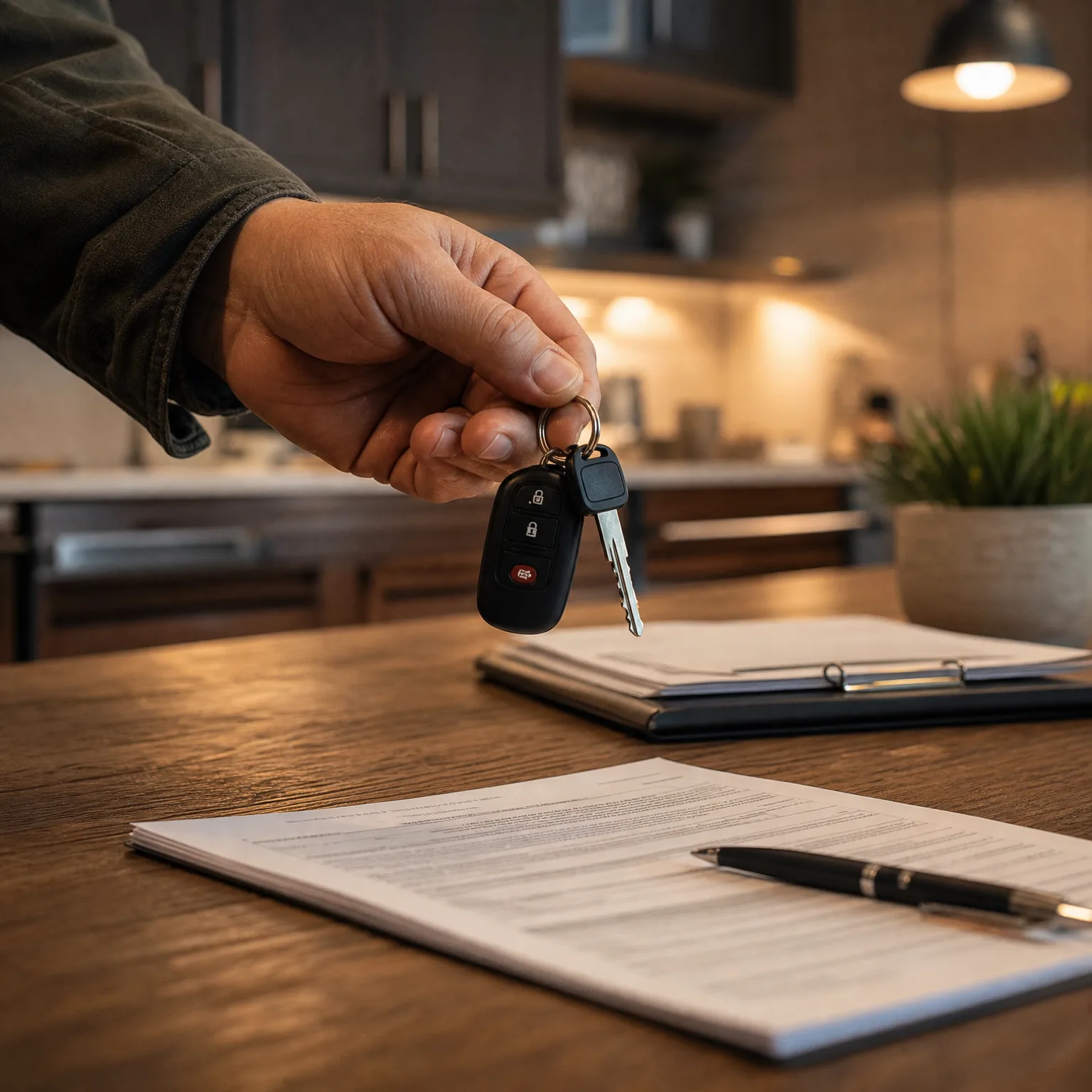
A non-owner SR-22 policy in Colorado provides liability coverage when you drive a vehicle you don't own. This includes borrowed cars, rental vehicles (though rental agencies require separate damage waivers), and occasional-use situations. Colorado's minimum liability requirements are $25,000 per person for bodily injury, $50,000 per accident, and $15,000 for property damage. Your non-owner policy must meet or exceed these limits to satisfy SR-22 filing requirements.
The policy does not cover: any vehicle titled or registered in your name, vehicles you use regularly (like a household vehicle you share but don't own), or physical damage to the vehicle you're driving. If you borrow a friend's car and cause an accident, your non-owner policy covers the other driver's injuries and property damage up to your policy limits. It does not repair your friend's car — their collision coverage would handle that, subject to their deductible.
If you live with family members who own vehicles, check whether their auto policies already list you as an excluded driver. Some carriers exclude suspended drivers from household policies automatically. If you're excluded, your non-owner policy becomes primary when you drive those household vehicles with permission.

Cover Your Filing Before You Own a Car Again
Get My Non-Owner SR-22 QuoteWhich Carriers Write Non-Owner SR-22 in Colorado
Colorado has strong non-owner SR-22 availability through non-standard and standard carriers. Progressive, Geico, The General, and Dairyland all write non-owner SR-22 policies in Colorado and can file electronically with the DMV. Progressive and Geico offer online quoting for non-owner policies, which speeds up the process. The General and Dairyland specialize in high-risk and post-suspension drivers, so their underwriting is more lenient for recent violations.
State Farm writes SR-22 in Colorado but typically requires an agent conversation for non-owner policies — you won't get an instant online quote. USAA serves military-affiliated drivers and writes both non-owner SR-22 and standard SR-22, with faster approval timelines for existing members.
Bristol West, National General, and Infinity also operate in Colorado and handle SR-22 filings, but their non-owner availability varies by county. Denver, Colorado Springs, and Aurora have the widest carrier options. Rural counties may have fewer non-standard carriers willing to write non-owner policies, so expect to compare quotes from at least three carriers.
Filing Timeline and Reinstatement Process
Once you purchase a non-owner SR-22 policy, the carrier files Form SR-22 electronically with the Colorado Division of Motor Vehicles. Electronic filings typically post within 1-3 business days. Paper filings take 7-10 days. You cannot begin the reinstatement process until the DMV confirms receipt of the SR-22 filing.
Colorado's base reinstatement fee for uninsured motorist suspensions is $95. DUI-related reinstatements carry different fee schedules depending on offense count and whether you're entering the Early Reinstatement program. If your suspension involved multiple causes — for example, DUI plus driving while license suspended — you may face stacked fees. The DMV will not process reinstatement until all outstanding fines, fees, and required filings are completed.
SR-22 filing duration in Colorado is typically 3 years for insurance-related suspensions and DUI cases. If your SR-22 lapses at any point during the required period — because you miss a premium payment, cancel the policy, or switch carriers without maintaining continuous coverage — the DMV will suspend your license again. The 3-year clock does not pause. You must refile SR-22 and pay a new reinstatement fee to lift the suspension.

What Happens If You Get a Vehicle During the Filing Period
If you acquire a vehicle while holding a non-owner SR-22 policy, you must switch to a standard owner SR-22 policy immediately. The non-owner policy does not cover vehicles you own, and driving your own vehicle without proper coverage violates Colorado's financial responsibility law. Most carriers will convert your non-owner policy to an owner policy mid-term if you notify them within 30 days of the vehicle acquisition.
The conversion triggers a premium increase. Expect your monthly cost to jump from $50-$90/month to $120-$200/month or higher, depending on the vehicle's value, your coverage selections, and whether you add comprehensive and collision. The SR-22 filing itself transfers — you don't need to refile with the DMV. Your carrier updates the SR-22 to reflect the new policy and vehicle information.
If you fail to notify your carrier and the DMV discovers you're driving an uninsured vehicle you own, Colorado will suspend your license again for failure to maintain proof of financial responsibility. The original SR-22 filing becomes void, and you start over with a new suspension, new reinstatement fee, and extended filing period.
Frequently Asked Questions
Can I get non-owner SR-22 if I have a DUI in Colorado?
Yes, non-owner SR-22 policies are available after a DUI in Colorado. However, if you plan to enter the Early Reinstatement program and drive an ignition interlock-equipped vehicle you own, you'll need a standard owner SR-22 policy instead. Non-owner policies only cover vehicles you don't own.
How much does non-owner SR-22 cost in Colorado per month?
Non-owner SR-22 policies in Colorado typically cost $50-$90/month, depending on your violation history, age, and carrier. This is 40-50% cheaper than standard owner SR-22 policies because there's no vehicle attached and no comprehensive or collision coverage.
Does non-owner SR-22 satisfy Colorado DMV reinstatement requirements?
Yes. Colorado DMV accepts non-owner SR-22 filings as proof of financial responsibility for license reinstatement. The carrier files Form SR-22 electronically with the DMV, typically within 1-3 business days. You cannot begin reinstatement until the DMV confirms receipt of the filing.
What happens if I buy a car while my non-owner SR-22 is active?
You must convert to a standard owner SR-22 policy immediately. Non-owner policies do not cover vehicles you own. Most carriers will convert your policy mid-term if you notify them within 30 days. Expect your premium to increase by 60-100% once a vehicle is added.
How long do I need to keep SR-22 on file in Colorado?
Colorado requires SR-22 filing for 3 years for most insurance-related suspensions and DUI cases. If your SR-22 lapses at any point during the required period, the DMV suspends your license again and you must refile. The 3-year clock does not pause or reset.
Can I use a non-owner SR-22 policy to drive a family member's car?
Yes, as long as the vehicle isn't titled or registered in your name and you're not listed as an excluded driver on their policy. Non-owner SR-22 provides liability coverage when you drive someone else's vehicle with permission. It does not cover physical damage to the vehicle you're driving.
Related Articles

Colorado Non-Owner SR-22: Cost, Carriers, Filing Path
5/19/2026
Colorado Non-Owner SR-22 vs Owner SR-22 Cost Comparison
5/19/2026

Colorado Non-Owner SR-22 Cost: Carless Filer Rates
5/19/2026

Non-Owner SR-22 After Colorado Suspension
5/29/2026

Non-Owner SR-22 Eligibility in Colorado: Who Qualifies
5/19/2026

Colorado Non-Owner SR-22 by Cause: DUI, Uninsured
5/19/2026