
Non-Owner SR-22 in Alaska After DUI: Filing Period and Premium Range
Get My Non-Owner SR-22 QuoteNon-Owner SR-22 Filing Satisfies Alaska DMV Requirements After DUI
Alaska requires SR-22 certificate filing for 3 years following DUI conviction under AS 28.35.030, measured from conviction date. Non-owner SR-22 policies satisfy this requirement completely without requiring vehicle ownership. The Alaska Division of Motor Vehicles accepts electronic SR-22 filing from any licensed carrier writing in the state.
Non-owner policies provide liability coverage when you drive vehicles you don't own with permission. The carrier files Form SR-22 with Alaska DMV on your behalf within 24 hours of policy binding. Coverage continues as long as premiums are paid and the policy remains active.
If the carrier cancels your policy or you allow it to lapse, they file SR-26 (notice of cancellation) with Alaska DMV immediately. That triggers re-suspension of your driving privileges. The 3-year filing clock does not pause during re-suspension.

Alaska's 90-Day Hard Suspension Creates a Non-Owner Coverage Gap
AS 28.35.030 mandates a 90-day hard suspension period before you can petition for Alaska's Limited License. You cannot drive at all during those 90 days, even with SR-22 filing and liability coverage in place.
Most carriers will not bind non-owner SR-22 policies until you have active driving privileges or documented Limited License approval. This creates a gap: you need SR-22 filed to petition for Limited License, but carriers prefer proof you can legally drive before issuing coverage. Progressive and The General sometimes bind non-owner policies pre-approval if you provide court documentation showing petition filing date.
The practical sequence: serve the 90-day hard suspension, file Limited License petition with the court including proof of SR-22 intent, secure non-owner SR-22 from a willing carrier, wait for court approval. The SR-22 filing happens before full reinstatement but after the hard suspension ends.

Non-Owner SR-22 Premium Range in Alaska After DUI
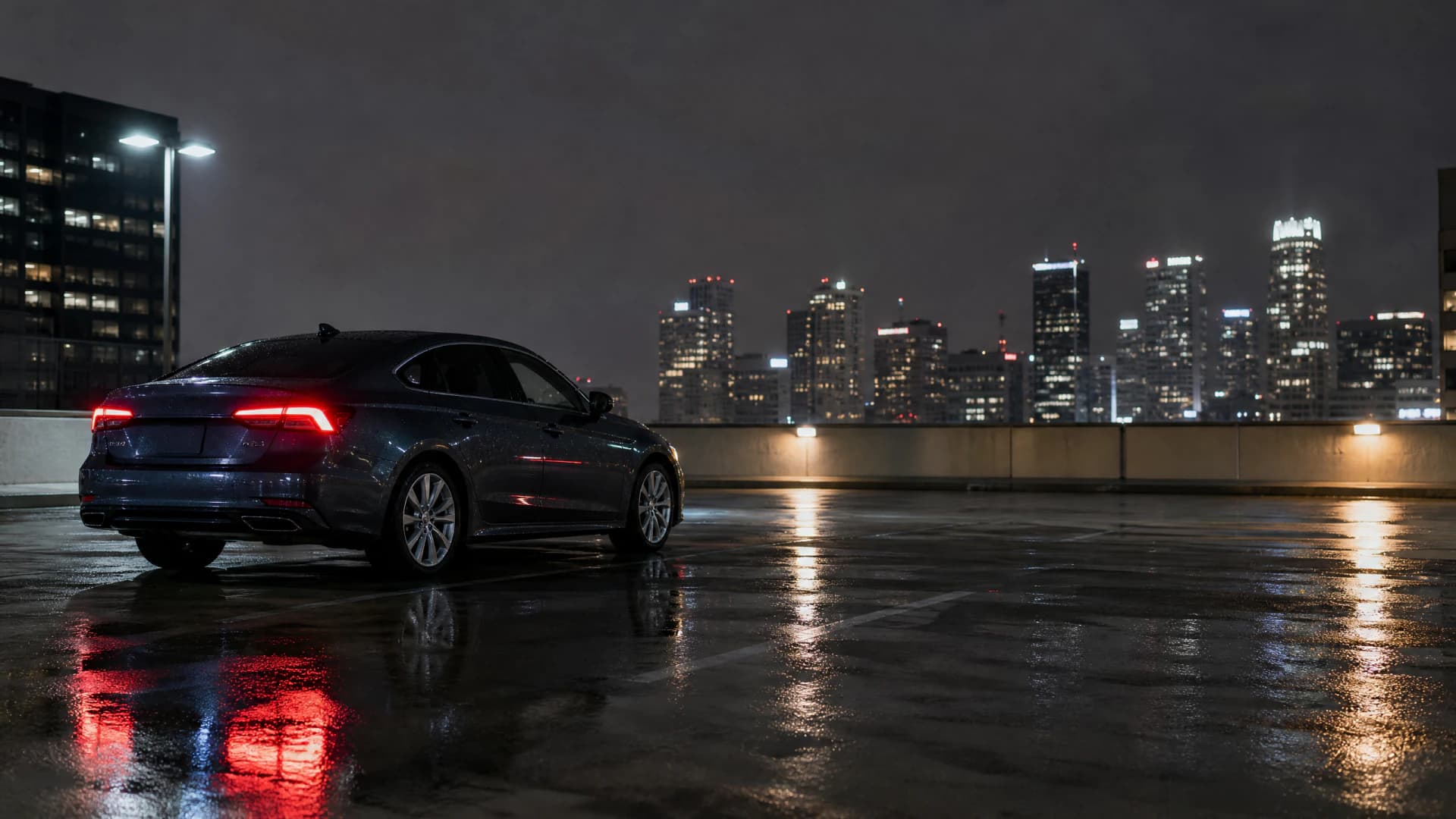
Non-owner SR-22 policies in Alaska after DUI typically cost $45–$85/month from standard carriers and $60–$110/month from non-standard carriers. Total cost over the mandatory 3-year filing period runs approximately $1,620–$3,960, depending on carrier, age, and prior violation history.
Owner SR-22 policies covering a specific vehicle cost 40-50% more because they include comprehensive and collision coverage tied to the insured vehicle. Non-owner policies carry only liability: $50,000 bodily injury per person, $100,000 per accident, $25,000 property damage (Alaska's statutory minimums).
Carriers writing non-owner SR-22 in Alaska include Progressive, The General, and National General. Geico and State Farm write SR-22 in Alaska but typically decline non-owner applications from DUI filers. Estimates based on available industry data; individual rates vary by driving history, age, and ZIP code.

Cover Your Filing Before You Own a Car Again
Get My Non-Owner SR-22 QuoteWhat Non-Owner SR-22 Does Not Cover
Non-owner SR-22 does not cover any vehicle you own, lease, or have regular access to. If you buy a car, inherit one, or move in with someone whose vehicle you drive daily, you must convert to standard owner SR-22 coverage or stack policies.
Non-owner policies exclude household vehicles and vehicles titled in your name. If Alaska DMV records show vehicle registration under your name, carriers will deny non-owner applications and require owner coverage instead.
Non-owner SR-22 also does not cover rideshare driving (Uber, Lyft), delivery gig work, or commercial use. Those activities require commercial liability endorsements that non-owner policies do not offer.

Limited License Requires Ignition Interlock Device Installation
Alaska courts require ignition interlock device (IID) installation as a condition of Limited License approval for all DUI-related suspensions under AS 28.35.030. The court defines allowable driving hours and approved routes based on documented need: employment, medical treatment, education, or court-approved purposes.
IID vendors concentrate in Anchorage, Fairbanks, and Juneau. Residents of roadless bush communities or areas accessible only by ferry face practical barriers to IID compliance. Courts sometimes grant exemptions in extreme geographic isolation cases, but exemptions are rare and require extensive documentation.
IID installation costs approximately $75–$150, with monthly monitoring fees of $60–$90. You pay these costs in addition to SR-22 insurance premiums. Missing two consecutive IID monitoring appointments triggers automatic Limited License revocation without advance notice in most judicial districts.

Full Reinstatement After 3-Year Filing Period
After serving the full 3-year SR-22 filing period and completing all DUI program requirements, you apply for full license reinstatement through Alaska DMV. The base reinstatement fee is $100 under current DMV fee schedules.
You must provide proof of SR-22 filing continuously maintained for 3 years, documented completion of Alaska-approved alcohol information school or treatment program, and proof of IID compliance if required during Limited License period. Alaska DMV processes reinstatement applications primarily by mail to accommodate remote residents.
Once reinstated, you can drop SR-22 filing and switch to standard liability coverage. Non-owner policies convert to standard policies if you acquire a vehicle. Reinstatement does not erase the DUI conviction from your driving record; carriers will rate you as high-risk for 5-7 years post-conviction.
Frequently Asked Questions
Can I get non-owner SR-22 in Alaska during the 90-day hard suspension?
Most carriers will not bind non-owner SR-22 policies during Alaska's mandatory 90-day hard suspension period because you have no legal driving privileges. Progressive and The General sometimes issue policies if you provide court documentation showing Limited License petition filing date. The SR-22 filing typically happens after the hard suspension ends but before full reinstatement.
What happens if I buy a car while holding non-owner SR-22 in Alaska?
You must immediately convert to standard owner SR-22 coverage or stack policies. Non-owner SR-22 excludes vehicles you own, lease, or have titled in your name. If Alaska DMV records show vehicle registration under your name and you maintain non-owner coverage, the carrier will deny claims and may cancel your policy.
Does non-owner SR-22 cover me when I borrow someone else's car in Alaska?
Yes. Non-owner SR-22 provides liability coverage when you drive vehicles you don't own with the owner's permission. Coverage applies up to Alaska's statutory minimums: $50,000 bodily injury per person, $100,000 per accident, $25,000 property damage. It does not cover the borrowed vehicle's physical damage.
How long does Alaska require SR-22 filing after DUI conviction?
Alaska requires 3 years of continuous SR-22 filing after DUI conviction under AS 28.35.030, measured from conviction date. If your policy lapses and the carrier files SR-26 cancellation notice, Alaska DMV re-suspends your license and the 3-year clock does not pause during re-suspension.
Can I use non-owner SR-22 for rideshare driving in Alaska?
No. Non-owner SR-22 policies exclude commercial use including rideshare (Uber, Lyft) and delivery gig work. Those activities require commercial liability endorsements that non-owner policies do not offer. You would need commercial owner SR-22 coverage tied to a specific vehicle.
What is the total cost of non-owner SR-22 over Alaska's 3-year filing period?
Non-owner SR-22 in Alaska costs approximately $45–$85/month from standard carriers, totaling $1,620–$3,060 over 3 years. Non-standard carriers charge $60–$110/month, totaling $2,160–$3,960. These estimates exclude the one-time $25–$50 SR-22 filing fee and the $100 reinstatement fee due at the end of the filing period.
Related Articles
Alaska Non-Owner SR-22: Costs, Carriers, Filing Path
5/19/2026
Alaska Non-Owner SR-22 vs Owner: When Non-Owner Saves
5/19/2026

Alaska Non-Owner SR-22: Filing Without a Vehicle
5/19/2026

Alaska Non-Owner SR-22 Cost by Cause: DUI vs Lapse
5/19/2026

Alaska Non-Owner SR-22: DUI, Uninsured, Suspension
5/19/2026

Alaska Non-Owner SR-22 Filing Speed & Carrier Reports
5/19/2026