Non-Owner SR-22 When You've Never Owned a Car: Filing Path
Get My Non-Owner SR-22 QuoteCan You Get SR-22 Without Ever Having Owned a Vehicle?
Yes. Non-owner SR-22 policies exist specifically for drivers who need state-mandated filing but do not own a vehicle. You do not need prior ownership history, a vehicle title, or registration documents to qualify. The carrier files Form SR-22 with your state on your behalf, listing you as the named insured without a specific vehicle attached.
The product provides liability coverage when you drive someone else's vehicle with their permission. Most states accept non-owner SR-22 filing as full compliance with reinstatement requirements. Florida and Virginia readers face one substitution: those states require FR-44 filing for DUI-related suspensions, which carries doubled liability minimums and approximately 2× the cost of standard SR-22.
Zero-ownership history does complicate the underwriting process. Carriers cannot pull your vehicle insurance claims history because you have none. Most non-standard insurers flag no-vehicle-history applications for manual review, adding 3-7 business days to approval. If you need filing immediately, start the application process the same day you confirm your state requires SR-22.

Why Zero-Ownership History Triggers Manual Underwriting
Carriers assess risk using prior insurance behavior. When you've never owned a vehicle, they lack the data points that feed automated underwriting: claims frequency, lapse history, coverage selections, payment reliability. The absence of vehicle history is not disqualifying, but it forces manual review.
Underwriters compensate by pulling your motor vehicle record and credit-based insurance score more heavily. A clean MVR with no at-fault accidents compensates for lack of ownership history. Poor credit or multiple violations stack risk signals. Expect underwriters to request additional documentation: your state-issued ID, proof of address, employer verification if you're applying for a work-related hardship license, or a letter explaining why you need SR-22 without a vehicle.
Some carriers decline zero-ownership applicants entirely if the suspension cause was uninsured-motorist related. The logic: if you were cited for driving uninsured without owning a vehicle, the carrier assumes you were driving regularly without coverage and considers you higher risk than a DUI applicant with clean prior insurance history.
What Non-Owner SR-22 Actually Covers
Non-owner SR-22 provides liability coverage only — bodily injury and property damage you cause while driving a vehicle you do not own. It does not cover the vehicle itself. If you borrow a friend's car and cause an accident, your non-owner policy pays the other driver's medical bills and repair costs up to your policy limits. The friend's insurance is primary; your policy acts as secondary or excess coverage.
The policy does not cover: damage to the vehicle you're driving, your own injuries, or any vehicle you own or regularly use. If you acquire a vehicle during the filing period — purchase, lease, or gifting — you must convert to a standard owner SR-22 policy immediately. Driving a vehicle you own under a non-owner policy voids coverage.
Most carriers structure non-owner policies with state-minimum liability limits. If your state requires SR-22 after a DUI, consider purchasing limits above the minimum. Courts in many states factor your liability coverage into restitution hearings if you cause a subsequent accident during the filing period.

Cover Your Filing Before You Own a Car Again
Get My Non-Owner SR-22 QuoteHow to Apply When You Have No Vehicle Ownership Record
Start by confirming your state requires SR-22 for your specific suspension cause. Not all suspensions trigger SR-22. DUI, reckless driving, uninsured driving, and insurance lapse suspensions typically require SR-22. Unpaid ticket suspensions and child support arrears suspensions usually do not.
Once confirmed, contact a non-standard carrier that writes non-owner SR-22 in your state. Most standard carriers (State Farm, Allstate, Farmers) do not offer non-owner policies. Non-standard carriers like Progressive, GEICO's non-standard division, National General, Acceptance, and Bristol West specialize in high-risk filings. Expect the application to ask for your driver's license number, suspension date, suspension cause, and whether you've had coverage within the past 30 days.
Be prepared to explain your zero-ownership history in writing. Underwriters want to know: Have you been driving regularly? Whose vehicles have you been using? Why do you need SR-22 if you don't own a car? Your answers matter. A truthful explanation — "I was cited for DUI while driving a friend's vehicle and have never owned a car" — processes faster than vague responses.
The carrier files SR-22 electronically with your state DMV within 1-3 business days of policy activation. You receive a copy of the filing by mail and email. Do not wait for the mailed copy to submit your reinstatement application. Most states accept the electronic filing timestamp as proof of compliance.
Cost Comparison: Non-Owner vs Owner SR-22 Premiums
Non-owner SR-22 premiums run 30-60% lower than owner SR-22 because the carrier insures only your liability exposure, not a specific vehicle. Typical monthly premiums for non-owner SR-22 range from $40 to $90 depending on your state, suspension cause, age, and credit score. Owner SR-22 premiums for the same driver range from $120 to $220 per month when comprehensive and collision coverage are included.
Florida and Virginia readers pay significantly more. Non-owner FR-44 premiums typically range from $70 to $140 per month due to doubled liability minimums. If your state requires 3-year filing, total cost over the filing period ranges from $1,440 to $3,240 for non-owner SR-22, compared to $4,320 to $7,920 for owner SR-22.
Payment structure matters. Most non-standard carriers require a down payment of 20-30% of the 6-month premium, then monthly installments. A $50/month non-owner policy costs approximately $300 for 6 months; expect a $60-$90 down payment at application. Some carriers charge an SR-22 filing fee separate from the premium, typically $15-$50 depending on state.
What Happens If You Acquire a Vehicle Mid-Filing
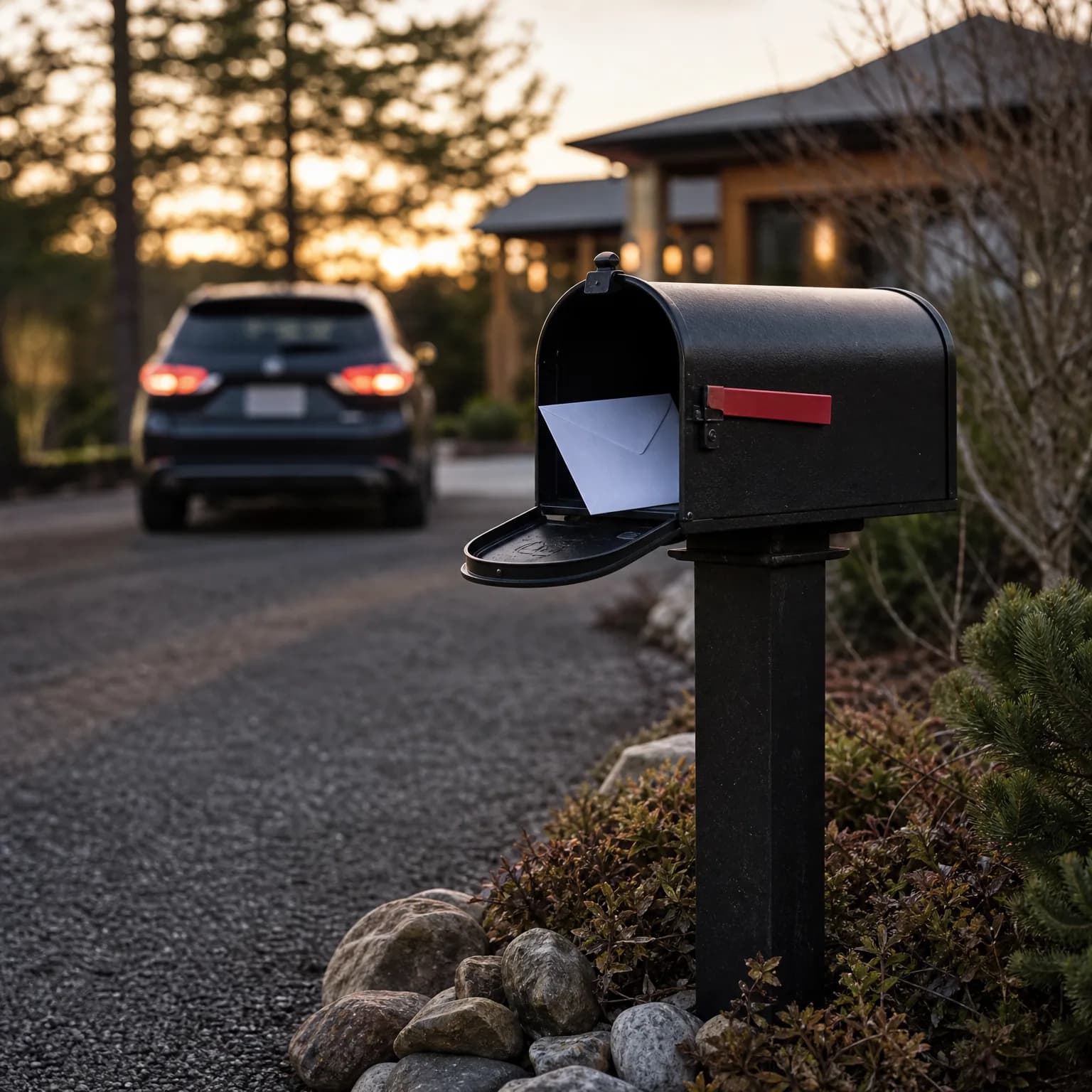
You must notify your carrier within 30 days of acquiring any vehicle — purchase, lease, gift, or co-title. Non-owner SR-22 policies explicitly exclude coverage for vehicles the named insured owns or regularly uses. Driving a newly acquired vehicle under your non-owner policy voids coverage and terminates your SR-22 filing in most states.
The carrier will convert your non-owner policy to a standard owner policy, add the vehicle to the policy with full coverage or liability-only depending on your selection, and file an updated SR-22 or FR-44 with your state. Your premium will increase — typically 50-100% depending on the vehicle's value, your selected coverage, and whether you finance the vehicle (lenders require comprehensive and collision).
Failure to notify the carrier within 30 days constitutes material misrepresentation. The carrier can cancel your policy retroactively, which terminates your SR-22 filing. Most states treat SR-22 cancellation as a new suspension trigger, resetting your filing clock to zero. If you're in year 2 of a 3-year filing requirement and your SR-22 cancels, you start over at year 0.
Frequently Asked Questions
Can I get non-owner SR-22 if I failed to maintain insurance on a vehicle I no longer own?
Yes. The fact that your suspension was caused by lapse on a vehicle you previously owned does not disqualify you from non-owner SR-22 now. Carriers evaluate your current situation — whether you own a vehicle today — not your ownership history at the time of suspension.
Does non-owner SR-22 cover me if I rent a car?
Non-owner SR-22 provides liability coverage when you drive a rental, but it does not cover damage to the rental vehicle itself. Most rental companies require you to purchase their collision damage waiver or prove you have comprehensive and collision coverage elsewhere. Non-owner policies do not include physical damage coverage.
How long does it take to get SR-22 filed if I've never owned a vehicle?
Expect 3-7 business days from application to filing if your zero-ownership history triggers manual underwriting. Carriers that approve automatically can file within 24-48 hours, but most flag no-vehicle-history applicants for manual review. Start your application at least one week before your reinstatement deadline.
Will my non-owner SR-22 premium go down if I maintain a clean record during the filing period?
Most carriers do not reduce non-owner SR-22 premiums mid-term even if you avoid violations. However, when your filing period ends and you no longer need SR-22, your premium will drop immediately if you continue the non-owner policy without the SR-22 endorsement.
Can I use non-owner SR-22 to satisfy a hardship license requirement?
Yes. Non-owner SR-22 satisfies state filing requirements for hardship, occupational, or restricted licenses in the same way owner SR-22 does. The state DMV does not require you to own a vehicle to qualify for a hardship license as long as you maintain continuous SR-22 coverage.
What happens if I let my non-owner SR-22 policy lapse for non-payment?
The carrier files an SR-26 cancellation notice with your state DMV, typically within 10 days of the lapse. Most states suspend your license immediately upon receiving the SR-26. You must purchase a new policy, pay any reinstatement fees again, and restart your filing period from zero in most states.
Related Articles

Non-Owner SR-22 After No-Insurance Crash | File Now
5/19/2026

Non-Owner SR-22 Filing Without a Vehicle After Suspension
5/19/2026

Non-Owner SR-22 Filing Triggers: When It's Mandatory
5/19/2026
Non-Owner SR-22 After Court-Ordered Filing Explained
5/19/2026

Non-Owner SR-22 After Points Suspension Without a Car
5/19/2026

Non-Owner SR-22 vs Owner SR-22: Which Filing Fits
5/19/2026