
Non-Owner SR-22 Conversion Path in Colorado: When You Buy a Vehicle
Get My Non-Owner SR-22 QuoteWhat Happens to Your Non-Owner SR-22 When You Buy a Vehicle in Colorado
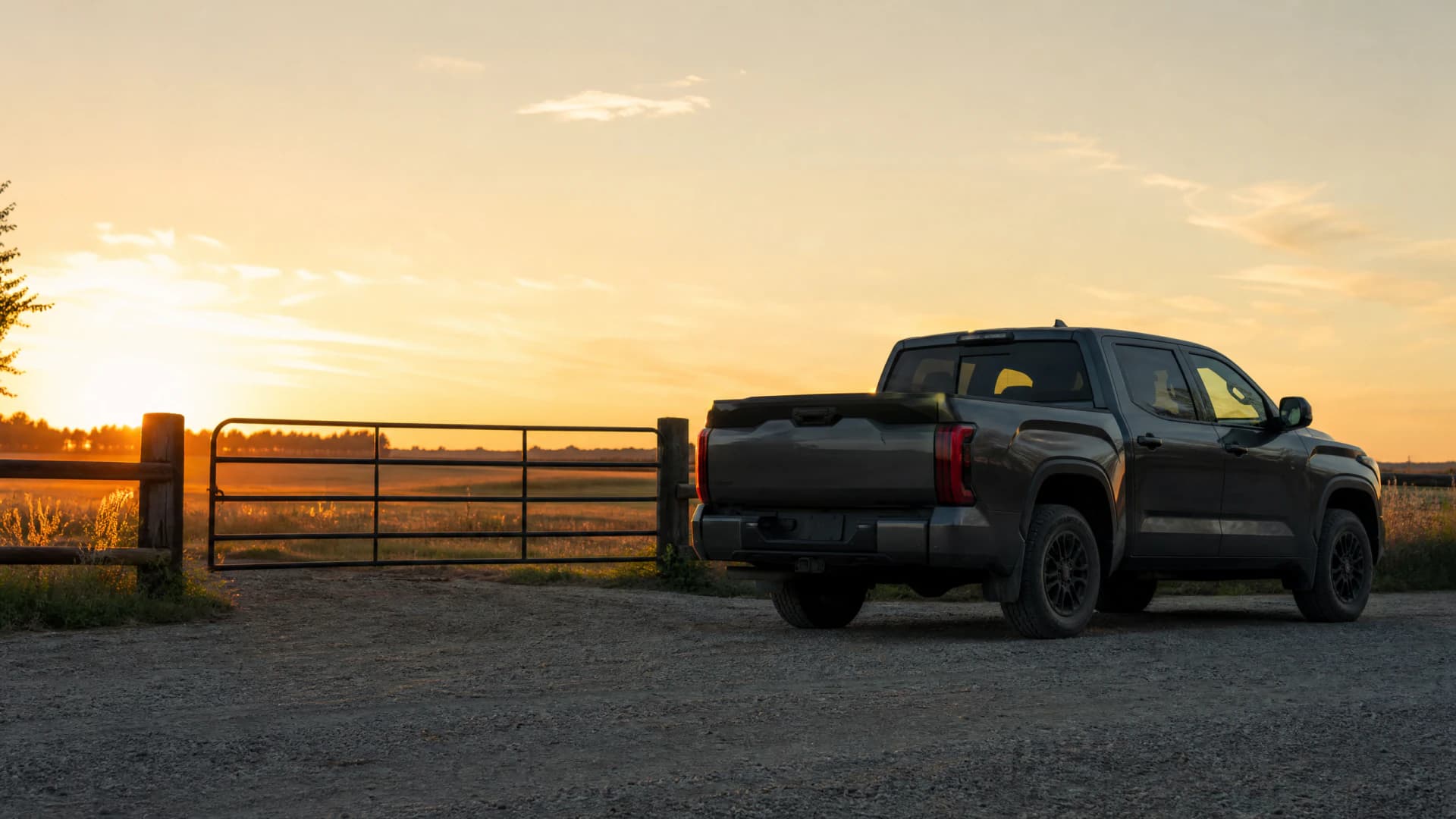
Your non-owner SR-22 policy stops covering you the moment you take ownership of a vehicle in Colorado. Non-owner policies explicitly exclude coverage for vehicles the named insured owns, co-owns, or has regular access to. Driving your newly acquired vehicle under a non-owner policy voids the liability coverage and violates Colorado's mandatory insurance law under C.R.S. § 42-4-1409.
You have 30 days from the date of purchase to notify the Colorado DMV of the vehicle registration and attach insurance. The carrier writing your non-owner SR-22 must file an SR-26 form with the state when your policy is canceled or converted, which immediately notifies the DMV that your SR-22 coverage has ended. If the DMV does not receive a replacement SR-22 filing within that window, they will issue a new suspension notice for insurance lapse.
Most carriers that write non-owner SR-22 in Colorado will not simply convert your existing policy to an owner policy. They treat the vehicle acquisition as a new underwriting event. You will need to provide the VIN, year, make, model, and proof of ownership. The carrier will re-quote you as an owner SR-22 policyholder, which typically costs 40-60% more than your non-owner premium because the policy now includes collision and comprehensive exposure.

Why Colorado Carriers Treat Conversion as a New Policy Transaction
Non-owner SR-22 policies price for liability risk when you borrow someone else's vehicle occasionally. Owner SR-22 policies price for the full spectrum of risk tied to a specific vehicle: its theft rate, repair cost, safety rating, and your garaging ZIP code. Colorado carriers cannot price that risk accurately without re-underwriting.
When you notify your carrier that you bought a vehicle, they will cancel the non-owner policy and issue a new owner policy with a new policy number. This is not a renewal or an endorsement. It is a termination and a new bind. The carrier files SR-26 to close the old policy and a new SR-22 to open the owner policy. Both filings hit the Colorado DMV simultaneously if the carrier processes them correctly.
If there is any processing delay between the SR-26 cancellation and the new SR-22 filing, the DMV's system will flag a gap. Even a one-day lapse can trigger a new suspension notice under Colorado's electronic insurance verification system, which cross-checks the Colorado Insurance Identification Database in near-real time. You cannot afford to let the non-owner policy lapse before the owner policy is active and filed.
How to Convert Without Triggering a Lapse Suspension
Contact your non-owner SR-22 carrier the day you acquire the vehicle. Provide the VIN, purchase date, title copy, and proof of registration. Request a same-day bind on the new owner policy with an effective date matching the date of vehicle ownership transfer. The carrier should process both the SR-26 cancellation and the new SR-22 filing on the same business day.
If your current carrier cannot write owner SR-22 in Colorado or quotes a rate you cannot afford, you must bind a replacement policy with a new carrier before canceling the non-owner policy. Do not cancel the non-owner policy until the new carrier confirms the owner SR-22 has been filed with the Colorado DMV. The safest sequence: bind new owner policy, confirm SR-22 filing with DMV, then cancel non-owner policy.
Colorado carriers that write both non-owner and owner SR-22 include Progressive, GEICO, Dairyland, and The General. Not all carriers that write non-owner SR-22 will write owner SR-22 for high-risk drivers, so confirm eligibility before starting the conversion. If your current carrier cannot accommodate the conversion, expect a 3-5 business day window to shop, bind, and file with a new carrier. Plan accordingly.
Cost Impact: Non-Owner to Owner SR-22 Premium Increase
Non-owner SR-22 policies in Colorado typically cost $30-$60 per month for liability-only coverage. Owner SR-22 policies cost $85-$180 per month depending on the vehicle, your age, your ZIP code, and the severity of the violation that triggered the SR-22 requirement. The cost difference reflects the addition of comprehensive and collision exposure, higher liability limits for vehicle-owning drivers, and the statistical claim frequency tied to owning versus borrowing.
If you are required to carry SR-22 for a DUI-related suspension and you install an ignition interlock device under Colorado's Early Reinstatement program, some carriers offer modest discounts on the owner SR-22 premium as a compliance signal. The IID lease itself costs approximately $70-$100 per month, so the total cost of driving legally with an owner policy and IID can exceed $250 per month during the filing period.
Estimates based on available industry data; individual rates vary by driving history, vehicle, coverage selections, and location. If the premium increase makes owner SR-22 unaffordable, you may choose to delay vehicle ownership until closer to the end of your filing period. Non-owner SR-22 remains valid and compliant as long as you do not own or regularly drive a specific vehicle.

Cover Your Filing Before You Own a Car Again
Get My Non-Owner SR-22 Quote
What Happens If You Drive Your New Vehicle Before Converting the Policy
Driving a vehicle you own under a non-owner SR-22 policy voids your liability coverage. If you are involved in an at-fault accident, the carrier will deny the claim because the policy explicitly excludes owned vehicles. You will be personally liable for all bodily injury and property damage, and the Colorado DMV will suspend your registration and license for operating an uninsured vehicle under C.R.S. § 42-4-1409.
A single uninsured operation citation in Colorado can trigger a new suspension lasting 3-6 months, separate from your SR-22 filing requirement. You will need to pay the $95 reinstatement fee, refile SR-22, and restart the filing period clock in some cases. If you are already on an Early Reinstatement probationary license with ignition interlock, an uninsured operation violation can revoke your restricted driving privileges entirely.
The financial exposure is severe. Colorado's minimum liability requirement is $25,000 per person and $50,000 per accident for bodily injury, and $15,000 for property damage. If you cause an accident without valid coverage, you are personally liable for all damages above those minimums. Medical bills from a moderate-severity accident can exceed $100,000. Do not drive your newly acquired vehicle until the owner SR-22 policy is active and filed with the state.

SR-22 Filing Duration Does Not Reset When You Convert Policies
Colorado's SR-22 filing period is measured from the date of your original suspension or conviction, not from the date you bind your first SR-22 policy. If you are required to maintain SR-22 for 3 years following a DUI conviction and you convert from non-owner to owner SR-22 18 months into that period, you still have 18 months remaining, not a new 3-year clock.
The filing period countdown continues as long as there is no lapse in SR-22 coverage. The carrier's SR-26 cancellation notice and the new carrier's SR-22 filing must occur without a gap. If the DMV detects even a one-day gap, they may issue a new suspension and restart the filing clock depending on the violation type and your compliance history.
Verify your SR-22 end date with the Colorado DMV before converting policies. You can check your SR-22 filing status through Colorado's myDMV portal at mydmv.colorado.gov. The portal displays the original filing date, the required filing period, and the projected end date. Use that end date to calculate how much longer you need to maintain owner SR-22 after converting from non-owner coverage.
What to Do If You Receive a Vehicle as a Gift During Your SR-22 Filing Period
If a family member or friend gifts you a vehicle while you are maintaining non-owner SR-22, you must convert to owner SR-22 immediately even if you do not plan to drive the vehicle regularly. Colorado DMV considers you the registered owner once the title is transferred, and non-owner SR-22 no longer satisfies the filing requirement for a vehicle owner.
You have two options: accept the vehicle, convert to owner SR-22, and pay the higher premium; or decline the vehicle transfer and continue with non-owner SR-22 until you can afford the premium increase. If you accept the vehicle but cannot afford owner SR-22, you can store the vehicle off-road without registration or insurance, but you will still need to maintain non-owner SR-22 to satisfy the DMV's filing requirement tied to your license.
Some drivers choose to delay titling the gifted vehicle in their name until closer to the end of the SR-22 filing period. This avoids the immediate conversion obligation but requires the vehicle to remain titled in the donor's name, which complicates insurance and liability. Consult the donor and your carrier before pursuing this strategy.
Frequently Asked Questions
Can I keep my non-owner SR-22 policy if I buy a car and just add the vehicle to it?
No. Non-owner SR-22 policies exclude coverage for any vehicle the named insured owns. Colorado carriers will cancel your non-owner policy and issue a new owner policy when you acquire a vehicle. You cannot add a vehicle to a non-owner policy as an endorsement.
How long do I have to notify my SR-22 carrier after buying a vehicle in Colorado?
Notify your carrier the same day you acquire the vehicle. Colorado DMV requires continuous SR-22 coverage, and the carrier will file an SR-26 cancellation when the non-owner policy ends. If the new owner SR-22 filing does not reach the DMV before the cancellation is processed, you risk a lapse suspension.
Will converting from non-owner to owner SR-22 restart my 3-year filing period?
No. Colorado measures the SR-22 filing period from your original conviction or suspension date, not from the date you bind a new policy. Converting from non-owner to owner SR-22 mid-period does not reset the clock as long as there is no coverage gap.
What if my current carrier won't write owner SR-22 for me after I buy a vehicle?
You must bind a replacement owner SR-22 policy with a new carrier before canceling your non-owner policy. Do not cancel the non-owner policy until the new carrier confirms the owner SR-22 has been filed with the Colorado DMV to avoid a lapse.
Can I drive my new vehicle for a few days before converting my non-owner SR-22 policy?
No. Driving a vehicle you own under a non-owner SR-22 policy voids your liability coverage. If you cause an accident, the carrier will deny the claim and you will be personally liable for all damages. Colorado DMV will also suspend your license for uninsured operation.
How much more will owner SR-22 cost compared to my non-owner policy in Colorado?
Owner SR-22 premiums in Colorado typically cost 40-60% more than non-owner SR-22. Non-owner policies average $30-$60 per month; owner policies average $85-$180 per month depending on your vehicle, ZIP code, and violation history. Estimates vary by carrier and individual risk factors.
What happens if I get a vehicle as a gift but don't plan to drive it?
Once the title is transferred to your name, Colorado DMV considers you a vehicle owner and non-owner SR-22 no longer satisfies the filing requirement. You must convert to owner SR-22, decline the vehicle transfer, or store the vehicle off-road and maintain non-owner SR-22 separately for your license.
Related Articles

Colorado Non-Owner SR-22 to Owner: Avoid Filing Gaps
5/19/2026

Bought a Car with Non-Owner SR-22? Convert Now
5/19/2026
Colorado Non-Owner SR-22 vs Owner SR-22 Cost Comparison
5/19/2026
Non-Owner SR-22 After Colorado Suspension
5/29/2026
Non-Owner SR-22 in Colorado After Suspension
5/19/2026

Non-Owner to Owner SR-22 Conversion After Buying a Car
5/19/2026