Non-Owner SR-22 and Permissive Use: What Counts as Permission
Get My Non-Owner SR-22 QuoteWhat Non-Owner SR-22 Policies Actually Cover When You Drive Someone Else's Vehicle
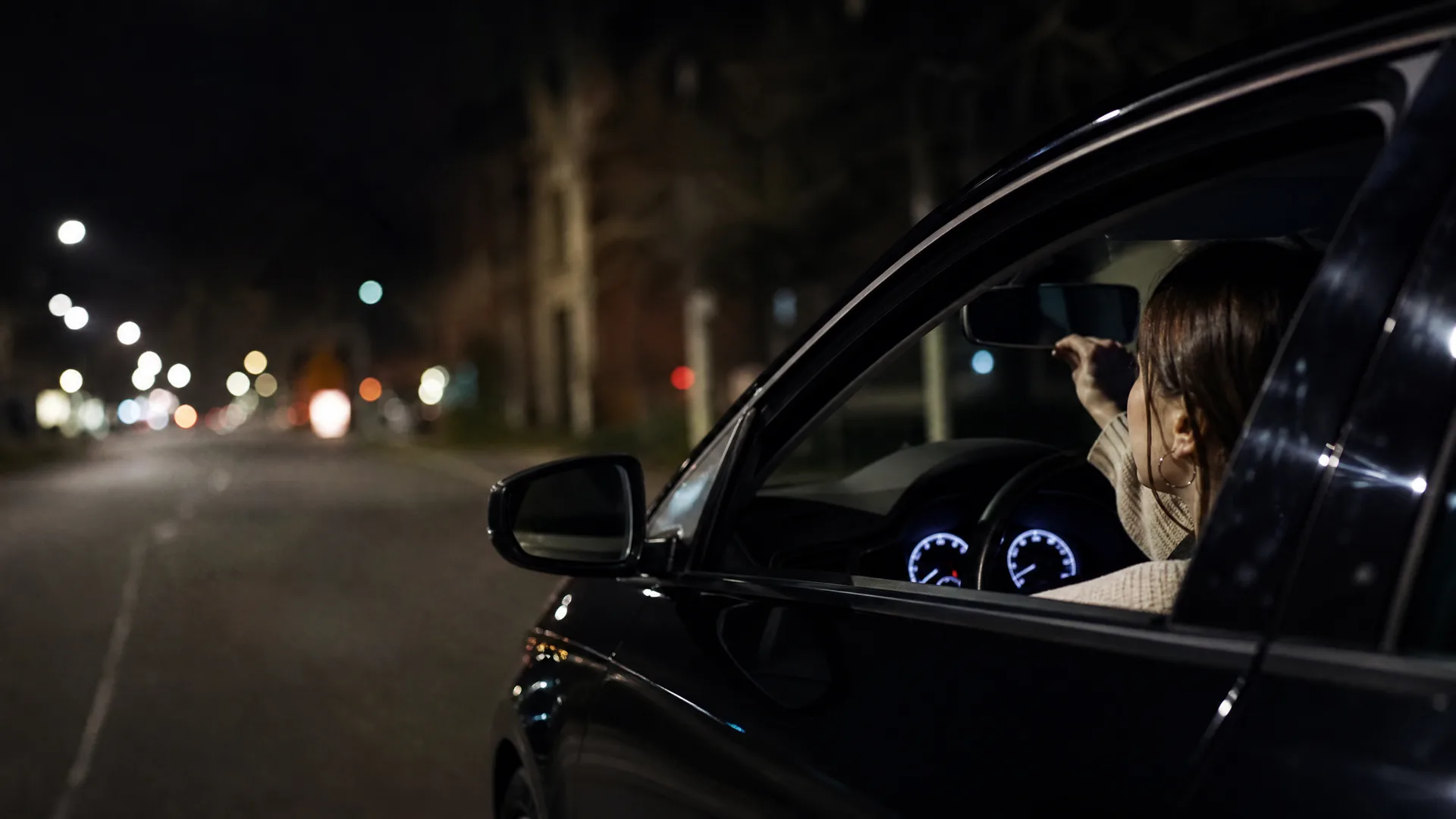
Non-owner SR-22 policies provide liability coverage when you drive a vehicle you do not own. The policy follows you, not the vehicle. If you cause an accident while driving a borrowed car, your non-owner policy pays for injuries and property damage to others up to your liability limits.
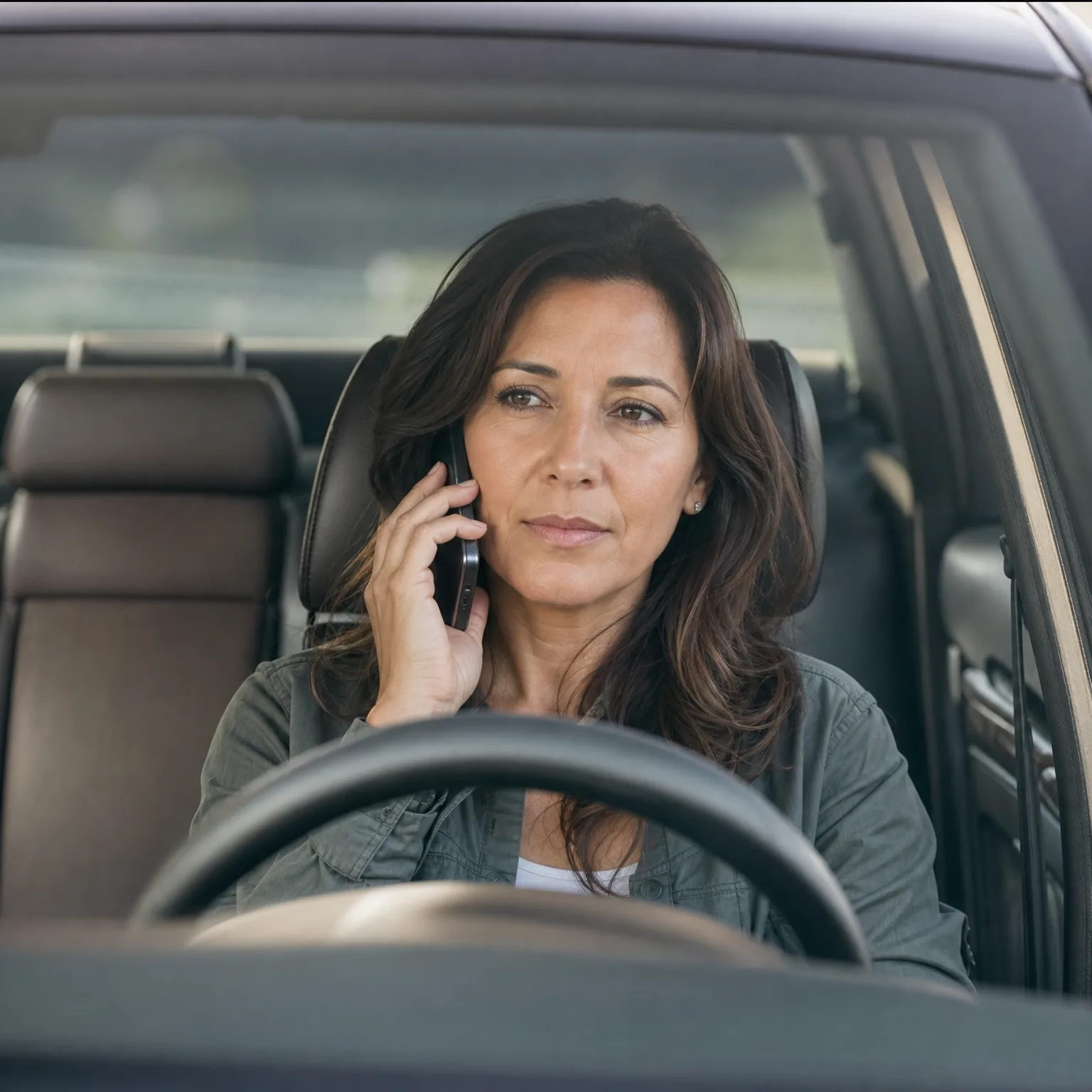
The coverage requires permissive use. You must have permission from the vehicle owner to drive. Without permission, the policy typically excludes coverage. The dispute begins when carriers and policyholders define permission differently.
Most non-owner SR-22 policies require explicit permission from the vehicle owner. Verbal permission counts in most cases. Written permission is rarely required unless the policy specifies it. The problem: if the person who gave you permission is not the registered owner, your carrier may deny the claim even if you believed the permission was valid.
When Permission Fails Because the Wrong Person Gave It
Your friend hands you the keys to their roommate's car and says "it's fine, use it." You drive. You cause an accident. Your non-owner SR-22 carrier investigates and discovers your friend is not the registered owner. The carrier denies the claim.
This scenario happens frequently with household vehicles, family cars titled in a parent's name, and employer-owned vehicles. The person who gave permission may have regular access to the vehicle. They may drive it daily. But if they are not listed as the owner on the title or registration, their permission does not satisfy the policy's permissive-use clause.
Some non-owner policies define permissive use as "permission from the named insured on the vehicle's primary policy." Others require "permission from the registered owner." A third variation requires "permission from any person with legal authority to grant use." Read your declarations page. The specific language determines whether informal permission counts.
Household Exclusions That Override Verbal Permission
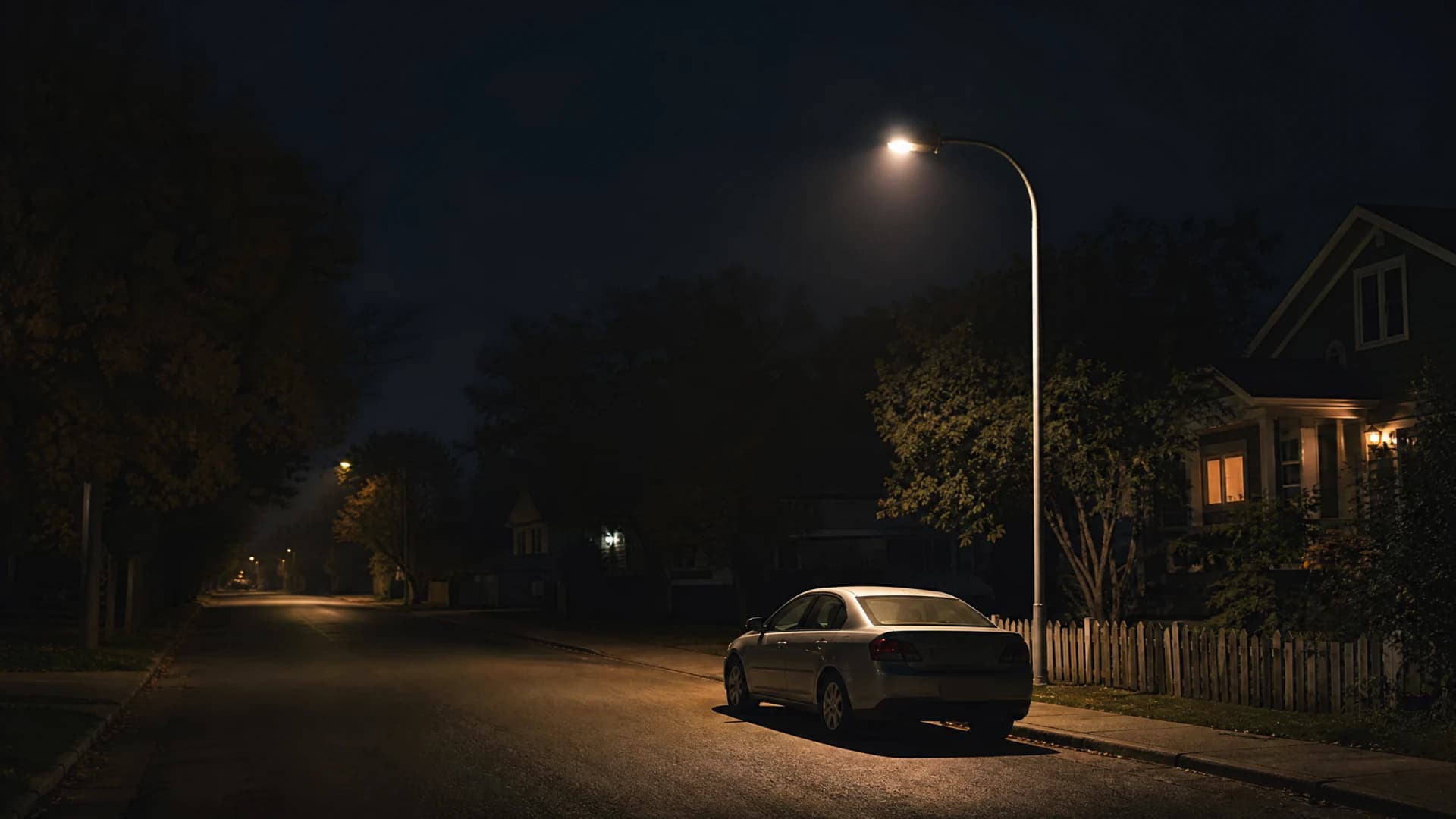
Most non-owner SR-22 policies exclude vehicles you have regular access to. This includes cars owned by anyone in your household. If you live with someone who owns a car, your non-owner policy typically will not cover you when driving that vehicle—even with explicit permission.
The household exclusion exists because insurers expect you to list household vehicles on a standard owner policy. Non-owner coverage is designed for occasional use of vehicles you do not have regular access to. If you drive your spouse's car daily, that's not occasional use.
The definition of "household" varies by carrier. Some define it as anyone living at the same address. Others define it as immediate family members regardless of address. Some apply the exclusion only to vehicles titled in a household member's name. Others apply it to any vehicle a household member drives regularly, even if titled elsewhere.
If you were pulled over while driving a household vehicle and your SR-22 filing is tied to your non-owner policy, the state will cancel your SR-22 for lapse if the carrier excludes the claim. The filing lapses because the policy was not in force for that use.
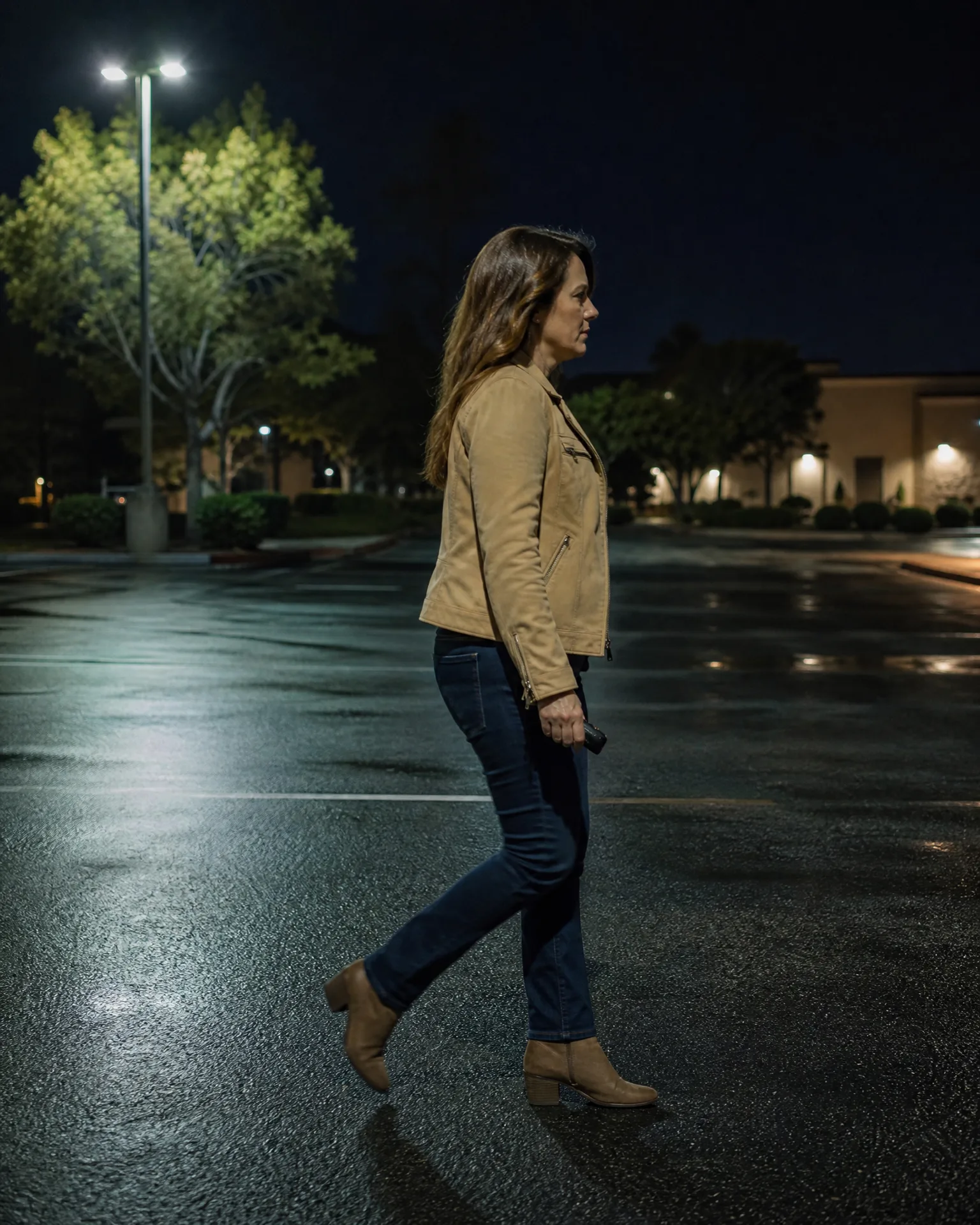
Cover Your Filing Before You Own a Car Again
Get My Non-Owner SR-22 QuoteEmployer-Owned Vehicles and Non-Owner SR-22 Coverage
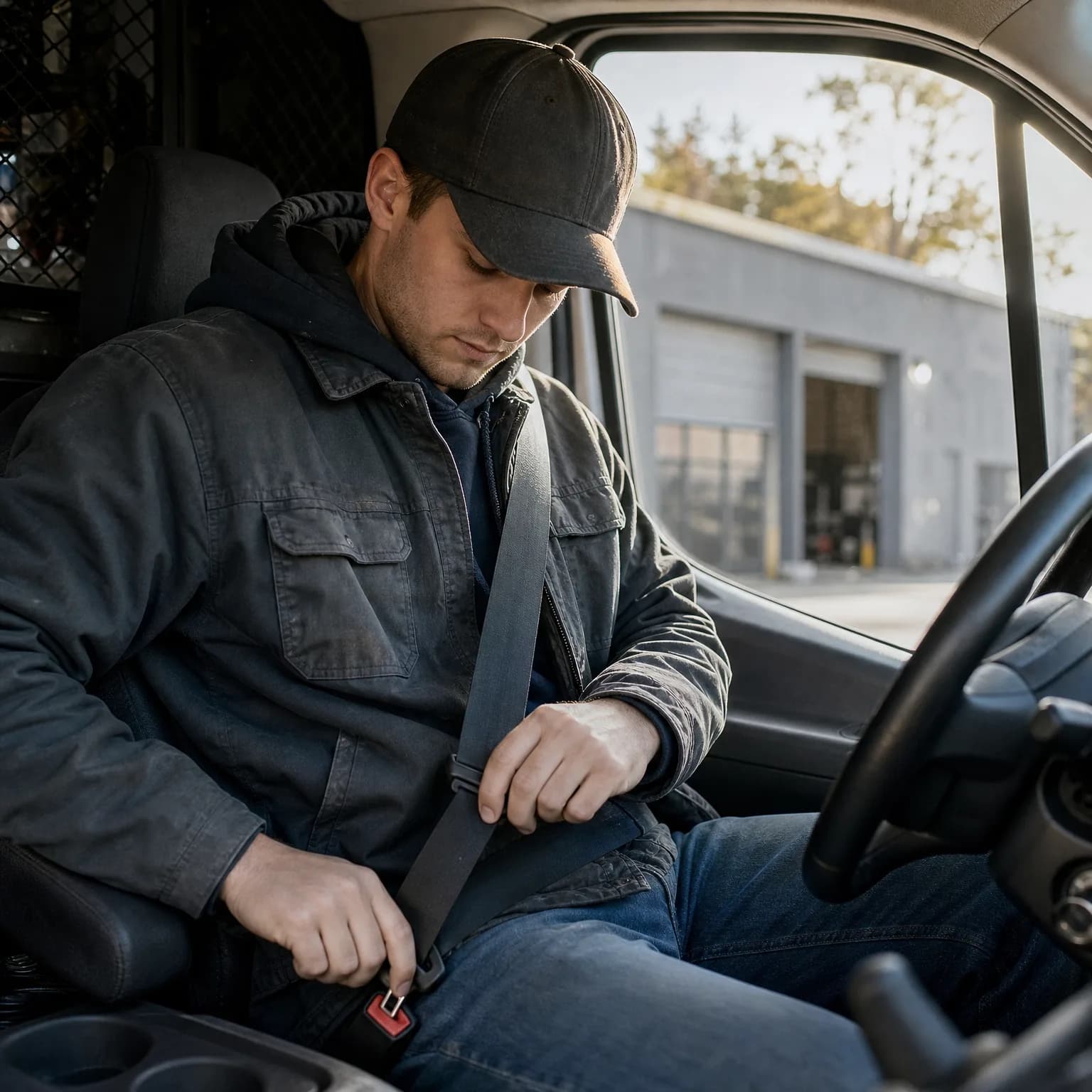
You drive a company van for deliveries. Your employer gave you permission. You cause an accident. Your non-owner SR-22 policy denies coverage because the vehicle is furnished for your regular use.
Non-owner policies exclude vehicles furnished or available for your regular use. This includes employer-owned vehicles assigned to you, even temporarily. If your job requires you to drive a company vehicle as part of your duties, that vehicle is furnished for regular use. Your non-owner policy will not cover it.
The employer's commercial auto policy should cover the accident. But if the employer's policy excludes drivers with SR-22 filing requirements, you may have no coverage at all. Some employers require proof of personal auto insurance before allowing employees to drive company vehicles. Non-owner SR-22 satisfies the SR-22 filing requirement but does not satisfy the employer's insurance requirement if their policy excludes high-risk drivers.
If you need to drive an employer-owned vehicle and you carry non-owner SR-22, confirm with your carrier whether the policy extends to employer vehicles. Most do not. You may need a commercial non-owned auto policy instead.
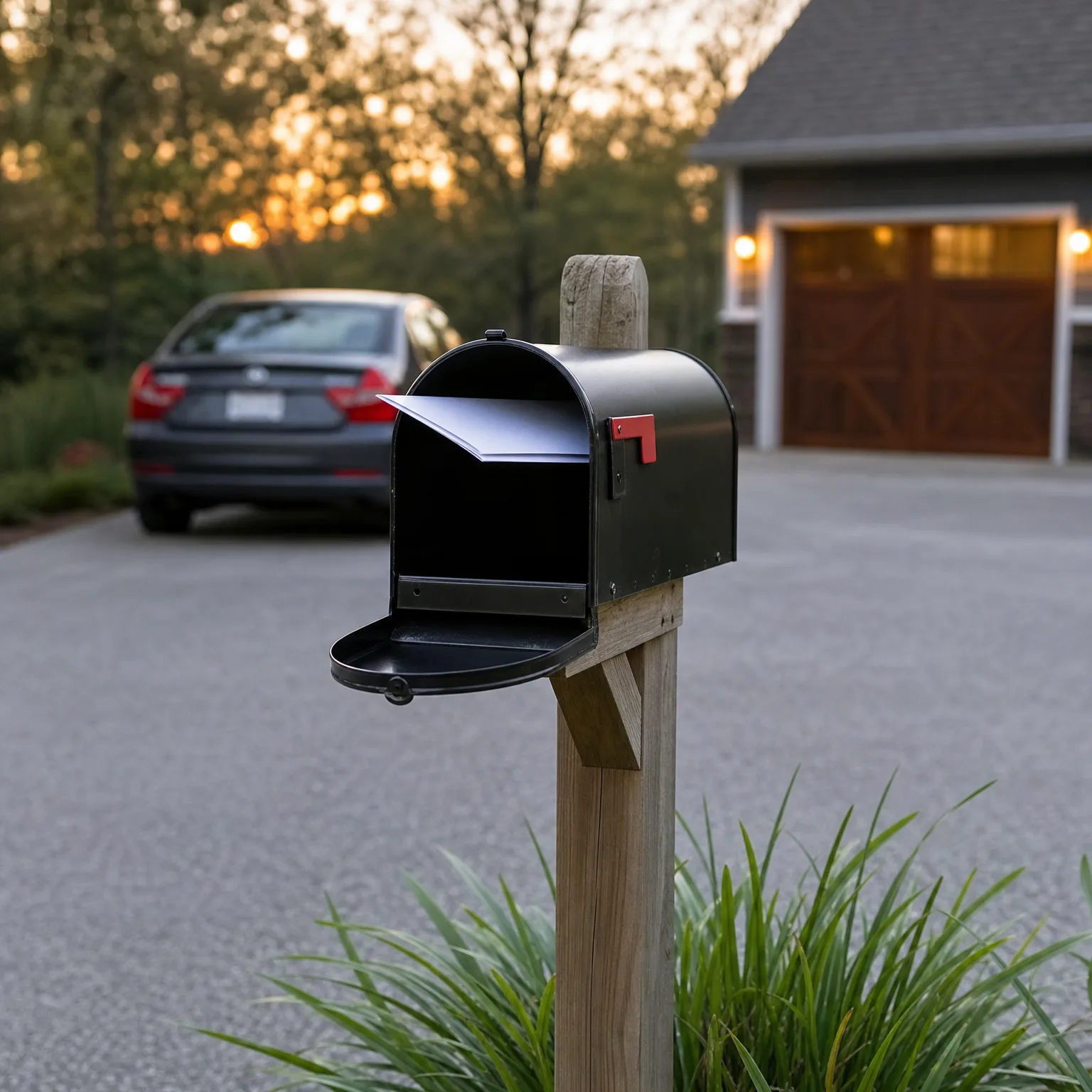
Implied Permission Versus Explicit Permission in Claims Investigations
Your neighbor leaves their car unlocked with keys in the ignition. You have borrowed it twice before with verbal permission. This time you take it without asking because you assume permission is implied. You cause an accident. Your non-owner SR-22 carrier investigates.
Implied permission is permission inferred from past conduct or circumstance. Courts in some states recognize implied permission when a pattern of prior use exists. Insurers rarely do. Carriers require explicit permission for each individual use unless the policy language specifically includes implied permission.
During claims investigation, the carrier will contact the vehicle owner to confirm permission was granted. If the owner states permission was not given for that specific use, the carrier denies the claim. The fact that you had permission last week does not create implied permission this week.
If you are charged criminally with unauthorized use of a vehicle, your non-owner policy excludes coverage regardless of your relationship with the vehicle owner. Permissive use requires lawful use. A criminal charge for theft or joyriding voids the permissive-use defense even if the vehicle owner later declines to press charges.
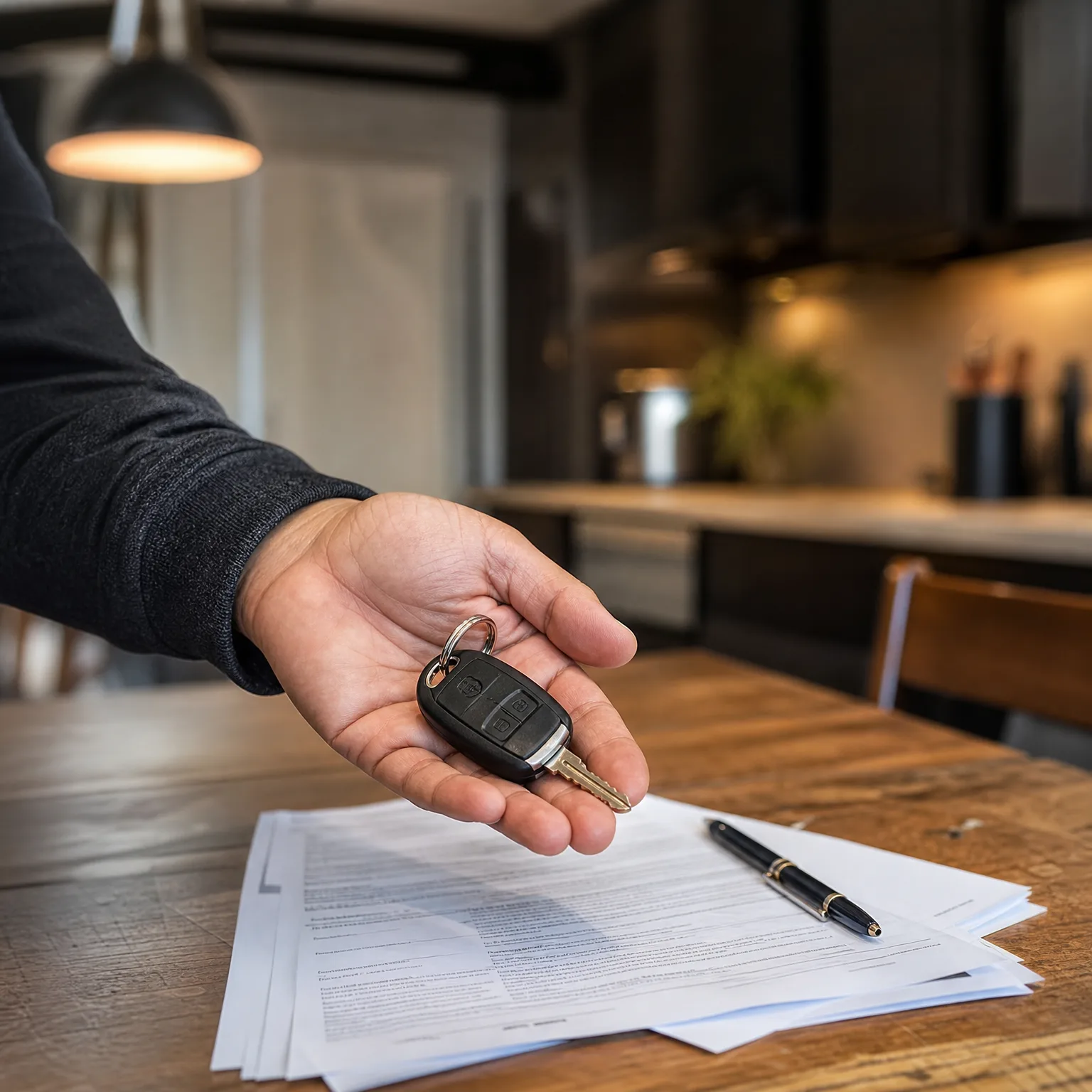
What Happens to Your SR-22 Filing When a Permissive-Use Claim Is Denied
Your non-owner SR-22 carrier denies a claim for lack of permissive use. The policy remains in force. Your SR-22 filing remains active with the state. The denied claim does not cancel your SR-22.
But if the carrier cancels your policy for misrepresentation or fraud related to the permissive-use dispute, the SR-22 filing lapses. The state receives a cancellation notice. Your license suspends again immediately in most states. You must obtain a new non-owner SR-22 policy and refile before reinstatement.
Some states treat a lapsed SR-22 as a new violation that restarts the filing period. If you were two years into a three-year SR-22 requirement and your policy cancels, you may owe three additional years from the new filing date. Check your state's DMV requirements carefully.
If the denied claim results in a judgment against you personally, some states suspend your license until the judgment is satisfied. This is separate from your SR-22 filing requirement. You cannot reinstate until both the SR-22 is active and the judgment is paid or settled.
Frequently Asked Questions
Does verbal permission count for non-owner SR-22 coverage?
Verbal permission typically satisfies permissive-use requirements if it comes from the registered vehicle owner. If someone other than the owner gives permission, carriers may deny claims even if the permission was genuinely given. Written permission is rarely required unless your policy declarations page specifies it.
Can I use my non-owner SR-22 policy to drive my spouse's car?
Most non-owner SR-22 policies exclude vehicles owned by household members. If you live with your spouse, their vehicle is typically excluded from your non-owner coverage even with explicit permission. The household exclusion applies because insurers expect you to list household vehicles on a standard owner policy.
What happens if the vehicle owner says I didn't have permission after an accident?
Your non-owner SR-22 carrier will deny the claim if the vehicle owner states permission was not granted. Carriers contact the owner during claims investigation to confirm permissive use. If the owner denies giving permission, your policy excludes coverage for that accident.
Does my non-owner SR-22 cover me when driving a work vehicle?
Non-owner SR-22 policies typically exclude vehicles furnished or available for your regular use. If your employer assigns you a vehicle for work duties, your non-owner policy will not cover it. The employer's commercial auto policy should provide coverage instead.
Will my SR-22 filing cancel if a permissive-use claim is denied?
A denied claim does not automatically cancel your SR-22 filing. The policy remains in force and your filing stays active with the state. However, if the carrier cancels your policy for misrepresentation or fraud, your SR-22 lapses and your license suspends again immediately.
Can I drive a rental car with my non-owner SR-22 policy?
Non-owner SR-22 policies generally cover rental vehicles because you have explicit permission from the rental agency and the vehicle is not furnished for regular use. Confirm your policy includes rental coverage before renting. Some carriers exclude rentals or require an endorsement.
Related Articles
Non-Owner SR-22 Coverage Gaps: When It Won't Pay
5/19/2026
Non-Owner SR-22 Excluded Vehicles: When Coverage Fails
5/19/2026
Non-Owner SR-22: What It Covers and Critical Gaps
5/19/2026
Non-Owner SR-22 Does Not Cover Vehicles You Own
5/19/2026
Non-Owner SR-22 Stacking Across Borrowed Vehicles
5/19/2026

Non-Owner SR-22 During Limited Driving Permit Period
5/19/2026