
Non-Owner SR-22 Bodily Injury Limits: The Filing Floor
Get My Non-Owner SR-22 QuoteWhat Bodily Injury Liability Floor Does Non-Owner SR-22 Enforce
Non-owner SR-22 policies must carry bodily injury liability limits at or above your state's minimum requirement—the same floor that applies to standard owner policies. California requires 15/30 ($15,000 per person, $30,000 per accident). Texas requires 30/60. Florida's non-owner FR-44 mandate doubles the standard minimums to 100/300 for DUI filers.
The SR-22 filing itself is not insurance—it's a certification that you carry continuous liability coverage meeting state minimums. When you purchase non-owner coverage, the carrier files Form SR-22 with your state DMV on your behalf, certifying your policy meets the floor. If your policy lapses or drops below the mandated limits mid-filing period, the carrier notifies the DMV within 10-30 days depending on state reporting rules, triggering immediate suspension reinstatement failure.
Most non-owner policies sold through non-standard carriers default to state minimums to keep premiums low. You can purchase higher limits—50/100 or 100/300—but the additional premium usually adds 15-25% to the base cost. For filers on tight budgets, state minimums satisfy the filing requirement and cost the least.
Why Bodily Injury Minimums Apply When You Don't Own a Vehicle
Bodily injury liability covers injury or death you cause to other people when driving. Non-owner policies provide this coverage when you drive a borrowed vehicle, a rental, or any car you operate with permission—situations where the vehicle owner's policy may not cover you as a non-household driver.
State minimum liability floors exist to protect other drivers financially, not to protect you. SR-22 filing enforces those minimums because your suspension or conviction indicated you previously failed to maintain proof of financial responsibility. The filing period—typically 2-3 years for first DUI, up to 5 years for repeat offenses—is a compliance window during which the state requires continuous proof you can pay for injuries you cause.
The non-owner structure does not change the liability floor. You are still a driver capable of causing injury. The fact that you don't own the vehicle you're operating does not reduce your financial responsibility for injuries caused during an at-fault accident.
What Happens If Your Non-Owner Policy Drops Below State Minimums
If you reduce your bodily injury limits below state minimums mid-policy term—either by requesting lower coverage or switching to a carrier that miscalculates state requirements—the carrier must file SR-26 (certificate of cancellation) with your state DMV. Most states suspend your license again within 10-30 days of receiving the SR-26, treating the gap as a new violation.
Reinstatement after a mid-filing lapse typically requires paying a new suspension fee (often $50-$250 depending on state), restarting the SR-22 filing clock in some jurisdictions, and paying reinstatement processing fees. In states like California and Texas, a single lapse during your SR-22 period can extend your total filing requirement by 1-2 additional years from the lapse date.
Carriers writing non-owner SR-22 policies structure coverage to prevent accidental drops below minimums. Most lock liability limits at state floor or higher for the duration of the filing period. If you request a reduction, underwriting will flag it and decline the change rather than risk triggering an SR-26.
Cover Your Filing Before You Own a Car Again
Get My Non-Owner SR-22 QuoteHow FR-44 Filing Changes the Bodily Injury Floor
Florida and Virginia require FR-44 filing instead of SR-22 for DUI-related suspensions. FR-44 doubles the standard bodily injury liability minimums. Florida's standard minimum is 10/20; FR-44 filers must carry 100/300. Virginia's standard is 25/50; FR-44 requires 50/100.
Non-owner FR-44 policies are structurally identical to non-owner SR-22—they provide liability coverage when driving borrowed vehicles and satisfy the state's filing requirement. The difference is premium cost. Non-owner FR-44 policies in Florida typically run $100-$180/month compared to $60-$110/month for standard non-owner SR-22 in other states, driven entirely by the higher liability limits the policy must carry.
If you move from Florida or Virginia to another state mid-filing period, confirm whether your new state accepts FR-44 filing or requires conversion to SR-22. Most states accept FR-44 as equivalent or superior proof of financial responsibility, but processing timelines vary. Submit the filing transfer request to your carrier and your new state DMV within 30 days of address change to avoid lapse.
What Non-Owner SR-22 Does Not Cover and Why It Matters for Limits
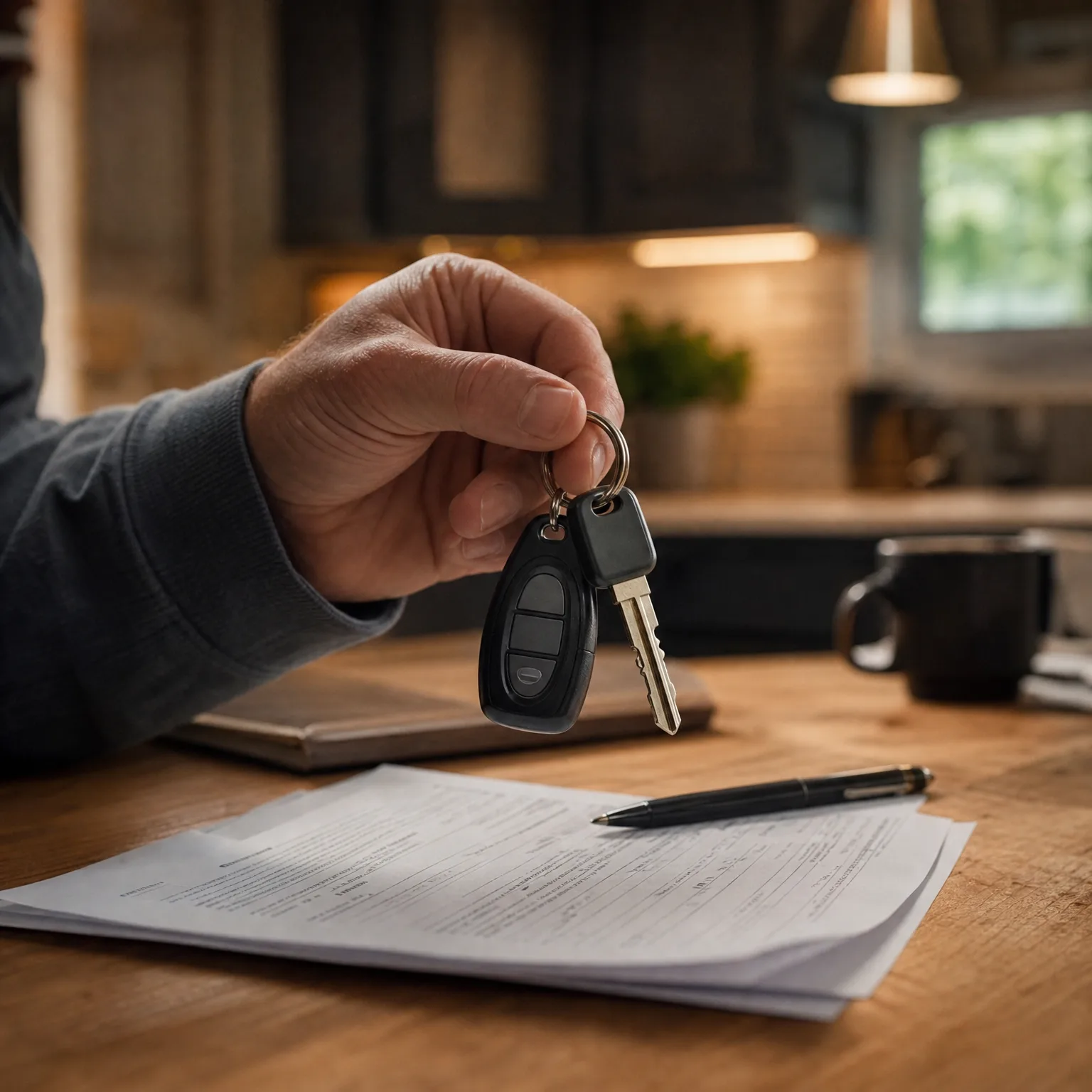
Non-owner policies provide bodily injury liability and property damage liability when you drive someone else's vehicle. They do not provide comprehensive, collision, medical payments, or personal injury protection coverage because there is no owned vehicle to insure for physical damage.
If you borrow a vehicle and cause an at-fault accident, your non-owner policy pays for injuries and property damage you cause to others up to your policy limits. The vehicle owner's policy may cover damage to their own vehicle if they carry collision coverage. Your non-owner policy does not cover damage to the borrowed vehicle—that responsibility falls to the vehicle owner's policy or to you personally.
This structure matters because it limits your exposure. If you carry state minimum bodily injury limits (for example, California's 15/30) and cause an accident with $50,000 in injury claims, your policy pays the first $30,000. You are personally liable for the remaining $20,000. Higher liability limits—50/100 or 100/300—cost more but reduce personal exposure in serious accidents.
How to Confirm Your Non-Owner Policy Meets State Filing Requirements
Request a declarations page from your carrier showing your bodily injury liability limits and confirming SR-22 filing status. The declarations page is the official policy summary listing coverage types, limits, effective dates, and named insureds. Verify the bodily injury limits meet or exceed your state's minimum and that the SR-22 filing date matches your DMV reinstatement timeline.
Most non-standard carriers—Bristol West, The General, National General, Acceptance Insurance—provide the declarations page digitally within 24-48 hours of policy binding. Print or save a PDF copy. Many state DMVs require proof of coverage at reinstatement hearings or when applying for restricted licenses during your filing period.
If your declarations page shows bodily injury limits below state minimums, contact your carrier immediately. This is a rare underwriting error but it happens when multi-state carriers miscalculate state-specific floors. The carrier must amend the policy and refile SR-22 before your reinstatement date to avoid processing delays.
Frequently Asked Questions
Can I buy non-owner SR-22 with bodily injury limits below my state's minimum
No. Carriers will not issue non-owner SR-22 policies with bodily injury limits below state minimums because the filing certifies continuous compliance with financial responsibility laws. Policies below the floor cannot satisfy SR-22 requirements.
Does non-owner SR-22 cover injuries to passengers in the car I'm driving
Yes, if you are at fault. Bodily injury liability covers injuries you cause to other people, including passengers in the vehicle you're driving. Your policy pays up to your per-person and per-accident limits for medical bills, lost wages, and pain and suffering claims.
What happens if I cause an accident and the injury claims exceed my bodily injury limits
Your non-owner policy pays up to your liability limits, and you are personally responsible for any amount above that. If you carry California's 15/30 minimum and cause $50,000 in injury claims, your policy pays $30,000 and you owe $20,000 out of pocket.
Can I increase my bodily injury limits mid-policy if I'm worried about exposure
Yes. Contact your carrier to request a limit increase—for example, from state minimums to 50/100 or 100/300. Your premium will increase proportionally, typically 15-25% for each tier, but the SR-22 filing remains continuous with no lapse.
Does my non-owner policy's bodily injury coverage apply if I rent a car
Yes. Non-owner policies provide liability coverage when you drive rental vehicles. The rental company's supplemental liability insurance is redundant if your non-owner policy already meets state minimums, though rental companies may still offer it at the counter.
Will my SR-22 filing cancel if I let my non-owner policy lapse for one day
Yes. Carriers must file SR-26 (certificate of cancellation) with your state DMV when your policy lapses, even for a single day. Most states suspend your license again within 10-30 days and require new reinstatement fees to restore driving privileges.
Related Articles
Non-Owner SR-22 Liability Limits: Minimums vs Higher Floors
5/19/2026

Non-Owner SR-22 Limits: Minimum vs Higher Coverage
5/19/2026
Non-Owner SR-22 Excess Limits: When to Buy Higher Coverage
5/19/2026

Non-Owner SR-22 After DUI With Injury: Higher Limits
5/19/2026
Non-Owner SR-22 vs FR-44: Which Filing You Need
5/19/2026

File Non-Owner SR-22 in California Without a Vehicle
5/19/2026