
Non-Owner SR-22 After Bankruptcy: Filing Without a Car
Get My Non-Owner SR-22 QuoteWhy Bankruptcy Discharge Doesn't Cancel Your SR-22 Filing Requirement
Bankruptcy discharges financial obligations like medical bills, credit card debt, and sometimes personal injury judgments. It does not discharge DMV administrative penalties, license suspensions, or SR-22 filing requirements tied to driving violations.
If your license was suspended for DUI, uninsured driving, reckless driving, or multiple violations before you filed bankruptcy, the SR-22 filing requirement remains active after discharge. The bankruptcy court has no authority over state DMV administrative actions. Even if the underlying violation triggered a civil judgment that was discharged, the state's authority to condition license reinstatement on proof of financial responsibility is separate and survives bankruptcy.
Most bankruptcy filers in this situation surrendered or lost their vehicle during the bankruptcy process. They need reinstatement but have no car to insure. Non-owner SR-22 is the filing pathway designed for this exact scenario.

What Non-Owner SR-22 Actually Covers After Bankruptcy
Non-owner SR-22 is a liability-only policy filed with the state DMV on behalf of a driver who does not own a vehicle. It satisfies the SR-22 filing requirement for license reinstatement without requiring you to own, register, or insure a specific car.
The policy provides liability coverage when you drive a borrowed vehicle, a rental, or someone else's car with permission. It does not cover vehicles you own. If you acquire a vehicle during the filing period—through purchase, gift, or repossession recovery—you must convert to a standard owner SR-22 policy or the filing will lapse.
Premiums for non-owner SR-22 are typically 30-60% lower than owner SR-22 because there is no comprehensive or collision coverage and no specific vehicle to rate. For bankruptcy filers rebuilding credit and managing tight budgets, this cost difference is substantial.


Non-Owner SR-22 Filing Process Without Vehicle Ownership
You apply for non-owner SR-22 through a non-standard carrier licensed in your state. The carrier underwrites your driving record, including the violation that triggered the SR-22 requirement and your bankruptcy filing status. Bankruptcy itself is not a rating factor for non-owner SR-22, but the underlying violation is.
Once approved, the carrier files Form SR-22 electronically with your state DMV or equivalent licensing agency. Most filings are processed within 24-48 hours. You receive a copy of the SR-22 certificate and proof of insurance card. The DMV updates your record to show continuous proof of financial responsibility.
You must maintain the policy without lapse for the full filing period required by your state—typically 1 to 3 years for most violations, 3 to 5 years for DUI or repeat offenses. If the policy cancels for non-payment or you request cancellation before the filing period ends, the carrier is required to notify the DMV electronically. Your license will be re-suspended, and you will need to restart the filing clock in most states.
How Bankruptcy Affects Non-Owner SR-22 Premium Rates
Bankruptcy discharge does not directly increase non-owner SR-22 premiums. Carriers rate non-owner policies based on your driving record, the violation that triggered the SR-22 requirement, your age, and the state's minimum liability limits.
The underlying violation—DUI, uninsured driving, reckless driving—is the primary rating factor. A DUI conviction will raise your premium significantly regardless of bankruptcy status. A bankruptcy filing may appear on background checks but is not a standalone underwriting criterion for liability-only non-owner coverage.
If your bankruptcy included discharge of an auto loan or repossession, and you surrendered the vehicle, you have no vehicle to insure. Non-owner SR-22 is typically $40-$90 per month for non-DUI violations, $80-$140 per month for DUI violations. Estimates based on available industry data; individual rates vary by state, age, and driving history.

Cover Your Filing Before You Own a Car Again
Get My Non-Owner SR-22 Quote
State-Specific SR-22 Filing Duration After Bankruptcy
Filing duration is determined by state law and the violation that triggered the SR-22 requirement, not by bankruptcy status. California requires 3 years of SR-22 filing for DUI convictions. Texas requires 2 years for most uninsured driving suspensions. Florida requires 3 years for most DUI offenses and substitutes FR-44 filing with doubled liability minimums.
Bankruptcy discharge does not reduce the filing period. If you were required to file SR-22 for 3 years before bankruptcy, you are still required to file SR-22 for 3 years after discharge. The clock starts from the date of reinstatement or the date specified in your state's administrative order, not from the date of bankruptcy filing or discharge.
Some states pause the SR-22 clock during active suspension. Others count the clock from conviction date regardless of suspension status. Verify current requirements with your state DMV as rules vary by state and change periodically.
What Happens If You Acquire a Vehicle During the Filing Period
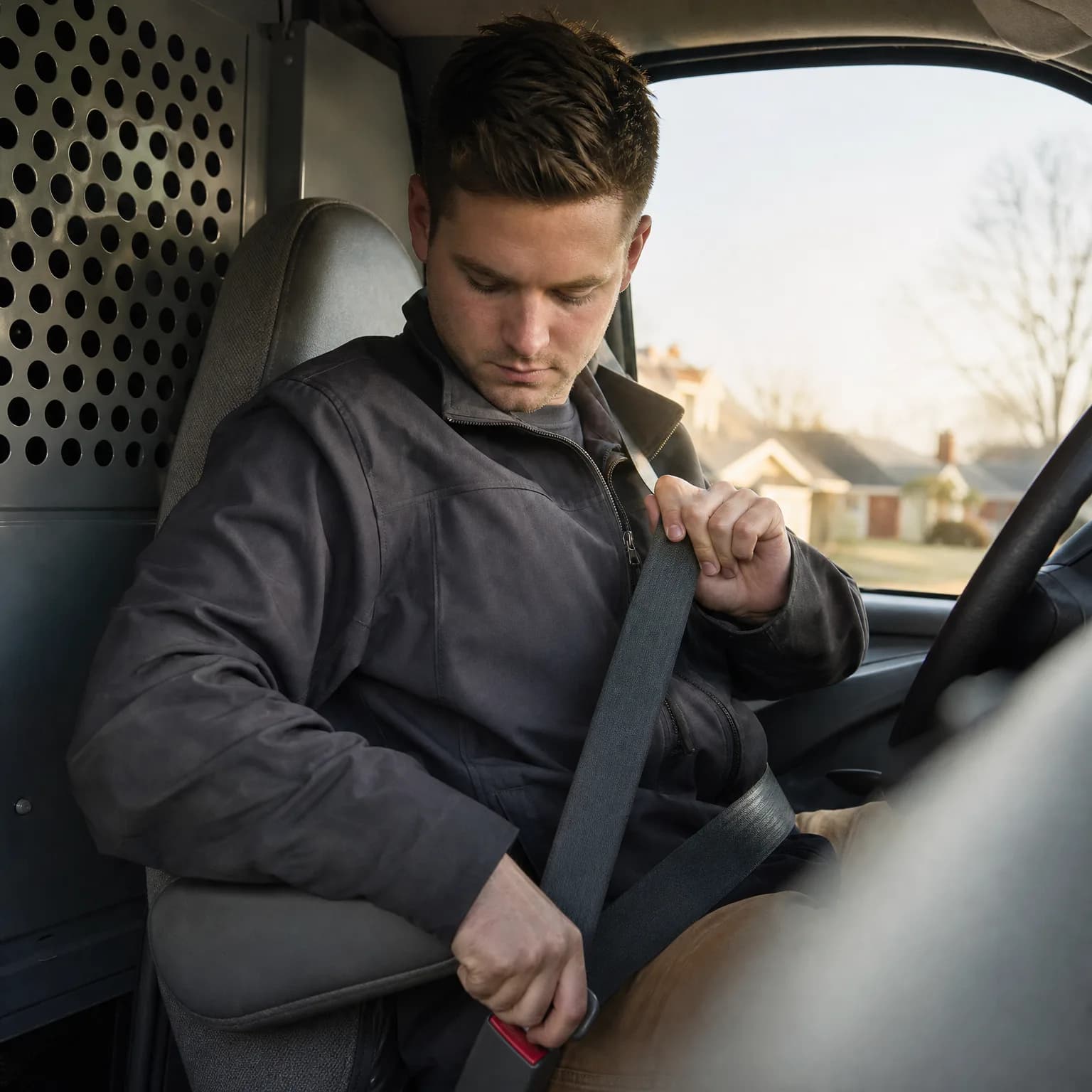
Non-owner SR-22 covers you only when driving vehicles you do not own. If you purchase, finance, or are gifted a vehicle while your SR-22 filing requirement is active, you must immediately notify your carrier and convert to a standard owner SR-22 policy.
Failure to convert creates a coverage gap. The non-owner policy excludes vehicles you own, so you would be driving uninsured. The carrier will not cover claims involving the newly acquired vehicle. Your state may treat this as a lapse in required coverage and re-suspend your license.
Most carriers allow same-day conversion from non-owner SR-22 to owner SR-22 if you provide the vehicle's VIN, title, and proof of ownership. The SR-22 filing remains continuous—you do not restart the clock. Premium will increase because owner policies include comprehensive and collision options and rate based on the specific vehicle.
Finding Non-Owner SR-22 Carriers After Bankruptcy Discharge
Not all carriers write non-owner SR-22 policies. Non-standard carriers specializing in high-risk drivers are the primary market for this product. Examples include Bristol West, The General, Acceptance Insurance, Direct Auto, and National General.
Standard carriers like GEICO, State Farm, and Progressive occasionally write non-owner policies for clean-record drivers but typically decline applications when SR-22 filing is required. Direct quote comparison through a non-owner SR-22 specialist site is the most efficient pathway post-bankruptcy.
Availability varies by state. Most states have multiple non-owner SR-22 carriers. Some rural markets have limited options. Florida and Virginia require FR-44 filing for DUI offenses, which carries higher liability minimums and costs approximately 40-60% more than standard SR-22 in other states.
Frequently Asked Questions
Does bankruptcy discharge eliminate my SR-22 filing requirement?
No. Bankruptcy discharges financial debts but does not discharge DMV administrative penalties or SR-22 filing requirements tied to driving violations. If your license was suspended for DUI, uninsured driving, or other violations before bankruptcy, the SR-22 filing requirement remains active after discharge.
Can I get non-owner SR-22 if I surrendered my car in bankruptcy?
Yes. Non-owner SR-22 is designed for drivers who do not own a vehicle. If you surrendered your car during bankruptcy or lost it to repossession, non-owner SR-22 satisfies your state's filing requirement without requiring you to own or insure a specific vehicle.
How much does non-owner SR-22 cost after bankruptcy?
Non-owner SR-22 typically costs $40-$90 per month for non-DUI violations and $80-$140 per month for DUI violations. Bankruptcy status does not directly increase premiums. The underlying violation is the primary rating factor. Estimates based on available industry data; individual rates vary by state and driving history.
What happens if I buy a car during my SR-22 filing period?
You must immediately notify your carrier and convert from non-owner SR-22 to owner SR-22. Non-owner policies exclude vehicles you own. Driving a newly acquired vehicle on a non-owner policy creates a coverage gap and may result in license re-suspension for lapsed coverage.
Will standard carriers like GEICO write non-owner SR-22 after bankruptcy?
Unlikely. Standard carriers typically decline non-owner SR-22 applications when filing is required due to violations. Non-standard carriers like Bristol West, The General, Acceptance Insurance, and Direct Auto specialize in high-risk non-owner SR-22 coverage and are more likely to approve applications post-bankruptcy.
Does my SR-22 filing period restart after bankruptcy discharge?
No. The SR-22 filing period is set by state law and the violation that triggered the requirement. Bankruptcy discharge does not reduce or restart the clock. The filing period runs from the date of reinstatement or the date specified in your state's administrative order.
Related Articles

Non-Owner SR-22 After Bankruptcy: Carrier Options
5/19/2026

Non-Owner SR-22 After Repossession: File Without Car
5/19/2026
Non-Owner SR-22 After Court-Ordered Filing Explained
5/19/2026

Non-Owner SR-22 After Impound: File Without the Car
5/19/2026

Non-Owner SR-22 After At-Fault Accident Suspension
5/19/2026

Non-Owner SR-22 Filing Without a Vehicle After Suspension
5/19/2026