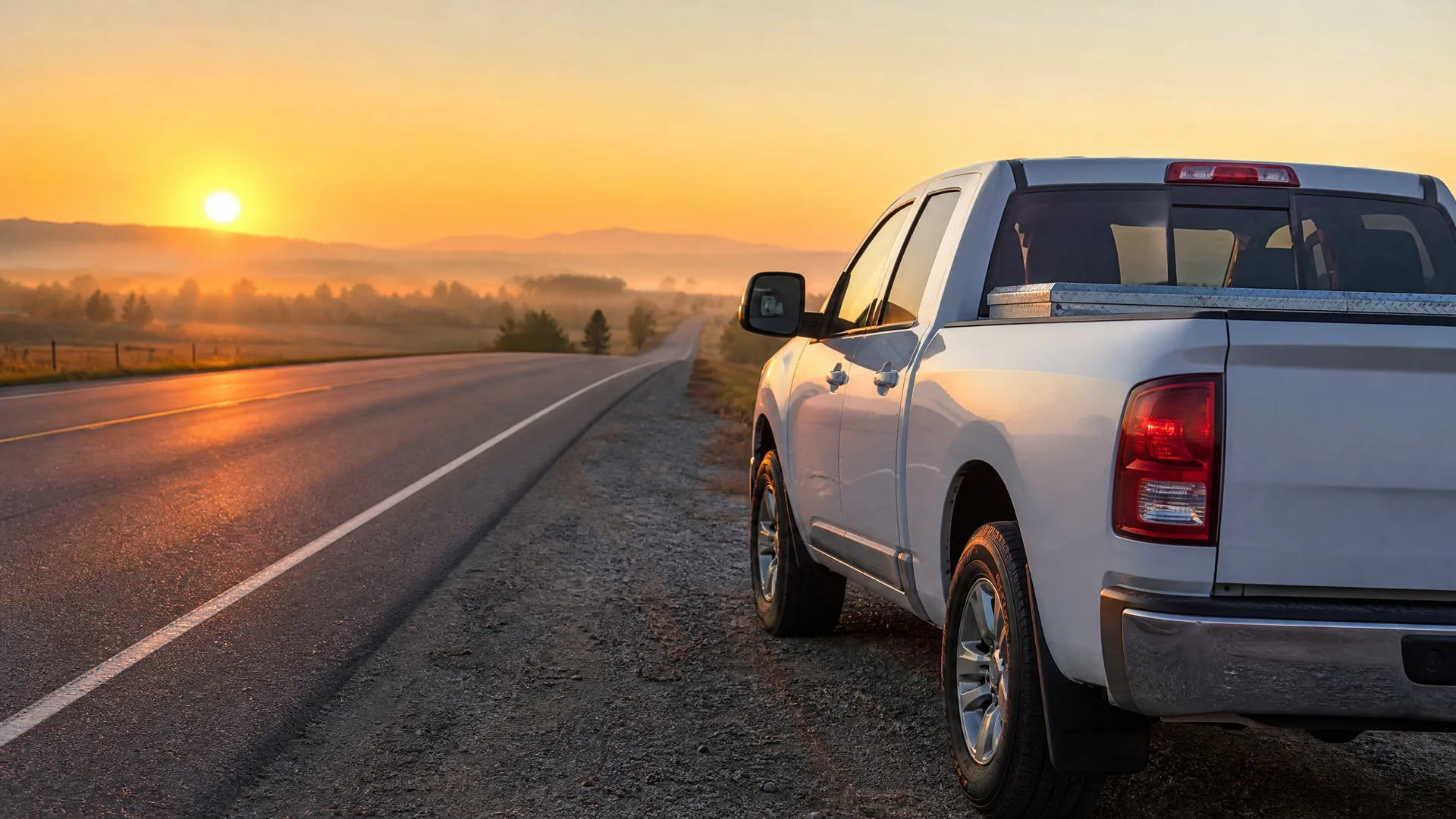
Non-Owner SR-22 After an Impound: When the Vehicle Is Gone
Get My Non-Owner SR-22 QuoteNon-Owner SR-22 Exists Specifically for This Scenario
Non-owner SR-22 insurance is a liability policy that covers you when driving someone else's vehicle with permission. The carrier files Form SR-22 with your state DMV on your behalf, satisfying the filing requirement without listing a specific vehicle on the policy. This matters after an impound because the state's filing requirement runs from your conviction or suspension date regardless of whether you still own the car.
The impound lot may hold your vehicle for 30 days while accumulating storage fees that exceed the car's value. Many drivers walk away rather than pay $1,200 in fees to retrieve a $2,000 vehicle. The filing requirement does not walk away with it. Non-owner SR-22 closes that gap: you get proof of financial responsibility, the state gets its filing, and you avoid paying full-vehicle premiums on a car you will never drive again.
Premiums for non-owner SR-22 typically run 30 to 60 percent lower than owner SR-22 because the policy carries no comprehensive or collision coverage and no specific vehicle. Expect $40 to $80 per month in most states for minimum liability limits with SR-22 endorsement attached. Florida and Virginia DUI cases require FR-44 filing instead, which doubles liability minimums and raises premiums to approximately $80 to $140 per month for non-owner coverage.
What Non-Owner SR-22 Does and Does Not Cover
Non-owner SR-22 provides liability coverage when you drive a borrowed vehicle, a rental car, or any vehicle you do not own and have permission to operate. It pays for injuries and property damage you cause to others. It does not cover damage to the vehicle you are driving, your own injuries, or any vehicle registered in your name.
If you acquire a vehicle during the SR-22 filing period, you must convert to an owner policy or stack coverage. The non-owner policy will not cover accidents in a car titled to you. Most carriers allow mid-term conversion without penalty, but the premium will increase because the policy now insures a specific vehicle with comprehensive and collision exposure.
The filing itself remains active as long as premiums are paid on time. Missing a payment triggers a lapse notice from the carrier to the DMV within 10 days in most states. The DMV typically suspends your license again within 30 days of the lapse notice unless you cure the gap and file proof of continuous coverage.


How to Get Non-Owner SR-22 After the Impound
Call a non-standard carrier that writes high-risk policies in your state. Progressive, The General, Bristol West, Acceptance, and National General all offer non-owner SR-22 in most markets. State Farm and Geico write these policies selectively; Allstate rarely does. Provide your driver's license number, conviction details, and the filing duration your state requires.
The carrier files Form SR-22 electronically with your DMV within 24 to 48 hours of binding coverage. You receive a paper SR-22 certificate by mail within 5 to 10 business days. Some states require you to submit the paper certificate to the DMV during reinstatement; others accept the electronic filing automatically and update your record without additional action on your part.
Total cost to reinstate after impound: non-owner SR-22 premium for the filing period, the state's SR-22 filing fee (typically $15 to $50 depending on jurisdiction), the reinstatement fee for your suspension trigger (commonly $100 to $300 for DUI-related suspensions), and any court-ordered fines or program fees. The non-owner policy premium is the recurring cost; the others are one-time charges.

Cover Your Filing Before You Own a Car Again
Get My Non-Owner SR-22 QuoteFiling Duration Varies by Trigger and State
DUI convictions typically require three years of continuous SR-22 filing in most states. Some jurisdictions mandate five years for second offenses or aggravated cases. Uninsured motorist violations often carry one to three years depending on state statute. The clock starts from your conviction date or reinstatement date depending on how your state calculates the filing period.
Texas measures from the conviction date forward. California measures from the DMV reinstatement date. If you delay reinstatement by six months, California's three-year requirement runs from the day you reinstate, not the day you were convicted. Verify your state's specific calculation with the DMV before purchasing coverage so you know the exact end date.
The non-owner policy must remain active for the entire filing period. Switching carriers mid-period is allowed, but any gap in coverage restarts the filing clock in many states. If you cancel the non-owner policy because you bought a car and converted to owner coverage, confirm the new carrier filed SR-22 before the old policy terminates. A single day without active filing can trigger re-suspension.

What Happens If You Get the Impounded Car Back Later
Retrieving the vehicle after you purchased non-owner SR-22 requires adding it to a standard owner policy immediately. Call your carrier the day you take possession. The non-owner policy does not cover a vehicle titled in your name, even if you just got it back from impound.
Most carriers will convert your non-owner policy to an owner policy mid-term without cancellation penalty. The premium increases because comprehensive and collision coverage are now required by the lienholder if you financed the retrieval, and because the policy now insures a specific vehicle with higher exposure. Expect the monthly premium to double or triple depending on the vehicle's value and your coverage selections.
If the impounded vehicle was totaled or sold at auction while in the lot's custody, you do not need to notify your non-owner carrier. The non-owner policy was never attached to that specific vehicle. Continue paying premiums on time until the SR-22 filing period expires, then request a non-filing policy or cancel coverage if you remain carless.
The Cheapest Path Forward After Impound
Non-owner SR-22 is the least expensive compliance option for drivers without a vehicle. It costs less than maintaining an owner policy on a car you will never retrieve, and it satisfies the state's proof of financial responsibility requirement in full. Carriers underwrite non-owner policies based on your driving record and the state's minimum liability limits, not the value of a vehicle.
Budget for total reinstatement costs upfront. Add the non-owner premium for the full filing period, the state's one-time reinstatement fee, the SR-22 filing fee, and any DUI program or ignition interlock costs if your conviction requires them. A typical three-year non-owner SR-22 scenario costs approximately $1,800 to $2,400 in premiums alone, plus $200 to $400 in state fees.
Once the filing period ends, request a filing termination letter from your carrier and confirm with the DMV that the requirement has been satisfied. At that point you can cancel the non-owner policy if you remain carless, or convert to a standard-risk policy if your record has aged and you qualify for better rates.
Frequently Asked Questions
Can I get non-owner SR-22 if my car is still sitting in the impound lot?
Yes. Non-owner SR-22 does not require you to own zero vehicles; it requires you to not list a specific vehicle on the policy. If the impounded car remains titled to you but you are not driving it, the non-owner policy covers you when driving other vehicles and satisfies the SR-22 filing requirement. If you retrieve the impounded vehicle later, you must convert to an owner policy immediately.
How long does it take to get the SR-22 filed after I buy non-owner coverage?
Most carriers file Form SR-22 electronically with your state DMV within 24 to 48 hours of binding the policy. You receive a paper SR-22 certificate by mail within 5 to 10 business days. Some states update your driving record automatically once the electronic filing is received; others require you to submit the paper certificate during reinstatement.
What happens if I miss a payment on my non-owner SR-22 policy?
The carrier sends a lapse notice to the DMV within 10 days of the missed payment in most states. The DMV typically suspends your license again within 30 days unless you pay the overdue premium and request proof of continuous coverage. Reinstating after a filing lapse often requires paying a new reinstatement fee and restarting the SR-22 filing period from the beginning.
Does non-owner SR-22 cover me if I borrow a family member's car?
Yes, as long as you have permission to drive the vehicle and it is not titled in your name. Non-owner SR-22 provides liability coverage when you drive someone else's car. The vehicle owner's policy is primary; your non-owner policy is secondary and covers gaps in their coverage or situations where their policy excludes you.
Can I switch from non-owner SR-22 to owner SR-22 if I buy a car later?
Yes. Call your carrier the day you acquire a vehicle and request conversion to an owner policy. Most carriers allow mid-term conversion without cancellation penalty. The premium increases because the policy now insures a specific vehicle, but the SR-22 filing remains continuous. Any gap in coverage during the switch can trigger DMV re-suspension.
Is non-owner SR-22 available in every state?
Non-owner SR-22 is available in all states that require SR-22 filing, though carrier availability varies by market. Florida and Virginia require FR-44 filing instead of SR-22 for DUI-related suspensions, which carries higher liability minimums and costs more. A small number of rural counties have limited carrier options; most metropolitan areas have multiple non-standard insurers writing these policies.
Related Articles

Non-Owner SR-22 Filing Without a Vehicle After Suspension
5/19/2026

Non-Owner SR-22 After No-Insurance Crash | File Now
5/19/2026

Non-Owner SR-22: What It Covers and Critical Gaps
5/19/2026

Non-Owner SR-22 vs Owner SR-22: Which Filing Fits
5/19/2026

Non-Owner SR-22 After Repossession: File Without Car
5/19/2026

Non-Owner vs Owner SR-22: Which Filing Path Costs Less
5/19/2026